
To protect your joints during high-impact exercises like burpees, jump squats, and double-unders, you need a workout mat for men that balances cushioning with structural stability. The ideal specification for dynamic training is a thickness of 6mm to 8mm, paired strictly with high-density materials such as natural rubber or dense polyurethane. While a thick, soft mat might feel comfortable under your hands initially, it often fails during dynamic movements, causing your feet to sink and your ankles to wobble. Selecting a high-density mat ensures that the material absorbs the impact energy of your landing without bottoming out against the hard floor.
In the tropical climate of the Philippines, where home workouts are frequently performed on hard tile or concrete floors, selecting the right surface is crucial. The combination of high ambient humidity and intense sweat requires a stable, non-slip foundation that keeps both you and your equipment secure. Before beginning any high-impact routine, ensure your joints are warmed up, use correct landing mechanics, and stop immediately if you experience sharp pain. A high-quality mat supports your joints, but it cannot replace proper form and physical conditioning.
Why Thickness Alone Doesn't Guarantee Joint Protection
Many fitness enthusiasts assume that a thicker mat automatically provides superior cushioning. However, relying solely on thickness is a common mistake that can lead to joint instability and injury. When you perform high-impact movements, your body generates forces that are several times your body weight. If your mat is exceptionally thick but lacks density—such as standard 10mm to 15mm low-density foam mats—the material will collapse completely under your feet.
Products mentioned in this guide
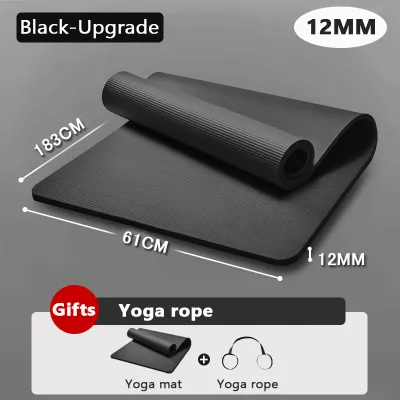
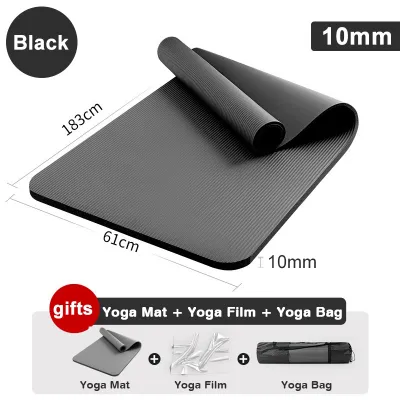
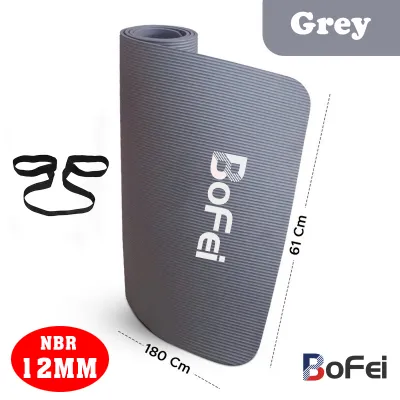
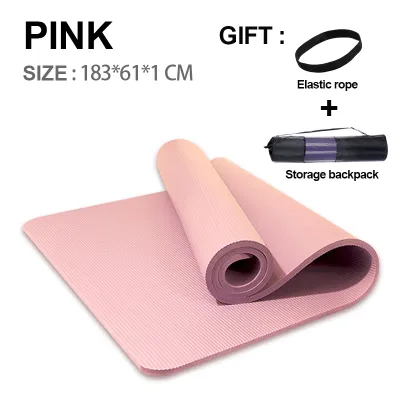
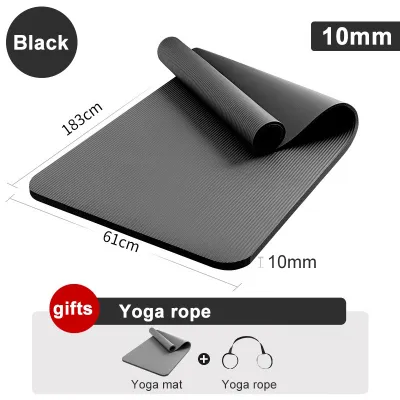
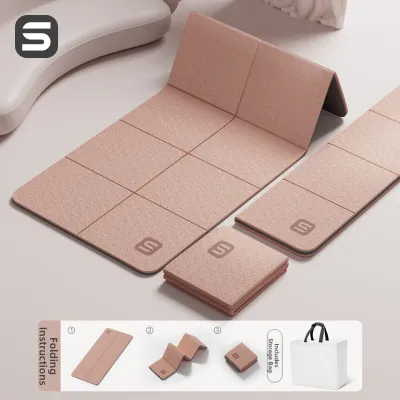
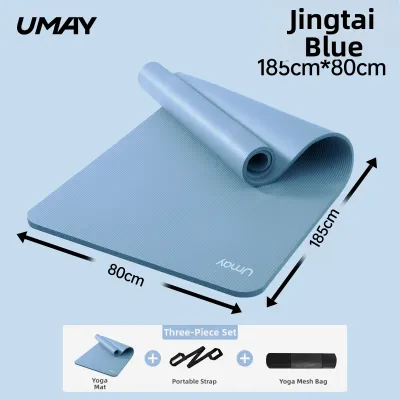
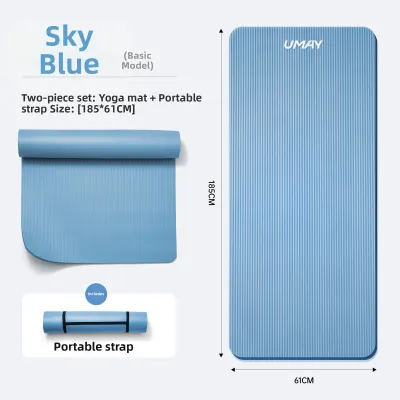
Prices are valid at publication and may change. Please refer to the product page for the latest price.
This collapse creates a highly unstable surface during dynamic exercises. When landing a jump squat or a lateral bound, your foot sinks unevenly into the soft foam, forcing your ankles and knees to micro-adjust to maintain balance. This lateral instability increases the risk of ankle sprains, knee strain, and joint misalignment. Instead of protecting your joints, an overly thick, squishy mat can actually compromise your natural biomechanics.
Furthermore, dynamic exercises require a solid connection to the ground to transfer power efficiently. If you are performing explosive movements on a soft, pillowy surface, much of your energy is absorbed by the shifting foam rather than being directed into your jump. For heavier users, this sinking effect is even more pronounced, making it essential to look beyond simple thickness measurements when shopping.
The Role of Density: The Real Key to Shock Absorption
Density refers to how tightly packed the molecules of the mat material are, which directly determines how much weight the mat can support before compressing completely. In practical terms, a high-density mat resists collapsing under sudden, heavy loads. For men, who generally carry more body mass and exert greater downward force during plyometrics, high density is the primary defense against joint impact.

When a low-density mat is subjected to a forceful landing, it experiences what is known as “bottoming out.” This occurs when the foam compresses to its absolute limit, leaving no cushioning material between your foot and the hard floor. The shock of the impact is transferred directly back up into your ankles, knees, and lower back. High-density mats prevent this by dispersing the impact energy horizontally across the material, ensuring a controlled deceleration.
To visualize this, compare a soft packing foam to a heavy-duty rubber gym tile. The packing foam feels soft to the touch but squishes to paper-thinness under pressure. The rubber tile feels firm and rigid but absorbs massive impacts without changing its shape. For high-impact training, you need that firm, resilient support that quickly rebounds to its original shape after every step, jump, or push-up.
Finding the Sweet Spot: Ideal Specs for High-Impact Workouts
To achieve the perfect balance of joint protection and athletic stability, aim for a mat thickness of 6mm to 8mm, constructed from high-density materials. This thickness provides enough vertical clearance to dampen impact without elevating your feet to a point where you lose balance. It is the optimal range for transitioning between rapid footwork, standing plyometrics, and floor-based core exercises.
The material composition plays a vital role in achieving this density. Here is how common materials compare for high-impact use:
- Natural Rubber: Exceptionally dense and heavy, offering superb ground connection and natural slip resistance, even in high humidity. It provides excellent shock absorption at a 6mm thickness but is heavier to carry.
- Polyvinyl Chloride (PVC): High-density, closed-cell PVC mats are incredibly durable and offer a firm, supportive surface that does not bottom out. They are highly resistant to sweat absorption, making them easy to clean in tropical climates.
- Thermoplastic Elastomer (TPE): Generally lighter and more cushioned than rubber or PVC, TPE can work well if it is specifically engineered for high density, though standard TPE mats may wear out faster under footwear.
- Nitrile Butadiene Rubber (NBR): Typically used for very thick, cheap mats. NBR is highly cushioned but has low density, making it unsuitable for high-impact standing exercises as it stretches and slips easily.
When browsing options, look for products explicitly labeled for “cross-training,” “HIIT,” or “high-impact” use. Avoid generic mats labeled “extra thick” or “ultra-plush” unless the manufacturer provides clear specifications regarding high-density construction. Additionally, consider whether you plan to workout barefoot or with shoes, as shoe-rated mats feature a tougher top protective layer to prevent tearing.
How to Verify Mat Quality and Specs Before Buying
Verifying the quality of a workout mat for men requires looking past marketing buzzwords. If you are shopping online, check the product specifications for the actual weight of the mat. A 6mm natural rubber or high-density PVC mat of standard size (around 183cm x 61cm) should weigh at least 2.5 to 3.5 kilograms. If a mat of those dimensions weighs under 1 kilogram, it is likely made of low-density foam that will quickly bottom out under dynamic movements.
If you are evaluating a mat in a local retail store, perform the “thumb press” test. Press your thumb firmly into the center of the mat with as much force as you can muster. Watch how the material behaves:
- High-Density Indicator: The mat feels firm, resists deep penetration, and rebounds almost instantly to its flat state when you release the pressure.
- Low-Density Indicator: Your thumb sinks easily to the floor, and the indentation remains visible for several seconds, indicating a slow, mushy recovery.
Additionally, always inspect the manufacturer’s care and usage guidelines. High-impact workouts often involve training with athletic shoes, which can shred softer yoga mats. Ensure the mat is rated for footwear use and check the cleaning instructions. In humid conditions, a closed-cell mat is highly recommended because it prevents sweat from soaking into the core, reducing odor and bacterial growth over time. Expect high-quality, durable high-density mats to range from ₱1,500 to ₱4,000, which represents a long-term investment in your joint health and training consistency.
Frequently Asked Questions (FAQ)
Can I use a standard thin yoga mat for high-impact workouts?
Standard thin yoga mats, which typically measure 3mm to 4mm in thickness, are not suitable for high-impact workouts. These mats are engineered specifically for low-impact, static poses where a strong grip and close contact with the floor are required. They lack the material volume and shock-absorbing capacity needed to cushion repetitive jumping movements. Using a thin yoga mat on hard tile or concrete floors can lead to joint fatigue, shin splints, and increased strain on your knees and lower back, especially during intense cardiovascular sessions.
Does a heavier workout mat always mean it has higher density?
While weight is a reliable indicator of density when comparing mats of the exact same dimensions and materials, it is not an absolute rule across different categories. A larger, extra-wide, or excessively thick low-density mat may weigh the same as a compact, high-density mat simply because it contains more overall volume of material. To accurately assess density, you must evaluate the weight relative to the mat’s specific length, width, and thickness. A heavy weight concentrated in a slim 6mm profile is a strong sign of a high-density, durable product.
Community discussion
Share your experience or ask a question. Comments are reviewed before publication.