
Choosing between a dial-adjustable and a plate-loaded kettlebell is one of the most critical decisions you will make when building a versatile home gym. Both designs aim to solve the same problem: replacing a massive rack of traditional, single-weight kettlebells with a single, space-saving unit. However, the way they achieve this goal is fundamentally different, impacting everything from your workout pacing to the long-term durability of your gear.
To make the right investment, you must look beyond the surface and evaluate how each mechanism aligns with your specific training style, exercise selection, and budget. While one system excels at rapid transitions during high-intensity circuits, the other offers unmatched ruggedness and modular scaling for heavy strength training. Understanding these operational differences will help you select the tool that keeps your workouts safe, efficient, and progressive.
Understanding the Mechanisms: Dial vs. Plate-Loaded
To appreciate how these fitness tools perform under load, it helps to understand their physical construction. Dial-adjustable kettlebells utilize an internal selector pin or gear system housed within a hollow outer shell. When you place the kettlebell in its custom base receiver and turn the top dial, an internal shaft rotates, extending or retracting steel locking pins into matching slots on nested weight plates. When you lift the handle, only the selected plates remain attached, while the unselected plates stay resting in the base tray. This mechanism keeps the external footprint of the kettlebell completely uniform, regardless of the selected weight.
Products mentioned in this guide
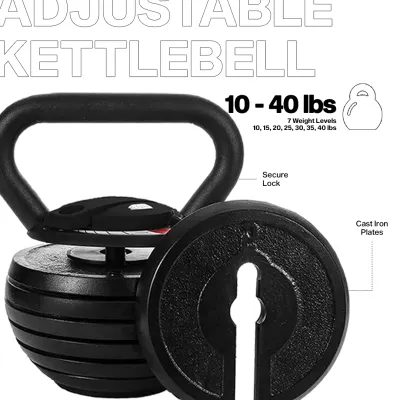
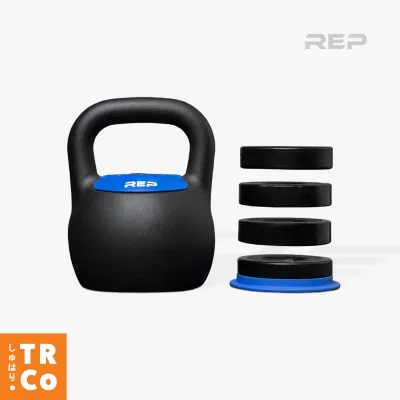
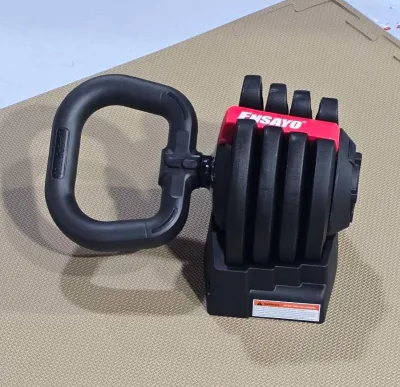
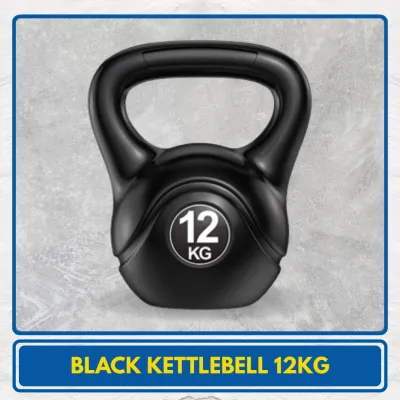
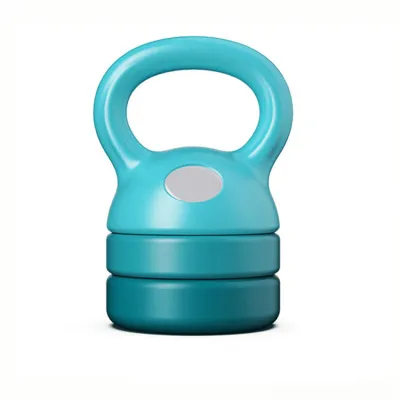
![[3KG-10KG] Kettlebell Adjustable Fitness Home Squat Dumbbell Health Weightlifting Equipment](https://img.lazcdn.com/g/p/4f9c7fdb383d127e3a7b76edbb8a3756.jpg_400x400q80.jpg_.webp)
Prices are valid at publication and may change. Please refer to the product page for the latest price.
In contrast, plate-loaded kettlebells rely on a much simpler, external mechanical design. These systems typically consist of a solid cast-iron or steel handle welded to a central vertical post, often referred to as a loadable horn. To adjust the weight, you manually slide standard or Olympic-sized weight plates onto this post and secure them using an external locking collar, such as a threaded spin-lock star collar or a heavy-duty compression clamp. Because the plates are stacked externally, the physical size and center of gravity of the kettlebell change dynamically depending on how many plates you load.
Comparing Performance and Usability
Evaluating how these mechanisms behave during actual training requires looking at real-world usability. The way you change weights, maintain your equipment, and grip the handle directly influences your workout consistency and safety.

Weight Adjustment Speed and Workout Flow
If your training program relies on high-intensity interval training (HIIT), rapid supersets, or drop sets, weight adjustment speed is paramount. Dial-adjustable kettlebells excel in these fast-paced environments. Changing the weight is a simple matter of placing the bell in its tray, twisting the dial to your target setting, and lifting it back up—a process that takes less than five seconds. This seamless transition allows you to maintain an elevated heart rate and transition between exercises without disrupting your workout flow.
Plate-loaded systems, on the other hand, require a multi-step manual process. To change the weight, you must set the kettlebell down, unscrew or unclasp the locking collar, slide off the unwanted plates, retrieve and slide on the new plates, and then securely tighten the collar back down. This process can easily take 30 to 60 seconds, which can stall your momentum during time-sensitive circuits. Additionally, plate-loaded systems require extra physical space to operate safely, as you need a flat, clear area to organize and store your loose weight plates so they do not roll away or create tripping hazards on your gym floor.
Durability, Drop Tolerance, and Maintenance
The longevity of your fitness equipment depends heavily on how well it tolerates impact and environmental conditions. Dial-adjustable kettlebells contain intricate internal moving parts, including springs, gears, and selector pins. Because of this complexity, they are highly sensitive to impact. Dropping a dial-adjustable kettlebell from overhead, or even letting it drop heavily from hip height, can misalign or crack the internal locking mechanism, rendering the entire unit useless. If you train in a humid tropical environment, such as a home garage in the Philippines, you must also be vigilant about dust, sweat, and moisture entering the internal casing, which can cause internal corrosion or jamming. Regular maintenance checks should include inspecting the dial pins for debris and ensuring the selector moves smoothly without forcing it.
Plate-loaded kettlebells are inherently more rugged because they lack delicate internal components. The solid steel handle and loadable horn can withstand significant wear and tear. However, they are not entirely indestructible; their primary vulnerability lies in the external locking collars and the threads of the post. Before every single set, you must perform a visual and physical verification to ensure the locking collar is completely tight and flush against the plates. If a collar loosens during dynamic movements like swings or cleans, the plates can shift, causing a dangerous imbalance or even sliding off entirely. Maintenance for plate-loaded systems involves regularly wiping down the threads and horns to prevent rust buildup and checking the collar for any signs of wear or thread stripping.
Handle Ergonomics and Exercise Compatibility
The physical shape of a kettlebell dictates how comfortably and safely you can perform ballistic movements. Dial-adjustable models typically maintain a consistent, shell-like outer shape. While this provides a familiar, traditional feel, the fixed shell can be quite bulky, especially at lighter weight settings where a standard kettlebell would normally be much smaller. This bulkiness can interfere with your forearm placement during cleans and snatches, or rub uncomfortably against your wrists in the rack position. You should carefully check the handle clearance—the space between the underside of the handle and the bell body—to ensure your hands can insert fully without pinching.
Plate-loaded kettlebells present a different ergonomic challenge. Because the weight plates are stacked externally, the overall footprint and center of gravity of the kettlebell change with every adjustment. If you use wide, standard-diameter plates, the kettlebell can become exceptionally wide or tall, which may interfere with your leg clearance during two-handed swings or bump against your knees. Furthermore, if the plates are not perfectly snug, the center of gravity can shift slightly during high-velocity movements, altering the trajectory of your snatches or bottom-up holds. When selecting a plate-loaded handle, it is crucial to cross-reference its physical dimensions and post length with the specific diameter of the plates you plan to use, ensuring they match your body size and exercise repertoire.
Evaluating Cost and Long-Term Value
When budgeting for your home gym, calculating the true financial investment of each system requires looking beyond the initial purchase price. To find the real value, you should calculate the cost per kilogram of usable weight. Dial-adjustable kettlebells generally command a higher upfront cost because you are purchasing a complete, self-contained engineering system that includes all the nested plates and the docking tray. While this represents a significant initial layout of several thousand pesos ₱, it provides a complete weight range immediately without requiring further purchases.
Plate-loaded kettlebells offer a highly modular, “pay-as-you-grow” financial path. The base handle itself is relatively inexpensive. If you already own compatible standard or Olympic weight plates from an existing barbell or dumbbell set, a plate-loaded handle provides an incredibly cost-effective way to add heavy kettlebell training to your routine. Even if you do not own plates, you can purchase them gradually as your strength increases, spreading the cost over several months or years. To ensure you are getting a reliable product, always check current listings on authorized sporting goods retailers in the Philippines to compare ₱ pricing, shipping fees for heavy items, and the specific warranty coverage offered for mechanical parts versus solid steel components.
Decision Framework: Choosing Your Adjustable Kettlebell
To finalize your decision, map your training goals, environment, and budget against the unique characteristics of each mechanism.
Choose Dial-Adjustable if:
- You prioritize rapid weight transitions for high-density training, such as supersets, drop sets, or fast-paced cardio circuits.
- You have limited floor space and prefer a consolidated, all-in-one footprint that sits neatly in a single docking tray.
- You prefer a consistent external shape and do not want to manage loose weight plates lying around your workout area.
Choose Plate-Loaded if:
- You prioritize maximum durability and want a rugged system that can handle heavy, high-volume strength training or outdoor workouts.
- You already own compatible standard or Olympic weight plates, making the handle-only purchase highly economical.
- You want a highly modular system that can scale to heavier weights by simply adding more or heavier plates to the loadable horn.
Verify First if:
- You plan to perform high-impact exercises where the kettlebell might be dropped, as this requires strict adherence to manufacturer drop-tolerance guidelines.
- You require specific handle clearances or window sizes for competition-style lifts, which may not align with bulky dial shells or wide plate stacks.
- You have strict budget constraints, in which case you should calculate the total cost-per-kilogram of the handle plus any additional plates you will need to buy over time.
Frequently Asked Questions (FAQ)
Is it safe to drop adjustable kettlebells during swings or snatches?
Dropping any adjustable kettlebell carries inherent risks to its locking mechanisms, whether internal or external. For dial-adjustable models, drops can easily shatter or misalign the internal gears and selector pins, voiding the warranty and ruining the equipment. For plate-loaded models, high-impact drops can strip the threads on the loadable horn or crack the locking collar, leading to catastrophic failure during subsequent lifts. To preserve the structural integrity of your equipment, you should strictly follow the manufacturer’s drop-tolerance guidelines, control the descent of the kettlebell to the floor, and use thick rubber drop pads or gym flooring to absorb impact.
Will the weight plates rattle during dynamic movements?
Rattling is a common concern that differs between the two designs. In plate-loaded systems, rattling typically occurs if the locking collars are not fully tightened or if the weight plates do not sit completely flush against each other on the horn. You can minimize this by ensuring the collars are threaded or clamped completely tight and using snug-fitting plates. In dial-adjustable models, a slight internal clicking or shifting sound can sometimes occur during dynamic movements; however, loud rattling usually indicates that the selector pin is not fully engaged in the weight groove. Always verify that the dial is clicked securely into its designated weight marker before lifting the bell from its tray.
Community discussion
Share your experience or ask a question. Comments are reviewed before publication.