
Quick Answer: Which Adjustable Kettlebell Mechanism Is Best?
Choosing the right adjustable kettlebell set depends on your training style, budget, and space. Dial-based systems are best if you prioritize speed and convenience, allowing you to change weights in seconds for fast-paced circuit training. Pin-lock systems offer a balanced middle ground, providing a secure lock and moderate adjustment speed at a more accessible price point. Plate-load systems are the ideal choice if you prioritize maximum durability, traditional feel, and the ability to load heavy weights using standard plates you might already own.
How Dial, Pin-Lock, and Plate-Load Mechanisms Work
The mechanism of an adjustable kettlebell dictates its physical profile, balance, and how you interact with it during a workout. Unlike traditional single-cast iron kettlebells, adjustable models house multiple weight increments within a single shell or frame. Understanding how these parts connect helps you evaluate their durability and suitability for dynamic movements.

Dial Adjustable Kettlebells
Dial adjustable kettlebells utilize an internal selection system operated by a rotating dial, usually located at the top of the bell or integrated into the handle. When you turn the dial to a specific weight setting, internal gears engage or disengage select steel or iron plates nested inside the outer shell. The plates that are not selected remain in the storage tray when you lift the handle.
Products mentioned in this guide
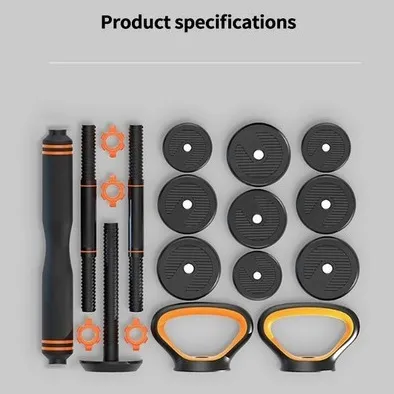
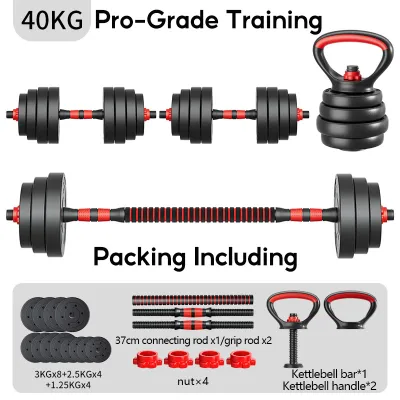
Prices are valid at publication and may change. Please refer to the product page for the latest price.
These systems typically offer weight increments ranging from 1 to 2 kilograms, allowing for smooth, progressive overload. Because the unused plates stay in the base tray, the kettlebell only weighs what you select, keeping the physical footprint compact. However, the intricate internal plastic and metal gears require careful handling to prevent misalignment.
Pin-Lock Adjustable Kettlebells
Pin-lock systems use a heavy-duty pin or selector key, similar to the weight stack pins found on commercial gym machines, to secure the plates. To adjust the weight, you slide the pin into the slot corresponding to your desired weight, which locks the internal plates to the central handle shaft. Some designs also feature a secondary locking collar or twist-lock mechanism to ensure the pin remains stationary during dynamic movements.
This design often results in a more traditional kettlebell shape, as the plates are stacked vertically inside a hollow shell. The weight distribution remains relatively centered, though you should always check the handle clearance to ensure the locking mechanism does not interfere with your wrist placement during cleans or snatches. Regular inspection of the pin’s locking mechanism is essential to prevent accidental disengagement.
Plate-Load Adjustable Kettlebells
Plate-load adjustable kettlebells are the most mechanically simple option, consisting of a hollow handle frame with a threaded loading horn or post. You manually slide individual weight plates onto the post and secure them using a heavy-duty threaded locking nut, clamp, or spinlock collar. This design allows you to use standard 1-inch or 2-inch Olympic plates, depending on the model’s post diameter.
Because there are no complex internal gears or selector pins, plate-load models are highly durable and can withstand intense training sessions. You can customize your weight increments down to fractional plates if you own them. The trade-off is a bulkier physical profile, as the outer dimensions of the kettlebell expand depending on the size and number of plates you load onto the horn.
Key Dimensions to Compare Before Buying
Adjustment Speed and Transition Efficiency If your workouts involve supersets, drop sets, or fast-paced high-intensity interval training (HIIT), adjustment speed is critical. Dial systems excel here, allowing you to change weights in under five seconds with a simple twist. Pin-lock systems require slightly more effort but still allow for relatively quick changes. Plate-load systems are the slowest, requiring you to manually unscrew the collar, add or remove plates, and tighten the collar back down, which can disrupt the flow of a high-heart-rate workout.
Structural Integrity and Rattle Dynamic kettlebell exercises like swings, cleans, and snatches subject the equipment to high centrifugal forces. Dial and pin-lock systems may exhibit a slight rattle as the nested plates move within their slots. While a minor rattle is often normal, excessive movement can affect your balance and confidence during overhead lifts. Plate-load systems, when secured tightly with a high-quality spinlock collar, offer a solid, rattle-free feel that closely mimics a traditional cast-iron kettlebell.
Long-Term Maintenance and Environmental Durability In tropical climates like the Philippines, high humidity and sweat can accelerate rust and wear on mechanical parts. Dial systems have internal gears that are difficult to clean and lubricate, making them more vulnerable to moisture buildup and internal corrosion over time. Pin-lock and plate-load systems feature exposed, easily accessible parts that you can wipe down, dry, and lubricate regularly to prevent rust.
Price-to-Weight Ratio and Investment When planning your home gym budget, consider the initial investment in ₱ relative to the total weight provided. Dial systems generally carry a higher upfront cost due to their complex manufacturing and proprietary plates. Pin-lock models offer a moderate price point. Plate-load systems are often the most cost-effective option, especially if you already own standard weight plates, as you only need to purchase the handle frame.
Decision Framework: Match the Mechanism to Your Routine
Choose Dial Systems for Fast-Paced Workouts If your training routine focuses on cardiovascular conditioning, circuit training, or rapid drop sets, a dial adjustable kettlebell is the most practical choice. The ability to transition from a heavy swing weight to a lighter press weight in seconds keeps your heart rate elevated and minimizes downtime. This system is ideal for users with limited workout space who want a clean, self-contained unit that sits neatly in a corner.
Choose Pin-Lock Systems for Balanced Versatility If you want a blend of quick adjustments and robust construction without breaking the bank, look for a pin-lock model. These sets are well-suited for traditional strength training where rest periods between sets allow ample time to move the selector pin. They offer a more traditional shape and weight distribution, making them comfortable for classic lifts like the Turkish get-up.
Choose Plate-Load Systems for Heavy Strength and Durability For lifters who prioritize heavy strength training, progressive overload, and mechanical simplicity, the plate-load system is unmatched. It is the only mechanism that allows you to safely load micro-plates for precise progression. Because of its rugged construction, it is highly resilient and can handle the wear and tear of daily, heavy use.
Verify Dynamic Movement Suitability Before performing high-velocity movements like snatches or overhead presses, verify the locking mechanism’s integrity. Complex mechanisms are not designed to be dropped on hard surfaces. If your training style involves dropping weights or high-impact contact, a traditional solid cast-iron kettlebell remains the safest option, but a plate-load system with a secure steel collar is the most durable adjustable alternative.
Essential Checks Before Purchasing an Adjustable Kettlebell Set
Handle Ergonomics and Grip Clearance Examine the handle diameter and texture before purchasing. A handle that is too thick can prematurely fatigue your grip, while a handle that is too smooth may slip when your hands get sweaty in humid conditions. Ensure there is enough clearance between the handle and the weight stack to comfortably fit both hands for two-handed swings.
Base Footprint and Floor Protection Check the design of the kettlebell’s base. Models with rubberized or flat plastic bases help protect your flooring from scratches and dents, which is especially important if you train in a condominium or tiled living space. If the base is bare metal, consider purchasing a high-density rubber gym mat to safeguard your floor.
Weight Limits and Certification Review the manufacturer’s specified weight limits and structural guidelines. Ensure the locking mechanism is rated for dynamic forces, not just static lifting. Check the warranty terms to see if mechanical failures during normal training use are covered.
Retailer Return Policies When shopping through local online marketplaces or sporting goods retailers in the Philippines, verify the return and exchange policies. Because adjustable kettlebells contain moving parts, you want the assurance of a straightforward return process if the unit arrives with a stiff dial, a misaligned pin, or damaged plates.
Frequently Asked Questions (FAQ)
Are adjustable kettlebells safe for heavy swings and snatches?
Yes, adjustable kettlebells are safe for dynamic movements, provided you verify that the locking mechanism is fully engaged before every set. Always inspect the dial, pin, or collar to ensure it is locked into the correct position. Check the manufacturer’s guidelines for dynamic load limits, and immediately stop your workout to inspect the equipment if you feel any unusual shifting or hear excessive rattling.
Can I drop an adjustable kettlebell like a solid cast-iron one?
No, you should never drop an adjustable kettlebell. Dropping these units can crack the outer plastic shells, bend selector pins, or misalign the internal gear systems of dial models, rendering them unusable. While plate-load systems are more resilient, dropping them can still damage the threaded post or strip the locking collar. Always lower the kettlebell to the floor under control to preserve its lifespan and ensure your safety.
Community discussion
Share your experience or ask a question. Comments are reviewed before publication.