
Quick Answer: Which Adjustable Dumbbell Mechanism Should You Choose?
When building a home gym, choosing the right adjustable dumbbell set is one of the most critical decisions you will make. The debate between dial-adjust and plate-loaded mechanisms ultimately comes down to your training style, spatial constraints, and budget. Dial-adjust dumbbells utilize an internal locking system that lets you select your desired weight with the turn of a dial, making them exceptionally fast to adjust and highly space-efficient. In contrast, plate-loaded dumbbells rely on traditional threaded bars and manual collars, offering unmatched durability, micro-loading capabilities, and a lower price point.
If your training relies on fast-paced workouts, supersets, or drop sets where transitions must happen in seconds, a dial-adjust system is the superior choice. However, if you are a heavy lifter who values equipment that can withstand drops, or if you are working with a tighter budget, a traditional plate-loaded set will serve you better. Neither mechanism is universally superior; the ideal option is the one that aligns with how you move, where you train, and how you track your strength progression.
How Dial-Adjust Dumbbells Work: Pros, Cons, and Best Use Cases
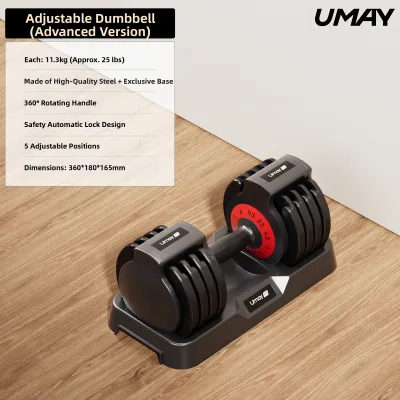
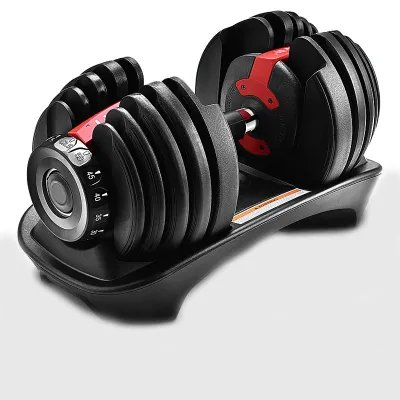
Dial-adjust dumbbells operate on a specialized selectorized system. Inside each dumbbell is a complex network of selector pins, gears, and alignment slots. The dumbbell handle rests in a custom-molded plastic or metal cradle that holds a series of individual weight plates. When you turn the dial on either end of the handle, the internal mechanism rotates, engaging the specific plates required to hit your target weight. When you lift the handle, only the selected plates are secured to the bar, while the remaining plates stay neatly resting in the cradle.
Products mentioned in this guide
Prices are valid at publication and may change. Please refer to the product page for the latest price.

The primary advantage of this design is speed. You can transition from a heavy squat weight to a lighter lateral raise weight in under three seconds, keeping your heart rate elevated and your rest periods precise. This makes them highly effective for high-intensity interval training (HIIT), circuit training, and drop sets. Additionally, they have an incredibly compact footprint. A single pair of dial-adjust dumbbells can replace up to 15 individual pairs of traditional dumbbells, saving massive amounts of floor space in small apartments or condominiums.
However, this convenience comes with distinct trade-offs. The internal gears and selector pins are precision-engineered and often contain plastic components. Because of this complexity, dial-adjust dumbbells are relatively fragile. Dropping them from even a short height can bend the pins or crack the internal gears, making the locking mechanism fail and rendering the entire set unusable. Furthermore, they feature fixed weight increments—typically 2 kg or 2.5 kg jumps—which can make micro-loading difficult when trying to progress on smaller, isolation movements. They also require a substantial upfront investment, with quality sets in the Philippines ranging from ₱10,000 to over ₱25,000.
These dumbbells are best suited for fitness enthusiasts who prioritize convenience, have limited workout space, and follow structured, fast-paced workout programs where dropping weights is not required.
How Plate-Loaded Dumbbells Work: Pros, Cons, and Best Use Cases
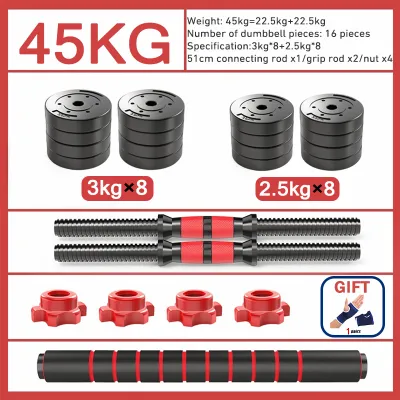
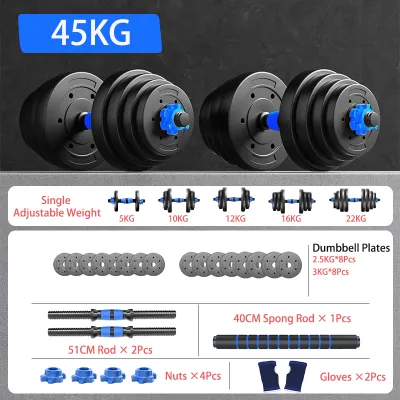
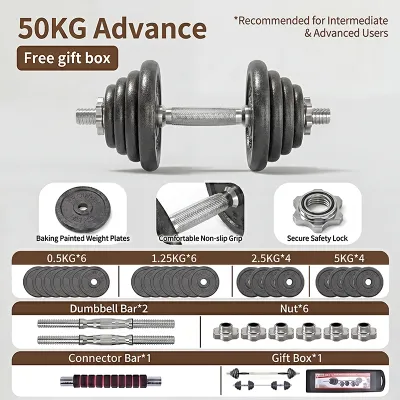
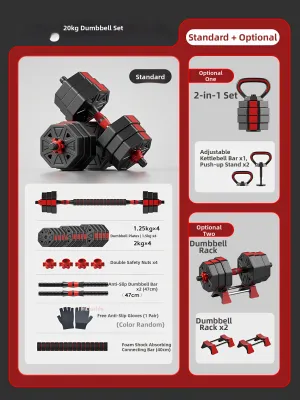
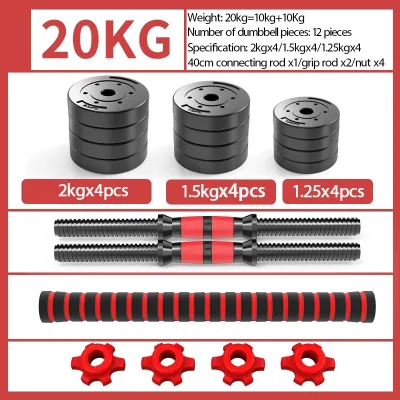
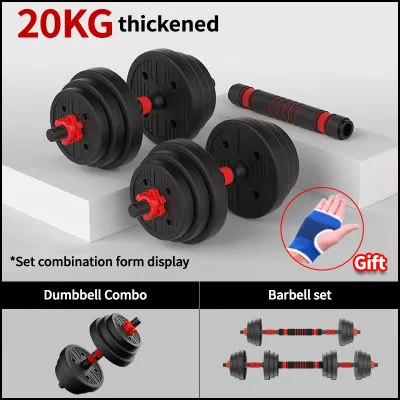
Plate-loaded dumbbells utilize a time-tested, mechanical design that has been a staple of strength training for decades. The system consists of a solid steel handle with threaded or smooth sleeves, onto which you manually slide individual weight plates. These plates—typically made of solid cast iron, steel, or rubber-coated iron—are then secured in place using star-lock collars, spring clamps, or heavy-duty compression collars.
The standout benefit of plate-loaded dumbbells is their sheer durability. Built from solid metal with no delicate internal parts, these sets are virtually indestructible. They can easily survive accidental drops, rough handling, and the high-impact environment of a garage gym. They also offer exceptional versatility for progressive overload. Because you are manually loading the plates, you can add fractional weights—such as 0.25 kg or 0.5 kg plates—to make highly precise, incremental strength gains. From a financial perspective, they are highly cost-effective, with starter sets available on local online marketplaces for as low as ₱1,500 to ₱4,000, allowing you to buy additional plates only as your strength increases.
The main drawback of plate-loaded sets is the slow and labor-intensive adjustment process. Changing weights between exercises requires you to unscrew the collars, slide plates off, select new plates, slide them back on, and tighten the collars securely. This process can easily take 30 to 60 seconds per dumbbell, which can disrupt the flow of fast-paced workouts or high-intensity circuits. They also require a larger storage footprint, as loose plates can quickly clutter your floor unless you invest in a dedicated weight tree or storage rack.
These dumbbells are ideal for traditional bodybuilders, powerlifters, and garage gym owners who prioritize heavy lifting, progressive overload, and long-term equipment durability over rapid adjustment speeds.
Head-to-Head Comparison: Dial vs. Plate-Loaded Mechanisms
To help you visualize how these two mechanisms compare in daily use, the table below outlines their performance across five critical training dimensions.
| Dimension | Dial-Adjust Dumbbells | Plate-Loaded Dumbbells |
|---|---|---|
| Adjustment Speed | Extremely fast (2-5 seconds per change) | Slow (30-60 seconds per change) |
| Durability & Drop Tolerance | Fragile; dropping can break internal gears | High; virtually indestructible |
| Weight Flexibility | Fixed increments (typically 2 kg to 2.5 kg) | Highly customizable (supports fractional plates) |
| Storage Footprint | Compact; fits entirely within a single cradle | Larger; requires a plate tree or floor space |
| Upfront Cost | High initial investment (₱10,000 – ₱25,000+) | Low to moderate (₱1,500 – ₱5,000 starter sets) |
When evaluating adjustment speed, dial-adjust systems are the clear winner. If your training routine involves drop sets—where you immediately drop the weight by 20% to continue a set to failure—the dial mechanism keeps your muscles under continuous tension without long, unwanted rest periods. With plate-loaded sets, the transition time is often too long to maintain the physiological benefits of a true drop set.
However, when looking at durability and drop tolerance, the tables turn completely. If you train to failure on heavy dumbbell chest presses or shoulder presses, your natural instinct at the end of a set might be to drop the weights to the floor. Doing this with a dial-adjust set can instantly ruin your expensive equipment. Plate-loaded sets, especially when paired with rubber gym flooring, can handle these impacts with minimal risk of structural damage.
Weight increment flexibility is another area where plate-loaded sets excel. For advanced lifters or those training smaller muscle groups like the deltoids or biceps, a 2.5 kg jump on each dumbbell is often too large of an increase, leading to failed reps or poor form. Plate-loaded sets allow you to purchase inexpensive fractional plates to increase the weight by just 0.5 kg at a time, ensuring smooth, injury-free progression.
Finally, consider your storage environment. In tropical, humid climates like the Philippines, moisture and sweat can accelerate rust. While dial-adjust plates are usually coated, their internal metal gears can still seize if exposed to high humidity and sweat. Plate-loaded sets are easier to clean, dry, and maintain, though cast iron plates will require occasional rust-prevention care.
Decision Framework: Choosing the Right Adjustable Dumbbell Set
To make your final decision, evaluate your specific training habits, physical space, and budget against these clear guidelines.
Choose a dial-adjust dumbbell set if:
- Your workouts rely heavily on supersets, drop sets, or fast-paced circuit training where long transitions would ruin your workout momentum.
- You live in a compact condominium, apartment, or shared living space where you need to keep your workout area highly organized and free of loose equipment.
- You prioritize convenience and are willing to pay a premium upfront for a clean, modern aesthetic and a seamless user experience.
- You can commit to never dropping your dumbbells on the floor, always placing them gently back into their cradles after every set.
Choose a plate-loaded dumbbell set if:
- You are building a dedicated garage gym or outdoor training space where equipment is exposed to dust, humidity, and rougher handling.
- Your training style focuses on heavy strength building, powerlifting, or traditional bodybuilding with long, structured rest periods between sets.
- You want the ability to micro-load your exercises with small, fractional plates to ensure consistent, highly precise progressive overload.
- You are building your home gym on a budget and prefer to start with a lighter, affordable setup that you can expand over time.
Neither mechanism may fit your needs if:
- You require specialized ergonomic grips or contoured handles for physical rehabilitation or joint pain management, as adjustable handles are typically straight and rigid.
- Your strength levels exceed the maximum capacity of standard adjustable sets. Most dial-adjust dumbbells top out at 24 kg or 41 kg per dumbbell. If your working weight for exercises like dumbbell rows or bench presses is higher than this, you will need to invest in heavy-duty, fixed commercial dumbbells or a full barbell and plate setup.
Before making your purchase, verify these essential factors:
- Check your available floor space to ensure you have room for a plate tree if choosing a plate-loaded set, or a sturdy, level surface for the cradles if choosing a dial set.
- Confirm the maximum weight capacity of the dial mechanism against your current strength levels and projected strength gains over the next two years.
- Review the manufacturer's warranty terms carefully, paying close attention to their policies regarding accidental drops and mechanical failures.
Maintenance and Safety Checks for Your Dumbbells
Proper maintenance is essential to keep your adjustable dumbbell set functioning safely and to protect your investment over time, especially in warm, humid environments.
For dial-adjust dumbbells, keep the storage cradles completely free of dust, hair, and gym chalk, which can migrate into the selector mechanism and cause the gears to jam. After every workout, use a dry microfiber cloth to wipe away sweat from the handle and plates. Never use wet cloths or harsh chemical cleaners that could strip away internal lubricants or accelerate rust on the locking pins. Always ensure the selector dial clicks fully and securely into your desired weight setting before lifting the handle out of the cradle.
For plate-loaded dumbbells, regularly inspect the threads of your spin-lock collars to ensure they are not stripped or worn down. If you use spring collars or quick-release clamps, test their tension frequently to ensure they still grip the bar tightly without slipping. To combat tropical humidity, occasionally apply a very light coat of silicone spray or 3-in-1 oil to the steel handles and cast iron plates, wiping off any excess to prevent a slippery grip. Always check that the plates are seated completely flush against the inner collar before tightening.
Before starting any workout session, establish a mandatory safety check. Pick up each dumbbell a few inches off the floor and give it a gentle, controlled shake. If you hear any unusual rattling, or if a plate feels loose, stop immediately. For dial sets, return the dumbbell to the cradle and re-engage the dial. For plate-loaded sets, tighten the collars until there is zero movement. Never perform overhead exercises, such as shoulder presses or tricep extensions, without completing this physical check first.
Frequently Asked Questions (FAQ)
Can you drop dial-adjust dumbbells during a heavy set?
No, you should never drop dial-adjust dumbbells. These systems are engineered with intricate internal gears, selector pins, and alignment tracks that are highly sensitive to impact. Dropping them—even from a low height onto a rubber mat—can bend the metal pins, crack the plastic casings, or misalign the internal locking mechanism. If the mechanism is damaged, the plates may not lock securely, which can cause them to slide off during a lift and lead to severe injury. Always lower dial dumbbells to the floor in a controlled, gentle manner.
Are plate-loaded dumbbells better for progressive overload?
Yes, plate-loaded dumbbells are significantly better for precise progressive overload. They allow you to manually add fractional weight plates, such as 0.25 kg or 0.5 kg, which enables you to make tiny, incremental adjustments to your working weight. This is incredibly beneficial for breaking plateaus on isolation movements like bicep curls or lateral raises. Dial-adjust dumbbells, on the other hand, are limited to their pre-set mechanical increments, which usually require jumps of 2 kg to 2.5 kg. These larger jumps can often be too aggressive for smaller muscle groups or advanced lifters.
Community discussion
Share your experience or ask a question. Comments are reviewed before publication.