
Choosing between dial-adjustable and selector-pin adjustable dumbbells comes down to how you train, how much space you have, and how you handle your gear. Neither mechanism is universally superior; instead, each serves a distinct style of strength training. By understanding the mechanical differences, you can select a system that aligns with your workout pacing, durability expectations, and progression goals. This guide provides a practical decision framework based on verifiable specifications and daily training routines, helping you make an informed investment for your home gym.
Understanding the Mechanics: Dial vs. Selector-Pin
Dial systems typically operate via a rotating mechanism located either on the ends of the dumbbell or integrated directly into the handle itself. When you turn the dial to a specific weight setting, it rotates internal gears or selector discs. These discs align with matching slots in the weight plates, locking the selected plates to the central handle while leaving the remaining plates resting in the storage cradle.
Selector-pin systems, by contrast, rely on a more manual locking method. Similar to the weight stacks found on commercial gym machines, these dumbbells use a physical pin—often made of high-strength plastic, metal, or a magnetic composite—that you insert horizontally into the side of the weight plates. Alternatively, some variations use a sliding tray or a U-shaped pin that slides underneath the desired weight stack to secure the plates to the handle.
Products mentioned in this guide
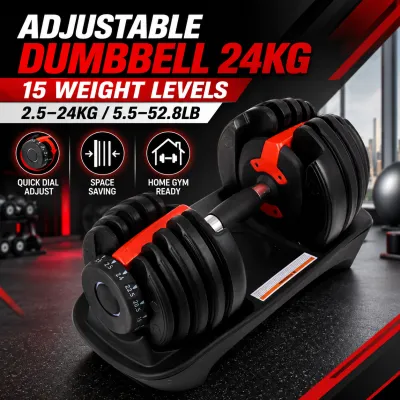
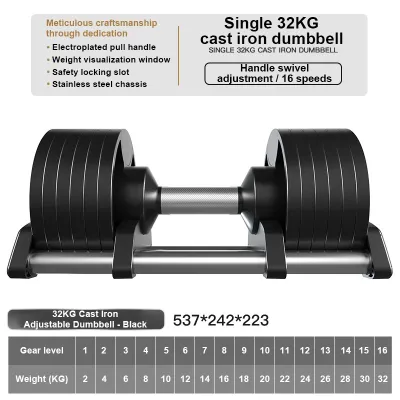
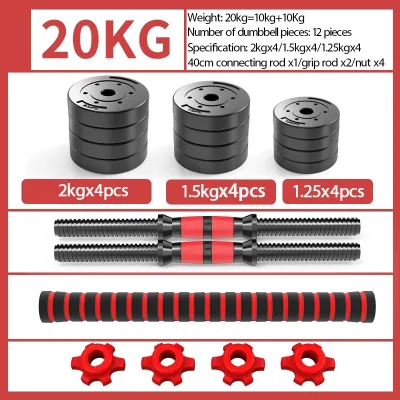
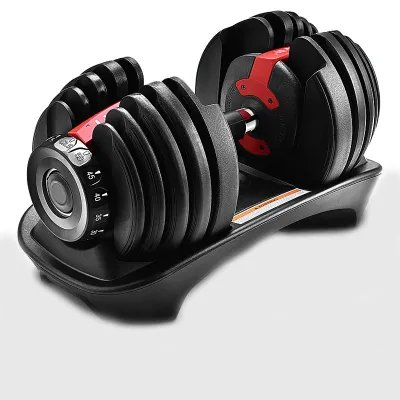
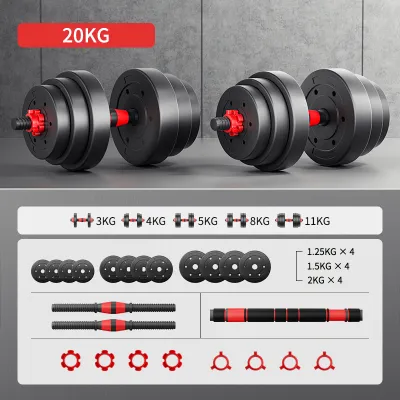
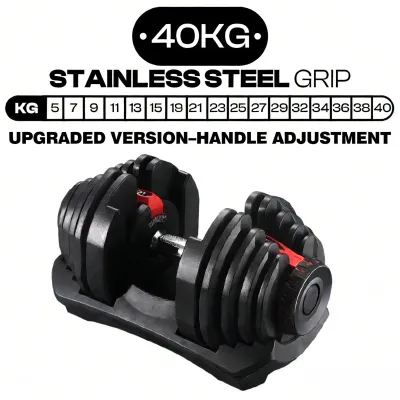
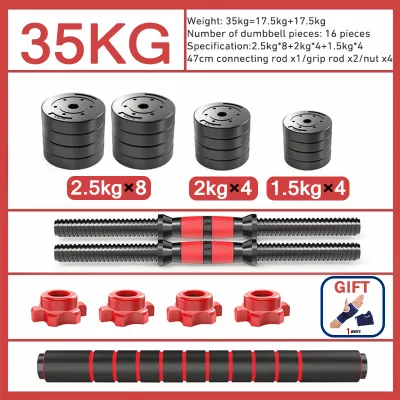
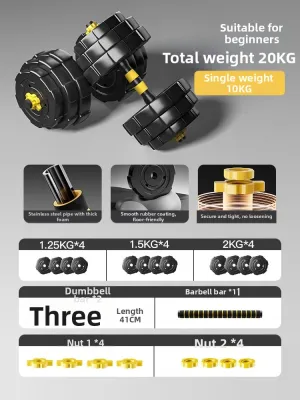
Prices are valid at publication and may change. Please refer to the product page for the latest price.
The physical locking mechanism dictates how secure the plates feel during movement. Dial systems rely on precise internal alignment, meaning the plates are held tightly with minimal rattle, provided the gears are fully engaged. Selector-pin systems often have a slightly looser fit, resulting in a minor clinking sound during exercises, but they utilize a straightforward, highly visible physical barrier to keep the plates in place.
Speed and Ease of Weight Changes
When your workout requires rapid transitions, the speed of your adjustment mechanism becomes a critical factor. Dial-adjustable dumbbells excel in fast-paced environments because they require a simple, fluid motion. You place the handle in the cradle, twist the dial to your target weight, and lift; the entire process takes only a few seconds, keeping your heart rate elevated.

Selector-pin systems require a bit more manual coordination. To change weights, you must align the dumbbell perfectly in its tray, pull the pin out, locate the correct weight slot, and push the pin back in until it is fully seated. While still relatively fast, this multi-step process can introduce minor friction points, especially if the plates shift slightly in the tray and prevent the pin from sliding in smoothly.
For high-intensity interval training (HIIT), supersets, or drop sets where rest times are strictly limited, dial systems offer a distinct advantage in pacing. However, if you are performing traditional strength training with longer rest periods between sets, the extra seconds required to adjust a selector-pin system will not negatively impact your performance. Regardless of the system, you must always verify that the dial is clicked fully into place or the pin is completely inserted before lifting to prevent plates from slipping.
Durability and Maintenance Requirements
The longevity of your adjustable dumbbells depends heavily on how the internal components handle wear, tear, and environmental factors. Dial systems feature complex internal gearing, often constructed from a combination of reinforced plastics and metals. Because these gears rely on precise alignment, they are highly sensitive to impacts; dropping a dial dumbbell even from a short distance can misalign the gears, crack the internal housing, or render the adjustment mechanism completely inoperable.
Selector-pin systems are generally more robust due to their mechanical simplicity. With fewer moving parts hidden inside the handle, there are fewer components that can fail from minor vibrations. The primary vulnerability lies in the pin itself or the alignment of the plate trays over time. If a pin becomes bent or the plastic housing on the pin cracks, it must be replaced immediately to ensure safe locking.
In tropical environments like the Philippines, high humidity and sweat can accelerate the degradation of fitness equipment. Moisture can seep into the internal gears of dial systems, leading to stiffness or corrosion that is difficult to clean without dismantling the unit. Selector-pin systems, with their open designs, are easier to wipe down, dry, and inspect for rust. Regardless of the mechanism, you should check the manufacturer’s guidelines regarding cleaning, lubrication, and dropping limits to protect your warranty and ensure safe operation.
Weight Increments and Micro-loading Capabilities
Progressive overload is the cornerstone of strength training, making the size of your weight increments highly important. Dial-adjustable dumbbells typically offer fixed, pre-determined increments, often jumping by 2 to 5 pounds (approximately 1 to 2.3 kilograms) per setting. While some advanced dial models offer smaller increments at the lower end of their weight range, the step sizes are generally locked into the gear design and cannot be customized.
Selector-pin systems often provide a different approach to progression. Because they use a simpler plate-stack design, some models allow for micro-loading through the use of small, add-on weights or magnetic fractional plates that attach directly to the ends of the dumbbell. This allows you to make smaller, incremental jumps—such as 1 pound or half a kilogram—which is highly beneficial for isolating smaller muscle groups or progressing through rehabilitation exercises.
Before purchasing, it is essential to verify the exact increment steps on the product’s specification sheet. Some heavy-duty adjustable dumbbells may have large jumps of 10 pounds (about 4.5 kilograms) between settings, which can be too aggressive for exercises like lateral raises or overhead presses. Ensure the step sizes match your current strength levels and your planned progression pathway.
Ergonomics, Grip, and Space Efficiency
The physical design of an adjustable dumbbell directly affects your range of motion and comfort during exercises. Many dial-adjustable models maintain a constant overall length, regardless of the weight selected. This means that even if you are lifting only 10 pounds, the dumbbell handle remains at its maximum length, which can interfere with your body during movements like bicep curls, lunges, or chest presses.
In contrast, some selector-pin designs feature a telescoping or nesting plate system. As you select lighter weights, the physical length of the dumbbell shortens because the unselected plates remain in the storage tray. This shorter profile provides superior ergonomics, allowing for a more natural range of motion without the risk of the dumbbell ends colliding with your torso or thighs.
Grip comfort is another variable shaped by the locking mechanism. Dial systems often require a thicker handle to house the internal rotating shaft, which may feel bulky if you have smaller hands. Selector-pin models frequently feature more traditional, knurled steel handles that mimic the feel of standard gym dumbbells. Additionally, consider the footprint of the storage base; dial systems require their specific cradles to function, whereas some selector-pin models can be stored on any flat, heavy-duty shelf, though a dedicated tray is always recommended for safety and alignment.
Decision Framework: Choosing the Right Mechanism
To choose the right adjustable dumbbell mechanism, you must evaluate your primary training style, handling habits, and space constraints.
Choose a Dial System if: Your workouts focus on fast-paced circuits, HIIT, or rapid supersets where every second counts. The quick-turn mechanism allows you to transition between exercises seamlessly. This system is also ideal if you prefer a streamlined, modern aesthetic and have a dedicated, stable surface where the dumbbells can sit safely in their cradles without risk of being knocked over or dropped.
Choose a Selector-Pin System if: Your training consists of heavy, traditional strength lifts where durability and a classic feel are paramount. If you tend to train intensely and need equipment that can withstand the occasional rough placement (though dropping should still be avoided), the simpler mechanical design of the selector-pin is more forgiving. It is also the better choice if you value a shorter dumbbell length at lighter weights or require micro-loading capabilities for precise progression.
Neither mechanism may fit if: Your training routine frequently involves dropping weights from overhead or shoulder height, such as in Olympic weightlifting or high-impact CrossFit metcons. In these scenarios, traditional fixed rubber-hex dumbbells or Olympic plates on a specialized bar are the only safe options, as no adjustable mechanism is built to survive repeated high-impact drops.
Essential Specifications to Verify Before Purchase
Before finalizing your purchase through an online marketplace or local fitness retailer, you must carefully review the product’s technical specifications. Start by checking the manufacturer’s stated maximum weight capacity and the explicit warranty terms. Pay close attention to the fine print regarding accidental drops; most warranties are immediately voided if the adjustment mechanism fails due to impact.
Next, verify the physical dimensions of the dumbbell at both its minimum and maximum weight settings. Measure your workout space and any existing storage racks to ensure the footprint fits comfortably. If you plan to use a dumbbell stand, confirm that the stand’s mounting plate is compatible with the specific cradle or tray shape of your chosen model.
Finally, confirm the availability of replacement parts and authorized service centers within the Philippines. Because adjustable dumbbells rely on proprietary parts—such as specific selector pins, replacement dials, or individual weight plates—sourcing these items locally can save you significant time and shipping costs if a component ever wears out. Opt for reputable distributors who offer clear customer support channels to ensure your investment remains functional for years to come.
Frequently Asked Questions (FAQ)
Can I drop adjustable dumbbells during a workout?
No, you should never drop adjustable dumbbells. Both dial and selector-pin systems contain precise mechanical parts, alignment tabs, and locking pins that can easily bend, crack, or misalign upon impact. Dropping them not only voids the manufacturer’s warranty but also creates a severe safety hazard, as damaged locking mechanisms can cause heavy weight plates to slide off unexpectedly during an exercise. Always place the dumbbells gently back into their designated cradles or trays when completing a set.
Do adjustable dumbbells require regular maintenance?
Yes, basic upkeep is necessary to keep the adjustment mechanisms operating smoothly and safely. Keep the dumbbells, plates, and storage trays free from dust, sweat, and moisture by wiping them down with a dry microfiber cloth after every workout. Avoid using harsh chemical solvents or heavy oils, which can degrade plastic components or attract dirt into the gears; instead, consult your product manual for specific instructions on approved lubricants or tightening procedures for loose screws.
Community discussion
Share your experience or ask a question. Comments are reviewed before publication.