
Choosing the right scoreboard for basketball depends heavily on your court’s location, budget, and the level of competition you host. Digital electronic scoreboards are well-suited for indoor gymnasiums, commercial sports centers, and schools hosting official tournaments where high visibility, precise timing, and multi-functional tracking are required. Conversely, manual flip-card scoreboards are highly practical for outdoor community courts, casual barangay leagues, school practice drills, and rugged environments where budget constraints are tight and access to stable electrical power is limited. By evaluating your specific venue conditions and operational needs, you can select a scoring system that enhances the game experience without exceeding your resources.
Core Differences in Operation and Visibility
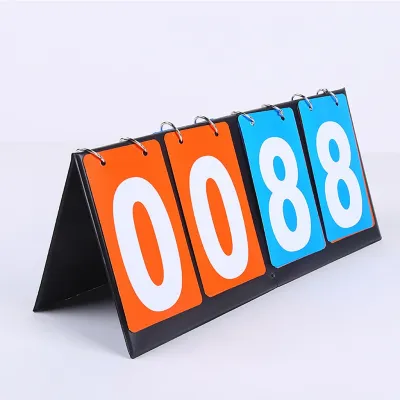
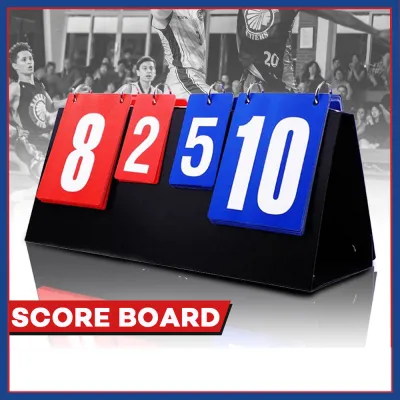
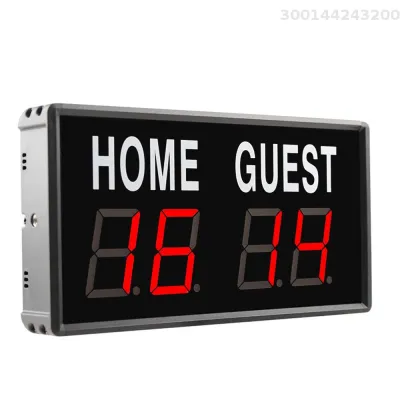
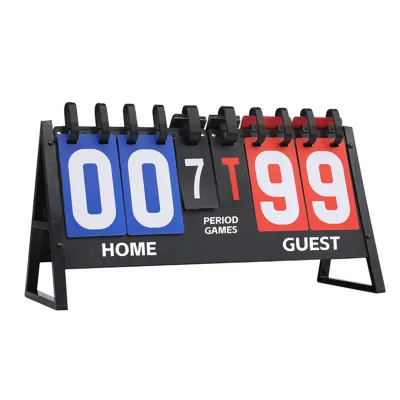
Digital scoreboards rely on electronic consoles, wireless remotes, or mobile applications to update scores, control game clocks, and manage possession arrows. This centralized control allows a single operator sitting at a scorer’s table to manage the entire game flow seamlessly. Manual flip-card scoreboards require physical interaction, where an operator must manually turn over plastic or cardboard numbers. This physical process is straightforward and reliable, but it requires the operator to stand directly next to the board, which can sometimes distract from rapid game actions.
Visibility and viewing angles also differ significantly between the two types. Digital models utilize bright LED or LCD displays that offer high contrast, making them readable from across a large indoor hall even under bright overhead gym lighting. However, direct tropical sunlight can wash out some electronic screens unless they are specifically rated for high-brightness outdoor use. Manual flip scoreboards rely on high-contrast printed numbers, often white on black or red on white. While highly legible at close to medium range, their visibility drops significantly in low-light conditions or at extreme viewing angles, as they lack active illumination.
Products mentioned in this guide

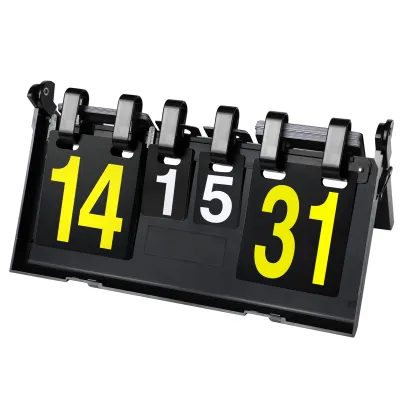
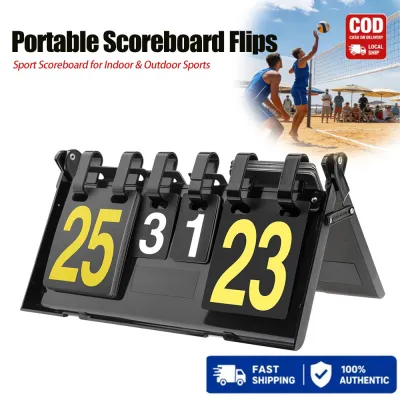
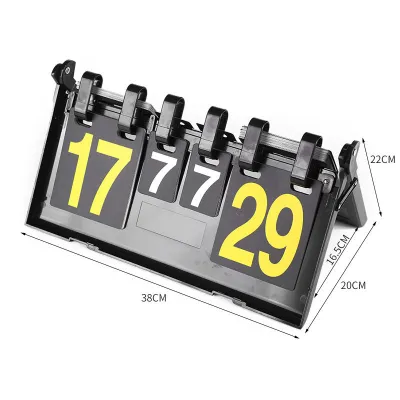
Prices are valid at publication and may change. Please refer to the product page for the latest price.
Furthermore, a digital scoreboard for basketball often serves as a multi-functional hub, integrating a running game clock, period indicators, team foul trackers, and sometimes shot clock synchronization. These features are essential for official tournament play governed by standard basketball rules. In contrast, manual flip boards are strictly limited to basic scorekeeping and occasionally period tracking. Any timing or foul tracking must be managed separately using stopwatches and manual tabletop indicators, adding to the administrative workload of the officiating staff.
Venue and Environmental Suitability
Outdoor courts in tropical climates face intense heat, high humidity, sudden downpours, and dust. Manual flip-card scoreboards excel in these rugged environments because they lack sensitive electronic circuitry that can short-circuit when wet. High-quality manual boards use weather-resistant plastics and rust-resistant metal rings to withstand moisture and UV exposure. Electronic scoreboards, unless housed in specialized weatherproof enclosures with high Ingress Protection (IP) ratings, are highly vulnerable to humidity-induced corrosion and water damage.

Indoor sports facilities provide a controlled environment where digital scoreboards can thrive. These venues typically offer easy access to stable power outlets, eliminating the need for battery management. The indoor lighting conditions are perfectly suited for LED displays, ensuring maximum readability for players, coaches, and spectators. Installing a digital system indoors also protects the investment from the elements, ensuring a much longer operational lifespan for the electronic components.
Installation and mobility are also key factors to consider. Digital scoreboards are often heavy and require secure wall-mounting or sturdy, wheeled floor stands to prevent tipping. They also require careful cable management to avoid tripping hazards if they are not fully wireless. Manual scoreboards are highly portable, often featuring lightweight, folding tabletop designs or simple hanging hooks. This portability makes them incredibly easy to transport in a sports bag, set up on any available table, and store securely in an equipment locker after the game.
Budget and Maintenance Considerations
Purchasing a digital scoreboard involves a significant initial financial commitment. The cost includes not only the display unit itself but also the control consoles, remote controls, mounting hardware, and potentially professional installation fees. For community centers or local schools working with limited sports budgets, this can represent a major portion of their annual funding. Manual flip-card scoreboards are highly economical, allowing organizations to acquire multiple units for the price of a single entry-level digital system.
Digital systems require ongoing technical vigilance. Operators must check battery levels in wireless remotes, inspect power cables for wear, and occasionally troubleshoot software glitches or dead LED segments. If an electronic component fails, repairs often require specialized technical assistance or replacement parts from the manufacturer. Manual scoreboards require minimal maintenance, usually limited to wiping down the plastic cards to remove dust and sweat, and occasionally applying a drop of lubricant to the metal hinges to prevent rust in humid coastal areas.
When planning court upgrades, it is crucial to balance the scoreboard investment against other essential equipment needs. If your facility still requires high-quality basketball hoops, durable nets, proper court marking paint, or adequate safety padding, opting for a reliable manual scoreboard can free up valuable funds. Conversely, if your venue aims to host profitable local leagues or commercial tournaments, investing in a digital scoreboard can elevate the professional appeal of the court, potentially attracting more paying teams and spectators.
Feature Comparison Matrix
The following matrix summarizes the key operational differences between digital and manual scoreboards to help you evaluate which system aligns with your court’s requirements.
| Feature | Digital Scoreboard | Manual Scoreboard |
|---|---|---|
| Power Requirement | Requires AC power or rechargeable batteries | None (fully mechanical) |
| Visibility Range | High (bright LEDs visible from long distances) | Moderate (limited by card size and ambient light) |
| Portability | Low to Moderate (heavy, requires stands/mounts) | High (lightweight, folding, tabletop designs) |
| Additional Functions | Integrated timer, fouls, shot clock sync | Basic score and period tracking only |
| Weather Resistance | Low (requires specialized outdoor housing) | High (weatherproof plastics and rust-resistant rings) |
| Setup Complexity | Moderate (cabling, remote pairing, mounting) | Low (instant deployment on any flat surface) |
Decision Framework: Which Scoreboard Should You Buy?
To make the final decision, evaluate your specific use cases and venue constraints. Choose a digital scoreboard if you are managing a dedicated indoor gymnasium, school sports complex, or commercial court that hosts formal league games. If your games require strict adherence to official timing rules, including shot clocks and synchronized game timers, a digital system is indispensable. It provides the professional atmosphere and precise tracking that competitive players and referees expect during high-stakes matchups.
Choose a manual scoreboard if you are equipping an outdoor barangay court, a backyard setup, or a school physical education department focused on casual drills and recreational play. If your venue lacks reliable electrical outlets near the court, or if you need a highly portable solution that can be packed away in seconds, a manual flip board is the most practical choice. It offers excellent durability against the elements at a fraction of the cost, allowing you to allocate your budget in ₱ toward other critical facility upgrades.
Before making a final purchase, always verify the physical constraints of your court. Check the exact locations of your power outlets to determine if a digital board will require extensive cabling. Review your local league’s official rulebook to ensure any digital system you buy complies with their specific timing and display requirements. Finally, assess your storage facilities to confirm you have a secure, dry space to store portable scoreboards when they are not in use.
Frequently Asked Questions (FAQ)
Can I use a digital scoreboard outdoors? (FAQ)
Yes, but only under specific conditions. You must verify that the digital scoreboard is explicitly rated for outdoor use, which typically requires a high Ingress Protection (IP) rating to guard against dust and rain. Standard indoor digital scoreboards should never be used outdoors without a specialized weatherproof enclosure, as even minor moisture can cause permanent electrical damage. Additionally, check the manufacturer’s specifications regarding UV resistance to ensure the display screen will not degrade or become unreadable under direct sunlight.
How do I maintain a manual flip-card scoreboard? (FAQ)
Maintaining a manual scoreboard is simple but essential for longevity in humid environments. Regularly wipe down the plastic flip cards with a damp cloth and mild soap to remove dirt, sweat, and oils that can cause the cards to stick together. Periodically inspect the metal rings or hinges that hold the cards; applying a small amount of silicone lubricant can prevent rust and ensure smooth flipping. Store the scoreboard in a dry, shaded area when not in use to prevent the plastic cards from warping or fading due to prolonged heat and sun exposure.
Community discussion
Share your experience or ask a question. Comments are reviewed before publication.