
Choosing the right wetsuit for diving in the tropical waters of the Philippines is a balancing act between staying warm during repetitive dives and avoiding overheating on the surface. While the country is famous for its warm, clear waters, thermal protection remains a critical safety consideration. A diver’s body loses heat up to 25 times faster in water than in air, making proper insulation essential even in equatorial climates. However, no equipment can replace formal training, dive planning, and sound personal judgment. Recognizing your physical limits and knowing when to call off a dive due to cold or fatigue are fundamental safety practices.
For most recreational divers exploring the Philippines, a 3mm full wetsuit serves as the most versatile, all-around choice. It provides the ideal balance of thermal retention for multi-dive days and physical protection against marine stingers. However, depending on your specific dive profile, depth, and the season, your needs may shift. Shallow, warm-water excursions often only require a 1mm to 2mm shorty or rash guard, whereas deep technical dives, night dives, or extreme thermoclines might call for a 5mm wetsuit. Understanding how to match these thickness specifications to local environments ensures you stay comfortable, safe, and focused on your dive.
Decoding Wetsuit Thickness: How Millimeters Translate to Warmth
Wetsuit thickness is universally measured in millimeters (mm), represented either by a single number or a slashed notation. A single number, such as 3mm, indicates that the entire suit is constructed from a uniform thickness of neoprene. In contrast, a dual notation like 3/2mm denotes a hybrid design: the first number represents the thickness of the neoprene panels covering your core and torso to preserve vital organ warmth, while the second number indicates thinner neoprene in the limbs to maximize flexibility and ease of movement.
Products mentioned in this guide
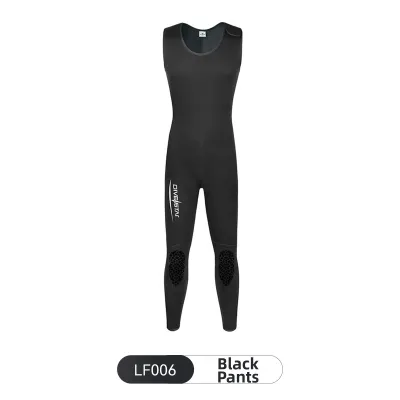
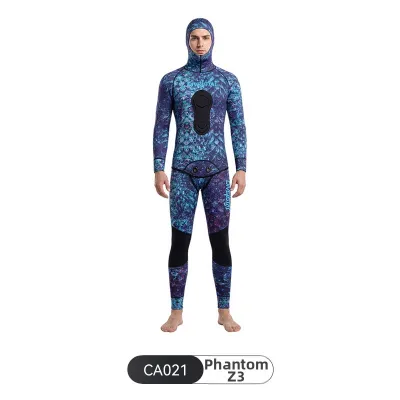
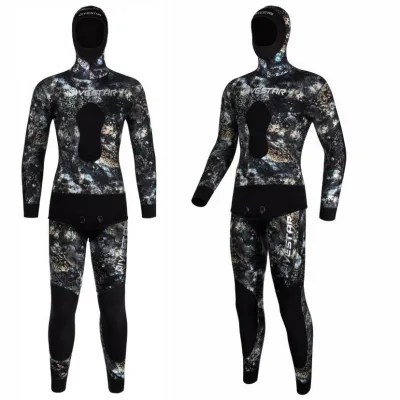
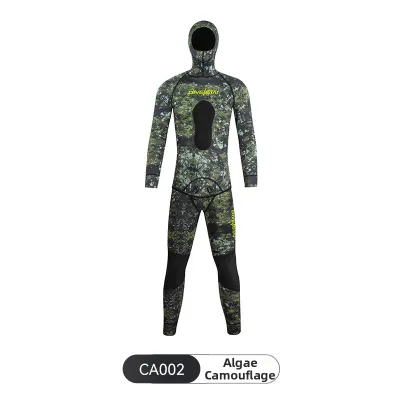
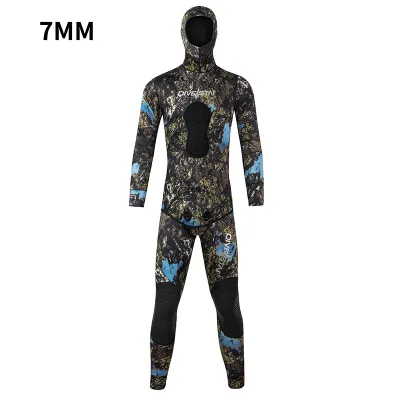
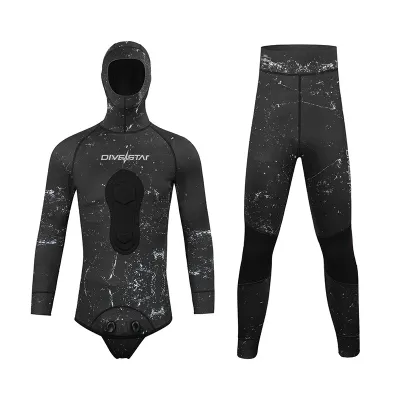
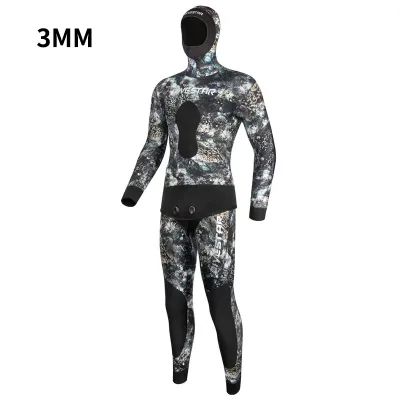
Prices are valid at publication and may change. Please refer to the product page for the latest price.
Neoprene functions as a thermal barrier by trapping a microscopic layer of water between the material and your skin. Your body heat quickly warms this trapped water, creating a personal insulation envelope. For this system to work efficiently, the suit must fit properly; if water is allowed to circulate freely, your body will constantly expend energy warming new, cold water.
In tropical environments like the Philippines, thicker is not automatically better. Wearing an excessively thick suit in warm climates can lead to rapid overheating during surface intervals or long boat rides under the tropical sun. Furthermore, thicker neoprene contains more tiny gas bubbles, which increases your positive buoyancy. This requires you to carry more lead weight to descend, altering your trim and increasing physical exertion. Thicker material also restricts joint mobility, making swimming and gear adjustments more tiring.
Environmental Baseline: Water Temperatures Across Philippine Dive Sites
The Philippines boasts some of the most biodiverse marine environments in the world, with water temperatures generally hovering between a comfortable 27°C and 30°C throughout most of the year. Popular diving destinations such as the Visayas (including Moalboal and Panglao), Palawan (El Nido and Coron), and Batangas (Anilao) offer warm surface and shallow-water temperatures that make diving highly accessible.

However, surface conditions can be highly deceptive. As you descend, you will often encounter thermoclines—abrupt boundaries where water temperature drops significantly. In deeper sites like the Tubbataha Reefs Natural Park or the deep drop-offs of Malapascua, temperatures can plunge to 24°C or lower at depth. Seasonal changes also play a major role; during the northeast monsoon (Amihan), which typically runs from November to April, upwellings of cold, deep-ocean water can lower coastal temperatures unexpectedly.
Another critical factor is the physiological toll of repetitive diving. Even in 28°C water, your core body temperature gradually declines over consecutive dives. While you might feel perfectly warm during your first morning dive, by your third or fourth dive of the day—especially on liveaboard trips—you are highly likely to feel chilled.
Before packing your gear, always verify current local conditions with your chosen dive operator. Surface temperatures published online rarely reflect the actual conditions at 30 meters, where cold currents and thermoclines dictate your thermal needs.
Matching Divestar Thickness Specs to Your Dive Profile
Selecting the right Divestar wetsuit requires looking beyond the general climate and analyzing your specific diving style, depth limits, and personal physiology. Some divers naturally run cold due to lower body fat or circulation differences, while others generate more heat through constant movement. Matching your profile to the correct neoprene thickness will optimize both your safety and enjoyment.
1mm to 2mm (Rash Guards and Shorties) for Warm, Shallow Dives
When water temperatures consistently exceed 28°C, heavy insulation is rarely necessary for short, shallow dives. For these conditions, Divestar’s 1mm to 2mm options—including shorties and reinforced rash guards—provide a lightweight solution. These garments are highly favored by freedivers, snorkelers, and recreational scuba divers executing single, shallow reef dives.
While these thin options offer minimal thermal retention, they serve a vital protective purpose. They shield your skin from intense tropical UV rays during long surface swims and provide a physical barrier against jellyfish stings, hydroids, and minor, accidental contact with abrasive surfaces. They are also exceptionally easy to don and doff, making them highly convenient for casual beach entries.
3mm Full Suits for Standard Tropical Diving
For the vast majority of recreational divers in the Philippines, a 3mm full suit is the versatile standard. This thickness is ideal for water temperatures ranging between 26°C and 28°C. If you plan to conduct multiple dives a day, explore deeper reefs, or participate in night dives, a 3mm full suit provides the sustained thermal protection required to combat gradual heat loss.
A full-length 3mm suit covers your arms and legs completely, offering comprehensive protection against marine hazards while maintaining excellent flexibility. It strikes an optimal balance for buoyancy control, requiring only a moderate amount of ballast weight to neutralize. Whether you are navigating the currents of Apo Island or exploring the macro havens of Anilao, a 3mm suit is highly versatile.
5mm and Above for Deep, Night, or Extended Dives
While a 5mm wetsuit might seem excessive for a tropical country, certain specialized diving scenarios make it a necessity. If you are planning deep wreck penetration in Coron, technical trimix dives, or extended night dives where movement is minimal, a 5mm suit becomes crucial for preventing hypothermia. It is also highly recommended for divers who are exceptionally sensitive to the cold or those completing intensive liveaboard itineraries with four or more dives daily.
However, opting for a 5mm suit involves clear trade-offs. The increased thickness adds significant positive buoyancy, meaning you must adjust your weight system and carry more lead. The denser neoprene also reduces flexibility around the shoulders and knees, which can increase air consumption due to the extra effort required to swim. Always evaluate whether your specific dive plan genuinely warrants this level of insulation before committing to a thicker suit.
Critical Construction Specs That Affect Thermal Retention
A wetsuit’s thickness rating is only one part of the thermal equation. How the suit is constructed plays an equally vital role in keeping you warm. The most common failure point in wetsuit performance is the “flushing effect.” If a suit is too loose around the neck, wrists, or ankles, cold water will constantly flood the interior, pushing out the water your body has already warmed. To prevent this, prioritize an anatomical, snug fit that molds closely to your body shape without restricting breathing.
Seam construction is another critical variable that dictates water entry:
- Flatlock stitching: Involves stitching panels together in a way that leaves visible interior seams. While highly durable and flexible, flatlock seams allow small amounts of water to pass through, making them best suited for warm-water suits of 1mm to 2mm.
- Glued and Blind-Stitched (GBS) seams: The neoprene panels are glued together and then stitched only halfway through the material. This creates a completely waterproof seal, preventing cold water from seeping through the seams—an essential feature for 3mm and 5mm suits used in deeper, cooler waters.
Zipper design also impacts thermal efficiency. Back-entry zippers are generally easier to step into but can allow more water entry along the spine unless equipped with a protective interior flap. Chest-entry zippers offer a superior seal and greater shoulder flexibility but require more effort to put on.
Before purchasing, always consult the manufacturer’s specific sizing chart. Take accurate measurements of your chest, waist, hips, and torso length rather than relying on generic clothing sizes, as a precise fit is the single most important factor in wetsuit performance.
Frequently Asked Questions (FAQ)
Do I need a hood for diving in the Philippines?
For standard, shallow recreational dives in warm water, a hood is rarely necessary. However, because you lose a significant portion of body heat through your head, a thin 1.5mm or 3mm hood can be a highly effective addition for deep, repetitive, or technical dives. If you find yourself shivering toward the end of a long dive day despite wearing a 3mm suit, adding a hood is a compact, low-buoyancy way to boost your thermal retention without switching to a thicker, heavier wetsuit.
Can I use a surfing wetsuit for scuba diving?
It is highly recommended to use a dive-specific wetsuit rather than a surfing wetsuit. Surfing suits are engineered for maximum surface flexibility and paddling mobility, using highly stretchable, gas-blown neoprene. When subjected to the ambient pressure of scuba diving, this type of neoprene compresses rapidly, losing its thickness and insulation properties at depth. Scuba-specific wetsuits utilize denser, compression-resistant neoprene designed to maintain its structural integrity and thermal efficiency even under pressure.
Community discussion
Share your experience or ask a question. Comments are reviewed before publication.