
Selecting the right diving flashlights for night diving in the Philippines requires looking past peak marketing numbers and focusing on real-world underwater performance. The country’s tropical waters offer incredible marine biodiversity, but they also present unique environmental factors like high humidity, suspended plankton, and varying visibility. To make an informed decision, you must evaluate how specific technical features translate to actual underwater conditions.
A reliable dive light is your primary safety tool and your window to the nocturnal marine world. Whether you are exploring deep walls or searching for macro critters in sandy muck, understanding specifications like sustained lumen output, beam angles, depth ratings, and battery runtimes ensures you choose a tool that keeps you safe and enhances your underwater experience.
Brightness and Beam Angle: Matching Light to Your Night Dive
When evaluating brightness, look past the maximum lumen rating on the box. This peak output is often a temporary boost mode that lasts only a few minutes before thermal protection circuitry lowers the brightness to prevent overheating. For night diving, focus on sustained lumen output—the actual brightness the light maintains over a standard 50-to-60-minute dive. Always check the manufacturer’s burn-time charts to see how the light output behaves over time.
Products mentioned in this guide
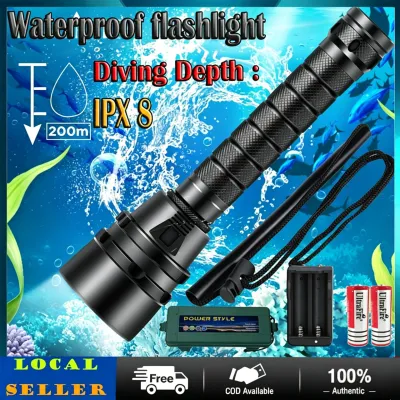
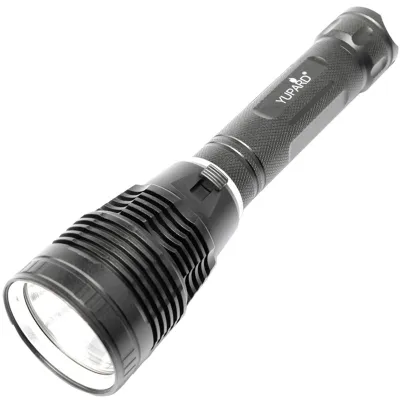
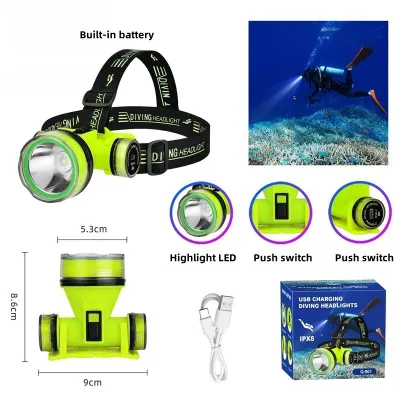
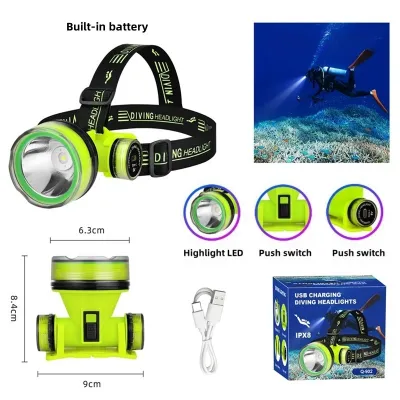
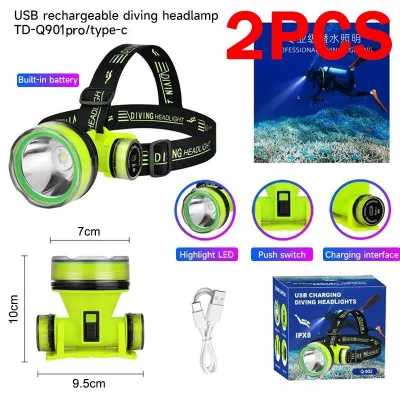
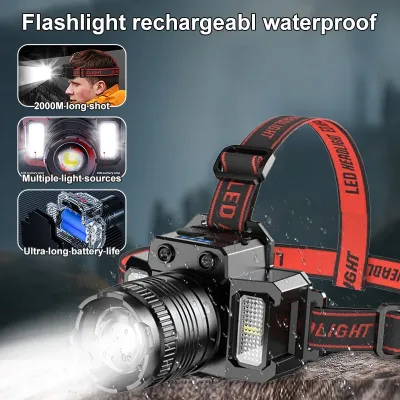
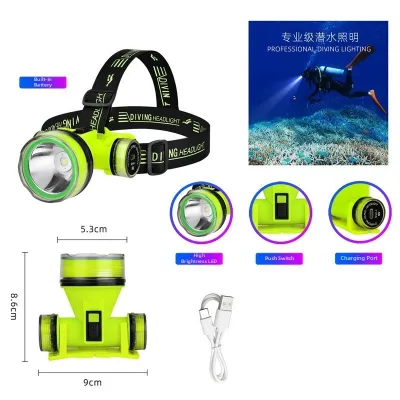
Prices are valid at publication and may change. Please refer to the product page for the latest price.
The shape of the beam is just as critical as its intensity. A narrow spot beam (typically 8 to 12 degrees) concentrates light into a tight, penetrating column. This is highly effective for cutting through plankton-heavy tropical waters, signaling your dive buddy, and peering into deep crevices. However, a tight beam can create a harsh hotspot that washes out colors when viewed up close.
Conversely, a wide flood beam (usually 60 to 120 degrees) distributes light evenly across a broad area. This is the preferred choice for underwater photographers and macro enthusiasts who want to illuminate an entire scene without harsh shadows. The trade-off is that wide beams scatter quickly in low-visibility water, making them less effective for signaling or long-distance navigation.
Before purchasing, consider your dive sites. Some local dive operators and marine sanctuaries in the Philippines have specific guidelines regarding light pollution and marine life sensitivity. High-intensity beams can blind or disturb sleeping marine life, such as green sea turtles or resting parrotfish. Choosing a light with adjustable power levels allows you to dial down the brightness when observing sensitive creatures up close.
Depth Ratings and Seals: Verifying Waterproof and Pressure Limits
Understanding the difference between surface water resistance and true underwater pressure ratings is vital for safety. Many general-use tactical lights carry an IPX8 rating, which only guarantees protection against temporary submersion at shallow depths, typically up to 1.5 or 3 meters. For scuba diving, you must select a light with a dedicated depth rating measured in meters or feet of actual water pressure, typically starting at 60 meters (200 feet) or deeper.

Always verify the maximum operating depth printed on the product label or detailed in the user manual. This rating must comfortably exceed your personal certification limits and your planned dive profile. For instance, if you are an Advanced Open Water diver planning a deep night dive to 30 meters, using a light rated only to 20 meters risks immediate housing collapse, switch failure, or water ingress due to pressure.
The integrity of your light relies almost entirely on its sealing system, which usually consists of one or more rubber or silicone O-rings. Before every dive, open the battery compartment to inspect these seals. Look for hair, sand, lint, or tiny cracks that could compromise the seal under pressure. Following the manufacturer’s instructions for cleaning and applying a thin layer of compatible silicone grease is essential to keep the O-rings pliable.
Power Sources and Burn Time: Planning for Underwater Reliability
Choosing between rechargeable battery systems and standard disposable cells is a matter of travel logistics and environmental responsibility. Rechargeable lithium-ion batteries, such as the common 18650 or 21700 sizes, offer more consistent sustained voltage, keeping your light brighter for longer compared to alkaline batteries. However, if you are traveling to remote island destinations with limited or unstable power grids, ensure you have a reliable way to charge your batteries between dives.
To plan safely, calculate your required burn time by adding a conservative safety margin to your planned bottom time. If your typical night dive lasts 50 minutes, your primary light should have a verified burn time of at least 90 to 120 minutes at your preferred brightness setting. This extra capacity ensures you still have functional light during safety stops, surface intervals, or in the event of an unexpected delay.
Although Philippine waters are warm, typically ranging from 26°C to 30°C, water conducts heat away from battery compartments much faster than air. This cooling effect can benefit high-powered LED lights by preventing overheating, but deeper thermoclines can still affect battery discharge rates. Check the manufacturer’s specifications to see how the battery performs under different thermal conditions to avoid unexpected power drops.
Build Materials and Corrosion Resistance: Surviving Saltwater
Saltwater is highly corrosive, making the housing material a key factor in the lifespan of your gear. High-quality diving flashlights are typically constructed from hard-anodized aluminum (often grade 6061-T6) or high-grade engineering polymers. Anodized aluminum offers excellent structural strength and heat dissipation, while polymer bodies are lightweight, highly impact-resistant, and highly resistant to saltwater corrosion.
To prevent salt crystallization from damaging your light, establish a strict post-dive maintenance routine. After every saltwater dive, soak the entire light in clean, warm freshwater for at least 10 to 15 minutes. While the light is submerged, operate the switches and rotating bezels several times to flush out trapped salt deposits. Dry the exterior completely with a clean towel before opening the battery compartment to prevent stray water droplets from entering the electronics.
Never use unauthorized lubricants, household oils, or harsh chemical solvents to clean your light or lubricate the threads. These substances can rapidly degrade rubber O-rings, cause plastic housings to crack, or strip away protective anodized coatings. Stick strictly to the manufacturer-recommended lubricants to maintain the structural integrity of your light’s seals.
Building Your Night Dive Flashlight Shortlist
To finalize your selection, match your primary diving style to the appropriate specifications. If you enjoy shallow muck diving or macro photography, prioritize a light with a wide flood beam, high color accuracy, and multiple output modes. If you prefer deep wall dives, drift diving, or wreck exploration, prioritize a tight spot beam with high penetration, a deep depth rating, and a long burn time.
Physical ergonomics are just as important as technical specifications. Ensure the light features a switch mechanism—such as a magnetic slider or a large push-button—that you can easily operate while wearing thick neoprene gloves. Check the product dimensions and weight to ensure it fits comfortably in your hand, and verify that it has a secure attachment point for a heavy-duty lanyard or bolt snap.
Finally, consult with local dive professionals or dive shops in the Philippines before making your final purchase. These experts have firsthand experience with which brands and models withstand the daily rigors of tropical saltwater diving. Benchmarking your shortlist against the rental gear used by busy dive centers is an excellent way to identify highly durable, reliable, and easily serviceable equipment.
Frequently Asked Questions (FAQ)
Can I use a regular tactical flashlight for night diving?
No, regular tactical flashlights are not designed to withstand the intense pressure of scuba diving depths. They typically lack the robust double or triple O-ring seals found on dedicated dive lights, leading to immediate flooding at depth. Additionally, standard clicky switches can be compressed and held down permanently by water pressure, rendering the light useless or causing it to overheat underwater.
How do I prevent my diving flashlight from turning on accidentally in my dive bag?
To prevent accidental activation, which can cause extreme heat buildup and drain your battery before a dive, always use the physical or electronic lockout features specified in your user manual. For many lights, this involves unscrewing the tail cap or light head by a half-turn to break the electrical contact. For high-powered models, physically removing the batteries during travel is the safest way to prevent accidental activation.
Community discussion
Share your experience or ask a question. Comments are reviewed before publication.