
When preparing for a dive in the vibrant waters of the Philippines, from the deep walls of Balicasag to the rich coral gardens of Anilao, a reliable light source is one of your most critical safety tools. But as you browse for gear, the specifications can be incredibly confusing. You will see some torches labeled “IPX8 waterproof,” while others proudly boast a “100-meter depth rating.”
To make a safe choice, you must understand that a standard IPX rating is rarely sufficient for scuba diving. For any underwater activity deeper than surface snorkeling, you need a dedicated diving flashlight with an explicit depth rating—ideally at least 50 to 100 meters for recreational scuba. Relying on generic water-resistance labels can lead to sudden equipment failure, leaving you in complete darkness when you need light the most.
Before packing your gear, keep in mind that high-performance equipment is never a substitute for proper dive training, strict buddy checks, and conservative dive planning. Always operate within your certified depth limits, carry a backup light, and know when to safely abort a dive if your equipment malfunctions.
Products mentioned in this guide
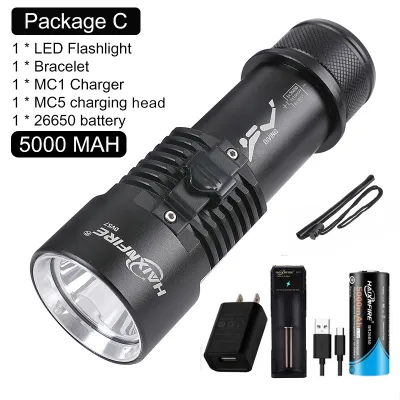
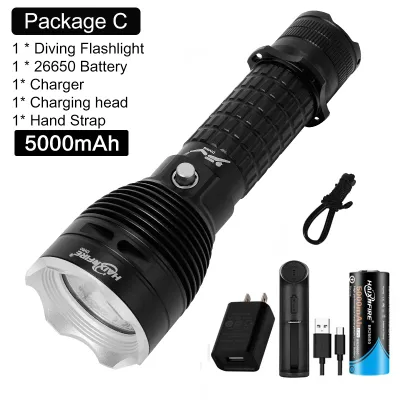
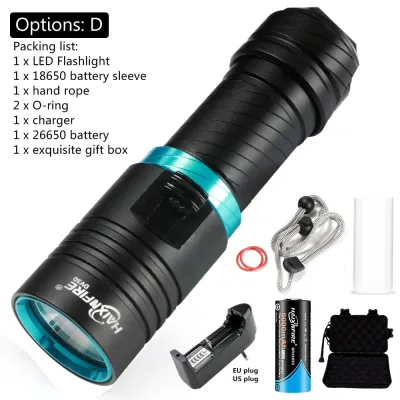
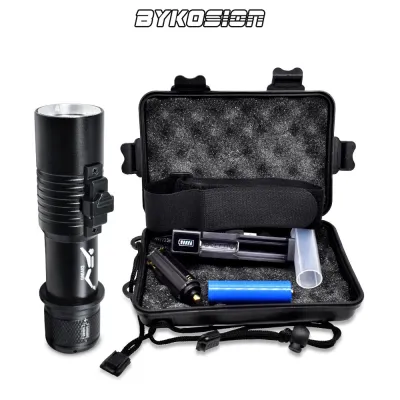
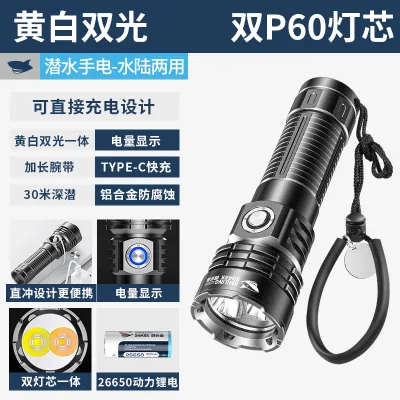
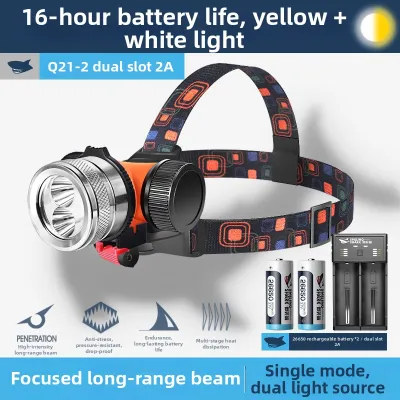
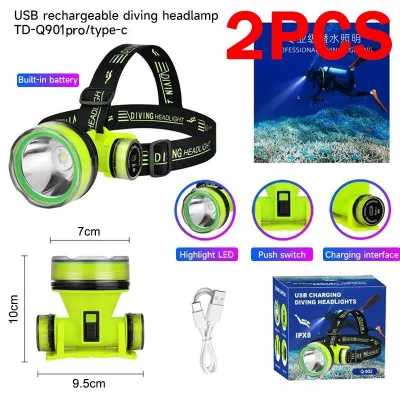
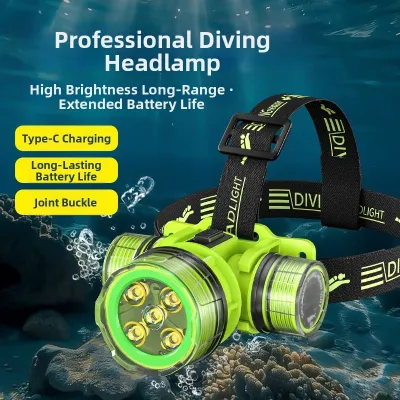
Prices are valid at publication and may change. Please refer to the product page for the latest price.
IPX Ratings vs. Depth Ratings: What’s the Difference?
To understand why some lights fail underwater, you must look at how manufacturers test water resistance. The Ingress Protection (IP) system is a global standard used to measure a device’s protection against solids and liquids. An IPX8 rating is the highest level of liquid protection under this system, indicating that the device can withstand “continuous immersion” in water.
However, the critical loophole with IPX8 is that the exact depth and duration of the test are defined entirely by the manufacturer. For standard outdoor gear, such as hiking headlamps or camping flashlights, a manufacturer might test the device at a depth of only 1.5 to 3 meters for 30 minutes. While this is perfect for surviving a heavy downpour or a brief drop into a shallow stream, it is entirely inadequate for the high-pressure environment of a deep dive.
In contrast, dedicated diving flashlights carry explicit depth ratings measured in meters or feet. These ratings indicate that the torch has been pressure-tested to withstand the specific hydrostatic forces exerted at those depths. For example, at 30 meters, the water pressure is four times greater than at the surface. A standard IPX8 camping light will quickly buckle under this pressure, forcing water past its seals and destroying the internal electronics.
When selecting dive equipment, you should always look for an explicit depth rating provided by a reputable manufacturer. Do not assume a generic IPX8 label means the light is safe for scuba diving. Verify the product specifications to ensure it has been pressure-tested for the actual depths you plan to explore.
Matching Waterproof Ratings to Your Diving Activity
Choosing the right flashlight requires matching its depth rating to your specific water sports, experience level, and planned environments. As a rule of thumb, your flashlight’s depth rating should always exceed your maximum planned depth. This buffer provides a vital safety margin against pressure spikes caused by dynamic movement and rapid descents.

Snorkeling and Surface Water Sports
If your time in the water is limited to snorkeling, kayaking, or surface swimming, you do not need a heavy-duty scuba torch. For these activities, a basic water-resistant light or a torch rated for shallow depths of 5 to 10 meters is perfectly sufficient.
At the surface, water pressure changes are minimal. The primary goal is simply to keep splashes, rain, and brief submersions from penetrating the casing. A lightweight, single-sealed light will easily handle these conditions without adding unnecessary bulk to your gear.
Recreational Scuba Diving
Standard recreational diving typically takes you to depths of up to 30 or 40 meters. For these profiles, you should look for a diving flashlight rated for at least 50 to 100 meters. This generous buffer is necessary because of the physical realities of diving.
When you descend rapidly, swim against strong currents, or move your arms quickly, you subject the flashlight to localized dynamic pressure spikes. A light rated exactly to your dive limit of 30 meters might fail under these brief moments of increased force. A 100-meter rating ensures the seals remain completely watertight throughout your entire recreational dive profile.
Technical and Deep Diving
Technical diving, wreck penetration, and cave exploration carry significantly higher risks and demand specialized equipment. Dives extending beyond 40 meters require primary and backup flashlights rated for depths of 100 to 200 meters, or even deeper.
In these pitch-black, high-pressure environments, a light failure is a life-threatening emergency. Technical dive lights are engineered with thick, pressure-resistant bodies, heavy-duty double or triple seals, and highly reliable switching mechanisms. These robust designs are built to withstand prolonged exposure to extreme pressure without structural deformation.
Beyond the Numbers: Sealing Mechanisms and Build Quality
While a printed depth rating is a helpful guide, the physical engineering of the flashlight determines whether it will actually hold up over time in harsh marine environments. High-quality construction prevents slow leaks that can ruin your electronics.
- O-Ring Configurations: The O-ring is the primary line of defense against water entry. While entry-level lights may rely on a single O-ring, professional-grade diving lights feature double O-ring configurations. This redundancy ensures that if the outer ring fails due to wear or a trapped grain of sand, the inner ring still maintains a watertight seal.
- Switch Designs: Standard mechanical push buttons require physical holes through the flashlight body, which are sealed with flexible rubber boots. Over time, these boots can degrade or tear under pressure. High-quality dive lights use magnetic ring switches or magnetic sliders instead. These switches operate via external magnetic fields to trigger internal sensors, meaning there are no physical holes in the casing, drastically reducing potential leak points.
- Body Materials: Saltwater is highly corrosive. Cheap plastics can crack under tropical heat or deep pressure, while low-grade metals will quickly pit and corrode. Look for torches constructed from hard-anodized aerospace-grade aluminum (Type III anodizing). This material offers exceptional resistance to saltwater corrosion, protecting the delicate threads and seals from degrading over years of use.
How to Verify and Maintain Your Flashlight’s Waterproofing
Even the most advanced diving flashlight will leak if it is poorly maintained. Taking care of your gear before and after every dive is essential for preserving its waterproof integrity.
Before heading out on a dive boat, always perform a thorough pre-dive inspection of your flashlight’s O-rings. Open the casing and inspect the rings under a bright light for any signs of hair, sand, lint, or micro-cracks. Even a single strand of hair across an O-ring can create a micro-channel that allows water to seep in under pressure. Clean the rings and their grooves with a lint-free cloth, and apply a very thin, translucent film of manufacturer-recommended silicone grease. Avoid using petroleum-based lubricants, as they can cause rubber and nitrile seals to swell and degrade.
Once reassembled, conduct a shallow-water bucket test. Submerge the light in a bucket of fresh water for a few minutes before boarding the boat to verify that no bubbles are escaping and no moisture is entering the lens.
Additionally, pay close attention to environmental conditions. Never open the battery compartment near salt spray or in highly humid tropical air. Trapping warm, humid air inside the cool body of the flashlight can cause condensation to form on the inside of the lens during a deep dive, mimicking a leak and potentially damaging internal components.
Finally, protect your gear from thermal shock. Leaving a black aluminum flashlight baking in the hot tropical sun on a boat deck causes the air inside to expand. If you then plunge that hot light into cold ocean water, the sudden temperature drop causes the internal air to contract rapidly. This creates a powerful vacuum effect that can pull water past the seals, even if the light is rated for deep water. Keep your torch shaded and cool until you are ready to enter the water.
Frequently Asked Questions (FAQ)
Can I use a regular IPX8 flashlight for scuba diving?
No, you should not use a standard IPX8 flashlight for scuba diving. While the IPX8 rating indicates continuous immersion, it is typically tested at shallow depths of only 1 to 3 meters. The intense hydrostatic pressure encountered during scuba diving will easily bypass the lightweight seals of non-diving gear, flooding the battery compartment and destroying the light.
Does water temperature affect a diving flashlight's waterproof rating?
Yes, extreme temperature changes can compromise your flashlight’s seals. If a flashlight becomes hot from sitting in the sun and is suddenly submerged in cold water, the rapid cooling causes the internal air to contract. This contraction creates a vacuum that can draw water past the O-rings. Always store your dive light in a cool, shaded area before a dive to prevent thermal shock.
Community discussion
Share your experience or ask a question. Comments are reviewed before publication.