
Selecting the right eye protection for water sports requires matching your gear to the specific physical demands of your activity. While the term “diving goggles for men” is frequently used as a catch-all search, the equipment you need for snorkeling and freediving is technically a mask, whereas pool swimming requires dedicated goggles. Choosing the incorrect style can lead to persistent leaks, painful pressure on your face, or even safety hazards when descending below the surface. Whether you are preparing to explore vibrant coastal reefs, train in a local lap pool, or dive deep on a single breath, understanding these structural differences ensures a safe and comfortable experience.
Understanding the Difference: Masks vs. Goggles
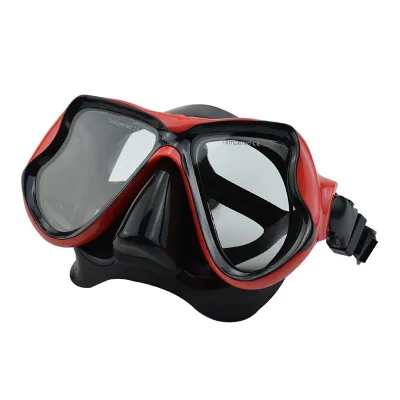
The fundamental distinction between a mask and a pair of goggles lies in the coverage of the nose. A proper diving or snorkeling mask features a soft nose pocket that encloses both your eyes and your nose in a single air space. This design is a strict safety requirement for any activity where you submerge your head below the surface. As you descend into deeper water, the ambient pressure increases, compressing the air inside the mask. To prevent painful suction on your eyes and face, you must be able to exhale a small amount of air through your nose to equalize this internal pressure.
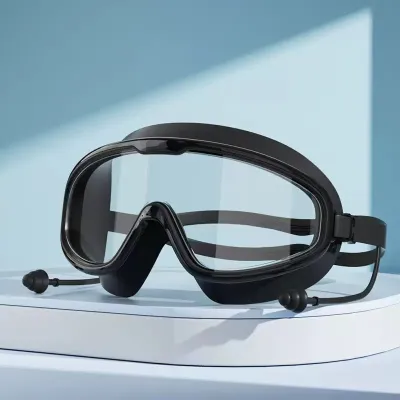
In contrast, swim goggles are designed strictly for surface-level swimming and cover only the eyes. Because they do not enclose the nose, there is no way to introduce air into the goggles to equalize the pressure as you go deeper. Attempting to dive or freedive while wearing standard swim goggles can result in eye barotrauma, a painful condition where the negative pressure causes blood vessels in the eyes to bruise or swell. For this reason, you should always check product packaging and descriptions carefully to verify whether an item is labeled as a “mask” or “goggles” before making a purchase.
Products mentioned in this guide
![[COD] SHPYHT SPORTS Diving Mask Waterproof Swimming Goggles Panoramic HD For Adult Youth Silicone Skirt Anti-Fog With Nose Cover Swimming Equipment](https://img.lazcdn.com/g/p/3a26312b871531baf1ee668644fa96c7.jpg_400x400q80.jpg_.webp)
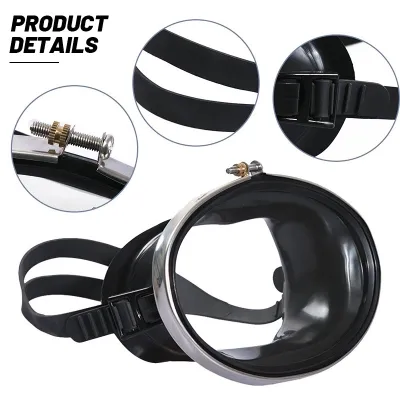
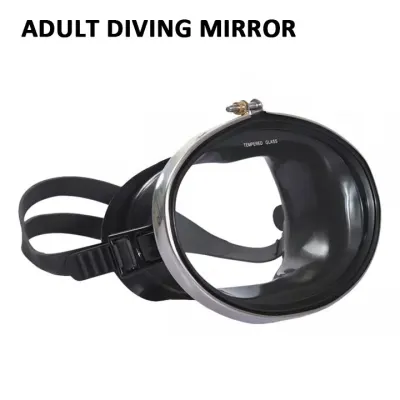
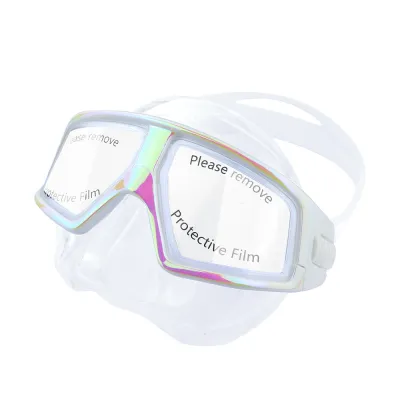
Prices are valid at publication and may change. Please refer to the product page for the latest price.
Snorkeling Masks: Surface Exploration and Comfort
For casual surface exploration and observing marine life, comfort and a wide field of vision are the primary features to look for in a mask. Snorkeling masks generally feature larger frames and lenses designed to maximize your peripheral vision, allowing you to take in the underwater scenery without constantly turning your head. A high-quality snorkeling mask should feature a skirt made of soft, flexible liquid silicone that conforms easily to the contours of your face, providing a reliable seal during extended periods of floating at the surface.

When selecting a snorkeling mask, you will typically choose between single-lens and dual-lens designs. Single-lens masks offer an unobstructed forward view because they lack a center frame bridge, making them highly popular for recreational snorkelers who want a panoramic perspective. Dual-lens masks sit slightly closer to the face, which reduces the internal volume of air and makes them easier to clear if water enters. Additionally, dual-lens designs are highly practical if you require corrective lenses, as many manufacturers design them to accept prescription inserts.
The strap system is another critical component for surface comfort. Look for masks with wide, split-silicone straps or fabric-covered straps that distribute pressure evenly across the back of the head. This prevents the mask from slipping or pulling at your hair during long sessions in warm coastal waters. Always inspect the skirt material to ensure it is made of hypoallergenic, medical-grade silicone rather than cheap plastic or PVC, which can stiffen in cooler water and cause skin irritation.
Freediving Masks: Low Volume and Hydrodynamics
Freediving demands specialized gear engineered for depth, efficient pressure equalization, and minimal water resistance. The defining characteristic of a freediving mask is its low internal volume. By bringing the lenses as close to your eyes as possible, manufacturers drastically reduce the amount of air space inside the mask. This design is crucial because every milliliter of air you use to equalize your mask during a deep descent is air taken away from your lungs, shortening your dive time and reducing your efficiency.
In addition to low volume, freediving masks often feature teardrop-shaped or angled lenses. This specific geometry improves your downward field of vision, allowing you to monitor your dive line, check your body alignment, and spot the seabed without tilting your head forward. Keeping your head in a neutral, tucked position is essential for maintaining proper hydrodynamics and conserving energy as you glide through the water column.
Many freediving masks utilize frameless construction, where the silicone skirt is molded directly to the lenses. This eliminates the bulky plastic frame, reducing drag and making the mask highly flexible and easy to pack. When shopping for a freediving mask, verify the manufacturer’s stated internal volume specifications and depth ratings on the packaging to ensure the gear is rated for breath-hold diving rather than just surface snorkeling.
Swim Goggles: Pool Laps and Surface Speed
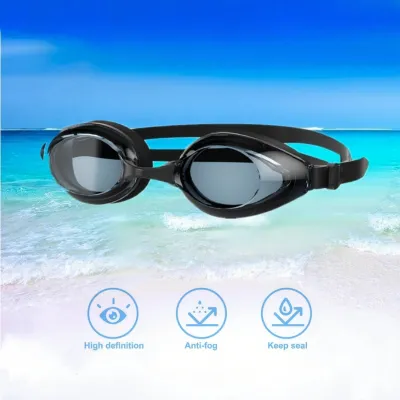
When your primary activity is swimming laps in a pool, the requirements shift entirely toward hydrodynamics, security, and eye protection from chlorine. Swim goggles are designed to be incredibly low-profile, sitting tightly within the eye sockets to minimize water resistance and drag during high-speed strokes and flip turns. Because you remain at the surface and breathe by turning your head, there is no need for nose coverage or pressure equalization.
The choice of lens tint is highly dependent on your swimming environment. For indoor pools with standard overhead lighting, clear or lightly tinted lenses provide the best visibility. If you train in outdoor pools under bright tropical sunlight, mirrored or darkly tinted lenses are highly beneficial for managing intense glare and protecting your eyes from UV exposure.
A secure and easily adjustable strap system is vital for maintaining a watertight seal during vigorous movement. Look for double silicone straps that grip the back of your swim cap or head securely, along with interchangeable nose bridges that allow you to customize the distance between the eye cups. Remember that swim goggles are engineered strictly for surface pool use and must never be worn for ocean diving, freediving, or any activity that involves descending below a couple of meters.
Cross-Scenario Compatibility: Can One Pair Do It All?
If you participate in multiple water sports, you might wonder if a single piece of gear can serve all your needs. While specialized gear is always ideal, some cross-scenario use is acceptable, while other combinations are highly discouraged due to safety and performance limitations.
Using a low-volume freediving mask for casual snorkeling is a highly acceptable trade-off. While the field of view may be slightly narrower than that of a dedicated snorkeling mask, the low-volume design is comfortable, lightweight, and easy to clear. However, using a high-volume snorkeling mask for freediving is strongly discouraged. The large volume of air trapped inside a snorkeling mask requires a significant amount of your limited breath to equalize at depth, which can quickly lead to exhaustion and shorten your dive times.
Swim goggles have absolutely zero cross-over utility for any activity that involves diving below the surface. They should remain strictly in the pool or used only for surface-level open-water swimming where your head does not submerge deeply. To help optimize your gear budget, consider this basic compatibility framework:
| Primary Activity | Secondary Activity | Recommended Gear Strategy |
|---|---|---|
| Snorkeling | Occasional Freediving | Choose a low-volume freediving mask to cover both activities safely. |
| Freediving | Occasional Snorkeling | Use your low-volume freediving mask; no secondary purchase is needed. |
| Pool Swimming | Snorkeling or Diving | Purchase dedicated swim goggles for the pool and a separate mask for the ocean. |
Fit and Sizing Guide for Men
No matter how advanced a mask or pair of goggles is, it will not perform correctly if it does not fit the unique shape of your face. To test the fit of a diving or snorkeling mask before entering the water, perform the standard “inhale test.” Hold the mask gently against your face without putting the strap over your head, making sure to tuck away any stray hair. Inhale gently through your nose and hold your breath; a properly fitting mask should suction firmly to your face and remain in place without sliding off when you look down.
For men, facial hair is the most common obstacle to achieving a watertight seal. Even a few days of stubble or a thick mustache can create microscopic gaps in the silicone skirt, allowing water to slowly seep into the mask. If you prefer to keep your facial hair, you can improve the seal by trimming the area directly under your nose or applying a thin layer of silicone grease or petroleum jelly to your mustache before diving.
When adjusting your mask or goggles, avoid the common mistake of over-tightening the straps. The strap is designed simply to keep the gear in position, not to pull it tightly against your face. The natural water pressure will press the silicone skirt against your skin to create the seal. Over-tightening distorts the skirt, actually causing leaks, and leads to painful pressure marks or headaches. Finally, pay attention to the hard frame of the mask; if you feel any painful pressure against your brow ridge or cheekbones while testing it, the frame shape is incompatible with your bone structure, and you should try a different model.
Frequently Asked Questions (FAQ)
How do I prevent my mask or goggles from fogging up?
New masks often have a thin layer of silicone residue left over from the manufacturing process, which causes rapid fogging. Before your first use, clean the inside of the glass lenses thoroughly with a gentle, non-abrasive prep paste or mild dish soap to remove this film. Before entering the water, apply a few drops of commercial anti-fog solution or a highly diluted baby shampoo mixture to the dry lenses, spread it evenly, and rinse it out quickly with clean water. Avoid using harsh household chemicals, toothpaste, or abrasive cloths, as these can permanently scratch the lenses or damage protective anti-fog coatings.
Should I choose a clear or black silicone skirt?
The choice between a clear and a black silicone skirt depends on your environment and personal comfort. Clear skirts allow ambient light to enter from the sides, which provides a more open, spacious feeling and is highly beneficial for divers who experience mild claustrophobia. However, in bright tropical conditions, clear silicone can cause distracting reflections and glare on the inside of your lenses. Black skirts block out this peripheral light, eliminating glare and allowing you to focus entirely on the view directly in front of you. Additionally, black silicone is highly resistant to UV degradation and will not yellow or discolor over years of sun exposure.
Community discussion
Share your experience or ask a question. Comments are reviewed before publication.