
A broken, brittle, or stretched-out goggle strap can abruptly cut your swim session short, but it does not mean you need to throw away your favorite pair of goggles. Performing a swimming goggles strap replacement at home is an easy, budget-friendly DIY project that requires only a few minutes of your time and basic household items. Whether you are a competitive pool swimmer training in Manila or a recreational snorkeler exploring the coastal waters of the Philippines, learning how to swap out a damaged strap ensures your gear remains reliable and leak-free. By mastering this quick repair, you can extend the lifespan of your swimming gear, save money, and avoid the hassle of buying complete replacements every time the silicone begins to wear down.
Identify Your Goggle Strap Attachment Type
Before you purchase a replacement strap or attempt to pull the old one off, you must identify how the strap connects to the goggle frame. Swimming goggles feature various attachment mechanisms, and using the wrong removal technique can easily crack the plastic frame or damage the delicate lens gaskets.
The most common design is the threaded or loop system. In this setup, a continuous silicone strap passes directly through a narrow slot molded into the side of the goggle frame. The friction of the silicone against the slot, often assisted by small ridges on the strap itself, holds it securely in place.
Products mentioned in this guide
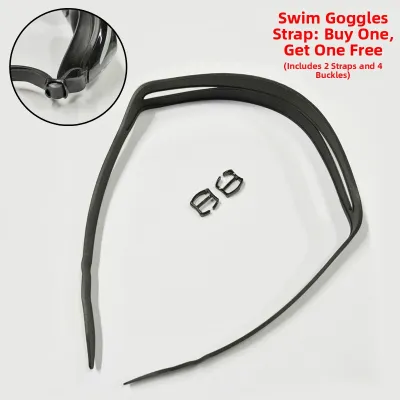
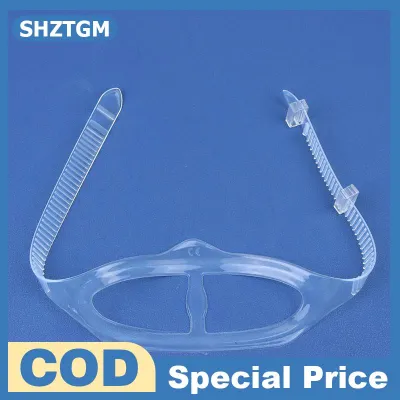
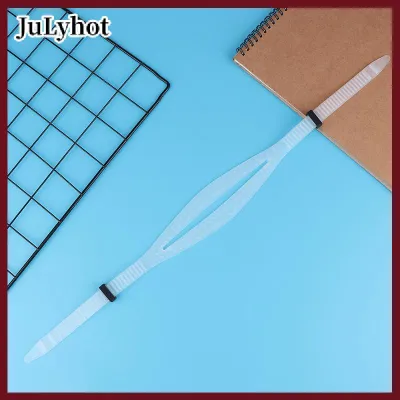
![[COD] WHPHous Ship within 24 hours Rubber Diving Snorkeling Swimming Mask Strap Replacement Accessories Soft](https://img.lazcdn.com/g/p/ca6574cc6268409b73667deda49fdb32.jpg_400x400q80.jpg_.webp)
![[COD] AqToCna Ship within 24 hours Rubber Diving Snorkeling Swimming Mask Strap Replacement Accessories Soft](https://img.lazcdn.com/g/p/3ec950538729008b0e9e2d17cd1e03d9.jpg_400x400q80.jpg_.webp)
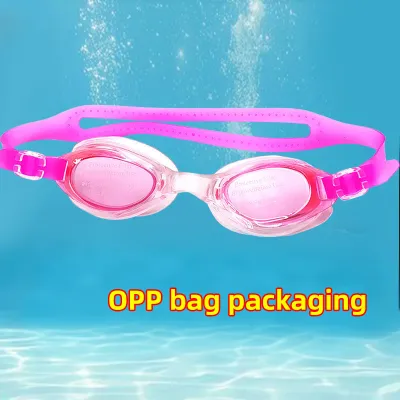
Prices are valid at publication and may change. Please refer to the product page for the latest price.
The second type is the clip-on or buckle system. This design uses plastic clips or buckle housings that snap directly into the frame. The strap itself is threaded through these clips, which can be detached from the main frame body for easy adjustment or replacement.
The third style is the split-strap system, which is highly favored by competitive swimmers for its secure fit. This system often features a central adjustment clip at the back of the head, with dual bands running from the sides of the frame. The connection at the frame can be either threaded or clipped, but the adjustment mechanism at the back requires specific routing.
Take a moment to closely examine where the strap meets the frame on your goggles. If you are unsure, consult the manufacturer’s official website or user guide. Forcing a clip-on strap out of its housing by pulling it like a threaded loop can easily snap the plastic, rendering the entire goggle frame useless.
Tools and Materials Needed for the Job
Having the correct tools laid out beforehand prevents unnecessary interruptions and protects your swimming goggles from accidental scratches. You do not need specialized workshop equipment; most of these items are already available in your home.

First, you will need a compatible replacement strap. These are widely available at local sports stores and online marketplaces in the Philippines, typically ranging from ₱150 to ₱500 depending on the brand and material.
To protect your goggle lenses from scratches during the process, prepare a clean, flat workspace. Lay down a soft microfiber cloth or a clean, dry towel to act as a padded surface.
While many replacements can be completed using only your hands, a few optional tools can make the job much easier:
- Tweezers: Extremely helpful for pulling the narrow end of a silicone strap through tight frame slots.
- Blunt plastic prying tool or a small flathead screwdriver: Useful for gently releasing stubborn plastic clips without scratching the frame. If you use a metal screwdriver, wrap the tip in a thin layer of tape to prevent scratching the plastic.
- Sharp scissors: Only necessary if your old strap is severely tangled, fused to the frame, or completely degraded, requiring you to cut it away safely.
Step-by-Step Guide to Removing the Old Strap
Removing the old strap requires patience and a gentle touch. Rushing this step can stress the plastic frame, especially if the goggles have been exposed to chlorine and tropical heat, which can make plastic brittle over time.
General Preparation
Begin by clearing your workspace. Lay your soft towel flat on a table and place your goggles on it with the lenses facing down. This position prevents the lenses from rubbing against hard surfaces and getting scratched while you work on the sides of the frame.
Removing Threaded/Loop Straps
If your goggles use a threaded system, locate the end of the strap where it exits the frame slot. Gently grasp the silicone strap close to the frame. Stretch the silicone slightly to reduce its thickness, then carefully slide it backward through the slot. Avoid pulling the strap at an extreme angle or jerking it forcefully, as this can tear the silicone or put unnecessary stress on the frame’s plastic slot. If the strap is stuck due to accumulated salt or chlorine residue, soak the goggles in lukewarm water for a few minutes to loosen the buildup before trying again.
Removing Clip-On Straps
For clip-on mechanisms, examine how the plastic clip locks into the frame. Most designs require you to depress a small tab or slide the clip out of a designated channel. Use your fingers or a blunt plastic prying tool to press the release tab gently. Once released, slide the clip out of its housing.
If the plastic clip or frame feels highly resistant, brittle, or fused together, stop immediately. Applying excessive force will snap the frame. In this case, apply a drop of soapy water to lubricate the joint, or consult the manufacturer’s specific instructions.
Disposal
Once the old strap is free, inspect the frame slots for any remaining debris. If you had to cut the old strap away with scissors, ensure no small pieces of silicone remain lodged in the slots or clips. Dispose of the old strap responsibly.
How to Attach the New Swimming Goggles Strap
Now that the old strap is removed, you can proceed to install the replacement. Before starting, inspect the frame slots or clip housings to ensure they are completely free of sand, salt crystals, or debris. Any remaining grit can damage the new silicone strap or prevent plastic clips from locking securely. Handle the new strap gently, avoiding sharp objects that could nick or tear the fresh silicone.
Installing Threaded and Loop Straps
To install a new threaded strap, you must feed the flexible silicone through the narrow slots on the goggle frame.
First, locate the tapered tip of the new strap. Fold or pinch the very end of this tip between your fingers to make it as narrow as possible.
Insert the pinched tip into the frame slot from the inner side (the side facing your eyes) or the outer side, depending on the original routing of your goggles.
Push the strap through until a small portion emerges on the other side. Use your fingers or a pair of tweezers to grasp the tip and pull the rest of the strap through.
Ensure the strap lies completely flat against the frame. If it twists inside the slot, it will create uncomfortable pressure points against your temples and may cause the strap to wear out prematurely. Repeat the process on the opposite side of the frame.
Snapping in Clip-On and Buckle Straps
Installing a clip-on strap requires precise alignment to ensure the plastic locking tabs engage correctly without bending.
Begin by aligning the replacement clip perfectly with the receiving housing on the goggle frame. Ensure the strap is oriented correctly, with the textured side facing outward and the smooth side facing inward toward your head.
Apply firm, even pressure to the clip using your thumbs. Push it into the housing until you hear or feel a distinct click. This sound indicates that the locking tabs have fully engaged.
Once clicked into place, perform a quick safety check. Give the strap a gentle but firm tug near the connection point. If the clip wiggles or slides out, it is not fully seated. Re-align the clip and press again until it is completely locked.
Setting Up Split-Strap Systems
Split-strap systems require careful routing through a central rear adjustment buckle to ensure even tension across the back of your head.
Start by threading the two loose ends of the split strap through the outer slots of the central adjustment buckle.
Next, route the ends back through the inner slots of the buckle. This double-threaded path creates the friction necessary to hold the strap in place under tension.
Before putting the goggles on, adjust the initial slack so that both the upper and lower bands of the split strap are of equal length. This balance ensures that when you wear the goggles, one band can sit comfortably on the crown of your head while the other sits slightly lower, distributing the pressure evenly and preventing the goggles from slipping down during your swim.
Adjusting the Fit and Testing the Seal
Once your new strap is installed, you must calibrate the tension to ensure a comfortable, leak-free swim. A common mistake is relying on the strap to create the water seal, which can lead to discomfort and poor performance.
The Suction Test
Before adjusting the strap, perform a quick suction test to verify the integrity of the goggle gaskets. Press the goggle lenses firmly against your eye sockets without putting the strap over your head. Let go of the goggles. They should hold a brief suction seal on your face for a second or two. If the goggles fall off immediately, the silicone gaskets are worn out or the frame shape does not match your face. A new strap cannot fix a compromised primary seal.
Tension Adjustment
The primary purpose of the goggle strap is to keep the goggles in place, not to pull them tightly against your face to force a seal. Slide the strap over your head and adjust the tension until the goggles feel secure but comfortable. Overtightening the strap is counterproductive; it causes eye pain, leaves deep red marks, and can actually deform the flexible silicone gaskets, causing water to leak into the lenses.
Comfort Check
Position the strap so it sits comfortably around the crown of your head. For single-strap goggles, the strap should run straight back. For split-strap designs, position one band higher on the crown and the other lower on the back of your head. Ensure the silicone does not pull your hair or pinch the skin behind your ears.
Maintenance Tips to Extend Strap Life in Tropical Climates
The tropical climate of the Philippines—characterized by high humidity, intense sunlight, and warm temperatures—can accelerate the degradation of silicone and plastic swim gear. Implementing a simple maintenance routine will significantly extend the life of your new strap.
Rinsing
Always rinse your goggles and strap with fresh, cool tap water immediately after every swim. This simple step removes residual chlorine, salt water, sweat, and sunscreen, all of which chemically degrade silicone over time, making it sticky, brittle, or prone to snapping.
Drying and Storage
After rinsing, allow your goggles to air-dry completely in a shaded, well-ventilated indoor area. Never leave your goggles to dry in direct sunlight, inside a hot car parked under the sun, or crumpled up inside a damp gym bag. Intense UV rays and high heat rapidly break down the chemical bonds in silicone straps and make plastic clips extremely brittle, leading to premature cracking.
Proper Storage
Once dry, store your goggles inside a hard protective case. This prevents the new strap from being crushed, stretched out of shape, or snagged on other gear in your swim bag. Keeping them in a dedicated case also protects the anti-fog coating on the inside of the lenses from being scratched by keys, zippers, or rough fabrics.
Frequently Asked Questions (FAQ)
Can I use a generic replacement strap for any brand of swimming goggles?
Universal silicone replacement straps are highly versatile and generally work well with most standard loop or threaded goggle designs. However, if your goggles utilize a proprietary clip-on, buckle, or integrated split-strap system, generic straps may not fit. Before purchasing a replacement, measure the width of the frame slot and examine the shape of the clip. If your goggles are a highly specialized or competitive model, it is best to check the manufacturer’s website to purchase a brand-specific replacement strap to guarantee compatibility and safety.
Why does my new goggle strap keep slipping during swims?
If your new strap continuously slips or loosens while you are swimming, the most common cause is incorrect threading through the adjustment buckle. If the silicone is not routed through both the inner and outer slots of the buckle, there will not be enough friction to lock it in place under tension. Double-check your routing against the manufacturer’s diagram. Additionally, ensure you are wearing the strap high enough on the crown of your head. If the strap is positioned too low on your neck, the natural movement of your head during swimming will cause it to slide down, breaking the seal.
Community discussion
Share your experience or ask a question. Comments are reviewed before publication.