
Deciding whether to invest in a heavy-duty treadmill comes down to how hard, how long, and how often you plan to run, as well as the physical demands you place on the machine. While a standard treadmill works well for casual walking or light jogging, a heavy-duty model is built to withstand high-impact running, multiple daily users, and heavier weight loads without overheating or breaking down. In the Philippines, where tropical humidity and high ambient temperatures can accelerate wear on electrical components and mechanical parts, choosing the right build quality is essential for long-term durability and safety.
A heavy-duty treadmill represents a premium tier of exercise equipment, characterized by a robust steel frame, a powerful motor, and a highly durable running deck. Understanding your specific fitness habits, physical requirements, and home environment will help you determine if the extra investment is truly necessary or if a standard model will serve you just as well.
Assess Your Workout Intensity and Frequency
Your weekly training volume and the intensity of your workouts are the primary indicators of whether you need a heavy-duty treadmill. Standard home treadmills are generally designed for light to moderate use, typically up to a few hours of walking or light jogging per week. If your routine involves daily running, long-distance training, or high-intensity interval training (HIIT), the mechanical demands on the machine increase exponentially.
Products mentioned in this guide
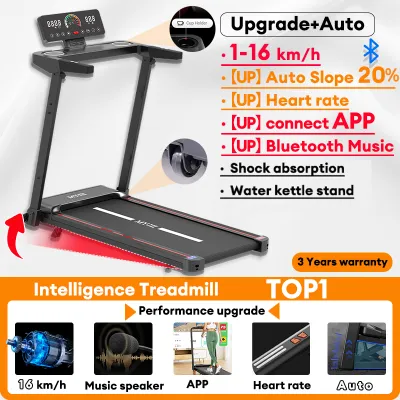
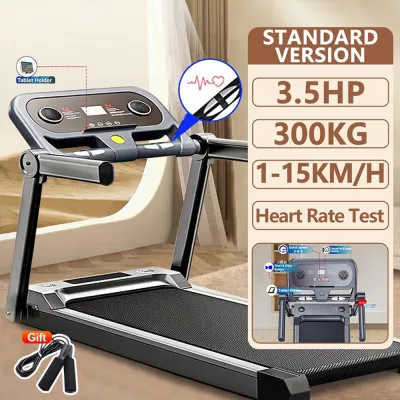
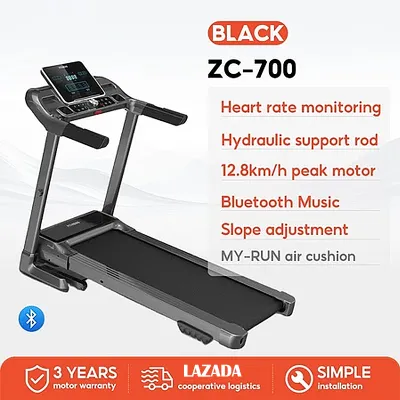
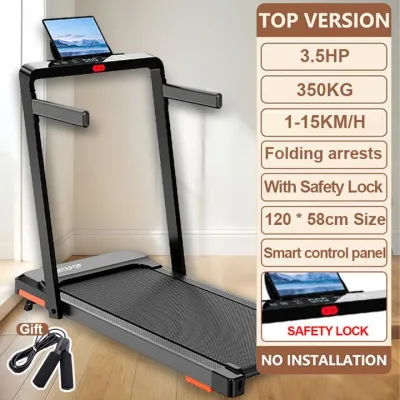
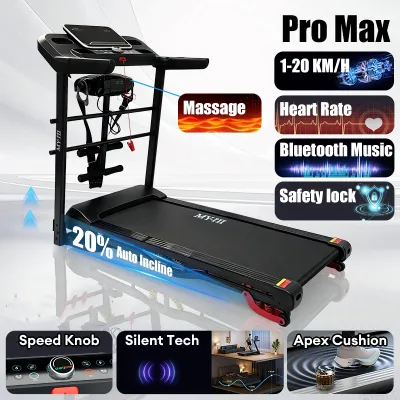
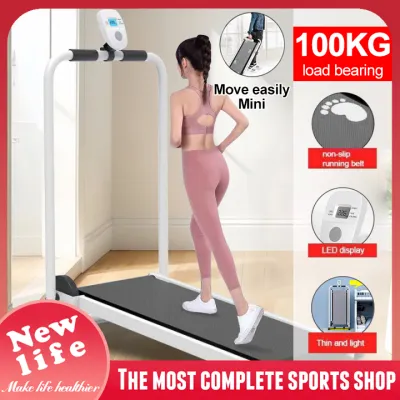
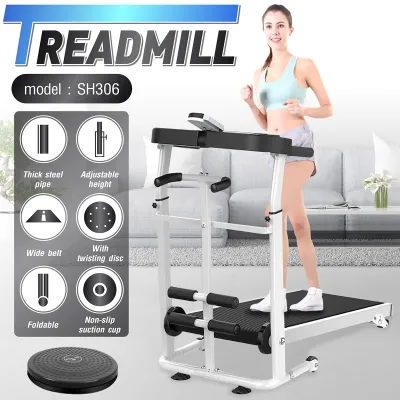
Prices are valid at publication and may change. Please refer to the product page for the latest price.
For households where multiple family members will use the treadmill back-to-back, a heavy-duty motor is practically essential. When a treadmill runs continuously for an hour or more, heat builds up rapidly in the motor housing. Standard motors often lack the cooling capacity to handle prolonged operation, which can lead to thermal overload, automatic shutdowns, or premature motor failure. A heavy-duty machine is engineered to dissipate heat efficiently, allowing it to run for hours without performance degradation.
The type of training you perform also dictates the required motor power. Sprinting and steep incline training require rapid speed adjustments and high torque. When you strike the belt at high speeds, it momentarily friction-locks against the deck, forcing the motor to work harder to maintain speed. To verify if a treadmill can handle these demands, check the manufacturer’s specifications for the Continuous Duty Horsepower (CHP) rating. For serious running or multi-user households, look for a motor rated at 3.0 CHP or higher, as this indicates the motor can sustain high speeds under load without straining.
Evaluate User Weight and Biomechanical Impact
Every foot strike during a run transmits a force equal to several times your body weight through the treadmill deck, belt, and frame. To ensure safe operation and protect the machine’s internal components, you must compare your body weight against the treadmill’s maximum weight capacity.

As a safety standard, it is highly recommended to maintain a buffer of at least 15 to 20 kilograms between the user’s weight and the machine’s maximum rated capacity. If a treadmill is operated close to its weight limit, you may observe noticeable frame flex, a slipping belt during foot strikes, or a straining sound from the motor. Over time, this excessive strain can crack the running deck, stretch the drive belt, or burn out the control board.
Heavy-duty treadmills address these high-impact forces through superior structural engineering. They feature thicker running decks, often made of multi-layered, high-density fiberboard coated with friction-reducing lubricants. Additionally, they utilize larger roller diameters. Larger rollers provide more surface area contact with the belt, which reduces belt tension, prevents slipping, and extends the lifespan of both the belt and the motor. Advanced shock absorption systems in heavy-duty models also cushion the impact, protecting your joints from stress while minimizing the vibration transmitted through your floor.
Space, Power, and Maintenance Considerations
Owning a heavy-duty treadmill requires careful planning of your physical space and home infrastructure. Because these machines are built with heavy-gauge steel frames and large decks, they are significantly heavier and bulkier than standard models. Many heavy-duty units do not fold, meaning they require a permanent, dedicated footprint in your home.
Before purchasing, measure your available floor space and ceiling height carefully. When using the incline feature, the deck rises, lifting your head closer to the ceiling; ensure you have adequate clearance to prevent injury. Additionally, consider the structural weight limit of your floor. A heavy-duty treadmill can easily weigh over 100 kilograms without a user. If you live in a condominium or plan to place the equipment on a second floor, verify that the floor structure can safely support the combined weight of the machine and an active runner.
Electrical requirements are another crucial factor, particularly in the Philippines where power fluctuations can occur. High-CHP motors draw substantial electrical current under load. To prevent tripping your home’s circuit breakers, a heavy-duty treadmill should ideally be plugged into a dedicated electrical outlet on a suitable circuit. Avoid using standard extension cords, which can cause voltage drops and damage the treadmill’s sensitive electronic console. Using a high-quality voltage stabilizer or surge protector is a wise investment to safeguard your machine from power surges.
Furthermore, tropical humidity can accelerate rust and dust accumulation. Maintenance for a heavy-duty model involves regularly lubricating the deck with silicone oil to minimize friction, checking belt alignment, and vacuuming under the motor hood to prevent dust from clogging the cooling fans.
When a Standard Treadmill Is Enough
While heavy-duty treadmills offer exceptional durability, they are not a universal necessity. For many fitness enthusiasts, a standard treadmill is more than adequate and represents a more practical use of budget and space. If your primary fitness goal is walking, light recovery jogging, or low-frequency workouts a few times a week, a standard model will easily meet your needs.
Opting for a standard treadmill allows you to allocate your budget toward other features. Instead of paying a premium for a massive motor and a non-folding frame, you can invest in interactive training programs, a high-quality console, or advanced folding mechanisms. For smaller homes or apartments, a compact, foldable treadmill that can be rolled away after use is often far more practical.
You can feel confident that a standard treadmill is sufficient if your current workouts do not cause the machine to shake, slip, or overheat. If the belt moves smoothly, the motor runs quietly, and the frame feels stable under your stride, your equipment is safely supporting your fitness journey without the need for an expensive upgrade.
How to Verify Heavy-Duty Claims Before Buying
When shopping for a treadmill, it is easy to be misled by marketing terms like “commercial grade” or “professional quality.” To ensure you are actually purchasing a heavy-duty machine, you must verify the technical specifications and build quality yourself rather than relying on promotional labels.
First, look closely at the motor specifications. Ensure the manufacturer lists the Continuous Duty Horsepower (CHP) rather than Peak Horsepower (PHP). A true heavy-duty running treadmill should have a minimum of 3.0 CHP. Next, examine the physical dimensions of the running surface. A runner needs a belt that is at least 50 centimeters wide and 140 centimeters long to accommodate a natural stride safely.
The overall weight of the machine is one of the most reliable indicators of build quality. A heavy-duty treadmill typically weighs 90 kilograms or more, reflecting a solid steel frame and robust internal components. Finally, check the manufacturer’s warranty terms. A high-quality machine built to last will usually be backed by a lifetime warranty on the frame, a multi-year warranty on the motor, and at least one to two years of coverage on parts and labor. A short warranty period is a strong indicator that the machine is not built for rigorous, long-term use.
Frequently Asked Questions (FAQ)
What is the difference between peak horsepower and continuous duty horsepower?
Peak horsepower (PHP) represents the maximum power a motor can produce for a very short duration, such as during a sudden acceleration. Continuous duty horsepower (CHP) measures the power the motor can maintain continuously over a prolonged workout. For runners and high-frequency users, CHP is the critical metric to verify, as it determines the treadmill’s ability to sustain high speeds without overheating or straining.
Can a heavy-duty treadmill be used for walking and light jogging?
Yes, a heavy-duty treadmill can easily be used for walking and light jogging. In fact, using a heavy-duty machine for lower-intensity workouts is highly beneficial for the equipment’s longevity, as the motor will run cooler and experience very little wear. While these machines are larger and may consume slightly more power than a basic walking pad, they offer superior deck cushioning and stability, providing a much more comfortable and joint-friendly walking experience.

Community discussion
Share your experience or ask a question. Comments are reviewed before publication.