
You do not need gym hand grip pads to build a strong, muscular physique, but they can be a game-changer if hand pain or a slipping grip is holding your training back. If your primary goal is to protect your skin from painful tears or to prevent your hands from slipping during sweaty, high-volume workouts, a pair of grip pads is a highly practical, low-cost investment. Conversely, if you are focused on building raw grip strength, prefer the direct feel of the steel knurling, or primarily perform pushing exercises, you can easily skip them.
In the tropical climate of the Philippines, where high humidity makes sweaty palms an everyday challenge in both commercial fitness centers and non-aircon “bakal” gyms, choosing the right grip aid is essential for safety and consistency. This guide will help you evaluate your current training routine, hand condition, and fitness goals to determine whether gym hand grip pads deserve a spot in your gym bag.
5 Signs You Actually Need Gym Hand Grip Pads
Your Grip Fails Before Your Target Muscles
When performing heavy pulling exercises like deadlifts, barbell rows, or pull-ups, your target muscles are often much stronger than your hands. If your fingers begin to slip and open up before your lats or hamstrings are fully fatigued, you are leaving muscle growth on the table. Gym hand grip pads bridge this gap by adding friction and reducing the mechanical demand on your forearm muscles, allowing you to focus entirely on targeting the primary muscle groups.
Products mentioned in this guide
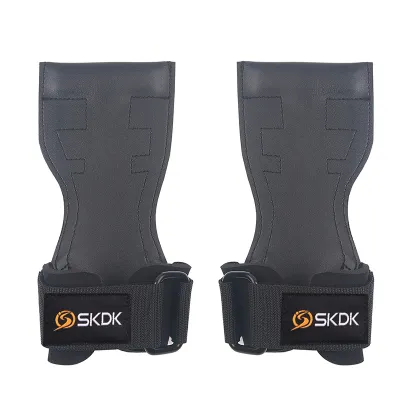
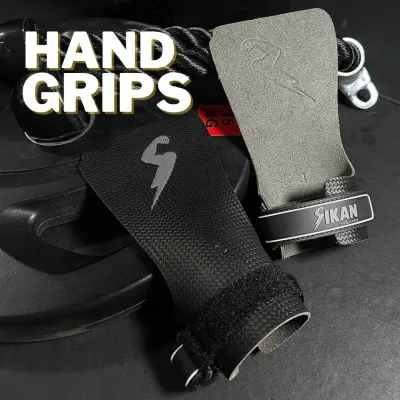
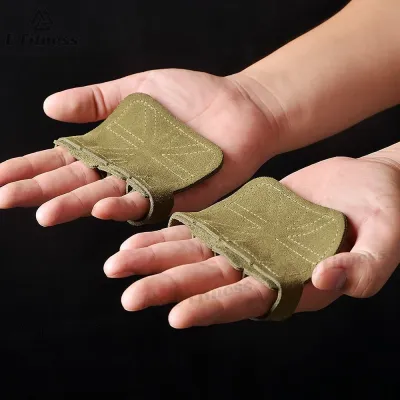
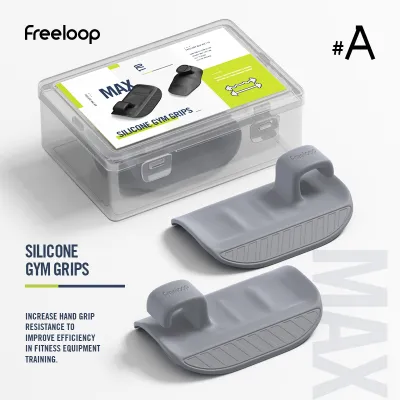
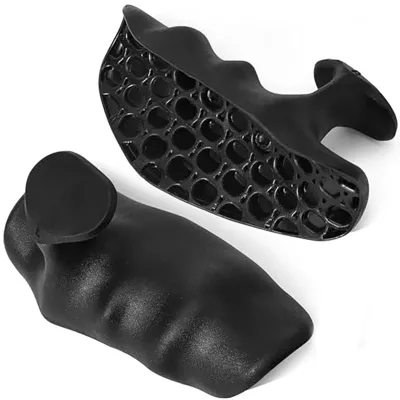

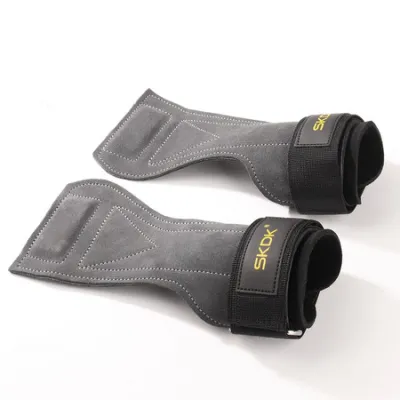
Prices are valid at publication and may change. Please refer to the product page for the latest price.
You Frequently Tear Calluses or Experience Hand Pain
Heavy barbell knurling is designed to bite into your skin to prevent slipping, but over time, this friction creates thick calluses that can pinch and tear. A torn callus is not just painful; it can sideline your training for a week or more while the skin heals. Using grip pads provides a protective, cushioning layer between your palms and the cold steel, preventing deep skin tears and nerve compression.
High-Volume Pulling Days Leave Your Hands Raw
High-rep training sessions, common in hypertrophy-focused programs or functional fitness routines, subject your hands to thousands of micro-rubbing movements. By the end of a 60-minute workout, your palms can feel raw, burning, and highly sensitive to the touch. Slipping on a pair of pads during high-volume blocks preserves your skin integrity, ensuring you can return to the gym the next day without discomfort.
Sweaty Hands Compromise Your Safety on Heavy Lifts
Living and training in the Philippines means dealing with intense tropical humidity, which often turns your palms into a slippery surface mid-set. When a heavy barbell starts to roll out of your hands, it poses a severe safety risk to your wrists, shoulders, and feet. While liquid or powder chalk is a common solution, many local commercial gyms ban loose chalk due to the mess, making grip pads a clean, highly effective alternative to maintain a secure hold.
You Want to Protect Your Hands for Non-Gym Activities
Your life outside the gym often requires soft, intact hands, whether you work a corporate BPO job typing for hours, play a musical instrument like the guitar or piano, or work in healthcare. Having rough, torn, or bleeding calluses can negatively impact your professional performance and daily comfort. Grip pads allow you to lift heavy weights without sacrificing the cosmetic and functional health of your hands.
4 Reasons You Can Skip Grip Pads Entirely
You Primarily Focus on Pressing or Machine Work
If your current routine consists mostly of bench presses, overhead presses, and machine-based movements, grip pads offer very little benefit. During pushing exercises, the bar or handle is pressed directly into your palm, meaning grip strength is rarely the limiting factor. In fact, adding a thick pad during presses can alter your wrist alignment and make the bar feel unstable, increasing the risk of joint strain.

You Prefer Maximum Barbell Tactile Feedback
For many lifters, the sensory connection to the barbell is a critical component of proper lifting technique. Olympic weightlifters and powerlifters often rely on feeling the exact placement of the bar’s knurling to execute explosive movements or secure a precise grip. Because grip pads increase the effective diameter of the barbell and dull sensory feedback, they can interfere with your ability to gauge bar position and adjust your hand placement on the fly.
Proper Chalk and Grip Technique Already Solve Your Issues
Many grip issues can be resolved without purchasing new equipment. Learning how to use a secure hook grip, applying a thin layer of gym chalk to manage moisture, and actively shaving or filing down your calluses at home can eliminate the need for pads. If these free or low-cost adjustments keep your hands comfortable and secure, adding another accessory to your gym bag is unnecessary.
You Are a Beginner Still Building Baseline Grip Strength
If you are in your first few months of strength training, your hands and forearms need time to adapt naturally to the physical stress of lifting. Using grip aids too early can stunt the development of your baseline grip strength and tendon durability. It is generally best to train bare-handed during this initial phase, allowing your body to build natural calluses and hand strength before introducing external assistance.
Grip Pads vs. Chalk vs. Lifting Straps: Finding Your Best Fix
To make the best decision for your training, it is helpful to compare gym hand grip pads with the other two most popular grip aids: lifting chalk and lifting straps. Each tool serves a distinct purpose and comes with its own set of trade-offs.
| Grip Aid | Primary Benefit | Pros | Cons | Best For |
|---|---|---|---|---|
| Gym Hand Grip Pads | Skin protection and moderate grip security | Protects against calluses; easy to use; clean and gym-friendly | Increases bar thickness; can reduce tactile feel | High-volume training; lifters wanting to avoid torn skin |
| Lifting Chalk | Moisture control and maximum friction | Inexpensive; maintains direct bar contact; excellent tactile feedback | Messy; banned in many commercial gyms; does not cushion palms | Powerlifting; Olympic lifts; humid environments |
| Lifting Straps | Bypasses grip strength limits entirely | Allows lifting maximal weight; completely eliminates grip fatigue | Zero palm protection; slow to wrap; can lead to forearm weakness | Heavy deadlifts; rack pulls; maximum-effort pulling |
If your primary struggle is painful skin friction and calluses, grip pads are your best choice. If your hands are simply too sweaty but your skin feels fine, chalk is the ideal solution. If you are trying to pull maximal weights for low repetitions and your grip is the only thing stopping you, lifting straps are the superior tool.
What to Look for If You Decide to Buy Gym Hand Grip Pads
If you have decided that grip pads are a worthy addition to your gym bag, keep these practical purchasing criteria in mind to ensure you get a pair that suits your needs:
- Material and Thickness: Gym hand grip pads are typically made of neoprene, leather, or textured silicone. Neoprene offers excellent cushioning and sweat absorption, making it ideal for high-volume workouts. Leather is highly durable and molds to the bar over time but offers less padding. Textured silicone provides the highest amount of pure friction. Keep in mind that thicker pads offer more skin protection but will increase the effective diameter of the bar, which can make it harder to wrap your fingers completely around it.
- Wrist Support Integration: Some grip pads are designed as simple, standalone rubber flaps, while others are integrated into a supportive wrist wrap. If you frequently experience wrist fatigue or instability during heavy lifts, choosing a two-in-one product with built-in wrist wraps can save you money and space in your gym bag.
- Size and Ergonomics: Look for pads that cover the primary callus line at the base of your fingers without being so long that they bunch up when you close your hand. Excess material can pinch your skin and actually cause the very blisters you are trying to avoid.
- Maintenance and Hygiene: Because you will be sweating into these pads in a humid climate, they can quickly become a breeding ground for bacteria and unpleasant odors. Opt for materials that are machine-washable or can be easily wiped down with a damp cloth and mild soap after each session.
Frequently Asked Questions (FAQ)
Do grip pads weaken your grip strength over time?
Yes, if you rely on them for every single exercise. Using grip pads reduces the active engagement of your forearm muscles, which can slow down your natural grip strength development. To prevent this, perform your warm-up sets and lighter exercises bare-handed, and reserve the grip pads for your heaviest working sets or high-volume pulling movements.
Can I use grip pads for push-ups and floor exercises?
Yes, grip pads can be used to cushion your palms during push-ups, planks, or dip station workouts, especially if you suffer from wrist discomfort or palm pain on hard surfaces. However, if wrist alignment is your primary issue, using dedicated push-up handles or parallettes is a more effective solution as they allow for a neutral wrist position.
Are gym hand grip pads allowed in powerlifting competitions?
No. Almost all major powerlifting and weightlifting federations, both locally in the Philippines and internationally, strictly prohibit the use of grip pads, lifting straps, or any sticky substances on the platform. If you plan to compete, you must train your grip using only approved lifting chalk and proper raw technique.
Community discussion
Share your experience or ask a question. Comments are reviewed before publication.