
Deciding whether to transition to a 3-wheel electric bike—often called an electric trike or e-trike—depends on how well its unique design matches your physical capabilities, cargo needs, and local riding environment. Unlike traditional two-wheel bicycles, these three-wheeled vehicles offer inherent stability at a standstill, making them highly appealing for riders seeking a more secure and accessible way to stay active or run errands. However, their larger footprint, distinct handling characteristics, and weight mean they are not a universal solution for every commuter. Evaluating your daily routines, physical comfort, and storage limitations will help you determine if this specialized transport option is the right fit for your lifestyle.
Signs a 3-Wheel Electric Bike Solves Your Daily Mobility Needs
A three-wheeled electric bike is specifically engineered to address challenges that standard two-wheelers cannot easily resolve. The most prominent indicator that you would benefit from a trike is a concern with balance and stability. If you experience joint stiffness, inner-ear issues, or general muscle weakness that makes balancing a moving bicycle difficult—or if you struggle to hold a heavy two-wheeler upright when coming to a complete stop at intersections—the self-supporting nature of a three-wheel frame provides immediate relief. You can sit comfortably on the saddle while waiting for traffic lights without ever needing to put your feet on the ground to balance the vehicle.
Another clear sign is a regular need to transport substantial cargo, such as weekly groceries, heavy tools, or even small pets. Standard bicycles require aftermarket racks, panniers, or trailers that can alter the bike’s center of gravity, making it prone to tipping during loading or slow-speed turns. A 3-wheel electric bike typically features a low-slung, integrated rear or front basket supported by a wide axle. This design keeps the cargo weight low and centered between the wheels, allowing you to load and unload heavy items on uneven ground without the risk of the bike falling over.
Products mentioned in this guide
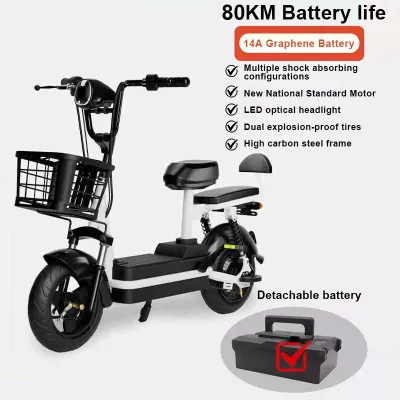
62 Lazada user ratings
The delivery took much longer than expected. It was supposed to be a Christmas gift but arrived a few days after Christmas which was a huge …Read full reviewShow less
The delivery took much longer than expected. It was supposed to be a Christmas gift but arrived a few days after Christmas which was a huge disappointment. The shop provided no assistance other than saying I need to contact Lazada. The assembly of the tricycle was the second big disappointment because of missing screws for the housing, broken keys and clasps and a left side mirror that doesn't screw into place which all creates a big hassle.
Drum brake system, Front and rear LED lights, 💰Price:7,2k 🔋Battery Life:not yet tested 💨Speed:goods nmn may sirang wire basag at gasgas pros…Read full reviewShow less
Drum brake system, Front and rear LED lights, 💰Price:7,2k 🔋Battery Life:not yet tested 💨Speed:goods nmn may sirang wire basag at gasgas pros is mura but need to assemble ng wla man lng manual🫠 pinaassemble ko s mekaniko cons kapag may sira kulang tornilyo wla ka n magawa. but goods nmn ngawan paraan lgyan lng ng tie wrap. bilis ng delivery Flash ba nmn npkabigatAdjustable 1-2-3 seats, Smart remote control,
Hard to Assemble. Lot of Parts Missing. its hard to contact the Seller, different agent accomodates and cannot pin point the concern. also i…Read full reviewShow less
Hard to Assemble. Lot of Parts Missing. its hard to contact the Seller, different agent accomodates and cannot pin point the concern. also it takes long time to reply.. 😡😡😡😡😠😠😠
Yes the bike is very beautiful and the performance is great. We paid for assembly and it's great. We love ❤️ it thank you po.
ang ganda... pina assemble ko d kaya pag walang alam sa ebike. pero ang ganda nya idrive. fast shipping din. satisfied❤
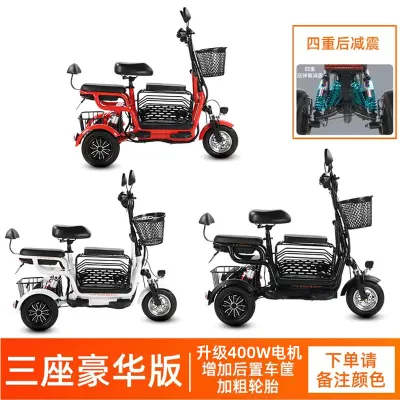
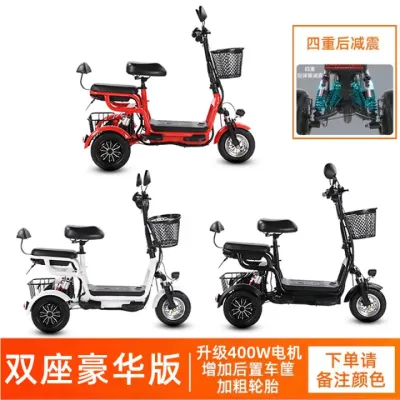
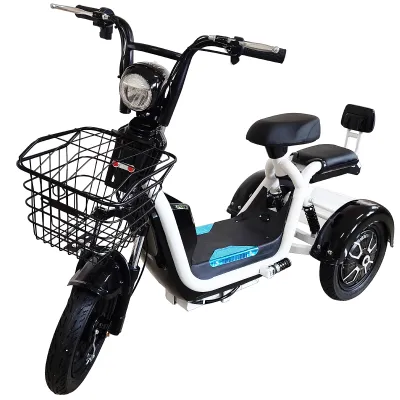
2 Lazada user ratings
Charger doesn’t charge the battery. Charger fan not turning or not working to charge
3 Lazada user ratings
good quality thank you so much
Prices are valid at publication and may change. Please refer to the product page for the latest price.
Physical comfort and accessibility are also major deciding factors. Many riders find that swinging a leg over a high top tube on a standard bicycle frame causes discomfort or pain in the hips and knees. Electric trikes almost universally feature ultra-low step-through frames, allowing you to simply step through the center of the chassis to mount the seat. When paired with adjustable swept-back handlebars and an upright riding position, this setup minimizes strain on your lower back, wrists, and neck, turning what might otherwise be a painful chore into a comfortable, low-impact exercise.
How a 3-Wheel E-Bike Compares to Your Current Transport
Before replacing your current mode of transport—whether that is a two-wheel bicycle, a stand-up electric scooter, public transit, or a car—you must evaluate how a three-wheeled vehicle fits into your physical environment. The most immediate difference is the storage and parking footprint. A standard bicycle can easily slip into narrow hallways, lean against a wall, or hang from a vertical rack. A 3-wheel electric bike, however, has a wide rear axle that requires a significant amount of flat floor space. You must measure your garage, entryway, or storage shed to ensure you have a clear, level area to park the vehicle, keeping in mind that lifting a heavy trike over steps or tight thresholds is highly impractical for most riders.

Your daily route’s terrain and inclines also dictate whether a trike is a viable alternative. While the electric motor provides essential pedal assistance, three-wheeled bikes are inherently heavier than two-wheelers, often weighing between 30 to 50 kilograms before cargo is added. If your daily commute involves navigating steep, sustained hills, you will need to verify that the motor has sufficient torque to pull the combined weight of the rider, the heavy frame, and any cargo up those inclines. On flat or gently rolling terrain, a trike excels, but steep climbs will drain the battery rapidly and require significant physical effort even with motor assistance.
Finally, consider your commute distance and charging logistics. Unlike a car or public transit, an electric trike’s range is strictly limited by its battery capacity, rider weight, wind resistance, and terrain. You must match your typical daily mileage against the manufacturer’s stated range, keeping in mind that real-world range is often lower than laboratory estimates. Because these batteries require several hours to charge from a standard wall outlet, you need a dedicated, safe charging location—ideally indoors or in a well-ventilated garage—where you can plug in the battery without exposing it to moisture or extreme heat.
Essential Specifications to Verify Before You Buy
If you decide that a 3-wheel electric bike aligns with your needs, you must carefully verify several technical specifications on the manufacturer’s spec sheet before making a purchase. First, calculate the total weight capacity limits. This calculation must include your own body weight, the weight of any cargo you plan to carry, and any accessories you intend to mount. Compare this total against the manufacturer’s stated maximum load capacity. Exceeding these limits compromises the structural integrity of the frame, accelerates tire wear, and can cause the brakes to fail when descending hills.
Second, examine the motor placement and type. Electric trikes generally feature either a front-hub motor, a rear-hub motor, or a mid-drive motor located at the pedals. Front-hub motors are common and affordable, but they can sometimes lose traction on loose gravel or wet, steep inclines because there is less weight over the front wheel. Rear-hub motors provide better traction but require a differential gear system to ensure both rear wheels spin at different speeds during turns; without a differential, turning can feel stiff and unpredictable. Mid-drive motors offer the most balanced weight distribution and leverage the bike’s internal gears for efficient hill climbing, though they are typically found on higher-end models.
Third, measure the turning radius and overall dimensions of the bike. Because of their wide rear track, three-wheeled bikes require a much larger turning circle than two-wheelers. You must verify that the bike’s width can easily clear any narrow pathways, garden gates, apartment elevators, or doorways along your intended routes. A trike that is even a few centimeters too wide for your front door or elevator will quickly become an expensive, unusable obstacle in your home.
When to Choose Alternatives or Consult a Professional
While electric trikes offer excellent utility, there are specific scenarios where they are impractical or unsafe. If your daily route requires navigating highly congested urban streets with narrow lanes, or if you must frequently carry your vehicle up flights of stairs to an apartment, a heavy, wide-profile 3-wheel bike is not suitable. In these dense environments, a compact, folding two-wheel e-bike or a lightweight electric kick scooter may be a much more manageable choice.
Additionally, if your commute requires traveling along major highways or high-speed arterial roads, a low-speed electric trike is not safe. These vehicles are designed for low-to-moderate speeds, typically topping out around 20 to 25 kilometers per hour. Mixing with fast-moving heavy traffic on a wide, slow vehicle increases your vulnerability. In such cases, relying on public transportation or a standard passenger vehicle remains the safer option.
Finally, physical readiness must always come before equipment. If you are considering a 3-wheel electric bike to assist with rehabilitation, joint pain, or cardiovascular recovery, you must consult a qualified healthcare provider before starting your riding routine. An electric motor reduces physical exertion, but cycling still requires joint movement, core engagement, and situational awareness. A medical professional can help you determine if your body is ready for the physical demands of riding and advise on safe limits for your activity level.
Frequently Asked Questions (FAQ)
Are 3-wheel electric bikes legal on standard bike paths in the Philippines?
To determine where you can legally ride a 3-wheel electric bike, you must consult the current guidelines set by the Department of Transportation (DOTr) and your specific Local Government Unit (LGU). In many urban areas, electric trikes are classified based on their motor wattage and maximum speed capabilities. Some high-power or wider-profile trikes may be restricted from narrow, dedicated bicycle lanes and instead directed to local barangay roads or designated slow lanes. Always verify local speed limits, registration requirements for light electric vehicles, and specific pathway restrictions in your municipality before commuting. Budgeting for potential registration fees of a few hundred ₱ if required by your local municipality is also a wise step during your research.
How do I maintain the battery and tires for long-term use?
Long-term reliability relies on regular, basic maintenance checks. For your tires, perform a visual inspection before every ride to check for embedded debris, cracks, or uneven wear, and use a pressure gauge to ensure they are inflated to the exact pound-per-square-inch (PSI) range printed on the tire sidewall. For battery care, always refer to the manufacturer’s manual. Avoid exposing the battery to extreme temperatures, never leave it charging unattended for days, and use only the original charger provided by the manufacturer to prevent electrical hazards and preserve overall battery health.

Community discussion
Share your experience or ask a question. Comments are reviewed before publication.