
Choosing the right electric scooter in the Philippines often comes down to a fundamental choice between stability and agility. If you are trying to decide whether a 3 wheel electric scooter is necessary or if a standard 2-wheel model will suffice, the answer depends on your physical comfort, typical cargo, and daily riding environment. A 3-wheel electric scooter is the ideal choice if you prioritize maximum static stability, need to carry heavier cargo, or have physical balance concerns. Conversely, a standard 2-wheel scooter is better suited for active commuters who value agility, lightweight portability, and a compact footprint for tight urban spaces. This guide will take you through a detailed self-assessment of your physical requirements, cargo needs, local road conditions, and storage limitations to help you make the right investment.
Evaluate Your Balance and Stability Requirements
Understanding how a scooter behaves under different physical conditions is the first step in making your choice. The core difference lies in how these machines maintain balance. A 3-wheel scooter offers static stability, meaning it remains upright on its own when completely stopped, requiring minimal physical effort from the rider. A standard 2-wheel scooter relies on dynamic stability, which means it requires continuous, active rider input and a minimum forward speed to stay balanced.
Signs You Need the Extra Stability of 3 Wheels
If you feel anxious about balancing on a narrow platform or have physical conditions that affect your equilibrium, a 3-wheel configuration is highly beneficial. Older adults, individuals recovering from injuries, or those with mild mobility limitations often find the three-wheel layout much more reassuring. Because these models typically feature a significantly wider deck, you can stand with your feet side-by-side rather than staggered. This design allows you to mount and dismount without having to kick off or maintain a balancing act at stoplights. The lower center of gravity, combined with the tri-wheel footprint, minimizes the risk of tipping over during low-speed maneuvers.
Products mentioned in this guide
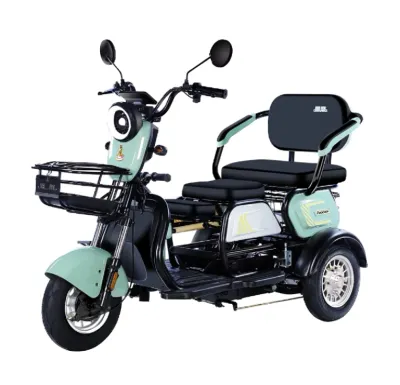
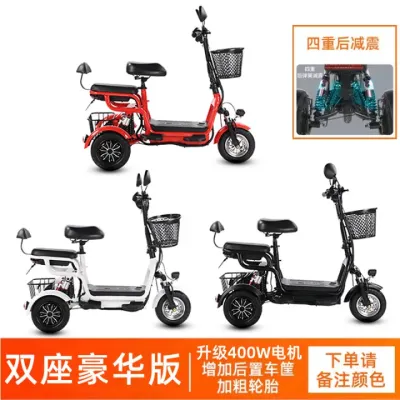
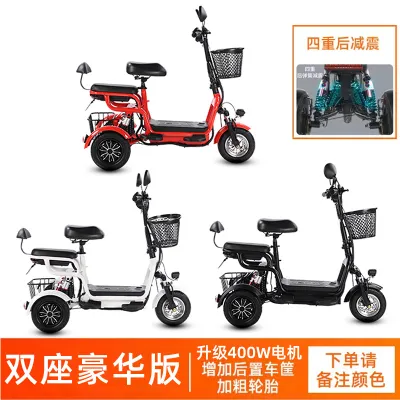
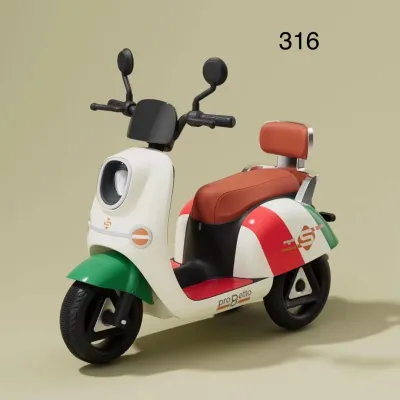
Prices are valid at publication and may change. Please refer to the product page for the latest price.
When a Standard 2-Wheel Scooter is Enough
For active individuals with good physical coordination and dynamic balance, a standard 2-wheel electric scooter is usually more than adequate. If you are comfortable riding a traditional bicycle or kick scooter, the learning curve for a 2-wheel electric model is incredibly short. These scooters allow you to lean into turns, giving you a more fluid, organic riding experience. This leaning capability is essential for safely navigating sharp corners or quickly weaving around unexpected obstacles on busy pedestrian pathways.
Match Your Cargo and Utility Needs
Your daily carrying habits will heavily influence which scooter configuration makes sense. Carrying items changes how weight is distributed across the frame, directly affecting steering control and overall safety.

Heavy Loads and Built-In Storage
If your primary goal is running errands, fetching groceries from the local wet market, or carrying heavy work gear, a 3-wheel electric scooter excels. Many of these models are designed with utility in mind, featuring integrated front or rear cargo baskets, wider deck spaces, and even optional pre-installed seats. The stable three-point base ensures that adding weight does not make the vehicle top-heavy or prone to tipping when parked. However, load capacities vary wildly between models. You must always check the manufacturer’s specified maximum weight limit on the product label to ensure the frame and suspension can safely handle your combined body and cargo weight.
Light Commutes and Minimalist Carrying
If your daily carry is limited to a standard backpack or a lightweight shoulder bag, a 2-wheel scooter is perfectly capable. Carrying a backpack keeps the center of gravity centered over your own body, allowing you to use your natural balance to stabilize the ride. However, you must avoid hanging grocery bags, heavy totes, or backpacks directly onto the handlebars of a 2-wheel scooter. Doing so severely compromises steering responsiveness, shifts the center of gravity forward, and increases the risk of the front wheel washing out during sudden braking maneuvers.
Navigate Local Riding Conditions and Terrain
The unique road conditions in the Philippines—ranging from sudden tropical downpours to uneven concrete and gravel-strewn side streets—demand careful consideration of how your scooter interacts with the ground.
Handling Uneven Roads and Wet Surfaces
Philippine roads are notorious for potholes, sudden transitions in pavement, and loose gravel. While a 3-wheel scooter provides a wider, more stable stance, it does not automatically make you immune to road hazards. Many budget-friendly scooters use small, solid rubber wheels that can easily get caught in deep ruts or slide on loose gravel. When riding on wet surfaces during the monsoon season, hydroplaning is a serious risk regardless of whether you have two wheels or three. Always check the tire tread depth and material specifications of any model you consider; pneumatic (air-filled) tires generally offer superior grip on wet asphalt compared to solid tires. Before riding in wet conditions, verify the manufacturer’s IP (Ingress Protection) rating to ensure the electrical components are sealed against water damage.
Tackling Inclines and Motor Power Requirements
A common misconception is that a 3-wheel scooter is inherently better at climbing hills. In reality, hill-climbing performance is determined entirely by motor wattage, torque, and battery voltage, not the number of wheels. If your daily route involves steep inclines, look for a scooter with a high-torque motor (typically 500W or greater) and a robust battery system. Keep in mind that carrying heavy cargo or operating near the maximum weight limit will significantly reduce your scooter’s climbing speed and overall battery range. Always consult the manufacturer’s guidelines regarding maximum climbing angles and load limits to avoid overheating the motor.
Weigh the Portability and Storage Trade-Offs
While stability and cargo capacity are excellent benefits, they come with a major physical trade-off: size and weight. A 3-wheel electric scooter is inherently bulkier, wider, and heavier than a 2-wheel counterpart.
If your daily commute involves “last-mile” transit—such as carrying your scooter up the stairs of an MRT or LRT station, loading it into the trunk of a sedan, or bringing it inside a crowded office building—a 2-wheel scooter is almost always the practical choice. Most 2-wheel models feature a quick-folding stem that locks into place, allowing you to carry the scooter with one hand.
In contrast, many 3-wheel scooters do not fold compactly, and some do not fold at all. Their wider rear axle makes them difficult to roll through narrow doorways, crowded market aisles, or tight apartment hallways. Before purchasing a 3-wheel model, measure your available storage space, elevator dimensions, and vehicle trunk to ensure the scooter will actually fit into your daily routine.
Your Final Decision Checklist
To help you finalize your choice, use this straightforward checklist to match your specific needs to the right configuration.
Choose a 3-Wheel Scooter If:
- You have balance concerns, joint pain, or mobility limitations that make standing on a 2-wheel platform difficult.
- You need the scooter to remain upright on its own when stopped without putting your feet down.
- You regularly carry heavy, bulky cargo, or groceries that require a basket or wide deck.
- You have dedicated, ground-level storage space and do not need to carry the scooter up stairs or onto public transport.
Choose a 2-Wheel Scooter If:
- You are comfortable with dynamic balance and want an agile, responsive ride.
- You need to weave through tight spaces, narrow sidewalks, or heavy pedestrian traffic.
- You require a highly portable, folding machine that you can carry onto the LRT/MRT, store under an office desk, or fit into a small car trunk.
- Your daily carrying needs are limited to a simple backpack or light shoulder bag.
Regardless of which configuration you select, safety must remain your top priority. Always wear a high-quality, certified helmet and appropriate protective gear on every ride. Before taking your scooter onto public roads, verify the latest Land Transportation Office (LTO) guidelines and local municipal ordinances in your area to ensure compliance with registration, speed limits, and permitted riding zones.
Frequently Asked Questions (FAQ)
Are 3-wheel electric scooters legal on public roads?
Legality is determined by local traffic laws and specific municipal ordinances in the Philippines, rather than the number of wheels. The Land Transportation Office (LTO) and local government units (LGUs) have specific classifications for electric micro-mobility vehicles, often restricting them to barangay roads, designated bike lanes, or private properties, while banning them from major national highways. Always consult your local traffic management office to verify the exact rules, speed limits, and registration requirements for your specific scooter model.
Can I convert my 2-wheel scooter into a 3-wheel scooter?
You should strongly avoid any DIY modifications or aftermarket third-wheel conversion kits. Standard 2-wheel scooters are structurally engineered, balanced, and safety-tested for a specific two-point geometry. Altering the frame, steering column, or rear axle layout can severely compromise the structural integrity of the vehicle, void the manufacturer’s warranty, and lead to catastrophic mechanical failure or serious injury during operation. If you require three wheels, it is always safest to purchase a purpose-built 3-wheel model.
Do 3-wheel scooters drain the battery faster?
Battery consumption is primarily driven by the total combined weight (vehicle plus rider and cargo), motor efficiency, speed, and terrain, rather than the wheel count itself. However, because 3-wheel scooters feature a heavier frame, wider tires with more rolling resistance, and often carry heavier cargo, they typically require more energy to move. Under identical riding conditions with the same motor and battery capacity, a heavier 3-wheel model will generally have a slightly shorter range than a lightweight 2-wheel scooter.
Community discussion
Share your experience or ask a question. Comments are reviewed before publication.