
Navigating busy streets, sudden tropical downpours, and tight lanes on a bicycle becomes a major challenge when you need to transport more than just yourself. Whether you are bringing home a week’s worth of groceries, carrying gear for a weekend adventure, or transporting a pet, finding the right hauling method is essential for a safe and stable ride. Deciding between a bike trailer, a cargo rack, and panniers depends entirely on the size and weight of your cargo, your typical riding terrain, and your storage limits. While a bike trailer offers unmatched capacity for bulky or heavy loads, cargo racks and panniers provide a more streamlined, agile setup that is often better suited for tight city traffic and daily commuting.
What Are You Actually Hauling on Your Bike?
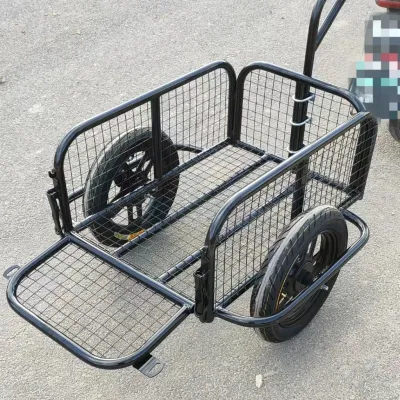
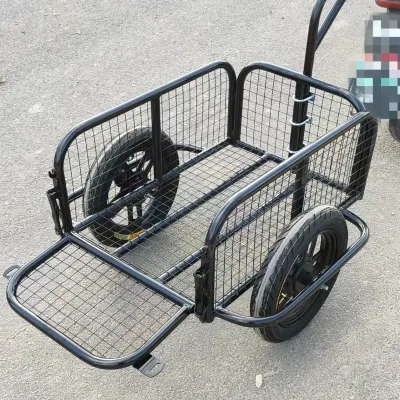
To choose the right setup, you must first evaluate the physical dimensions, weight, and fragility of the items you plan to carry. Bulky, irregular, or oversized cargo—such as large boxes, sacks of rice, or multiple bags of groceries—often exceeds the physical capacity of standard bicycle bags. A bike trailer provides a flat, wide platform or a deep cargo bay that keeps these irregular items secure without throwing off your balance. Trying to strap large, awkward items directly onto a standard rear rack can lead to shifting loads that compromise your safety.
Weight distribution is another critical factor when comparing these hauling options. Racks and panniers carry weight directly on your bicycle frame, which can significantly alter how the bike handles. You must check the manufacturer’s maximum weight capacity for both your bicycle frame and the rack itself before loading them up. Overloading panniers can cause the fabric to sag, rub against your spokes, or put excessive stress on your frame’s mounting eyelets. In contrast, a trailer distributes the majority of the cargo weight onto its own wheels and axle, reducing the direct structural load on your bicycle frame.
Products mentioned in this guide
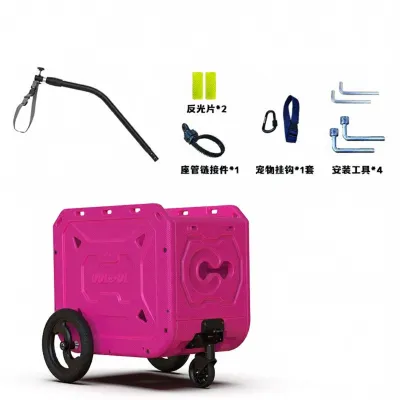
1 Lazada user ratings
The craftsmanship is really impressive, I'm happy with this purchase.
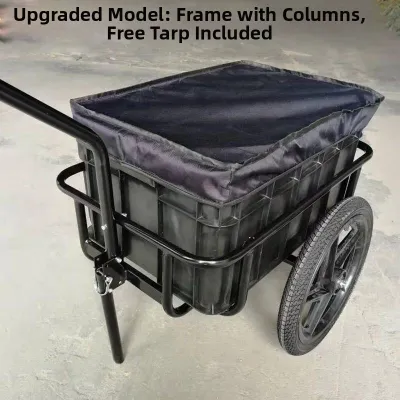
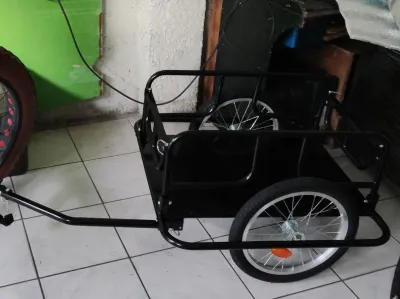
7 Lazada user ratings
Very good item. Highly recommended. Nasubukan ko na at matibay sya, wag lang lumagpas sa weight capcity nito na 80kgs para safe talaga. Sakt…Read full reviewShow less
Very good item. Highly recommended. Nasubukan ko na at matibay sya, wag lang lumagpas sa weight capcity nito na 80kgs para safe talaga. Saktong sakto to sa pamamalengke ko at sa pagka camping trip ko. Salamat boss, very responsive din ang seller sa mga tanong ko tungkol sa product. Abangan nyo ang follow up review ko sa katagalan. In the meantime, 5 star ito sa akin. ⭐⭐⭐⭐⭐
I recommend 200 %. very good product and easy to fix. seller very responsive with chat. 5stars
very useful, good good good 👍😊👍😊
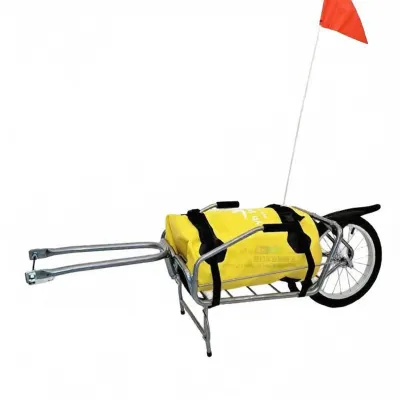
Prices are valid at publication and may change. Please refer to the product page for the latest price.
If your hauling needs include transporting passengers, children, or pets, standard cargo gear is not a viable option. Carrying a child or a pet safely strictly requires a specialized, safety-rated trailer designed specifically for passenger transport. These trailers feature secure harnesses, roll cages, protective covers, and stable multi-wheel designs to prevent tipping. Never attempt to carry passengers on standard cargo racks or inside regular panniers, as these components are not designed or rated for passenger safety.
How Does Your Typical Riding Terrain Affect Your Hauling Choice?
Your usual riding surfaces and route conditions play a major role in determining which hauling method will keep you safe and stable. On smooth, paved urban streets, all three options perform well, but the differences become clear when you encounter rougher roads. If your daily route includes unpaved paths, gravel, potholes, or steep driveways, a trailer’s extra wheels introduce more points of contact with the ground. This can increase rolling resistance and make navigating around obstacles more complex, especially in wet weather.

Ground clearance and wheel size are essential safety considerations when pulling a trailer over uneven terrain. You must check the trailer’s ground clearance to ensure it can clear high curbs, speed bumps, or deep ruts without scraping or getting stuck. Small trailer wheels can easily drop into potholes or catch on curb edges, which can destabilize the trailer and potentially cause it to tip over. If your route involves highly uneven surfaces, a streamlined rack and pannier setup keeps your gear elevated and aligned with your bike’s main frame, offering better overall clearance.
For those choosing panniers, you must evaluate the risk of “heel strike,” pedal strike, or load sway on technical descents and tight corners. Heel strike occurs when your shoe hits the front of the pannier bag during a pedal stroke, which can be highly distracting and dangerous in heavy traffic. This is particularly common on bicycles with shorter chainstays, such as road bikes. Additionally, heavy panniers mounted high on a rear rack can sway when you stand up to pedal or make sudden turns, affecting your balance. A trailer keeps the center of gravity much lower and behind the bicycle, eliminating heel strike but requiring a wider turning radius to clear obstacles safely.
Where Will You Store and Park Your Hauling Gear?
The practical logistics of storing, detaching, and securing your hauling equipment are just as important as how it performs on the road. A bike trailer requires a significant amount of storage space when not in use. If you live in a compact apartment or have limited garage space, storing a full-sized trailer can be highly inconvenient, even if the model features a folding frame. You must measure your available storage area and consider whether you have the space to accommodate a trailer alongside your bicycle.
Panniers and cargo racks offer a much more compact alternative for riders with limited space. Panniers can be easily detached from the rack, folded flat, and stored on a shelf or in a closet when not needed. This ease of detachment is also a major advantage when running quick errands or entering buildings. Many panniers feature quick-release mounting systems that allow you to clip the bags off in seconds and carry them with you like a shoulder bag or backpack, keeping your valuables secure while your bike is parked outside.
Theft prevention is a critical concern when parking your bike in public areas. Leaving a trailer or loaded panniers unattended on a public street increases the risk of theft. While you can easily carry detachable panniers indoors, a trailer must be left outside and secured. Locking a trailer safely requires threading a heavy-duty lock through the trailer frame and attaching it to an immovable object alongside your bicycle. If you frequently park in high-traffic public areas with limited space at the bike racks, a compact rack and pannier setup is generally much easier to secure and manage.
Which Setup Best Matches Your Riding Style and Comfort?
Every hauling method alters the physical effort, aerodynamics, and handling characteristics of your bicycle, so you must choose the setup that matches your personal riding preferences. Adding weight to your bike changes how it steers, accelerates, and stops. Panniers carry weight directly on the frame, which can make steering feel sluggish if the weight is concentrated on a front rack, or cause the rear end to swing if overloaded. A trailer keeps the bicycle’s handling relatively natural but significantly increases your braking distance. You must practice braking early and smoothly, especially when riding on wet roads during the rainy season.
Aerodynamic drag and physical effort also vary greatly between these setups. Pulling a trailer creates more aerodynamic drag and requires more physical effort, particularly when climbing hills or riding against strong winds. Panniers sit closer to the bicycle’s profile, offering better aerodynamics, though wide bags will still catch some wind. If your fitness level or route involves steep climbs, carrying a lighter, more compact load in panniers is generally less exhausting than towing a trailer behind you.
There is also a distinct learning curve when navigating tight spaces or heavy traffic with a trailer attached. You must constantly account for the extra length and width of the trailer when passing other cyclists, navigating narrow lanes, or riding alongside larger vehicles like jeepneys and buses. Turning too sharply can cause the trailer to clip curbs or jackknife, so you must learn to take wider, more gradual turns. If you prefer an agile, responsive ride that allows you to slip easily through tight city spaces, a rack and pannier setup is usually the more comfortable choice.
How Do You Make the Final Decision for Your Bike Setup?
To make the final decision, you must synthesize your cargo needs, typical riding terrain, and storage limitations. Choose a bike trailer if you regularly haul bulky, heavy, or irregular items, or if you need to transport children or pets safely. Opt for a cargo rack and panniers if you prefer a streamlined, agile setup for daily commuting, light grocery runs, or touring on varied terrain where storage space and quick detachment are priorities.
Before purchasing any hauling gear, you must verify that your bicycle is fully compatible with your chosen setup. Use this step-by-step checklist to check your bike’s specifications:
- Check for frame mounting eyelets on your seatstays and dropouts to ensure a cargo rack can be bolted on securely.
- Verify your rear axle type (standard quick-release, thru-axle, or solid axle) to ensure the trailer hitch can mount properly, as thru-axles often require specialized adapters.
- Inspect your disc brake calipers to ensure they do not interfere with rack mounts or trailer hitch attachments.
- Measure your heel clearance with the planned pannier size to prevent your shoes from striking the bags while pedaling.
If you are unsure about axle compatibility, weight limits, or secure mounting, stop and consult a local bike shop in the Philippines. A professional mechanic can inspect your bicycle, recommend compatible hitch adapters or rack models, and ensure your setup is safely installed before you head out on the road. Taking the time to verify these details ensures a safe, stable, and enjoyable ride, no matter how much gear you need to carry.
Community discussion
Share your experience or ask a question. Comments are reviewed before publication.