
Choosing the right mountain bike helmet often feels like a stressful compromise between maximum safety and physical comfort, especially when you are staring down a steep, rocky descent while sweating through a humid climb. To decide whether you need a full-face or an open-face MTB helmet, you must evaluate your primary riding discipline, the technical difficulty of your local trails, and your tolerance for heat and weight. If your rides consist of high-speed downhill runs, jump lines, or technical enduro stages, a full-face helmet is highly recommended to protect your face and jaw; however, if you mostly ride cross-country trails, fire roads, or moderate singletrack where climbing dominates, a well-ventilated open-face helmet offers the practical balance of protection, airflow, and comfort you need.
What type of mountain biking do you primarily ride?
Your primary riding discipline dictates the baseline level of protection you need because different styles of mountain biking expose you to vastly different speeds, terrain features, and fall dynamics. Mountain biking is a diverse sport, and a helmet that is perfect for a casual gravel path can be dangerously inadequate on a steep downhill track. By identifying where you spend most of your saddle time, you can narrow down your helmet choices to match the actual risks of your preferred terrain.
Cross-country (XC) and trail riding are generally focused on endurance, climbing efficiency, and navigating moderate terrain. On these rides, speeds are typically lower during climbs, and descents are less technical. Falls in these disciplines often involve low-side slides or losing traction on flat corners, where the primary risk is an impact to the top or sides of the head. For these scenarios, an open-face helmet is the industry standard, providing ample protection for the skull while keeping the face open for maximum breathing capacity.
Products mentioned in this guide
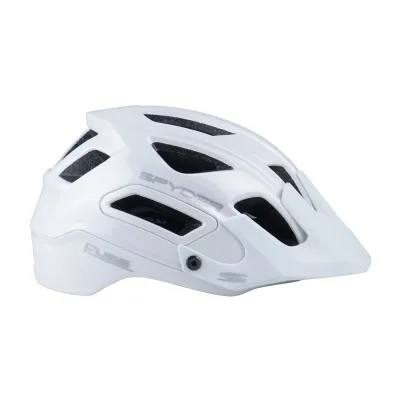
445 Lazada user ratings
Thank you Spyder! Tama ung color &size nung helmet. Maayos ung packaging.... Makapal ung bubblewrap. Makinis ung item. No scratches tlga. Qu…Read full reviewShow less
Thank you Spyder! Tama ung color &size nung helmet. Maayos ung packaging.... Makapal ung bubblewrap. Makinis ung item. No scratches tlga. Quality tlga to. Bili na mga kaPadyak! Excited n ko sa next ride! Tapos bilis pa ng delivery Manila to Pangasinan! 3 days!
👍👍👍Excellent! worth the wait. understandably. with 130k + followers mukhang na overwhelmed sila sa orders. very responsive, keeps u updated .k…Read full reviewShow less
👍👍👍Excellent! worth the wait. understandably. with 130k + followers mukhang na overwhelmed sila sa orders. very responsive, keeps u updated .kudos to LEX PH hatid din agad 🙂. Galing nang build and quality . Thanks!
I received the item in a good manner, packed properly, reasonable amount of delivery for the delivery. Must say, that the helmet has a very …Read full reviewShow less
I received the item in a good manner, packed properly, reasonable amount of delivery for the delivery. Must say, that the helmet has a very good quality, good design and lightweight. highly recommend it.
ang ganda ng quality. sakto din lang ang fit sa ulo ko at very comfortable. delivered within the given time frame and without damage. thanks…Read full reviewShow less
ang ganda ng quality. sakto din lang ang fit sa ulo ko at very comfortable. delivered within the given time frame and without damage. thanks spyder.ph and lazada.
Super duper thank you to the Seller and to the courier. Items are securely packed and no damage whatsoever. Again, thank you and more blessi…Read full reviewShow less
Super duper thank you to the Seller and to the courier. Items are securely packed and no damage whatsoever. Again, thank you and more blessings!
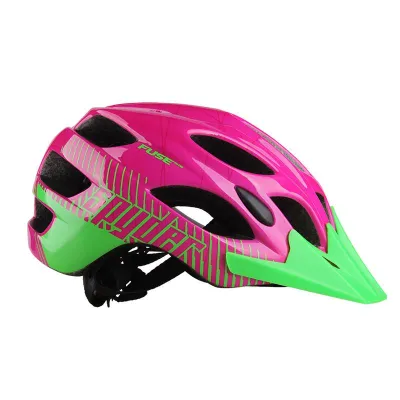
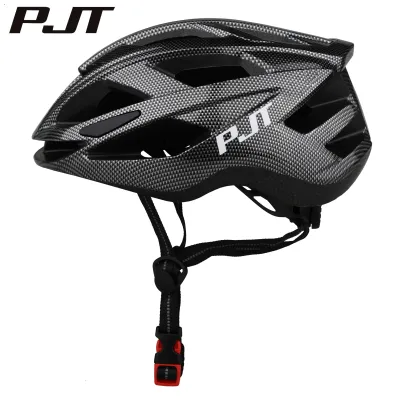
74 Lazada user ratings
This helmet is a very lightweight and airy option, making it a great choice for summer rides in the city. It features a MIPS system for adde…Read full reviewShow less
This helmet is a very lightweight and airy option, making it a great choice for summer rides in the city. It features a MIPS system for added peace of mind, and the design is incredibly breathable with its numerous air vents. The EPS construction is slim and low-profile, and the unique strap attachment to the rear retention system provides an unconventional fit. The white straps give it a clean, distinct look that stands out. It is a solid, basic helmet for those who want a simple gear setup for seasonal casual riding.
Stylish helmet with a beautiful design, great breathability, combines good looks with practicality, both attractive and functional.
The helmet has great quality, feels light and comfortable, has plenty of ventilation to keep cool, and the buckle is easy to use.
Very good, well-crafted, with high MIPS safety protection, worth buying, and can be used for skateboarding and roller skating!
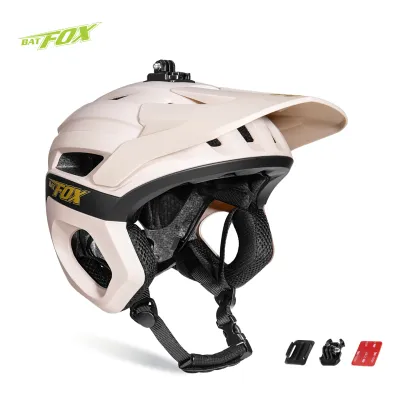
27 Lazada user ratings
I was surprised at how light it was. The design is nice too... but it feels like it's all styrofoam. The value for money is awesome, lol.
Arrived on time, very protected. It's quite light even though it fits me, I found the shape a bit big, but it shouldn't get in the way.
The product quality looks great and it doesn't look like a budget item at all. I think I'll be using it a lot.
It's lightweight with a great design, and the included sunglasses are pretty good too.
It's light and good. The finishing is a bit lacking. Good value for money.
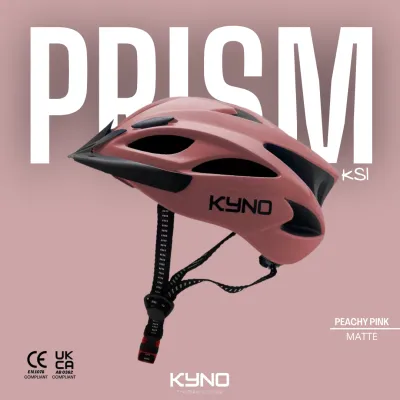
961 Lazada user ratings
Great helmet for cycling enthusiasts, Stylish color options to choose from, Lightweight and comfortable design, Perfect for both mountain an…Read full reviewShow less
Great helmet for cycling enthusiasts, Stylish color options to choose from, Lightweight and comfortable design, Perfect for both mountain and road biking, Easy to adjust and wear, High-quality materials for durability, Adjustable strap for a perfect fit, Offers great value for the price, ang angas ng design ang ganda ng kulay at ang porma pa pag suot mo na heheheh😍😍ganda sulit sa price no damage at secure na secure yung item sa box😍😍thanks lazada ang aga pa dumating hehehe😍
Easy to adjust and wear, Provides safety and comfort while riding, Perfect for both mountain and road biking, Adjustable strap for a perfect…Read full reviewShow less
Easy to adjust and wear, Provides safety and comfort while riding, Perfect for both mountain and road biking, Adjustable strap for a perfect fit, Lightweight and comfortable design,
Provides safety and comfort while riding, Perfect for both mountain and road biking, Excellent ventilation for a cool ride, Easy to adjust a…Read full reviewShow less
Provides safety and comfort while riding, Perfect for both mountain and road biking, Excellent ventilation for a cool ride, Easy to adjust and wear,
Excellent product. Looks durable enough. Lightweight as advertised. Hope it lasts. Thanks, seller.
goods naman, magaan, medyo masikip lang if malaki ung head. good for the price 👍🏻👍🏻👍🏻
Prices are valid at publication and may change. Please refer to the product page for the latest price.
In contrast, enduro and downhill (DH) riding are high-speed, gravity-focused disciplines that involve steep descents, large drops, rock gardens, and gap jumps. The fall dynamics in these styles are much more severe, often resulting in high-velocity, over-the-bars crashes where the rider’s face or jaw is the first point of contact with the ground, trees, or rocks. If you are riding lift-accessed bike parks, shuttling downhill tracks, or competing in enduro races, a full-face helmet is an absolute necessity to prevent catastrophic facial and dental injuries.
How much impact protection do your local trails demand?
Assessing the specific physical hazards of your local trails helps you determine if the added weight of a chin bar is a necessary safety measure or an unnecessary burden. Even if you consider yourself a conservative rider, the physical features of the trails you frequent can dictate your safety requirements. A slow-speed crash into a sharp rock garden can cause just as much facial damage as a high-speed crash on a smooth jump line.

Take a close look at the obstacles on your regular routes. If your trails are littered with loose shale, wet roots, steep drop-offs, or narrow gaps between trees, the likelihood of a sudden front-wheel washout is high. In these environments, an open-face helmet leaves your jaw, teeth, and cheeks completely exposed to impact. A full-face helmet, with its rigid chin bar, acts as a protective shield that absorbs and deflects forces away from your face, significantly reducing the risk of severe facial trauma.
However, choosing maximum protection does come with practical trade-offs in peripheral vision and hearing. The chin bar and thick cheek pads of a full-face helmet can slightly restrict your lower field of view, making it harder to see immediate obstacles right in front of your front tire without tilting your head down. Additionally, the enclosed design muffles ambient sounds, which can make it more difficult to hear approaching riders, wildlife, or mechanical noises from your bike.
To help you decide if a chin bar is genuinely necessary for your typical rides, consider this self-assessment checklist:
- Do you regularly ride trails with vertical drops, step-downs, or jumps?
- Are the descents on your local trails steep enough that a crash would likely pitch you forward over the handlebars?
- Do your routes feature rock gardens, boulder fields, or tightly spaced trees close to the trail edge?
- Do you consistently ride at speeds exceeding 25 kilometers per hour on descents?
If you answered yes to two or more of these questions, the objective hazards of your trails strongly justify the use of a full-face helmet.
Will a full-face MTB helmet be too hot or heavy for your rides?
A full-face helmet will inevitably feel warmer and heavier than an open-face model, making it a challenging choice for long, slow climbs in hot and humid climates like the Philippines. When you are grinding up a steep fire road in tropical heat, your body generates massive amounts of thermal energy. Managing this heat is not just a matter of comfort; overheating can lead to rapid dehydration, physical exhaustion, and a loss of concentration, which directly increases your risk of making a mistake and crashing.
Open-face helmets excel in ventilation because they leave your face entirely exposed to the wind, allowing sweat to evaporate quickly and cool your skin. They also feature large intake and exhaust vents across the entire shell, facilitating continuous airflow even at low climbing speeds. A standard open-face helmet typically weighs between 300 and 450 grams, making it feel lightweight and unobtrusive during long hours in the saddle.
Full-face helmets, by design, enclose your head, cheeks, and jaw. Even modern, highly ventilated full-face helmets designed for enduro riding cannot match the breathability of an open-face model. The chin bar restricts the exhaust of your warm breath, which can cause your goggles to fog up during slow climbs. Furthermore, a dedicated downhill full-face helmet can weigh anywhere from 800 to over 1,100 grams. This extra weight puts additional strain on your neck muscles during long rides, especially when navigating bumpy terrain.
Before making a decision, check the manufacturer’s specifications for the helmet’s weight and ventilation design. Look for models that feature deep internal cooling channels, which help pull fresh air over your scalp and push hot air out the back. If you ride in high temperatures but still require maximum protection, prioritize lightweight, enduro-specific full-face helmets that feature highly ventilated chin bars and removable cheek pads, rather than heavy, non-vented downhill racing helmets.
Is a convertible MTB helmet a better compromise for your needs?
A convertible MTB helmet features a removable chin bar, offering a versatile compromise if you want open-face breathability during long climbs and full-face protection during technical descents. This hybrid design aims to give riders the best of both worlds without the need to purchase, carry, or store two separate helmets.
In a real-world riding scenario, a convertible helmet functions by allowing you to ride in open-face mode while climbing a long, hot fire road. This keeps you cool and comfortable when your speed is low and the risk of a high-impact crash is minimal. Once you reach the summit and prepare to descend a steep, technical trail, you can retrieve the chin bar from your backpack and lock it onto the helmet. The connection mechanisms typically use secure, tool-free latches or buckles that can be engaged in a matter of seconds.
However, safety must be your primary concern when choosing a hybrid option. It is critical to verify that the convertible helmet holds valid safety certifications for both its open-face and full-face configurations. Specifically, look for the ASTM F1952 downhill mountain bicycle racing standard. If a convertible helmet is certified to this standard with the chin bar attached, it means the removable chin bar has undergone rigorous impact testing and is strong enough to protect your face during a severe crash. If it lacks this certification, the chin bar may only offer cosmetic protection.
There are also practical trade-offs to consider, such as weight, convenience, and cost. In its open-face configuration, a convertible helmet is often slightly heavier and bulkier than a dedicated open-face helmet due to the integrated locking hardware. You must also be willing to carry the chin bar in a backpack or strapped to your frame during climbs. While a high-quality convertible helmet can be a significant investment, it is often more economical than purchasing a separate premium open-face helmet and a dedicated downhill full-face helmet.
How do you verify the fit and safety labels before purchasing?
Verifying the physical fit and checking for recognized safety certification labels are the most critical steps to ensure your helmet actually protects you during a crash. A helmet that does not fit correctly or lacks proper safety standards can shift during an impact, leaving vulnerable areas of your skull exposed to injury.
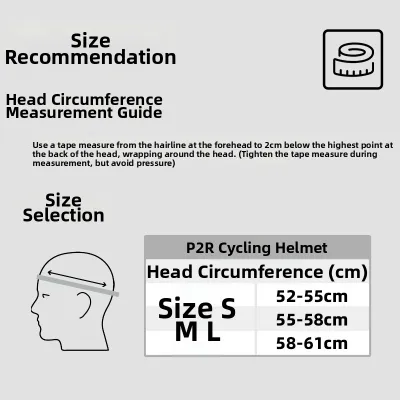
To find your correct helmet size, wrap a flexible measuring tape around your head, positioning it about one inch above your eyebrows and ears. Use this measurement in centimeters to consult the manufacturer’s specific sizing chart, as sizing can vary significantly between brands. When you try the helmet on, it should sit level on your head, covering your forehead, and feel snug without creating painful pressure points. If you shake your head from side to side, the helmet should not slide or wobble; instead, the skin on your temples should move slightly with the helmet. For full-face models, the cheek pads should press gently against your cheeks, similar to a snug motorcycle helmet, without forcing you to bite the inside of your mouth.
Never purchase a mountain bike helmet that lacks clear, recognized safety certification labels. Look for stickers inside the helmet shell or check the product specifications on the manufacturer’s official website. Standard certifications to look for include CPSC (Consumer Product Safety Commission) for the United States market, CE EN1078 for the European market, and AS/NZS 2063 for Australia and New Zealand. For enhanced protection against brain injuries, look for helmets equipped with rotational impact protection systems, such as MIPS (Multi-directional Impact Protection System), which help redirect rotational forces away from the brain during an angled crash.
Finally, when purchasing from an online marketplace or a local retail shop, always check their return and exchange policy. It is highly recommended to test the helmet’s fit while wearing your preferred riding goggles or sunglasses. Ensure that the eyewear fits comfortably within the helmet’s opening, that the helmet does not push your glasses down onto the bridge of your nose, and that the goggle strap does not interfere with the helmet’s retention system.
Community discussion
Share your experience or ask a question. Comments are reviewed before publication.