
Quick Answer: Do You Actually Need a Hard Baseball?
If you are playing in an organized league for older youth, high school, or adults, you strictly require a standard hard baseball. These games demand official specifications to ensure true flight, consistent bounce, and authentic bat feedback during competitive play.
However, if you are practicing in a small backyard, training indoors, or teaching a young beginner, a traditional baseball ball (hard ball) is not the right choice. In these scenarios, soft baseballs, Reduced Injury Factor (RIF) balls, or specialized training alternatives are safer, more practical, and far better suited to developing skills without the risk of injury or property damage.
Step 1: Check Your League Rules and Playing Environment
Before purchasing any equipment, your first step must always be to consult your specific league’s rulebook. Organized baseball leagues have strict equipment standards that dictate the exact construction, weight, and size of the ball. Official youth leagues, such as Little League or local community tournaments, typically transition players from soft tee-balls to RIF balls, and eventually to standard hard baseballs as they move up in age divisions. Using an unapproved ball type can lead to disqualification or safety hazards during official play, making rule verification your top priority.
Products mentioned in this guide
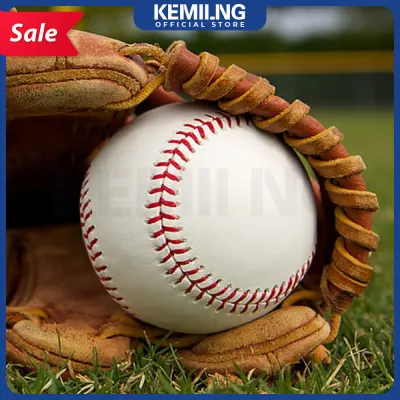
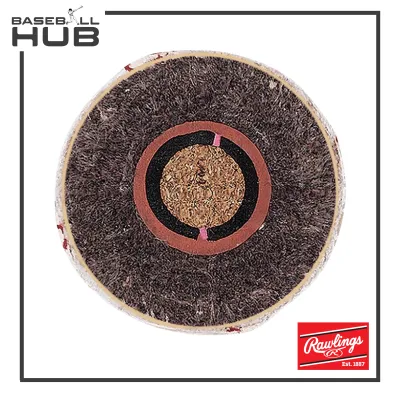
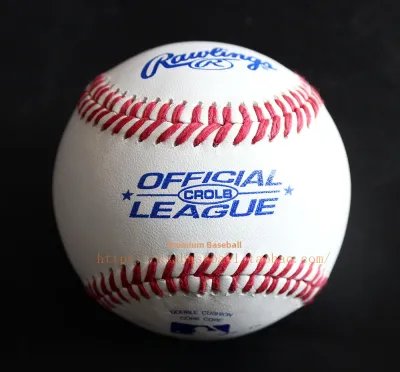
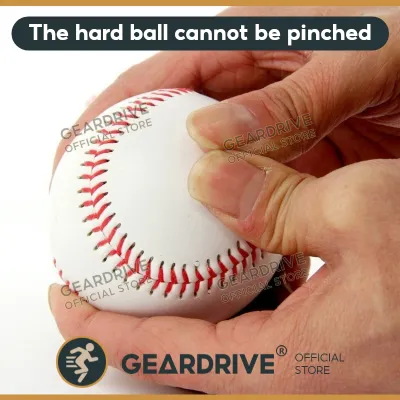
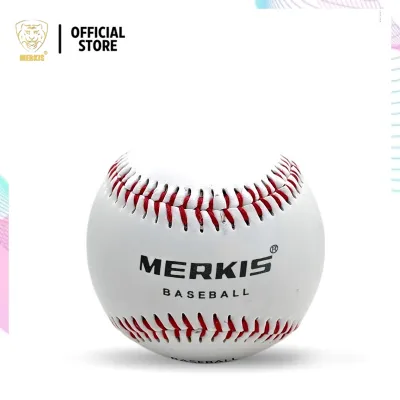
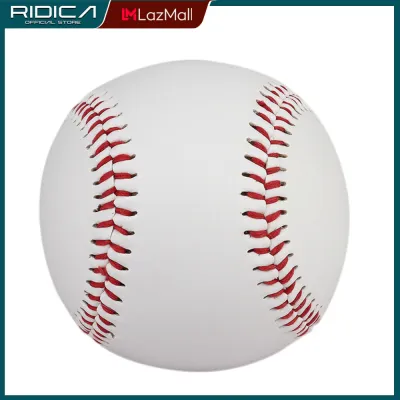
Prices are valid at publication and may change. Please refer to the product page for the latest price.

Beyond league rules, you must evaluate where you plan to play. Standard hard baseballs travel at high speeds and carry significant kinetic energy. They are highly unsuitable for confined spaces, indoor facilities without protective netting, or typical residential backyards. A stray hit can easily shatter windows, dent vehicles, or cause severe injury to neighbors and bystanders. If your primary playing area is a local concrete court, a small yard, or a public park with heavy foot traffic, choosing a softer alternative is the responsible decision.
Furthermore, local climate conditions play a major role in how your gear performs. In tropical environments with high humidity and frequent rainy seasons, genuine leather baseballs require careful management. Leather naturally absorbs moisture, which increases the ball’s weight, ruins its balance, and can cause the inner yarn to swell and rot. If you frequently practice outdoors on damp grass or during humid afternoons, synthetic leather covers or rubberized training balls will withstand the elements much better than premium leather game balls.
Step 2: Compare a Baseball Ball (Hard Ball) with Soft Alternatives
To make an informed decision, you need to understand how different ball types are constructed and how they perform under various training conditions.
Standard Hard Baseballs
Traditional hard baseballs are engineered for competitive, high-level play. They feature a solid core made of cork, rubber, or a combination of both, which is wrapped tightly in thousands of yards of wool or polyester yarn. This core is then encased in two pieces of genuine or synthetic leather, stitched together with raised or flat red cotton seams. This specific construction delivers the classic “crack” of the bat, predictable aerodynamic flight, and the precise grip required for advanced pitching.
However, this rigid design comes with a high risk of impact injury. A hard ball thrown or batted at high speeds can cause bone fractures, severe bruising, or concussions upon impact. Because of these risks, players must wear appropriate, certified protective gear—including batting helmets, chest protectors, and protective cups—whenever hard balls are in use. Standard hard baseballs typically range in price from ₱150 to ₱400 per ball, with premium leather models costing more.
Soft Baseballs and Reduced Injury Factor (RIF) Balls
If you want the feel of a real baseball without the high risk of injury, soft baseballs and Reduced Injury Factor (RIF) balls are excellent alternatives. Purely soft baseballs are made entirely of foam, rubber, or soft felt, making them perfect for toddlers, indoor play, and casual backyard recreation where safety is the primary concern.
RIF balls, on the other hand, are designed specifically for transitional players. They look almost identical to standard hard baseballs, featuring synthetic leather covers and real red stitching, but they contain a softer polyurethane foam core. This core significantly reduces the impact force when the ball strikes a player, minimizing the “sting” of catching and reducing the likelihood of severe injury. RIF balls are categorized by impact levels (such as RIF 1 for younger players and RIF 10 for older children), allowing leagues to gradually introduce realistic play as players develop their defensive skills.
Practice and Training Balls (Dimpled, Wiffle, and Weighted)
Specialized training balls are designed to target specific skill sets while keeping players and equipment safe.
- Dimpled Balls: Made of molded, heavy-duty polyurethane, these yellow balls are designed specifically for pitching machines. Standard leather baseballs will quickly wear out pitching machine wheels, and their seams can cause erratic, dangerous pitches. Dimpled balls provide consistent flight and durability under high-speed mechanical repetition.
- Wiffle and Plastic Balls: These lightweight, hollow plastic balls feature perforated holes that limit flight distance. They are ideal for backyard batting practice, allowing players to swing at full speed without needing a massive field or risking damage to nearby property.
- Weighted Training Balls: Filled with sand or heavy gel, these balls are used to build arm strength and improve batting power. When using weighted balls, always follow the manufacturer's safety guidelines and avoid throwing them at maximum effort to prevent shoulder and elbow strain.
Step 3: Evaluate Age, Skill Level, and Safety Readiness
Choosing the right ball is not just about the rules; it is about matching the equipment to the player’s physical and psychological development.
Physical readiness is a critical factor when transitioning to a hard baseball. Younger players do not have the bone density, muscle strength, or reaction times required to safely manage a fast-moving hard ball. Most sports organizations recommend waiting until players are at least 11 to 13 years old before introducing standard hard baseballs. Before this age, a player’s skeletal structure is still developing, and the risk of growth-plate injuries from high-impact impacts is significantly higher.
Psychological readiness is equally important. Fear of the ball is one of the most common hurdles for young baseball players. If a beginner is hit by a hard baseball early in their training, they may develop a habit of flinching, turning their head away, or closing their eyes when catching or batting. This fear severely hinders skill development and actually increases the risk of injury. Using soft or RIF balls builds confidence, allowing players to focus on correct glove positioning, proper footwork, and tracking the ball all the way into the glove.
When you do decide to transition to a hard baseball, you must treat safety gear as a mandatory requirement rather than an option. Ensure that batting helmets are certified by relevant safety standards and fit snugly without shifting. Catcher’s gear must include a throat guard and a properly fitted chest protector. Regularly inspect all protective gear for cracks, worn padding, or loose straps. In humid tropical climates, store your gear in a well-ventilated, dry area to prevent mold growth and material degradation, which can compromise the protective integrity of the helmets and padding.
Your Final Decision Checklist
To finalize your choice, use this simple checklist to determine which baseball type fits your current situation:
- Are you playing in an official, organized league for older youth or adults?
- Action: Buy standard leather hard baseballs that match your league's specific size and weight regulations.
- Are you coaching young players transitioning from tee-ball to competitive play?
- Action: Opt for RIF (Reduced Injury Factor) baseballs to teach proper mechanics while minimizing injury risk and building confidence.
- Are you practicing batting or pitching in a backyard, garage, or indoor space?
- Action: Choose lightweight plastic wiffle balls, soft foam balls, or dimpled pitching machine balls to protect your surroundings.
- Are you teaching a complete beginner how to catch and throw?
- Action: Start with soft foam balls or tennis balls, transition to RIF balls as their catching mechanics improve, and only introduce hard balls once they demonstrate consistent defensive reflexes.
Frequently Asked Questions (FAQ)
Can I use a hard baseball in a pitching machine?
You should avoid using standard hard baseballs in commercial pitching machines unless the machine manufacturer explicitly states they are compatible. Standard leather baseballs have raised seams that wear down the machine’s spinning wheels, leading to inaccurate pitches and costly equipment damage. Additionally, if the leather cover absorbs moisture from humid air, the ball’s weight changes, which can cause the machine to throw dangerously erratic pitches. For consistent, safe practice, use dimpled polyurethane pitching machine balls.
What is the difference between a hard baseball and a softball?
A softball is not simply a softer version of a baseball; it is an entirely different piece of equipment used in a distinct sport. Softballs are significantly larger (usually 11 or 12 inches in circumference compared to 9 inches for a baseball), heavier, and typically feature a bright yellow-green cover. The core of a softball is also highly rigid, meaning it is not soft to the touch and carries a similar risk of impact injury as a hard baseball. If you are looking for a safer, softer baseball alternative, you should search specifically for RIF, safety, or foam baseballs rather than a softball.
How do I break in a new hard baseball?
Unlike leather baseball gloves, standard hard baseballs do not require any break-in process, conditioning oils, or special preparation. They are ready for use immediately out of the box. As you use them, the leather cover will naturally accumulate scuffs, dirt, and grass stains, which actually improves a pitcher’s grip over time. The ball may also soften slightly after repeated, heavy impacts from bats. To preserve their condition, keep your baseballs dry and store them away from extreme heat and high humidity.
Community discussion
Share your experience or ask a question. Comments are reviewed before publication.