
Deciding on the right hydration system can transform your running experience. The choice between a hydration vest and a running belt depends on your run’s duration, sweat rate, and gear requirements. For short, fast workouts under an hour where you can easily refill, a lightweight running belt is usually enough. However, once your training extends past 75 minutes—especially in high-humidity environments—or if you venture onto remote trails, upgrading to a dedicated hydration vest becomes essential for safety and performance.
Quick Diagnostic: Which Hydration Gear Fits Your Run?
To help you decide, consider this quick diagnostic framework based on your typical running habits and requirements.
Run Duration and Intensity:
Products mentioned in this guide
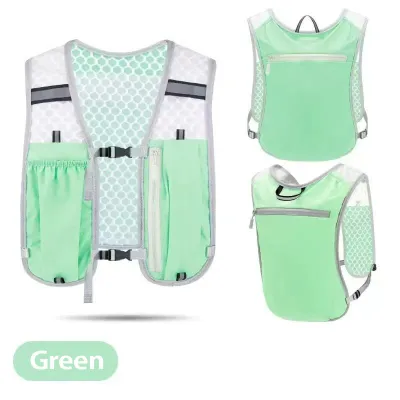
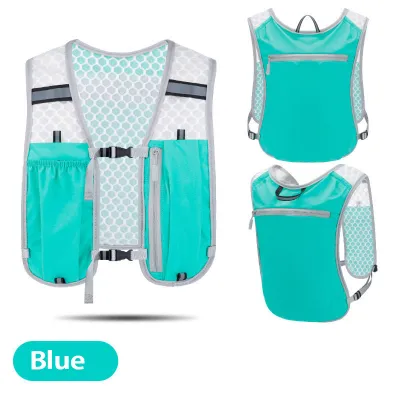
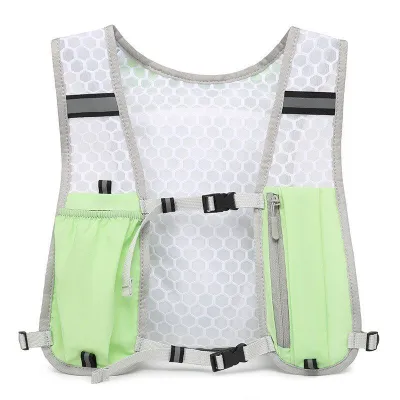
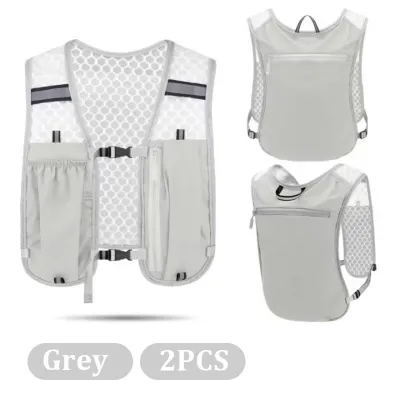
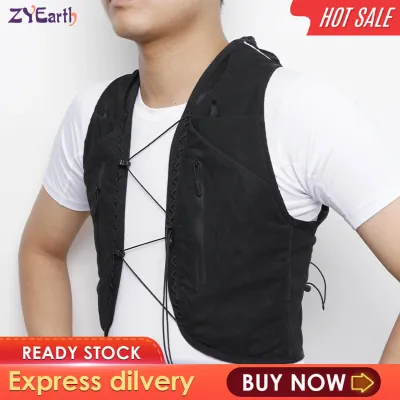
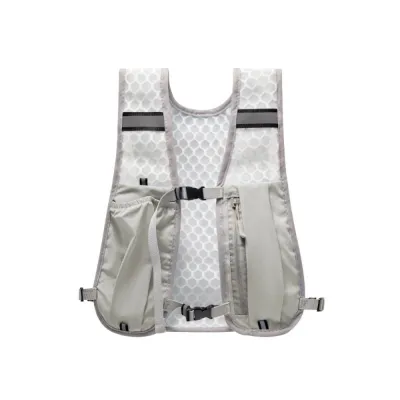
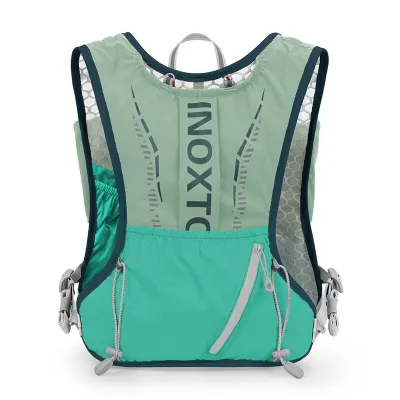
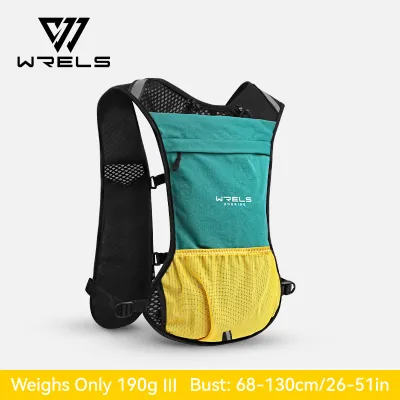
Prices are valid at publication and may change. Please refer to the product page for the latest price.
- Under 60 minutes: A running belt or handheld bottle is highly efficient. Your physiological fluid demand is manageable, and you can easily hydrate immediately before or after the run.
- 60 to 90 minutes: This is the transition zone. A high-capacity running belt with dual soft flasks may suffice if you run in shaded areas or have a planned refill stop.
- Over 90 minutes: A hydration vest is strongly recommended. At this point, your body requires consistent fluid and electrolyte replacement that small flasks cannot reliably support.
Gear Capacity Requirements:
- Minimal Carry: If you only need to carry a smartphone, house keys, a single energy gel, and some cash, a running belt keeps your upper body completely free and cool.
- Bulky or Technical Carry: If your route requires an emergency windbreaker, a headlamp, trekking poles, a basic first-aid kit, and multiple nutrition packets, a vest is the only practical way to distribute this weight without causing severe physical discomfort.
The Tropical Factor: In the Philippines, the combination of high temperatures and relative humidity levels often exceeding 80% accelerates fluid loss through sweat. Even a moderate 5-kilometer run in Manila or Cebu can feel significantly more taxing than the same distance in a temperate climate. This intense humidity prevents sweat from evaporating efficiently to cool your body, meaning you must drink more frequently to maintain a safe core temperature. Consequently, what might be a simple “belt run” in cooler climates often requires the higher fluid capacity of a vest in tropical conditions.
When a Running Belt or Handheld Bottle is Enough
A running belt or handheld bottle serves as an excellent entry point for many runners, offering simplicity, freedom of movement, and affordability. Running belts generally range from ₱500 to ₱2,000, making them a highly accessible option compared to more complex gear.

These systems excel during short to medium-distance road runs on predictable paths, such as laps around UP Diliman or the flat pavements of Bonifacio Global City. When you are running in highly developed urban areas, your need to carry heavy gear is minimal because help, shelter, and convenience stores are rarely more than a few hundred meters away. A sleek, elastic belt sits snugly around your hips, carrying just your phone, keys, and perhaps a 250ml soft flask.
Handheld bottles are favored by runners who dislike any form of constriction around their waist or torso. They are perfect for short loop routes where you pass a vehicle or a water fountain every few kilometers, allowing for quick, effortless refills. Modern handhelds feature integrated hand straps that allow you to relax your grip completely, preventing hand fatigue while keeping a modest amount of water immediately accessible in your palm.
Despite their convenience, minimalist options have clear physical thresholds. As you increase the volume of water in a running belt, you will likely experience “belt bounce.” This vertical movement can be highly distracting and can cause painful chafing around your waistline. Furthermore, belt pockets have rigid physical limits; attempting to stuff a modern, large-screen smartphone alongside keys and multiple gel packets can stretch the fabric to its breaking point or make accessing items on the fly incredibly difficult. Handheld bottles, while simple, can eventually cause minor muscle imbalances or shoulder fatigue on longer runs because you are constantly carrying asymmetrical weight in one hand.
To get the absolute most out of a running belt, you must pack it strategically. Always place your heaviest items—typically your phone or a filled soft flask—directly against the center of your lower back. This aligns the weight with your center of gravity and significantly reduces bouncing. Use the smaller side or front pockets for lightweight items like keys, salt tablets, or folded cash. If your belt uses adjustable straps, tighten it securely around the widest part of your hips rather than your soft waistline to prevent it from riding up as you run.
Clear Signs You Need to Upgrade to a Hydration Vest
While minimalist gear works beautifully for shorter efforts, there comes a point where forcing a running belt to do the job of a hydration vest compromises both your training quality and your physical safety. Recognizing these transition signals early will help you make a timely upgrade before experiencing severe dehydration or gear failure.
When your weekend long runs begin to regularly exceed 12 to 15 kilometers, or when you transition from road running to trail running, your hydration strategy must change. On the trail, your pace slows down significantly due to elevation changes and technical terrain, meaning a 10-kilometer trail run can take twice as long as a road run of the same distance. In remote areas like the mountains of Rizal or Benguet, there are no convenience stores or clean water sources. A hydration vest allows you to carry 1.5 to 2 liters of water in a rear bladder, plus additional electrolyte drinks in front flasks, ensuring you remain fully self-sufficient for hours.
If you find yourself finishing runs completely drenched in sweat, with white salt lines visible on your skin or clothing, you have a high sweat rate. In the intense heat of the Philippines, relying on a single 300ml bottle is risky. A hydration vest provides continuous, high-volume fluid access through front-mounted soft flasks with extended straws. This design allows you to sip water or electrolyte mixes constantly without breaking your running stride or having to fumble with zippers and pockets.
As your routes become more adventurous, the list of mandatory gear grows. Many local trail races require participants to carry a specific set of safety items, including a whistle, a headlamp for early morning or night sections, a basic first-aid kit, a reusable cup, and a lightweight windbreaker to protect against sudden mountain downpours. A running belt simply cannot accommodate these items. A hydration vest features multiple specialized compartments, including rear kangaroo pockets for apparel and front mesh pockets for quick-access nutrition, allowing you to carry everything safely and comfortably.
Pay close attention to how your body feels during and after your runs. If you finish a workout with red, raw chafing marks around your waist, or if you find yourself constantly pulling your belt down because it rides up against your stomach and restricts your deep breathing, your current setup is overloaded. Similarly, if carrying a handheld bottle is causing tension in your neck and shoulders, your body is telling you that it is time to distribute that weight across your shoulders and upper back using a well-fitted hydration vest.
How to Assess Your Personal Hydration and Carry Needs
Selecting the right gear requires an honest assessment of your unique running profile, environmental conditions, and physical build. Rather than buying a vest simply because it is popular, evaluate these four critical dimensions to determine your precise needs.
To understand how much fluid you actually need, perform a simple sweat test. Weigh yourself in kilograms without clothes immediately before a one-hour run, and again immediately after, making sure to towel off any excess sweat. If you did not drink water during the run, every kilogram of weight lost equates to approximately one liter of fluid lost through sweat. If you run in 32°C heat with high humidity, your sweat rate will be significantly higher than on a cool, windy morning. If your sweat loss exceeds 800ml per hour, a running belt will not hold enough water to keep you safely hydrated on runs lasting longer than an hour, making a hydration vest the logical choice.
Analyze where you spend most of your running hours. If your routes are primarily urban parks or residential subdivisions with accessible convenience stores, gas stations, or public water fountains, you can easily plan a route that allows you to stop and refill a single small bottle every few kilometers. In this scenario, a running belt is perfectly adequate. However, if your routes involve remote coastal roads, rural highways, or wilderness trails where clean drinking water is unavailable, you must carry your entire water supply from start to finish. A vest provides the necessary capacity to keep you safe in these self-supported environments.
During runs lasting longer than 90 minutes, your body depletes its glycogen stores and requires external carbohydrates to prevent “bonking.” If you rely on energy gels, chews, or real food like bananas or rice cakes, you need physical pocket space to carry them. Additionally, running in the heat requires consistent electrolyte replenishment to prevent painful muscle cramps. Calculate the total volume of nutrition you need for your target duration. If the physical size of your gels, salt tablets, and solid food exceeds the pocket capacity of a running belt, a vest offers organized, bounce-free storage compartments that keep your nutrition easily accessible.
Your physical structure plays a major role in how gear behaves on your body. Running belts rely on compression around the hips or waist to stay in place. For some body shapes, particularly those with a highly tapered waist or wider hips, belts can easily slip upward or downward during movement, requiring constant manual adjustment. Hydration vests, on the other hand, distribute weight across your shoulders, upper back, and ribcage. They feature adjustable sternum straps that allow you to customize the fit to your chest size and torso length. If you have sensitive abdominal muscles or find waist compression uncomfortable, a vest offers a highly stable, comfortable alternative that moves with your body’s natural running mechanics.
Testing Your Gear Setup Before Race Day
Once you have chosen your hydration setup, it is crucial to test and fine-tune it under realistic training conditions before using it for a race or a major long run. This preparation helps you identify minor fit issues before they turn into painful injuries or gear failures.
Before heading out, fill your flasks or bladder to their maximum capacity and pack all the gear you plan to carry. Put on your vest or belt and perform a “shake test” by jumping up and down and running in place for thirty seconds. Listen for loud sloshing sounds and feel for any immediate shifting or bouncing. If you are using a water bladder, you can eliminate the annoying sloshing sound by turning the bladder upside down and sucking out the excess air before sealing it. Use your initial trial runs—ideally short, easy sessions of 5 to 8 kilometers—to observe how the gear behaves as your body moves.
A hydration system is only useful if you can access its contents while running. During your trial runs, practice pulling out your soft flasks, drinking from the valves, and sliding them back into their pockets without stopping or looking down. Try reaching into the rear pockets of your vest or the side compartments of your belt to retrieve a gel or a phone. If you have to stop completely, struggle with stiff zippers, or find that a pocket is completely out of reach, reorganize your gear so that high-frequency items are always in the most accessible front pockets.
Proper weight distribution is the key to comfort. Always place your heaviest items closest to your body’s center of gravity. For a hydration vest, this means placing a large water bladder flat against your back, or keeping full soft flasks snug against your chest. Adjust the front sternum straps so the vest is secure but does not restrict your chest expansion when breathing heavily. If you feel excessive pressure on your shoulders, tighten the side adjustment straps to pull the load closer to your torso. For running belts, ensure the belt sits low on your hips and is tightened sufficiently to prevent rotational shifting.
During your test runs, pay close attention to physical warning signs. If you experience restricted breathing, severe skin irritation, deep red chafing marks, or numbness in your shoulders and arms, stop your run immediately. These symptoms indicate that your gear is either sized incorrectly, adjusted too tightly, or overloaded. Never attempt to “push through” physical pain caused by poorly fitting gear, as this can lead to bleeding skin or nerve compression. Readjust the straps, reduce the weight of your load, or consult the manufacturer’s sizing guide to ensure you have the correct fit for your body dimensions.
Frequently Asked Questions (FAQ)
Can I use a hydration vest for short daily runs?
Yes, you can certainly use a hydration vest for short daily runs, especially if you prefer hands-free carrying and want a highly stable place to store your phone and keys. However, vests are bulkier, require more setup time, and need frequent washing to prevent sweat odor. For runs under 45 minutes, a running belt is usually much more convenient and keeps you cooler.
How do I prevent a running belt from bouncing?
To prevent a running belt from bouncing, wear it lower on your hips rather than around your natural waistline, where it is more likely to slide. Ensure the belt is pulled tight enough to compress against your pelvic bone without restricting your breathing. Additionally, place your heaviest items in the center-back pocket and distribute lighter items evenly on the sides.
Are hydration vests too hot for running in the Philippines?
While any extra layer adds some warmth, modern hydration vests are specifically designed for hot climates. Look for vests constructed with highly breathable 3D mesh panels, moisture-wicking materials, and open-back or minimalist strap designs. These features maximize airflow and help your body heat escape, allowing you to stay cool while carrying essential fluids in tropical conditions.
Community discussion
Share your experience or ask a question. Comments are reviewed before publication.