
When preparing for a day on the water, safety is the primary priority. But as you gather your gear, you might wonder if you can save some money by using a standard, bulky orange life jacket instead of buying a specialized kayak life vest. While both options are designed to keep you afloat, they serve very different purposes when it comes to comfort, safety, and physical performance.
A standard life jacket is acceptable for short, casual recreational trips in calm, shallow waters close to the shoreline. However, if you plan to paddle frequently, cover long distances, fish from your kayak, or navigate rough waters, a kayak-specific life vest is highly recommended. The specialized design of a kayak vest directly addresses the physical demands of paddling, preventing painful chafing and ensuring your safety gear remains accessible.
Quick Answer: When a Kayak Life Vest is Necessary
Standard life jackets are highly affordable, often costing only a few hundred ₱ in local marine supply stores, making them an easy choice for occasional resort guests or flatwater rentals. However, their bulky design quickly becomes a hindrance during active paddling.
Products mentioned in this guide
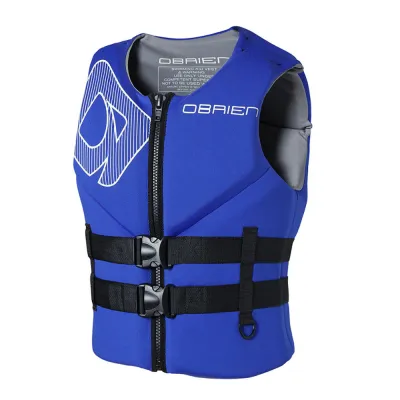
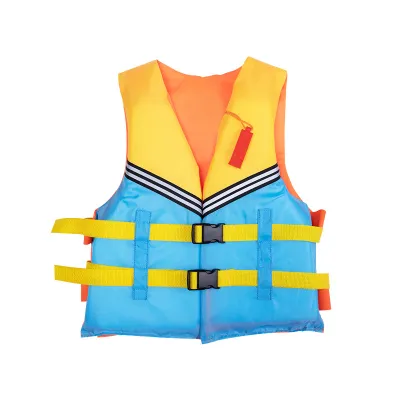
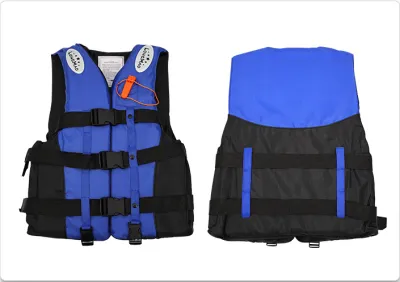
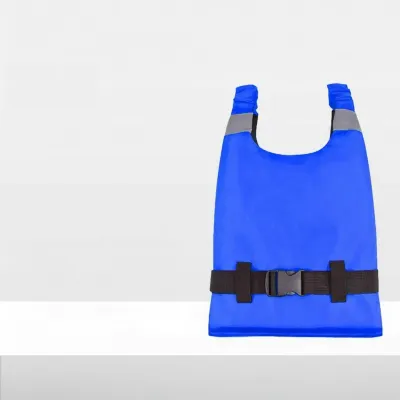
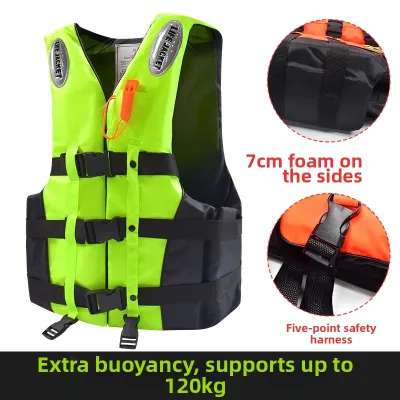
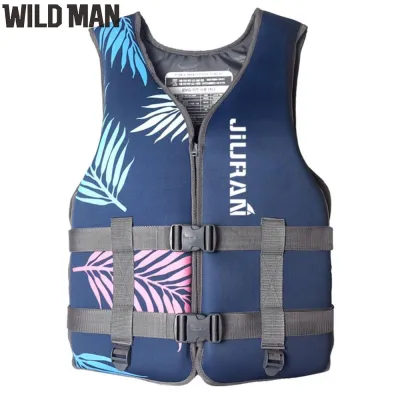
Prices are valid at publication and may change. Please refer to the product page for the latest price.
In contrast, a dedicated kayak life vest represents a larger upfront investment but offers excellent mobility, comfort, and utility. If you find yourself paddling in open bays, tidal rivers, or windy lakes, the specialized vest becomes a necessity rather than a luxury. It ensures you can paddle for hours without physical strain while keeping essential safety tools within arm’s reach.
Design Differences: Kayak Vests vs. Standard Life Jackets
The most immediate difference you will notice between a standard life jacket and a kayak-specific vest is the cut around the shoulders and arms. Standard jackets feature wide, boxy shoulder straps and small armholes that restrict movement. Kayak vests are designed with deep, oversized armholes and narrow, adjustable shoulder straps. This open design allows your arms and shoulders to rotate freely through the entire paddling stroke, eliminating the friction that causes painful skin chafing.

Another critical distinction lies in the back panel construction. Standard life jackets distribute flotation foam evenly across the entire back. When you sit in a kayak with a high-back seat, this thick foam pushes your torso forward, forcing you into an unnatural, slouched posture that strains your lower back. Kayak-specific vests solve this issue with a high-back design. The flotation foam is concentrated on the upper back, while the lower back consists of a thin, breathable mesh panel that sits flush against your kayak seat, allowing you to sit comfortably and maintain proper paddling posture.
Finally, utility features set kayak vests apart. Standard jackets rarely have pockets or attachment points, forcing you to store safety gear in the kayak’s cargo areas where it is difficult to reach during an emergency. Kayak vests are equipped with specialized zippered pockets, D-rings, and lash tabs. These features allow you to secure a safety whistle, a rescue knife, a communication radio, or fishing tackle directly to your chest, ensuring you can access them instantly without losing balance or dropping your paddle.
Match Your Life Vest to Your Paddling Activity
For those who only paddle occasionally on calm lakes, slow-moving rivers, or quiet resort coves, a basic standard life jacket is often sufficient. In these low-risk environments, the primary requirement is reliable flotation and compliance with local maritime safety regulations. If you are staying close to the shore and only paddling for short intervals, the discomfort of a standard jacket may be manageable, provided the jacket fits securely and is rated for your weight.
Anglers and long-distance touring paddlers spend hours, sometimes entire days, on the water. For these activities, a specialized kayak life vest is highly beneficial. Anglers require multiple pockets to organize lures, line cutters, and pliers, while touring paddlers need comfortable, breathable gear that prevents heat exhaustion in hot, humid tropical climates. A dedicated vest with mesh ventilation panels and ergonomic foam placement ensures you remain comfortable and focused throughout a long journey.
Navigating turbulent rapids or open coastal waters introduces significant risks, including strong currents, waves, and sudden capsizes. In these high-risk environments, equipment cannot replace proper training and sound judgment, but a specialized vest is critical. These vests feature a highly secure, low-profile fit that will not slip off when swimming in rough water. They often include advanced safety features like quick-release rescue harnesses and reinforced lash tabs for safety gear. Before entering challenging waters, always verify that your vest is rated for the specific conditions and fits snugly enough to withstand turbulent currents.
How to Test Your Current Life Jacket for Kayaking
To determine if your current life jacket is safe for kayaking, put it on, fasten all buckles and zippers, and sit down in your kayak or on the floor to simulate your paddling position. Have a friend gently pull upward on the shoulder straps, or simulate the upward force of water by lifting the jacket from the armholes yourself. If the collar or foam panels slide up past your chin, ears, or nose, the jacket is unsafe. In the water, this ride-up will restrict your breathing, block your vision, and make it difficult to swim or climb back onto your kayak.
Sit in your paddling posture and perform several exaggerated paddling strokes. Reach forward, pull back, and rotate your torso as if navigating through windy conditions. Pay close attention to the areas under your arms, along your ribs, and around your neck. If you feel any rubbing, pinching, or restriction of movement, the jacket is likely to cause painful chafing and muscle fatigue within the first hour of a real paddling trip.
Before every outing, conduct a thorough physical inspection of your gear. Check all plastic buckles to ensure they click securely and do not slip when pulled under tension. Inspect zippers for corrosion, especially if you paddle in saltwater environments, and ensure the fabric is free of tears or fraying. Squeeze the foam panels firmly; if they feel brittle, waterlogged, or permanently compressed, the flotation material has degraded, meaning the jacket will no longer provide the buoyancy required to keep you safe.
Essential Features to Verify When Upgrading
When shopping for a dedicated kayak life vest, your first step should be checking the manufacturer’s label inside the vest. Verify that the vest is approved by relevant maritime safety authorities, such as the Philippine Coast Guard or international standards like the US Coast Guard. Ensure the label clearly states the correct weight range and buoyancy rating for your body size, as an improperly sized vest will not perform correctly in an emergency.
Look for a vest that offers multiple adjustment points to customize the fit to your body shape. A high-quality kayak vest typically features at least four side straps and two adjustable shoulder straps. This allows you to tighten the vest securely around your torso, preventing it from riding up while still allowing you to breathe comfortably. A snug, tailored fit is essential for both safety and comfort on the water.
In warm, humid tropical climates, heat management is a major consideration. Choose a vest constructed from durable, abrasion-resistant fabrics like high-denier nylon to withstand contact with kayak edges and branches. Prioritize models with extensive mesh ventilation panels on the back and sides. These panels allow air to circulate, helping to keep you cool, and facilitate rapid water drainage after a capsize or heavy rain.
Frequently Asked Questions (FAQ)
Are inflatable life jackets suitable for kayaking?
Inflatable life jackets offer a low-profile design that is comfortable to wear, but they come with significant safety and practical limitations for paddlers. Manual inflatables require you to pull a cord to inflate the bladder, which can be extremely difficult or impossible if you are injured, panicked, or disoriented during a sudden capsize. Automatic inflatables deploy upon immersion, but they can trigger accidentally from heavy paddle spray, rain, or high humidity. Furthermore, inflatables are not recommended for whitewater, active surf, or novice paddlers who need immediate, passive flotation. Always check local maritime regulations to ensure inflatable personal flotation devices are legally recognized for your specific paddling activity.
Will a kayak life vest provide thermal insulation in cold water?
While the foam panels in a kayak life vest do provide a small amount of wind protection and minimal heat retention, they are not designed to serve as thermal insulation. Standard flotation foam does not function like neoprene, which traps a thin layer of water next to your skin to keep you warm. If you are paddling in cold water or during sudden weather changes, you must not rely on your life vest for warmth; instead, layer appropriately with a dedicated wetsuit, drysuit, or thermal base layers designed for immersion.
Community discussion
Share your experience or ask a question. Comments are reviewed before publication.