
Determining whether a knee heating pad is the right tool for your sports recovery depends entirely on the nature of your discomfort. While heat therapy can be highly effective for relieving chronic stiffness, relaxing tight muscles, and promoting blood flow before or after low-impact activities, it can worsen acute injuries, active inflammation, or recent joint trauma. In warm, humid climates like the Philippines, managing sports recovery requires careful attention to how your body reacts to heat. When you are already dealing with high ambient temperatures, adding external heat to an inflamed joint can quickly lead to discomfort and increased swelling. This guide will help you assess your post-workout knee symptoms, distinguish between when to apply heat, when to use ice, and when to bypass home recovery entirely in favor of professional medical evaluation.
Heat vs. Ice: Decoding Your Post-Workout Knee Pain
Identifying the exact nature of your knee discomfort is the first step in determining if heat therapy is the correct response. If you experience a sudden, sharp pain during a basketball game on a local concrete court or a quick twist while trail running, this indicates an acute injury. Acute injuries are typically accompanied by sudden impact, visible swelling, or immediate bruising. Applying heat to a freshly injured knee can dilate blood vessels, increase blood flow to the area, and potentially worsen swelling and internal bleeding.
Instead, the general rule of thumb for thermal therapy in sports recovery dictates that ice and compression are the primary tools for acute micro-trauma and active inflammation. Cooling helps constrict blood vessels, numbs sharp pain, and limits the inflammatory response during the first 48 hours after an injury or an intense, high-impact workout. If you notice any visible swelling or if the joint feels warm to the touch, your knee needs cooling down and compression rather than warming up.
Products mentioned in this guide
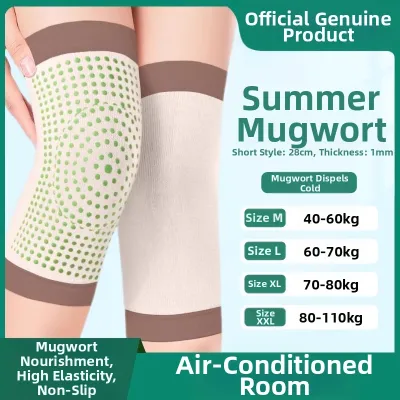
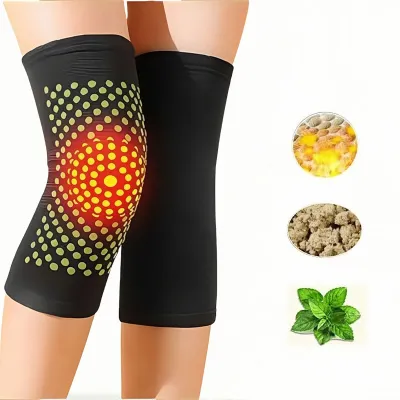
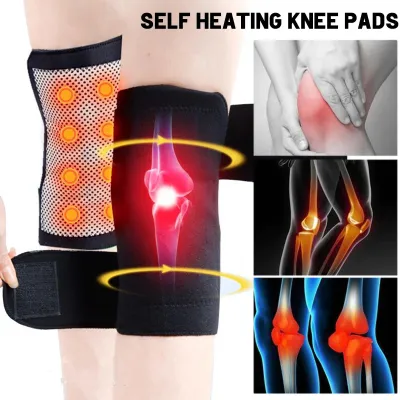
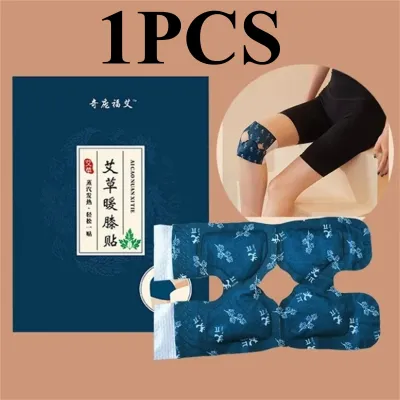
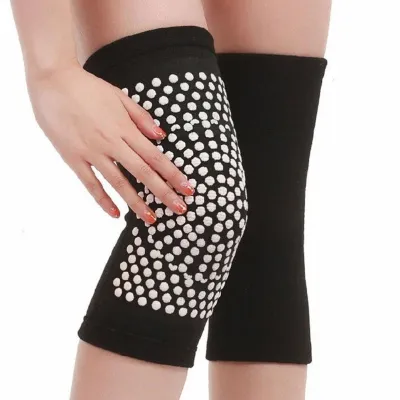
Prices are valid at publication and may change. Please refer to the product page for the latest price.
Conversely, heat is reserved for chronic stiffness, dull aches, or general muscle soreness that persists long after the initial workout. If your knees feel stiff and creaky when you wake up or after sitting in an air-conditioned office, gentle warmth can help relax the surrounding muscles, increase tissue elasticity, and prepare your joints for movement. Understanding this distinction ensures you do not accidentally prolong your recovery time by applying the wrong thermal treatment.
Signs a Knee Heating Pad Is Right for Your Recovery
A knee heating pad becomes a valuable asset when your discomfort is characterized by a dull, lingering ache rather than sharp, sudden pain. This type of discomfort often stems from delayed onset muscle soreness (DOMS) in the large muscle groups surrounding the knee, such as the quadriceps, hamstrings, or calves. When these muscles tighten after a heavy leg workout, they can pull on the knee joint and cause secondary stiffness. Applying targeted warmth encourages blood circulation, bringing oxygen and nutrients to the recovering muscle tissues.

Another key sign that heat is appropriate is pre-workout joint stiffness. If you find that your knees require a lengthy warm-up period before you can comfortably jog, cycle, or perform squats, using a heating pad for a short period before your session can help. The warmth increases the pliability of the tendons and ligaments around the joint, making it easier to transition into dynamic stretching and low-impact activities. This is particularly useful for older athletes or those returning to sports after a period of inactivity.
Additionally, gentle and consistent warmth is highly beneficial for managing chronic joint conditions that are not in an active, swollen state. For active individuals who manage long-term wear and tear, a heating pad offers a non-invasive way to soothe the joint after the initial heat of the day has subsided. It provides a comforting sensation that helps relax the nervous system and eases the tension built up from daily physical demands, making it an excellent addition to your evening wind-down routine.
Red Flags: When to Skip the Heat and Seek Medical Advice
While home recovery tools are convenient, they cannot replace professional medical judgment or proper athletic training. There are several critical warning signs where applying heat is not only ineffective but potentially harmful. If you suspect a severe ligament sprain, a meniscus tear, or acute joint inflammation, you must skip the heating pad entirely. Introducing heat to a structurally compromised joint can accelerate swelling, pool fluid in the joint capsule, and significantly delay your recovery timeline.
You should perform a self-assessment for specific red flags before attempting any thermal therapy. Check if your knee joint is visibly swollen compared to the other side, or if the skin over the kneecap feels hot to the touch. Other major warning signs include a feeling of joint instability—where the knee feels like it might give way—or physical locking, where you cannot fully bend or straighten the leg. An inability to bear weight or walk even a few steps without severe pain is an immediate indicator that you need professional medical evaluation.
If your knee pain persists beyond a typical recovery window of a few days, or if it consistently worsens during or after low-impact activities, do not rely on a heating pad to mask the symptoms. Consulting a physical therapist or a sports medicine professional is essential to diagnose the root cause of the issue. They can provide a targeted rehabilitation plan, assess your biomechanics, and ensure you do not cause further damage to the joint structures.
Choosing and Using a Knee Heating Pad Safely
If your self-assessment confirms that heat therapy is suitable for your recovery, selecting the right equipment is the next step. Look for a knee heating pad that offers adjustable temperature controls, allowing you to customize the warmth to your comfort level without overheating. An automatic shutoff timer is another crucial safety feature, preventing the device from running continuously if you happen to fall asleep during a recovery session.
The design of the wrap itself is highly important for active individuals. A secure, contoured wrap design with adjustable straps ensures that the heating elements maintain consistent contact with the curved surfaces of the knee joint. Additionally, because sports recovery often involves sweat and topical ointments, prioritize models made from easy-to-clean, breathable materials that can be wiped down or have removable, washable covers to maintain hygiene in humid tropical climates.
Safe application practices are vital to prevent skin damage and thermal burns. Always adhere to recommended time limits, typically restricting heat sessions to 15 or 20 minutes at a time. Never apply a heating pad directly to bare skin; instead, use a thin barrier layer, such as a light towel or a clean piece of clothing, to distribute the heat evenly. Avoid using the device while sleeping, as prolonged exposure to even moderate heat can cause silent burns over several hours.
Finally, always read the manufacturer instructions and contraindications before your first use. This is especially critical for individuals who may have reduced skin sensation, localized neuropathy, or peripheral circulation issues, as they may not accurately feel when the temperature has reached a dangerous level. If you have any underlying health conditions, verify with your healthcare provider that thermal therapy is safe for you.
Alternative Recovery Strategies for Active Knees
A knee heating pad is just one tool in a comprehensive sports recovery toolkit. For long-term joint health, incorporating active recovery techniques can yield excellent results. Gentle stretching of the quadriceps, hamstrings, and calves helps relieve the tension that pulls on the patella. Targeted mobility work, such as ankle and hip mobility exercises, ensures that the knee joint does not have to compensate for stiffness elsewhere in the kinetic chain. When using a foam roller, focus on the surrounding muscle groups while avoiding direct pressure on the knee joint itself.
For managing general post-exercise knee fatigue and mild, non-acute swelling, passive recovery methods are highly effective. Wearing a snug compression sleeve can provide structural support and promote lymphatic drainage, helping to keep joint effusion at bay. Elevating your legs on a cushion after a long day of training, combined with adequate rest, allows the body’s natural healing processes to work efficiently without the risk of thermal irritation.
You might also consider other modalities depending on your specific recovery needs. Topical analgesics can provide localized, temporary relief from minor aches without changing the tissue temperature. Contrast water therapy—alternating between warm and cool water immersion—can stimulate blood flow and reduce muscle soreness for athletes looking for an active vascular flush. For deep-seated muscle tension, professional massage therapy can address myofascial trigger points that a standalone heating pad cannot reach.
Frequently Asked Questions (FAQ)
Can I use a knee heating pad immediately after a long run?
Applying heat immediately after a long run is generally not recommended. High-impact cardiovascular exercise like running subjects your knee joints to repetitive stress, which often results in minor micro-trauma and mild, temporary inflammation. Introducing heat right away can exacerbate this inflammatory response, potentially increasing swelling and joint discomfort. Instead, prioritize rest, elevation, and cooling therapies during the immediate post-run window, and wait until any acute warmth or exercise-induced swelling has fully subsided before using a heating pad to relax tight muscles.
Are infrared knee heating pads more effective than standard electric ones?
The choice between infrared and standard electric knee heating pads depends on your specific recovery goals and personal preferences. Standard electric pads rely on conductive heat, warming the surface of the skin to provide immediate comfort and muscle relaxation. Infrared options use electromagnetic radiation to penetrate slightly deeper into the tissue layers, which some users find more soothing for deep-seated joint stiffness. When choosing a device, consider practical factors such as comfort, portability, power source requirements, and how easily the wrap fits into your daily routine.
Community discussion
Share your experience or ask a question. Comments are reviewed before publication.