
Deciding whether to wear a knee supporter depends on your joint comfort, physical activity history, and the demands of your sport. A knee supporter is not a one-size-fits-all solution; it is a targeted tool designed to provide compression, warmth, or mechanical stability. If you experience mild soreness after a run, feel a slight wobble when changing directions, or want to protect a previously stressed joint, the right level of support can help you stay active.
To make an informed choice, evaluate what your knee is telling you during and after exercise. Understanding the difference between normal muscle fatigue and actual joint instability is the first step toward finding the correct level of protection. By matching the structural features of different supporters to the specific movement patterns of your sport, you can maintain your performance while keeping your joints comfortable in hot, humid tropical climates where sweat and skin irritation are constant factors.
Signs You Might Need a Knee Supporter
It is common to feel tired after an intense workout, but there is a distinct difference between normal muscle fatigue and joint-related issues. Muscle fatigue typically presents as a dull, bilateral ache in the thighs or calves that resolves with rest. In contrast, joint instability, sharp localized pain, or a mechanical catching sensation inside the knee joint suggests that the structural components of the knee are under stress. If you feel a sudden, sharp pinch when bending your leg or notice a clicking sound accompanied by discomfort, your joint may require external stabilization.
Products mentioned in this guide
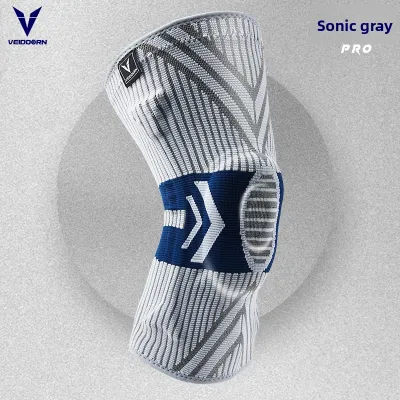
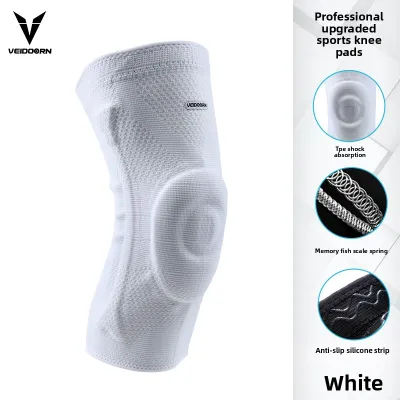
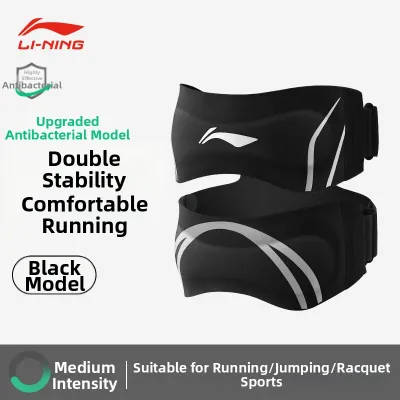
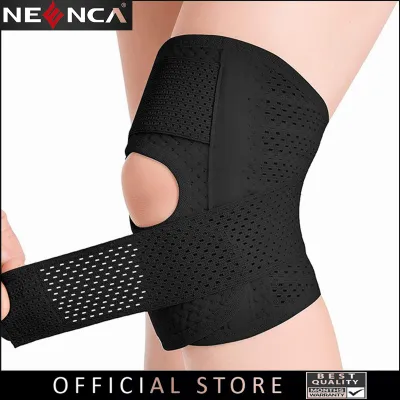
Prices are valid at publication and may change. Please refer to the product page for the latest price.
Another key indicator is how your knee behaves after you finish your activity. Post-activity swelling, stiffness, or a subjective feeling that your knee is “giving way” when you pivot are clear signs of joint strain. That sensation of instability—as if the joint is sliding slightly out of alignment—often occurs during rapid lateral movements, such as those found in basketball, badminton, or football. When these signs appear, a knee supporter can help manage the physical stress placed on the joint.
You might also consider using a knee supporter preventively during high-impact sports involving repetitive jumping, heavy load-bearing, or when returning to play after minor joint strain. In these scenarios, proactive support offers peace of mind and structural reinforcement. However, ensure you are not using a supporter to mask persistent pain that requires a deeper look.
Understanding Knee Support Levels
Knee supporters are categorized by their structural rigidity, compression, and adjustability. These options range from flexible sleeves to highly structured braces with mechanical hinges. Before selecting any gear, always check the manufacturer’s specifications, intended use cases, and sizing guides. This ensures you get the exact level of reinforcement your sport demands without restricting natural movement.

Compression Sleeves
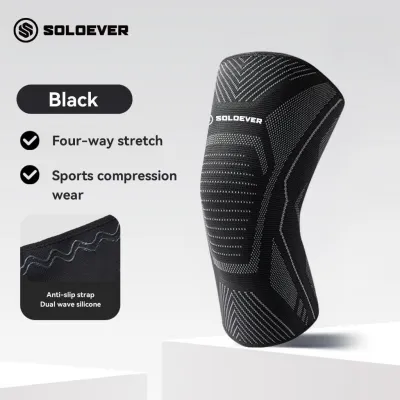
Compression sleeves are the most common and lightweight option available for active individuals. Featuring a simple slip-on design, these sleeves are typically made from flexible, breathable materials like elasticized knit fabrics or thin neoprene. They provide a uniform compression profile around the entire joint, which helps retain local warmth and improve blood flow.
The primary benefit of a compression sleeve is its ability to enhance proprioception, which is your brain’s awareness of your joint’s position in space. This sensory feedback is highly valuable during linear movements like running, cycling, or walking, where lateral twisting is minimal. While a sleeve does not offer mechanical resistance against twisting, it is excellent for managing mild discomfort and reducing minor post-exercise swelling.
Wraparound and Strap Supports
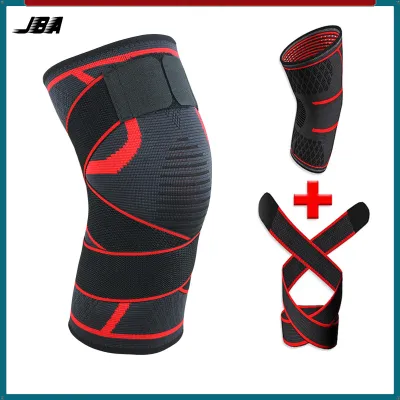
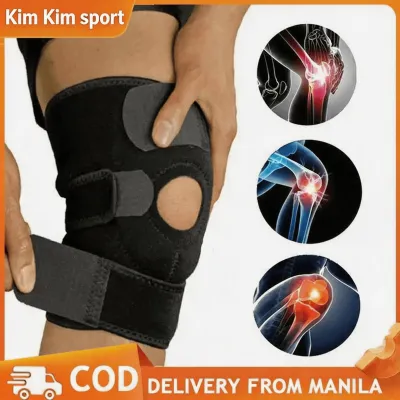
Wraparound and strap supports offer a step up in customization and targeted pressure. Unlike slip-on sleeves, wraparound designs feature adjustable hook-and-loop closures that allow you to control the tightness and fit of the support. This adjustability is incredibly useful if you experience fluctuating swelling throughout the day or during exercise, as you can loosen or tighten the wrap as needed.
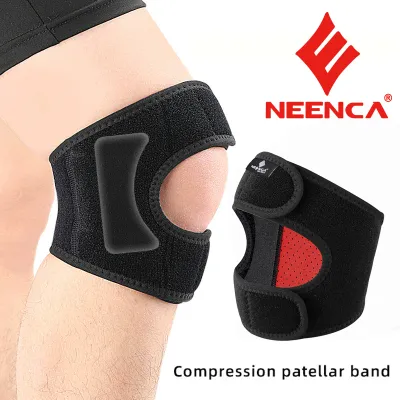
Strap supports, specifically patellar tendon straps, serve a highly targeted purpose. These narrow bands sit just below the kneecap, applying focused pressure to the patellar tendon to help distribute forces more evenly during high-impact jumping or running. They provide a minimalist solution for athletes who do not require full joint compression but need targeted relief for a specific area.
Hinged and Rigid Braces
Hinged and rigid braces represent the highest level of mechanical protection available. These supports incorporate metal or hard plastic stays along the sides of the knee, designed to physically limit lateral movement and prevent hyperextension. By mimicking the natural movement of the joint while blocking harmful side-to-side shifting, these braces protect compromised ligaments from excessive stress.
Due to their restrictive nature, hinged braces are typically used under professional guidance, such as from a physical therapist or orthopedic specialist. They are ideal for individuals recovering from significant joint injuries or managing chronic instability. Using a rigid brace requires careful fitting to ensure the hinges align perfectly with your knee’s natural pivot point, preventing joint irritation.
Matching Support to Your Sport and Activity Intensity
To choose the right knee supporter, analyze the movement patterns and physical demands of your chosen sport. Low-impact, linear activities like jogging, road cycling, or straight-line walking subject the knee to predictable, repetitive forces. For these activities, a flexible compression sleeve is often sufficient, as it provides warmth and joint awareness without restricting your natural stride. The goal here is comfort and mild recovery support rather than mechanical stabilization.
Conversely, high-impact, multi-directional sports like basketball, football, tennis, or badminton require rapid deceleration, sudden pivots, and explosive lateral jumps. These movements place immense shear stress on the ligaments of the knee. If you participate in these sports and have a history of minor instability, a wraparound support with reinforced side stabilizers or a dual-strap system can help manage those lateral forces. However, if you are considering a rigid or hinged brace for competitive play, always check your league’s equipment rules and safety standards. Many contact sports associations prohibit exposed metal or hard plastic parts to protect other players from impact injuries.
Regardless of the support level you choose, supportive gear is a secondary aid, not a primary solution. A knee supporter cannot replace proper physical conditioning, targeted strength training, and thorough warm-up routines. Strengthening the muscles surrounding the knee—such as the quadriceps, hamstrings, and calves—is the most effective way to protect your joints long-term. Use your supporter as a helpful tool, but continue to prioritize flexibility, technique, and gradual progression.
When to Stop and Consult a Professional
While a knee supporter can assist with mild discomfort and joint awareness, it is not a cure for structural damage. You must recognize severe warning signs that require you to stop physical activity immediately and seek professional medical evaluation. If you experience a sudden popping sound during a movement, an immediate inability to bear weight on your leg, visible deformity, or a sensation that the joint is completely locked in place, do not attempt to play through the pain or apply a supporter.
Persistent pain, swelling, or stiffness that does not improve after a few days of rest and basic compression also warrants a visit to a healthcare professional. Self-diagnosing chronic joint issues can lead to improper management and long-term complications. A specialist can provide an accurate diagnosis and recommend a targeted recovery plan.
Finally, avoid using a rigid brace or a tightly wrapped supporter to mask severe pain just to continue playing. Forcing your way through an injury by relying on external support often leads to compensatory movements, which can cause secondary injuries in your hips, ankles, or the opposite knee. Protecting your long-term mobility means knowing when to step off the court, remove the gear, and allow your body to heal.
Frequently Asked Questions (FAQ)
Can I wear a knee supporter all day?
Wearing a knee supporter all day is generally not recommended unless specifically prescribed by a healthcare professional. Continuous compression over long periods can lead to skin irritation, especially in hot and humid climates where sweat accumulates under the material. Prolonged use can also restrict local blood circulation and lead to muscle dependency, where the muscles surrounding your knee become less active because they are relying on the external support. To maintain muscle strength and skin health, follow the manufacturer’s wear-time guidelines and remove the supporter during periods of rest, sleep, or prolonged inactivity.
How do I know if my knee supporter is too tight?
A knee supporter should feel snug and supportive, but it should never cut off your circulation or cause discomfort. Signs that your supporter is too tight include numbness, a tingling sensation, skin discoloration, coldness in your toes, or an increase in pain below the knee joint. If you notice any of these symptoms, loosen the straps immediately or remove the supporter. Always consult the manufacturer’s sizing chart before purchasing, measuring your leg at the specified points to ensure a proper fit that allows comfortable movement without restricting blood flow.
Community discussion
Share your experience or ask a question. Comments are reviewed before publication.