
A magazine extension is an aftermarket accessory designed to replace the standard baseplate of your firearm’s magazine, allowing it to hold additional rounds of ammunition. While the appeal of carrying more rounds without changing magazines is obvious, adding capacity is not a universal upgrade. Whether this modification makes sense for you depends entirely on your specific shooting discipline, your current firearm setup, and the local regulations governing firearm ownership. Before spending your hard-earned money, it is essential to run through a practical self-assessment to determine if an extension is a genuine necessity or an unnecessary complication.
Many shooters look to aftermarket parts as a quick fix for performance bottlenecks. However, a systematic evaluation of your shooting habits, physical gear limits, and training goals will reveal whether a physical modification is the right path forward. By analyzing how you shoot, where you shoot, and what rules you must follow, you can make an informed decision that enhances your performance without compromising safety or legality.
Signs Your Current Setup Limits Your Shooting Performance
When you are on the firing line, pay close attention to how your equipment behaves during timed drills or courses of fire. One of the most common signs that your current setup is limiting you is a frequent need to reload, which can disrupt your shooting rhythm and cause you to miss targets. If you find yourself constantly breaking your grip and sight picture to swap magazines during a short drill, your capacity might be holding you back.
Products mentioned in this guide
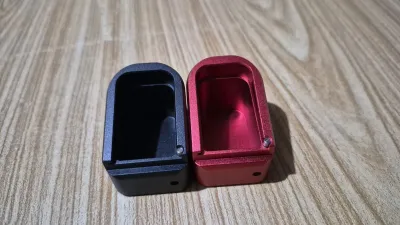
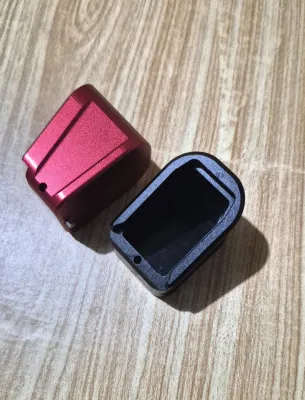
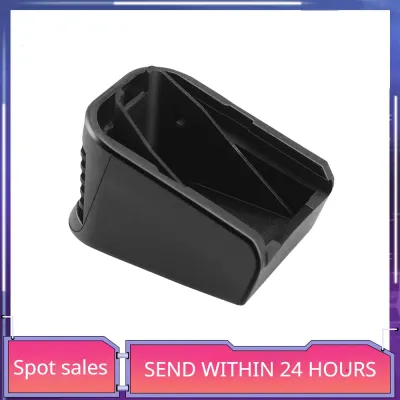

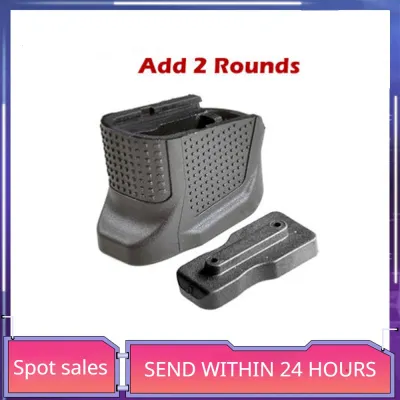
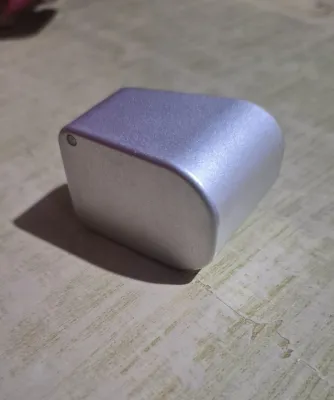
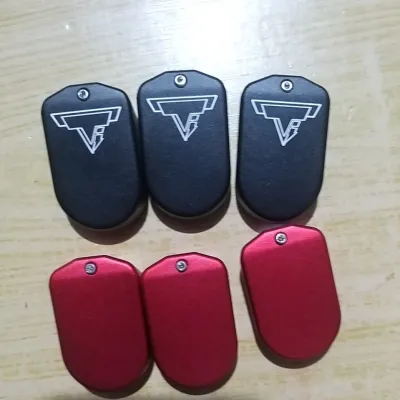
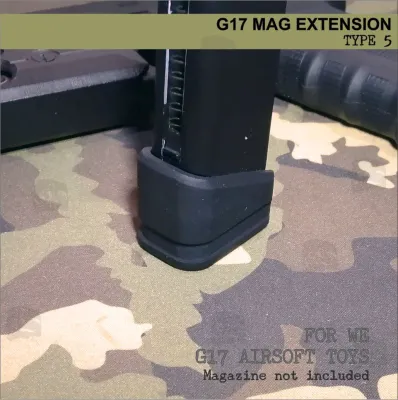
Prices are valid at publication and may change. Please refer to the product page for the latest price.
Another clear indicator occurs during structured stages at the range. If you consistently run out of ammunition just before completing a standard course of fire, forcing an awkward reload on the final target, a slight increase in capacity could streamline your run. This is especially noticeable in dynamic shooting environments where stages are designed around specific round counts.
However, before blaming your equipment, you must honestly evaluate your fundamental skills. If your magazine changes are slow or your reload technique is unrefined, adding more rounds to the magazine only masks the underlying issue. Spending time on dry-fire practice and mastering the mechanics of a smooth reload is often more beneficial than simply increasing your starting capacity.
You can diagnose this by timing your reloads with a shot timer. If your reload time is significantly slower than the average for your skill level, focus on training your hands before modifying your magazines. An extension should complement a shooter who has already mastered efficient reloads, not serve as a crutch for poor technique.
Matching Extensions to Your Specific Shooting Discipline
Your primary shooting activity should dictate whether an extension is a helpful tool or a hindrance. In practical shooting sports, such as those governed by local and international competitive bodies, divisions have strict rules regarding magazine length and capacity. Before modifying your gear, you must verify the division-specific rules to ensure your extended magazine remains compliant and does not accidentally bump you into a highly competitive open class.

For defensive or concealed carry setups, the priorities shift dramatically toward comfort, weight, and concealability. Adding a magazine extension increases the overall grip length of a handgun, which is the hardest part of the firearm to conceal under typical clothing, especially in warm, tropical climates. The extra weight can also cause the firearm to sag on your belt, potentially slowing down your draw speed and compromising your comfort during daily carry.
In hunting or precision shooting scenarios, standard capacity is usually more than sufficient. In these disciplines, shot placement and stability are paramount, and the extra front-end weight of an extended magazine can negatively affect the balance of your firearm. A front-heavy firearm can make steady off-hand shots more difficult and tire your arms during long hours in the field.
Furthermore, if you shoot from a benchrest or a prone position, an elongated magazine can physically interfere with your support. A magazine that extends too far below the magwell can strike the bench or the ground, destabilizing your shooting platform and making it difficult to maintain a consistent sight picture.
Verifying Firearm Compatibility and Local Regulations
Before purchasing any aftermarket parts, you must systematically verify physical compatibility and legal compliance. Start by consulting your firearm manufacturer’s manual to review the approved magazine specifications and tube lengths. It is also crucial to understand how aftermarket modifications might affect your firearm’s warranty, as some manufacturers void warranties if non-standard parts cause operational damage.
In the Philippines, civilian firearm ownership is strictly regulated by the Philippine National Police (PNP) Firearms and Explosives Office (FEO). You must check the current PNP FEO regulations regarding magazine capacity limits for civilian licenses to ensure your modified setup remains fully compliant with local laws. Unauthorized modifications that exceed legal limits can lead to severe legal consequences and affect your firearm’s registration status.
Beyond legalities, physical compatibility directly impacts safety. A poorly fitting extension can cause the magazine to seat incorrectly in the magwell, leading to failure-to-feed malfunctions or preventing the magazine from locking back on the last round. Always verify that the extension is designed specifically for your exact magazine model and generation.
Keep in mind that even minor variations between firearm production runs can affect how aftermarket parts fit. A magazine extension that works perfectly on one generation of a handgun might cause feeding issues on a newer or older version of the same model. Always double-check compatibility charts provided by the extension manufacturer before making a purchase.
Installation, Reliability, and Maintenance Checks
Proper installation is critical to ensuring your modified magazine functions safely and reliably. Always follow the manufacturer’s instructions strictly when removing the original baseplate, managing the spring tension, and securing the extension tube. Because magazine springs are under significant tension, wear eye protection during this process to prevent injury if the spring slips.
Once installed, you must conduct thorough live-fire reliability testing at the range before trusting the magazine for competitive or defensive use. Watch closely for feeding issues, follower tilt, or drop-free failures under recoil, which can occur if the transition between the magazine body and the extension is not perfectly smooth. If the magazine fails to drop freely when you press the release, the extension may be rubbing against the inside of the grip frame.
Routine maintenance is especially important in humid environments where sweat and moisture can accelerate spring fatigue and debris accumulation. Regularly disassemble the magazine to clean out dust, carbon buildup, and moisture, and inspect the extension lock-up screws for tightness. If parts do not align correctly during assembly or if the instructions conflict, stop immediately and consult a qualified gunsmith.
Pay close attention to the follower inside the magazine. If the follower catches on the seam where the extension meets the magazine tube, it can cause intermittent feeding failures. If you notice any resistance when manually depressing the follower during cleaning, do not use the magazine until the issue is resolved.
When to Skip the Upgrade and Stick to Standard Magazines
There are many situations where keeping your firearm in its standard configuration is the smartest choice. If your primary goal is to build solid shooting fundamentals, your focus should be on improving your reload speed and handling skills rather than relying on a higher round count. Standard magazines force you to practice reloads more frequently, which builds essential muscle memory.
Additionally, you should skip the upgrade if the added weight of the extension alters the balance of your firearm to the point of negatively impacting your accuracy or target transitions. A balanced firearm is much easier to control, especially during rapid successive shots.
Using standard magazines for your foundational training ensures you master the baseline performance of your firearm. Once you can run standard equipment flawlessly, you will be in a much better position to decide if an extension will truly enhance your shooting or simply add unnecessary bulk.
Frequently Asked Questions (FAQ)
Will a magazine extension damage my firearm's magazine spring?
Modern magazine springs are engineered to handle continuous compression and standard wear, so a properly designed extension will not inherently damage them. However, because an extension increases the physical space inside the magazine, you often need a longer, stronger spring to maintain the correct tension. Always check the extension manufacturer’s specifications to see if an upgraded spring is required or included with the kit.
Do I need special tools to install a magazine extension?
Most magazine extensions can be installed using standard tools such as punch tools, hex keys, or flathead screwdrivers to remove the original baseplate. However, some magazine designs require specific disassembly tools to avoid scratching the magazine tube or damaging the retaining tabs. Always verify the exact tool requirements in the product’s installation guide before beginning the process.
Community discussion
Share your experience or ask a question. Comments are reviewed before publication.