
Paddling across the coastal waters, calm lakes, and winding rivers of the Philippines offers an unparalleled way to connect with nature. However, as the sun begins to set or when sudden tropical weather patterns roll in, visibility becomes a matter of survival. If you are operating a kayak or a stand-up paddle board (SUP) during low-visibility conditions, you must have a reliable navigation light. While human-powered watercraft are exempt from the complex, permanently wired lighting arrays required on motorized vessels, maritime safety standards dictate that you must carry a ready-to-use white light source to prevent collisions.
Understanding these requirements is not just about avoiding regulatory fines; it is about ensuring you are visible to larger, faster vessels. The unique maritime landscape of the Philippines—characterized by busy coastal traffic, rapid weather shifts, and swift tropical sunsets—makes proper illumination a critical component of your safety gear.
Legal Requirements for Human-Powered Watercraft
Navigating the legal landscape of water sports in the Philippines requires understanding both international standards and localized enforcement. Under the International Regulations for Preventing Collisions at Sea (COLREGs) Rule 25, human-powered vessels like kayaks and stand-up paddle boards are classified as “vessels under oars.” These craft are not legally mandated to carry fixed, colored sidelights (red and green). Instead, the standard requires that a vessel under oars must have ready at hand an electric torch or lighted lantern showing a white light, which must be exhibited in sufficient time to prevent a collision.
Products mentioned in this guide
![[24h Ship]Solar Mark Beacon Light Gillnet Fishing Net Sign Light Marine Signal Light Buoy Light Mesh Label Marine Fishing Emblem Lights Boat With Signal Light Strobe Automatic Light Control Navigation Lights For Boats](https://img.lazcdn.com/g/p/11d9487f3331a56cfe61bc687b5a89e1.jpg_400x400q80.jpg_.webp)
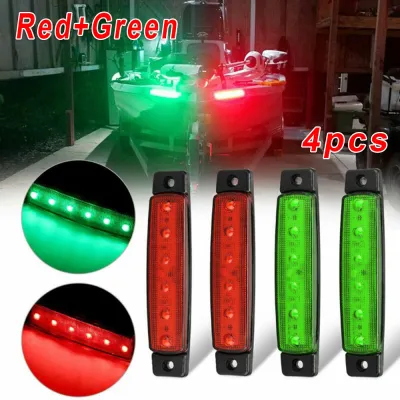
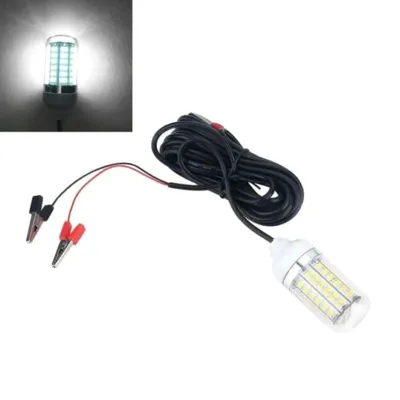
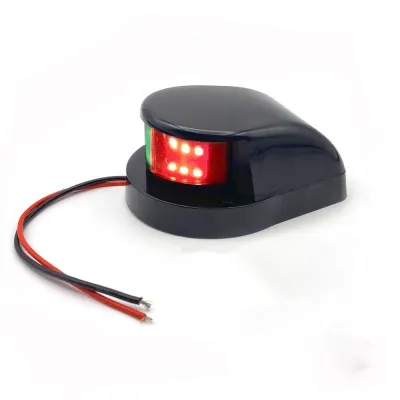
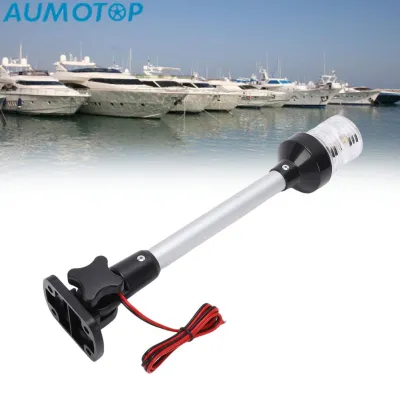
Prices are valid at publication and may change. Please refer to the product page for the latest price.
In the Philippines, maritime safety is overseen by the Philippine Coast Guard (PCG), alongside local government units (LGUs) that manage municipal waters. While national guidelines align with COLREGs, local jurisdictions often enforce their own safety ordinances. High-traffic tourist destinations, marine protected areas, or busy commercial harbors may have strict rules regarding night paddling and mandatory safety equipment. In some areas, municipal ordinances may completely prohibit non-motorized watercraft from operating after sunset without a dedicated, elevated 360-degree white light.
Before launching, verify the specific regulations of your paddling venue. Check with the local PCG station or municipal tourism office to confirm if there are active curfews, restricted zones, or specific lighting specifications. Operating without the legally expected light source puts your safety at risk and can result in warnings or fines from local maritime authorities.
Safety Assessment: When Is a Light Actually Necessary?
Determining whether you need a dedicated navigation light involves evaluating your paddling habits, your environment, and the inherent risks of tropical water sports. Equipment cannot replace personal training, situational awareness, and sound judgment, but a high-quality light serves as your primary line of defense when visibility drops.

Time of Day and Weather Conditions
One critical factor is the rapid transition of daylight in tropical regions. Unlike higher latitudes where twilight can linger, the sunset in the Philippines is swift, transitioning from daylight to darkness in less than 30 minutes. If your afternoon paddling session unexpectedly runs late, you can easily find yourself caught in pitch-black conditions.
Furthermore, the tropical climate is prone to sudden weather changes. Heavy rain showers, localized squalls, and thick sea mists can roll in rapidly, especially during the monsoon seasons. These events can instantly reduce visibility to just a few meters, making it impossible for you to see hazards or for other boaters to spot you. If you plan to paddle during early morning hours (before 6:00 AM), late afternoon (after 5:00 PM), or in seasons prone to sudden storms, a navigation light is an absolute necessity.
Waterway Traffic and Environment
The type of waterway you choose drastically changes your risk profile. Paddling on a secluded inland lake presents very different hazards compared to coastal waters or busy sea lanes. In coastal areas of the Philippines, you share the water with motorized outrigger boats (bangkas), fast-moving passenger ferries, jet skis, and large commercial vessels.
Because a kayak or paddle board sits extremely low in the water, its profile is difficult to spot from the helm of a larger vessel. Motorized bangkas often travel at high speeds and may have limited forward visibility due to their spray shields. Against the background glare of coastal resorts or a setting sun, a low-profile paddler without an active light source is virtually invisible until it is too late to avoid a collision.
Emergency and Rescue Scenarios
A navigation light is also a vital tool for emergency signaling and search-and-rescue operations. If you capsize, lose your paddle, or get swept away by strong tidal currents—which are common in deep channels between Philippine islands—a light becomes your primary means of attracting attention.
Search operations conducted by the PCG or local disaster responders are exceptionally challenging in the dark. A steady or flashing white light can be spotted from a distance, drastically reducing response times. Relying on a smartphone screen for illumination is highly ineffective due to limited battery life and insufficient light output.
Choosing the Right Lighting Equipment
Selecting the correct lighting equipment is crucial. Marine lighting must be durable, highly visible, and capable of withstanding the harsh, corrosive saltwater environments of the Philippines.
360-Degree White Lights
An all-around, 360-degree white light is the gold standard for small watercraft safety. This type of light projects a continuous beam in every direction, ensuring visibility to vessels approaching from any angle.
To be effective, a 360-degree light must be elevated. Mounting the light directly on the deck of your kayak or paddle board means your own body, PFD, or gear will block the light. Look for systems featuring an elevated mount or collapsible pole that positions the light above your head level when seated or standing. These lights typically attach via heavy-duty suction cups, track systems, or temporary adhesive mounts, making them versatile for various hull materials.
Directional Lights and Headlamps
While a 360-degree light makes you visible to others, directional lights—such as waterproof headlamps or bow-mounted spotlights—help you see where you are going. These are highly useful for navigating shallow coral reefs, identifying shoreline landing spots, or reading physical charts.
However, directional lights must be used with caution. Never shine a bright headlamp directly at an oncoming vessel, as this can temporarily blind the operator. Additionally, keeping a bright light shining directly in front of you will ruin your night vision, making it harder for your eyes to adjust to the surrounding darkness. Use your headlamp selectively, turning it on only when scanning the immediate area or signaling your position.
Backup and Passive Visibility
No electronic device is completely foolproof, especially when exposed to saltwater and high humidity. Always supplement your active navigation light with passive visibility aids and backup gear:
- Reflective Marine Tape: Apply high-visibility reflective tape to your paddle blades, the bow and stern of your kayak, and your helmet.
- High-Visibility Clothing: Wear a bright orange, yellow, or neon green PFD. Avoid dark colors that blend into the water.
- Chemical Glow Sticks: Keep several industrial-grade chemical glow sticks in your PFD pockets as an emergency backup.
- Waterproof Ratings: Ensure any electronic light carries a certified waterproof rating of at least IPX7 (withstands temporary immersion) or IPX8 (designed for continuous submersion). Check the manufacturer's battery runtime under continuous use to ensure it covers your entire paddling window.
Safe Installation and Pre-Launch Checks
Properly installing and maintaining your lighting equipment is just as important as choosing the right gear. A poorly mounted light can fall off into the water, fail prematurely, or fail to make you visible to surrounding traffic.
To ensure maximum visibility, mount your 360-degree light on the stern (rear) of your kayak or paddle board, elevated on a pole that clears your head. This placement prevents the light from shining directly into your eyes, preserving your natural night vision, while still providing unobstructed visibility to other vessels.
When securing mounts to your watercraft, match the attachment method to your hull type. For hard-shell rotomolded polyethylene or composite kayaks, track mounts or suction cups designed for marine use are highly secure. For inflatable kayaks and drop-stitch stand-up paddle boards, use specialized adhesive accessory pads or D-ring mount adapters. Always consult your watercraft manufacturer’s instructions before applying permanent adhesives or drilling holes to ensure you do not compromise the structural integrity of the hull or void your warranty.
Before every launch, perform a quick safety check to ensure your equipment is fully functional:
- Battery Verification: Test the light before leaving the shore. Ensure rechargeable batteries are fully charged, or carry a spare set of fresh batteries in a dry bag.
- Seal Inspection: Inspect the rubber O-rings on the battery compartment for any signs of wear, sand, or salt buildup. Clean the seals and apply a thin layer of marine silicone grease if recommended by the manufacturer to prevent water ingress.
- Secure Attachment: Give the mounted light a firm tug to ensure it is locked into place. Attach a small safety lanyard from the light to a secure point on your deck rigging so that if the mount fails, the light will not sink.
- Accessibility Check: Ensure the power switch is easily accessible from your paddling position, allowing you to turn the light on quickly if visibility suddenly drops while you are on the water.
Frequently Asked Questions (FAQ)
Can I just use a regular waterproof flashlight instead of a marine navigation light?
A handheld waterproof flashlight is an excellent tool to carry, but it cannot fully replace an elevated, 360-degree marine navigation light. A standard flashlight projects a narrow, directional beam. While it is highly effective for signaling an approaching boat or spotting obstacles directly in front of you, it does not provide continuous, all-around visibility. A vessel approaching you from behind or from the side will not see your flashlight beam unless you happen to point it directly at them, leaving you vulnerable to collisions in busy waters.
Do I need red and green sidelights on my kayak?
Generally, human-powered watercraft under seven meters in length are not legally required to carry red and green sidelights. A single, all-around white light that can be displayed in time to prevent a collision is the standard and legally sufficient setup. In fact, installing red and green lights incorrectly can confuse other boaters, who use these colors to determine a vessel’s heading and right-of-way. Stick to a highly visible, elevated white light, which clearly communicates your presence as a slow-moving or stationary craft.
What should I do if my light fails while on the water?
If your primary navigation light fails while you are on the water, remain calm and take immediate safety actions. First, activate your backup light source, such as a waterproof headlamp or a chemical glow stick, and secure it to your PFD or helmet. Blow your marine safety whistle repeatedly—one long blast every two minutes is the standard signal for a vessel underway in low visibility—to alert nearby boats of your position. Begin paddling immediately toward the nearest safe, shallow shoreline or well-lit dock, keeping your eyes and ears open for the sound of motorized engines. Avoid crossing busy navigation channels in the dark without a functional primary light.
Community discussion
Share your experience or ask a question. Comments are reviewed before publication.