
If you feel a sharp, nagging ache directly beneath your kneecap after a long run along a humid coastal road or an intense game of basketball on a local concrete court, finding targeted relief is likely your top priority. A patella knee strap is a narrow, specialized band worn directly below the kneecap. It is designed specifically for individuals experiencing localized pain along the patellar tendon, which often flares up during high-impact activities like running, jumping, or cycling.
However, this simple accessory is not a universal solution for every type of joint pain. It is highly effective for specific tendon issues but will not help those with generalized joint aching, ligament instability, or severe acute injuries. Always consult a healthcare professional or physical therapist for an accurate diagnosis, as a strap is a supportive management tool rather than a replacement for medical treatment or structured rehabilitation.
How a Patella Strap Works (And What It Cannot Fix)
To understand if this accessory is right for you, it helps to look at its biomechanics. The strap features a small, firm pad or tube that aligns directly over the patellar tendon—the tough band of tissue connecting your kneecap to your shinbone. When tightened, the strap applies targeted compression to this tendon, which slightly alters the angle at which the tendon pulls on the kneecap. This pressure effectively disperses the mechanical forces and reduces the strain at the tendon’s attachment point.
Products mentioned in this guide
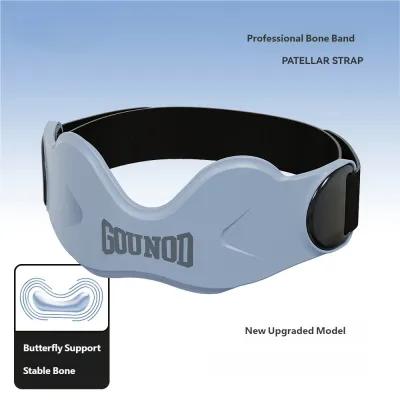
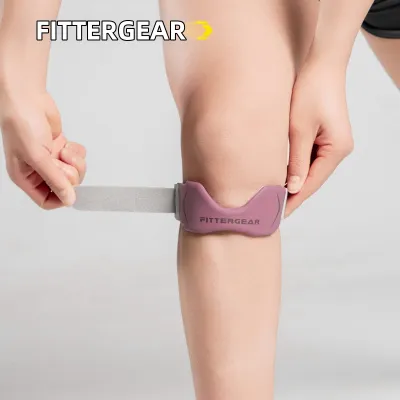
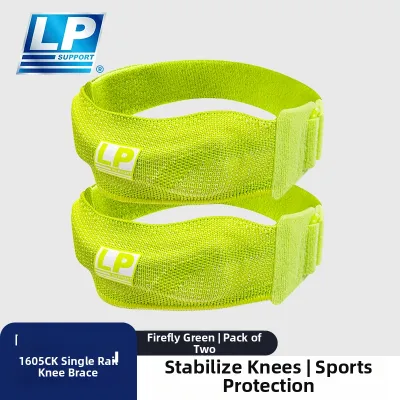
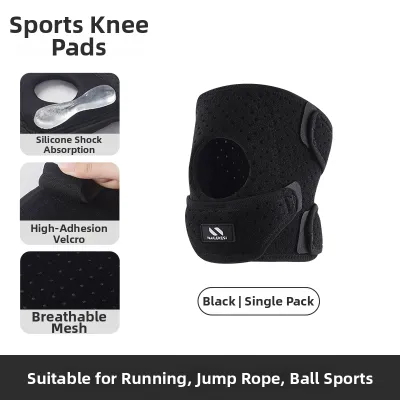
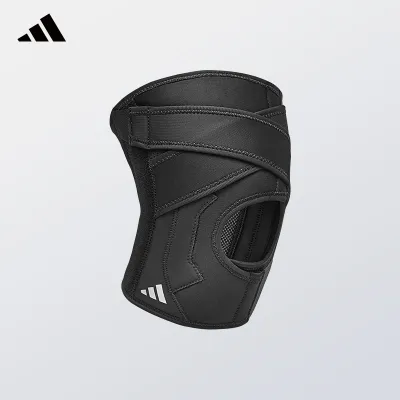
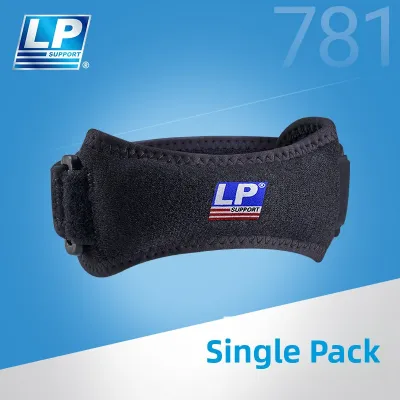
Prices are valid at publication and may change. Please refer to the product page for the latest price.
Additionally, the strap helps stabilize the tracking of the kneecap during repetitive bending. During activities like pedaling a bike or climbing stairs, the kneecap should slide smoothly within a groove on your thighbone. If it misaligns slightly, it can cause friction and irritation. The strap provides a mild mechanical guide to keep the patella in its proper path.
However, its design is highly specialized and has clear limitations. It cannot prevent lateral (side-to-side) shifting of the entire knee joint, it does not compress the surrounding tissue to reduce generalized swelling, and it cannot repair structural damage like torn ligaments or worn cartilage.
4 Clear Signs a Patella Knee Strap Is Right for You
Finding the right knee support requires matching your specific symptoms, movement patterns, and physical sensations to the mechanical function of the gear. If you are trying to decide whether to purchase a patella knee strap, pay close attention to how your joint behaves during and after physical activity. Here are four clear signs that a targeted strap is the appropriate choice for your discomfort.

Localized Pain Just Below the Kneecap
The most telling indicator is the precise location of your discomfort. If you can point with one finger to a highly localized, tender spot directly underneath your kneecap, you are likely dealing with irritation of the patellar tendon. This sensation is often described as a dull, persistent ache during rest that sharpens into a distinct pain when you press on the area or begin to move.
In active circles, this presentation is frequently associated with patellar tendinopathy, commonly known as “jumper’s knee.” It is a classic overuse injury where the tendon becomes inflamed or micro-torn from repetitive stress. Because a patella strap is engineered to compress this exact anatomical zone, it is highly effective at relieving pressure right where the irritation occurs, allowing you to move with less discomfort.
Discomfort During High-Impact or Repetitive Bending
Another key sign is when your pain occurs. If your knee feels perfectly fine when you are sitting still or walking on flat ground, but flares up during activities that require explosive jumping, rapid deceleration, or deep bending, your patellar tendon is likely taking the brunt of the load. This is incredibly common in sports like basketball, volleyball, badminton, and running—especially when navigating downhill paths or hard concrete surfaces.
The pain typically intensifies during the eccentric load-bearing phase of these movements, such as landing from a jump or bending your knee to squat. If the discomfort subsides relatively quickly once you rest and elevate the leg, but returns the moment you resume these repetitive motions, a patella strap can help. By dampening the vibrations and mechanical load during these high-impact phases, the strap prevents the tendon from reaching its painful threshold too quickly.
Mild Tracking Issues Without Joint Instability
You might also notice a physical sensation of friction inside the joint. This often manifests as a mild grinding, clicking, or a sensation that the kneecap is shifting slightly out of its natural groove when you bend and straighten your leg. If this tracking issue is minor and does not cause your entire knee to feel loose, a strap can offer the gentle guidance needed to smooth out the movement.
The targeted pressure of the strap acts as a physical barrier and guide, encouraging the patella to glide correctly within the trochlear groove. This reduces the painful rubbing of cartilage against bone. It is crucial, however, to distinguish this mild tracking friction from structural instability; if the joint feels like it is physically giving out or cannot hold your weight, the issue lies deeper than simple tracking.
Osgood-Schlatter Discomfort in Active Youth
For growing, highly active adolescents in the Philippines playing competitive school sports, knee pain often concentrates at the tibial tubercle—the bony bump on the shinbone just below the kneecap. This condition, known as Osgood-Schlatter disease, occurs when the patellar tendon pulls repeatedly on the developing growth plate at the top of the shin, leading to inflammation, swelling, and a prominent, tender bump.
A patella knee strap can be a valuable tool for young athletes managing this discomfort during sports. By compressing the tendon above the bony bump, the strap reduces the direct pulling force on the sensitive growth plate. This helps relieve the sharp pain during physical education classes or weekend matches. However, because this involves a developing skeleton, using a strap must always be combined with adequate rest, stretching, and pediatric or physical therapy guidance to prevent long-term complications.
When to Skip the Strap: Signs You Need a Different Knee Support
While a patella strap is excellent for localized tendon issues, using it for the wrong type of injury can be ineffective or even worsen your condition by delaying proper treatment. If your symptoms do not align with the signs of tendon strain, you likely need a different type of orthotic support or immediate medical attention. Look out for these critical “stop” signals that indicate a patella strap is not the right tool for the job.
Your Knee "Gives Way" or Feels Unstable
If you experience a sudden buckling sensation, feel like your knee might collapse under your weight, or notice the joint shifting side-to-side, this is a major warning sign. A knee that feels structurally loose or “gives way” during basic movements usually points to a ligament injury, such as a sprain or tear of the Anterior Cruciate Ligament (ACL) or Medial Collateral Ligament (MCL).
A simple patella strap offers zero lateral or rotational support. Relying on a narrow band when your ligaments are compromised can lead to severe re-injury. For joint instability, you require a structured, hinged knee brace that features rigid side stabilizers to physically prevent abnormal lateral movement, alongside a comprehensive rehabilitation program to rebuild joint stability.
You Have Generalized Aching, Swelling, or Stiffness
When your knee pain is diffuse—meaning you cannot pinpoint a single spot and instead feel a deep, aching sensation throughout the entire joint—a patella strap will do very little. This generalized discomfort, often accompanied by morning stiffness or visible swelling that makes the entire knee look puffy, is typical of osteoarthritis, general joint inflammation, or mild fluid buildup.
In these scenarios, a compression knee sleeve is a far better option. A sleeve covers the entire joint, providing uniform compression that promotes blood circulation, retains therapeutic warmth, and enhances proprioception (your brain’s awareness of the joint’s position). A narrow patella strap, by contrast, would only restrict local circulation without addressing the broader joint inflammation.
You Are Recovering from a Severe Acute Injury
If your knee pain started after a sudden, traumatic event—such as a hard collision on the court, an awkward twist while landing, or an impact that caused immediate, massive swelling—do not attempt to self-treat with a patella strap. These situations often involve acute structural damage, such as meniscus tears, patellar fractures, or complete ligament ruptures.
Using a basic strap in the wake of severe trauma can exacerbate the injury and delay crucial healing. These conditions demand immediate medical evaluation, diagnostic imaging, and highly specific care. Recovery often requires complete immobilization in a rigid brace, post-operative orthopedic protocols, or structured physical therapy sessions designed by a professional, rather than a self-prescribed retail strap.
Patella Strap vs. Sleeves and Braces: Matching Support to Your Symptoms
To help you visualize which support mechanism matches your current physical condition, it is helpful to compare the three primary types of knee gear side-by-side. Each serves a distinct biomechanical purpose, and choosing the right one depends entirely on your specific symptoms, stability needs, and activity levels.
| Support Type | Best For (Symptoms/Conditions) | Primary Benefit | What It Lacks |
|---|---|---|---|
| Patella Knee Strap | Localized pain below the kneecap, jumper's knee, Osgood-Schlatter, mild tracking friction. | Targeted compression on the patellar tendon; highly breathable and allows full joint mobility. | No lateral stability; cannot reduce generalized swelling or support the whole joint. |
| Compression Knee Sleeve | Generalized joint stiffness, mild arthritis, diffuse swelling, minor overall soreness. | Uniform warmth, mild compression, improved blood flow, and enhanced joint position awareness. | Minimal structural support; cannot stabilize a tracking kneecap or prevent ligament shifting. |
| Hinged Knee Brace | Moderate to severe joint instability, ligament sprains/tears (ACL/MCL), post-surgical recovery. | Maximum structural protection; rigid side hinges prevent dangerous lateral and rotational movements. | Heavy, bulky, restricts natural range of motion, and can trap heat in warm, humid climates. |
When selecting your gear, prioritize your exact symptoms over the perceived “strength” of the support. A heavier, more expensive hinged brace is not “better” if you only have a mild tendon strain; in fact, its bulkiness might restrict your natural movement and cause unnecessary muscle laziness. Additionally, patella straps are highly accessible, typically costing between ₱300 and ₱1,200 on local e-commerce platforms, making them a practical, low-risk option to try before investing in heavier orthotics. Choose the tool that directly addresses your primary mechanical limitation.
How to Position and Wear the Strap for Actual Relief
Even the highest-quality patella knee strap is completely ineffective if it is positioned incorrectly. Because it relies on targeted physical compression to alter tendon mechanics, precise placement is essential for achieving actual pain relief and preventing further irritation.
To wear the strap correctly, sit down with your leg extended straight or slightly bent. Locate your kneecap, then slide your fingers down until you feel the soft, indented space directly below the bone, just before the hard bump on your upper shinbone (the tibial tubercle). The padded, thickened section of the strap must sit directly over this soft tissue—the patellar tendon. Do not place the strap directly on top of the kneecap or on the hard shin bump, as this will cause painful friction and fail to compress the tendon.
Once positioned, pull the strap snug and secure the fastener. The tension should be firm enough to apply noticeable pressure when you bend your knee, but it must not be so tight that it pinches your skin, cuts off circulation, causes numbness, or makes your lower leg swell.
In hot, humid tropical climates, wearing the strap too tight can trap sweat and lead to skin chafing. It is highly recommended to look for straps made of breathable, moisture-wicking neoprene or mesh with silicone grip strips to prevent slipping. Regularly wash the strap to avoid bacterial buildup from sweat. After fastening, stand up and perform a few slow bodyweight squats. The strap should stay firmly in place without sliding down your calf or digging painfully into the back of your knee. If it slips, adjust the tension slightly or ensure it is resting directly against your skin or a very thin, high-grip athletic fabric.
Red Flags: When to Stop Self-Treating and See a Professional
While a patella knee strap is an excellent tool for managing minor mechanical strain, it is not a substitute for professional medical care. Knee pain can sometimes indicate underlying structural damage that requires specialized intervention. You must stop sports activities, remove the strap, and consult an orthopedic doctor or physical therapist immediately if you experience any of the following red flags:
- Inability to bear weight: You cannot support your own weight on the affected leg or take more than a few steps without severe pain.
- Visible deformity: There is a noticeable change in the shape or alignment of your knee joint compared to the uninjured side.
- Sudden, massive swelling: Significant swelling develops within hours of an activity or injury, indicating potential internal bleeding or fluid buildup.
- Locking or catching: The joint physically locks, catches, or prevents you from fully straightening or bending your leg.
- Worsening chronic pain: The discomfort continues to intensify over several weeks despite rest, ice, and using supportive gear.
Remember, equipment cannot replace clinical judgment, proper physical conditioning, and structured rehabilitation.
Frequently Asked Questions (FAQ)
Can I wear a patella knee strap all day?
No, you should not wear a patella knee strap all day. It is designed to be worn specifically during activities that place high mechanical stress on your patellar tendon, such as running, playing basketball, or lifting weights. Remove the strap during prolonged periods of sitting, resting, or sleeping. Continuous wear can restrict local blood flow, cause skin irritation from trapped sweat, and lead your body to rely too heavily on external support.
Should I wear the strap over or under my clothes?
For the best results, wear the patella strap directly against your skin or over very thin, tight-fitting athletic compression wear. The strap relies on its internal pad staying precisely positioned over the patellar tendon. Wearing it over loose-fitting pants, thick sweatpants, or heavy fabrics will cause the strap to slip out of place and significantly reduce the targeted pressure needed to relieve pain.
Will wearing a patella strap weaken my knee muscles over time?
Unlike rigid, immobilizing braces, a narrow patella strap does not restrict your joint’s natural range of motion or take over the workload of your major muscle groups, so it is highly unlikely to cause muscle weakness. However, it is still crucial to use the strap as a temporary aid rather than a permanent crutch. True long-term recovery depends on a balanced strengthening program targeting your quadriceps, hamstrings, and glutes to naturally stabilize the knee joint.
Community discussion
Share your experience or ask a question. Comments are reviewed before publication.