
A patella strap is a highly focused support tool designed to apply localized pressure to the patellar tendon, helping to manage discomfort just below the kneecap during high-impact activities. It is not a general cure-all for knee pain, nor does it replace physical rehabilitation. If your pain is diffuse, deep inside the joint, or accompanied by swelling, a simple strap will not address the root cause. Deciding whether to use one requires analyzing your specific symptoms, understanding how the strap interacts with your knee anatomy, and recognizing when your body needs professional medical attention rather than a quick support accessory.
Common Signs a Patella Strap Might Help
If you regularly play basketball on outdoor concrete courts, run on asphalt in the heat, or navigate the steep stairs of transit stations, these activities place high eccentric loads on your patellar tendon. When this tendon becomes strained, you will typically feel a sharp or aching pain directly below your kneecap. A patella strap is specifically designed to target this localized area by compressing the tendon, which slightly alters the angle at which it pulls on the kneecap to help redistribute mechanical forces.
Another key indicator is how your pain behaves under rest versus activity. If the ache subsides when you are sitting down or resting at home, but consistently flares up the moment you start jogging, jumping, or performing deep squats, the tendon is likely struggling to manage the physical load. The strap acts as a temporary mechanical buffer during these specific movements, helping you manage discomfort while you work on long-term recovery.
Products mentioned in this guide
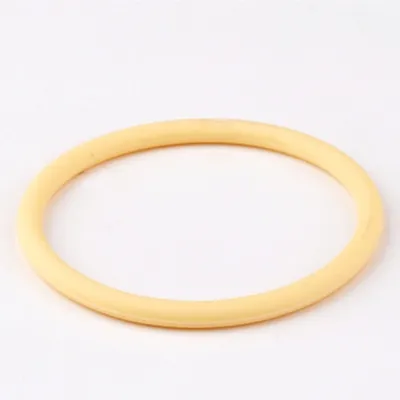
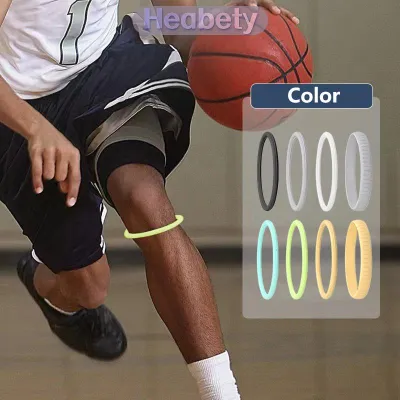
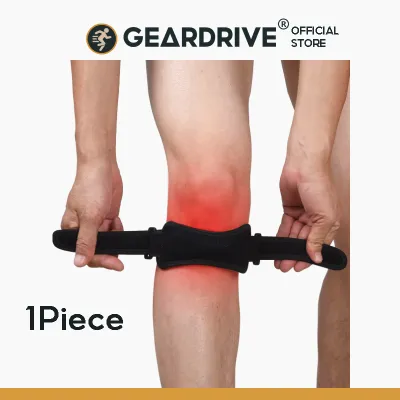
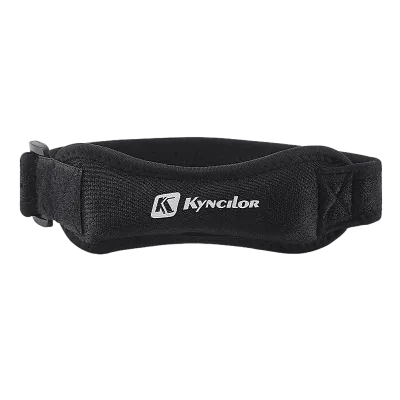
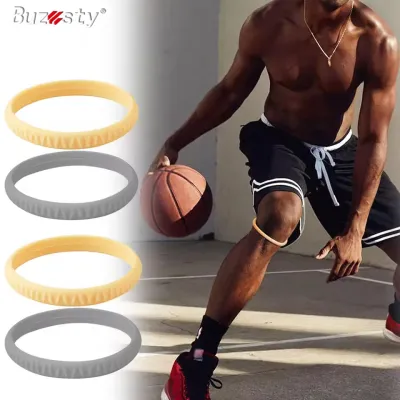
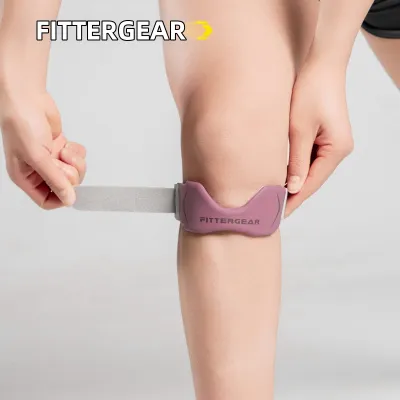
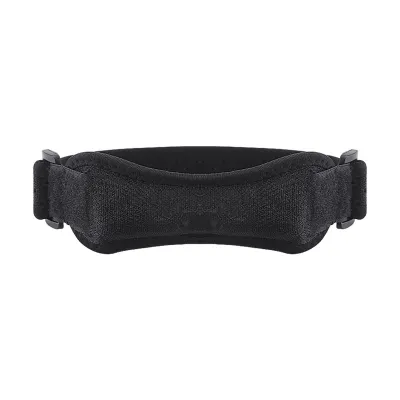
Prices are valid at publication and may change. Please refer to the product page for the latest price.
You should also pay attention to the character of the pain. A patella strap is intended for localized, superficial discomfort that feels like a tight, bruised, or aching band just below the kneecap. If the pain feels deep within the knee joint, spreads across the sides of the knee, or feels like a dull ache behind the kneecap itself, the mechanical action of a narrow strap will not target the affected tissues.
When to Skip the Strap and See a Doctor
While a patella strap is a convenient tool for managing minor tendon strain, it is crucial to recognize when self-treatment is unsafe. If you observe visible swelling, redness, or feel unusual heat radiating from your knee joint, do not apply a strap. These symptoms point to acute inflammation, a joint effusion, or a potential infection, none of which can be resolved by localized compression.

Structural instability is another clear sign that you need a medical evaluation rather than a retail support. If your knee feels unstable, gives way when you try to stand, or if you cannot bear your own weight, a simple strap cannot provide the structural integrity required to keep the joint safe. This level of instability often points to ligamentous injuries that require professional diagnosis and targeted rehabilitation.
Mechanical blockages within the joint also demand immediate medical attention. If your knee locks in place, catches during movement, or if you experienced a loud, painful pop during a sudden pivot or fall, these are classic signs of meniscus or ligament tears. Attempting to push through these symptoms with a strap can exacerbate the structural damage.
Finally, pay attention to when the pain occurs. If your knee aches constantly even when you are completely still, wakes you up in the middle of the night, or if the pain radiates down your shin or up into your thigh, a simple tendon strap is insufficient. These symptoms require a comprehensive assessment by a physician or physical therapist to rule out nerve compression, severe joint degeneration, or systemic issues.
Patella Strap vs. Other Knee Supports
Navigating the sports aisle can be overwhelming with the variety of knee supports available, ranging from simple bands costing around ₱200 to complex structural braces exceeding ₱1,500. Choosing the right one depends entirely on the mechanical support your knee requires. A patella strap is a minimalist, narrow band that wraps tightly just below the kneecap to apply targeted pressure to the patellar tendon, reducing the strain on the tendon insertion point during active movement.
In contrast, a standard compression sleeve offers a completely different type of support. Made of elastic or neoprene, sleeves cover the entire knee area to provide mild, uniform compression and retain heat. This is highly beneficial for general stiffness, minor arthritis, or improving proprioception—your brain’s awareness of the joint’s position. However, because a sleeve distributes pressure evenly across the entire joint, it lacks the focused force needed to relieve a strained patellar tendon.
For tracking issues, a patellar stabilizing brace is more appropriate. These braces typically feature a circular cutout or a built-in gel U-shape that surrounds the kneecap. They are designed to keep the kneecap sliding smoothly within its groove, making them ideal for runners or athletes experiencing general anterior knee pain, often referred to as runner’s knee, where the kneecap tracks off-center.
Lastly, hinged or wraparound braces are heavy-duty supports designed for structural instability. Featuring rigid plastic or metal hinges on the sides, these braces physically limit lateral movement to protect healing ligaments, such as the ACL or MCL. A simple patella strap provides absolutely no lateral or rotational support, making it entirely unsuitable for ligament recovery or severe joint instability.
How to Use a Patella Strap Safely and Effectively
To get the most benefit from a patella strap without causing secondary issues, proper application is essential. Start by locating your kneecap, then slide your fingers down until you feel the soft, slightly depressed area just below the bone but above the bony bump on your shin. Position the padded portion of the strap directly over this spot; placing it too high on the kneecap itself will cause uncomfortable friction and fail to support the tendon.
When securing the strap, aim for a snug but comfortable tension. It must apply enough pressure to alter the tendon’s mechanics during movement, but it should never restrict your circulation. A reliable way to check the fit is to try sliding one or two fingers under the strap. If you cannot fit a finger underneath, or if your lower leg begins to feel cold, numb, or starts tingling, loosen the strap immediately.
Given the tropical climate and high humidity in the Philippines, managing sweat accumulation under the strap is critical. Wear the strap only during the specific activities that trigger your discomfort, such as your basketball game, run, or workout session. Remove it immediately afterward during rest, long periods of sitting, or sleeping. Leaving a tight, sweaty neoprene or nylon band on your skin for extended periods can lead to heat rashes, skin chafing, or localized circulation issues.
Regularly inspect the skin under the strap for signs of irritation, redness, or bruising. If you experience persistent chafing, consider wearing the strap over a thin compression sleeve, or discontinue use and consult a professional. Remember that a strap is a temporary aid to help you manage active sessions; it does not replace the need to strengthen your quadriceps, hamstrings, and calves to address the root cause of your knee pain.
Frequently Asked Questions (FAQ)
Can I wear a patella strap all day?
Continuous, all-day wear of a patella strap is generally discouraged. The strap is designed to apply localized, concentrated pressure to a specific tendon, which can restrict local blood flow and irritate the skin if left on for hours of sedentary activity. You should only wear the strap during active physical exertion that triggers your symptoms. Remove it when you are sitting at a desk, resting at home, commuting without heavy physical strain, or sleeping, to allow your skin to breathe and your circulation to remain unrestricted.
Will a patella strap cure patellar tendonitis?
No, a patella strap will not cure patellar tendonitis. The strap is a supportive tool designed to manage symptoms and redistribute mechanical loads so you can perform activities with less discomfort. True recovery from tendonitis requires a comprehensive approach centered on progressive load management, targeted strengthening exercises for the quadriceps and hip stabilizers, and adequate rest. While the strap helps you get through a workout, it should be used alongside a structured rehabilitation plan rather than as a standalone solution.
Community discussion
Share your experience or ask a question. Comments are reviewed before publication.