
Deciding whether to wear a patellar knee support or a regular knee brace comes down to where you feel pain and how much of your joint needs stabilization. If your discomfort is concentrated in a single spot directly below your kneecap, a minimal patellar knee support is often the most practical choice. However, if your entire knee feels weak, swollen, or unstable, a regular knee brace provides the broader compression and structural support required to keep the joint secure.
Selecting the wrong type of support can lead to unnecessary bulk, restricted movement, or inadequate stabilization during physical activities. In tropical climates like the Philippines, where high humidity and heat make heavy gear uncomfortable, choosing the most streamlined option for your specific issue is essential for daily comfort. By evaluating your symptoms and understanding how each support mechanism works, you can make an informed decision that keeps you active without overloading your leg.
Identify Your Knee Pain: Signs and Symptoms
To choose the right gear, you must first observe where and when your knee hurts during daily movements or sports. Localized pain that sits directly below the kneecap, especially when you press on the tendon, often points to localized tendon stress. This type of discomfort typically flares up during activities that involve explosive leg movements, such as jumping, running, or walking down steep stairs.
Products mentioned in this guide

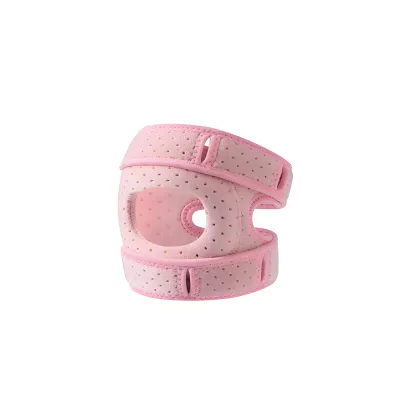
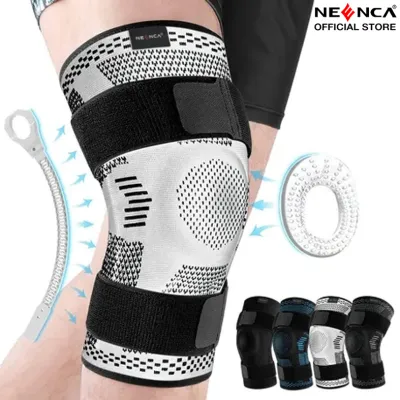
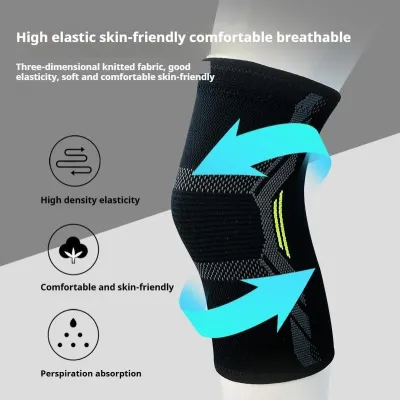
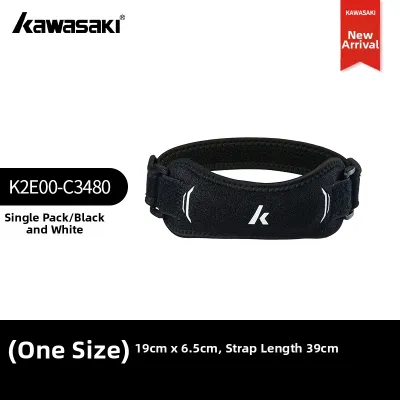
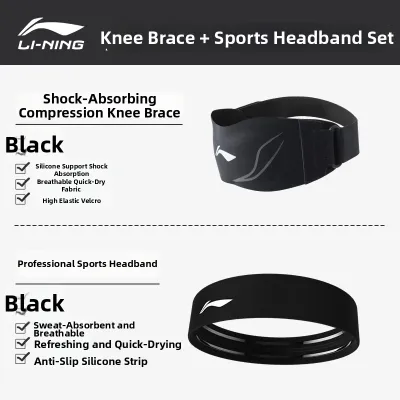
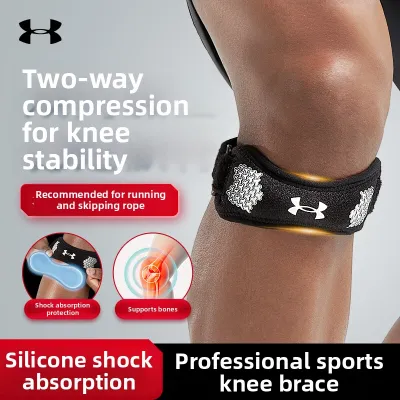
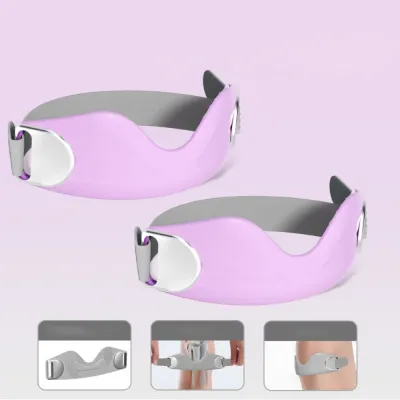
Prices are valid at publication and may change. Please refer to the product page for the latest price.
In contrast, generalized knee pain is harder to pinpoint to a single spot and often spreads across the entire joint. You might experience a dull ache deep inside the knee, noticeable swelling around the sides, or a feeling that the joint is warm to the touch. This broader discomfort is common after long periods of standing, walking on uneven surfaces, or during sudden weather changes.
Another critical factor to observe is how stable your knee feels under your own body weight. If you feel a sudden sensation of the joint giving way, or if you experience sharp pain when twisting your leg, the issue likely involves deeper structural ligaments rather than just a single tendon. These symptoms require a different level of stabilization than a simple localized strap can provide.
Keep in mind that this self-check is intended solely to help you select appropriate sports support gear for comfort and performance. It is not a substitute for a professional medical diagnosis, and you should always listen to your body when pain persists. If you experience sudden, severe pain or cannot bear weight on your leg, seek professional medical evaluation immediately.
Patellar Knee Support: When and Why to Use It
A patellar knee support, often designed as a slim strap or band, works by applying targeted pressure directly to the tendon located just below your kneecap. This localized compression slightly alters the angle at which the tendon pulls, redistributing the physical load and reducing the mechanical strain on the joint during repetitive movements. Because it is highly focused, it leaves the rest of your knee free to breathe and move naturally.

This streamlined design is particularly beneficial for active individuals dealing with conditions like jumper’s knee, runner’s knee, or Osgood-Schlatter discomfort. In hot and humid conditions, a minimal strap is highly practical because it minimizes sweat buildup and skin irritation compared to full-coverage sleeves. It allows you to maintain your agility during badminton, basketball, or trail running without feeling weighed down by heavy materials.
However, a patellar strap has clear limitations that you must consider before purchasing. Because it only wraps around the area below the kneecap, it does not provide lateral stability to prevent side-to-side twisting, nor does it offer overall joint warmth or compression for swelling. If your knee issues stem from ligament strains or general joint wear, a simple strap will not provide the comprehensive support your joint needs.
Regular Knee Brace: When and Why to Use It
A regular knee brace covers a much larger area of your leg, typically extending several inches above and below the joint. These supports come in various designs, including pull-on compression sleeves, wrap-around braces, and models with built-in side stabilizers or hinges. They function by providing overall compression, retaining body heat to promote blood flow, and physically limiting harmful joint movements.
These broader braces are ideal for managing general joint discomfort, mild ligament sprains, or the chronic aching associated with joint wear. If you are recovering from a minor twist or need extra confidence when walking on uneven terrain, a full brace helps stabilize the entire joint structure. The compression also helps manage localized swelling by preventing fluid buildup during and after physical activity.
The primary trade-off with a regular knee brace is its physical bulk and heat retention. In warm climates, wearing a thick neoprene sleeve can quickly lead to heavy sweating, skin chafing, and general discomfort during extended use. Additionally, highly structured or hinged braces can restrict your natural range of motion, which might hinder your performance in sports that require maximum agility and speed.
How to Match Your Condition to the Right Support
To help you decide which gear fits your current situation, you can use a simple decision framework based on your primary symptoms. If your pain is strictly localized below the kneecap and worsens with jumping or running, start with a patellar knee support. If your pain is widespread, accompanied by swelling, or if the joint feels loose and unstable, a regular knee brace is the more appropriate choice.
| Symptom or Need | Patellar Knee Support | Regular Knee Brace |
|---|---|---|
| Pain Location | Directly below the kneecap | Across the entire joint or deep inside |
| Primary Activity | Jumping, running, rapid court movements | Walking, lifting, general recovery |
| Support Level | Targeted tendon pressure | Broad compression and structural stability |
| Breathability | High (minimal skin coverage) | Moderate to low (covers the entire joint) |
When trying on your chosen support, always perform a quick fit and comfort check to ensure it functions safely. A patellar strap must sit snugly in the soft groove directly below your kneecap, while a full sleeve should slide up smoothly without bunching behind the knee. Neither option should ever feel so tight that it pinches your skin, causes your lower leg to swell, or makes your toes feel cold or numb.
There are also clear stop conditions where over-the-counter sports supports are no longer sufficient. If you experience severe swelling that does not subside, hear a distinct popping sound at the moment of injury, or find that your knee locks in place and cannot bend, stop using the support immediately. These signs, along with an inability to bear weight on your leg, require an immediate consultation with a physiotherapist or orthopedic specialist.
Frequently Asked Questions (FAQ)
Can I wear a patellar knee support and a regular knee sleeve at the same time?
Yes, some athletes choose to layer a patellar strap over a thin compression sleeve to combine targeted tendon pressure with general joint warmth. This combination can be useful if you experience both localized tendon strain and general joint stiffness during workouts. However, you must ensure that layering these items does not create excessive tightness that restricts your blood circulation or limits your natural range of motion. If you feel any pinching, numbness, or unusual skin irritation, remove the outer strap immediately and adjust the fit.
How tight should my patellar knee support be?
Your patellar knee support should feel snug and secure, but never painfully tight. A practical way to check the tension is to slide one finger under the strap; you should be able to do so with slight resistance, but without struggling. The strap needs enough tension to stay in place during movement without slipping down your leg, but it must not cut off circulation or leave deep, painful indentations on your skin. It is always best to loosen the strap during rest periods and tighten it slightly just before you begin your physical activity.
Community discussion
Share your experience or ask a question. Comments are reviewed before publication.