
A posture corrector sensor is not strictly necessary for most Pilates practitioners, but it can serve as a useful supplementary tool under specific circumstances. Whether you actually need one depends heavily on your practice frequency, your access to certified instructors, and whether you are experiencing specific form-related plateaus that visual or tactile cues have failed to resolve.
While a posture corrector sensor offers objective, real-time biofeedback by tracking spinal angles, it cannot replace the nuanced, full-body biomechanical corrections provided by a human instructor. Pilates is a highly integrated discipline where movement in one joint directly influences alignment in another. A sensor can alert you to a slouched upper back, but it cannot assess whether that slouch stems from a weak core, tight hip flexors, or improper breathing patterns.
For those who primarily practice at home without professional supervision, a digital sensor can provide a helpful baseline of awareness. However, if you regularly attend studio classes with hands-on coaching, the device may offer little additional value and could even distract you from developing your internal physical intuition.
Products mentioned in this guide
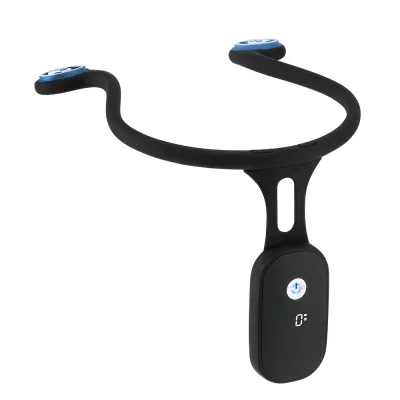
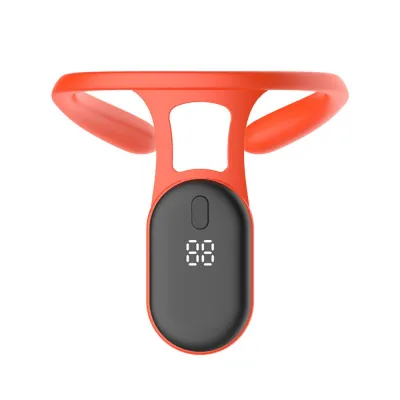
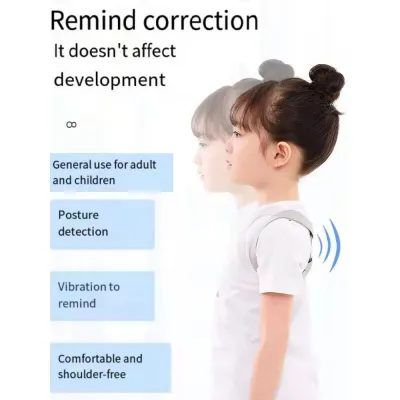
Prices are valid at publication and may change. Please refer to the product page for the latest price.
Self-Assessment: Signs You Might Benefit from a Posture Sensor
Determining whether to integrate technology into your movement practice requires looking honestly at your current training environment. If you find yourself in one of the following scenarios, digital biofeedback might offer the targeted support you need to progress safely.
Practicing Solo Without Visual Feedback
Working out in a home space without mirrors makes it exceptionally difficult to maintain a neutral spine, proper pelvic alignment, or balanced shoulder placement. Without external feedback, your brain can easily mistake a habitual misalignment for a straight, centered position. If you regularly practice solo and struggle to feel where your body is in space, a wearable sensor can act as a basic digital spotter, alerting you when your upper spine deviates from its neutral axis.
Hitting a Form Plateau
Many intermediate practitioners reach a point where a movement feels slightly “off,” yet they cannot pinpoint the exact moment their alignment slips. For example, during a challenging mat sequence like the Double Leg Stretch, you might unconsciously round your shoulders as your limbs extend. A sensor that delivers haptic or audio cues when you exceed a pre-set curvature threshold can help you identify the precise transition point where your form breaks down.
Transitioning to Advanced Movements
Complex mat work and advanced Reformer transitions require a high degree of core stability and shoulder girdle control. As exercises become more dynamic, your cognitive load increases, making it easy to forget your posture while focusing on coordination or resistance. A low-profile sensor can provide gentle reminders during these demanding sequences, helping you build the refined muscle memory required for advanced work.
Safety and Pain Considerations
If you are experiencing sharp pain, numbness, or chronic discomfort during or after your Pilates sessions, you must consult a physical therapist or medical professional rather than relying on a consumer posture device. A sensor is a training aid designed for healthy movement education; it is not a diagnostic tool or a medical treatment for spinal pathology. Always prioritize professional medical advice over device alerts when pain is present.
When Traditional Pilates Feedback is Enough
Before investing in new wearable technology, it is worth exploring the highly effective, analog feedback systems that have guided Pilates practitioners for decades. These traditional methods are often more holistic and better suited to developing long-term body awareness.

Certified Instructor Guidance
An experienced, certified Pilates instructor provides an irreplaceable level of observation. While a sensor monitors a single localized area, an instructor watches your entire kinetic chain. They can spot subtle compensations, such as a clenched jaw, restricted breathing, or a tilted pelvis, and offer immediate verbal or physical adjustments to correct the root cause of the issue.
Mirrors and Video Recording
Visual feedback is a powerful tool for building proprioception—your body’s internal sense of its position in space. Setting up your workout space facing a mirror, or recording your sessions on a smartphone from a side profile, allows you to objectively analyze your alignment. Comparing your actual movement to your internal perception helps train your brain to recognize correct form without relying on continuous digital prompts.
Tactile Props in Pilates
Standard Pilates props are specifically engineered to enforce correct alignment and provide physical boundaries. Utilizing a Pilates ring, resistance bands, a foam roller, or even a rolled-up towel can naturally guide your limbs into the correct pathways. For instance, pressing your head back into a resistance band during chest lifts provides immediate tactile feedback regarding your cervical spine alignment, rendering an electronic sensor redundant.
How Posture Sensors Work (and Where They Fall Short)
To make an informed decision, you must understand both the capabilities and the technical limitations of consumer posture sensors within a dynamic movement system like Pilates.
What the Sensors Actually Measure
Most consumer posture sensors rely on internal accelerometers and gyroscopes to track changes in angle, typically focusing on upper back curvature or shoulder rounding. While this is highly effective for monitoring desk posture, it represents a single-axis data point. Pilates requires multi-planar, full-body integration; a sensor placed on your upper back cannot tell you if your pelvis is tucked, if your knees are collapsing inward, or if you are holding your breath.
The Gap Between Alert and Correction
A vibrating or buzzing sensor can tell you that you have drifted out of alignment, but it cannot explain why or show you how to correct it. If the sensor buzzes during a roll-up, you might respond by rigidly pulling your shoulders back, which can create unnecessary tension in your neck. Correcting your posture safely requires foundational movement knowledge and core engagement, which a device simply cannot teach.
Comfort and Equipment Interference
Practical usability is a major consideration, especially when practicing in warm, humid climates like the Philippines. High humidity and sweat can affect the adhesive backing of stick-on sensors or cause irritation under chest straps; you should always check the manufacturer’s specifications for water and sweat resistance. Furthermore, a bulky sensor worn on the upper back can cause discomfort or pain during supine exercises on a mat, and can easily catch on the headrest, shoulder blocks, or springs of a Pilates Reformer.
Making the Call: Sensor vs. Traditional Methods
Choosing the right path depends on your budget, your preferred learning style, and where you perform your workouts. Below is a structured comparison to help you evaluate which approach aligns best with your personal practice.
| Evaluation Dimension | Invest in a Posture Sensor | Stick to Traditional Methods |
|---|---|---|
| Primary Practice Environment | Solo home workouts with limited space or no mirrors. | Studio classes, private sessions, or home setups with mirrors. |
| Budget Allocation | Moderate upfront cost (typically ₱2,500 to ₱6,000 for a quality sensor). | Low cost for basic props (₱500 to ₱1,500); higher ongoing cost for studio classes. |
| Learning Style | Data-driven, tech-comfortable, and responsive to haptic cues. | Intuitive, visual, and responsive to verbal coaching or physical props. |
| Skill Level | Intermediate practitioners looking to refine specific upper-body habits. | Beginners needing foundational guidance, or advanced students tracking full-body flow. |
| Physical Comfort | Requires wearing a device; potential adhesive or strap irritation in humid weather. | Completely unrestricted movement; no extra devices to charge or pair. |
Actionable Next Steps
If you decide to purchase a posture corrector sensor, verify the companion mobile application requirements and ensure the device materials are hypoallergenic and sweat-resistant. Check the retailer’s return policy in case the physical profile of the sensor interferes with your mat or Reformer exercises.
If you choose to stick with traditional methods, consider booking a single private session with a certified instructor specifically for a form-check assessment. Alternatively, spend time adjusting your home workout layout so you can easily observe your lateral profile in a mirror during your next session.
Frequently Asked Questions (FAQ)
Can a posture sensor replace a Pilates instructor?
No, a posture sensor cannot replace a certified Pilates instructor. Sensors only provide localized, single-point biofeedback—usually tracking whether your upper back is rounded or straight. They cannot evaluate your breathing patterns, core engagement, pelvic placement, or overall movement quality, all of which are fundamental to a safe and effective Pilates practice.
Are posture sensors safe to wear during Reformer sessions?
Using a posture sensor on a Reformer requires caution. You must check the physical profile of the device before your session; bulky sensors can cause discomfort when lying flat on the carriage or may get caught on the shoulder rests, headrest, or moving straps. If you choose to wear one, select a very low-profile, securely strapped device, and stop the exercise immediately if you feel the sensor pressing painfully into your spine or interfering with the machine’s mechanics.
How long does it take to build body awareness using a posture sensor?
While a sensor provides immediate alerts when you lose alignment, developing lasting internal proprioception and muscle memory typically takes several weeks of consistent, mindful practice. The ultimate goal of using any biofeedback device is to gradually train your brain to recognize correct alignment naturally, allowing you to eventually phase out the device and rely entirely on your own internal body awareness.
Community discussion
Share your experience or ask a question. Comments are reviewed before publication.