
Many people wonder if a posture corrector is the ultimate fix for slouching, shoulder tension, or back discomfort. The short answer is that while a posture corrector can serve as a helpful, temporary training tool to increase your physical awareness, it is not a permanent cure-all. Deciding whether you need one depends on identifying specific signs of postural strain and understanding how these devices actually work. If you rely solely on a brace without addressing underlying muscle weakness or daily habits, you may end up worsening the very issues you want to resolve.
Observable Signs That Your Posture Needs Attention
To determine if your posture requires active support, you can perform simple, self-administered checks at home. One reliable method is the wall test: stand with your heels, buttocks, upper back, and head flat against a wall. If your head does not easily touch the wall while keeping your chin level, or if your lower back arches excessively to make contact, your spine may not be in neutral alignment. You can also stand naturally in front of a mirror to check if one shoulder sits higher than the other, or if your hands rest with your palms facing backward rather than against your thighs.
Physical sensations during your daily routine also offer clear clues. Persistent muscle fatigue, stiffness, or a dull ache in your upper back, neck, and shoulders after sitting or standing are common indicators of postural strain. These sensations often mean your muscles are working overtime to support your frame because your skeletal structure is out of alignment.
Products mentioned in this guide
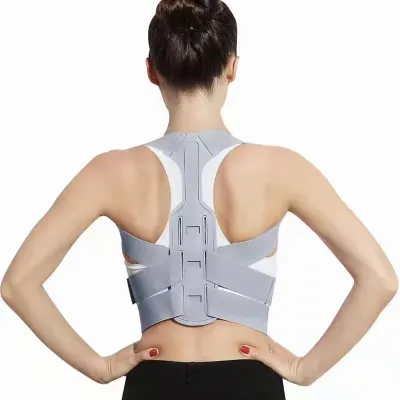
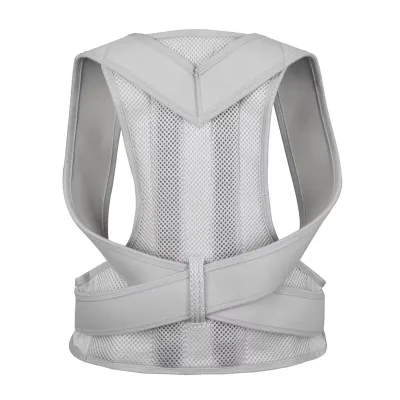
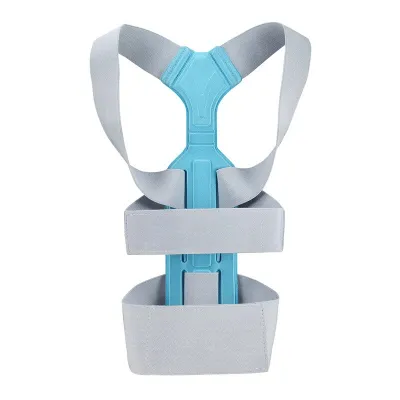
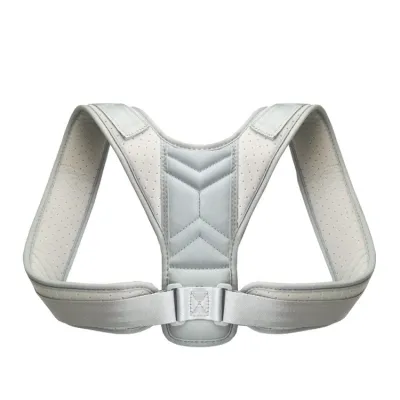
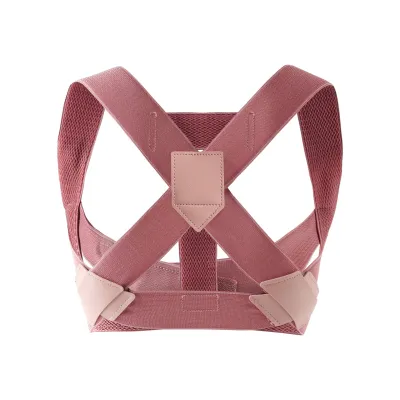
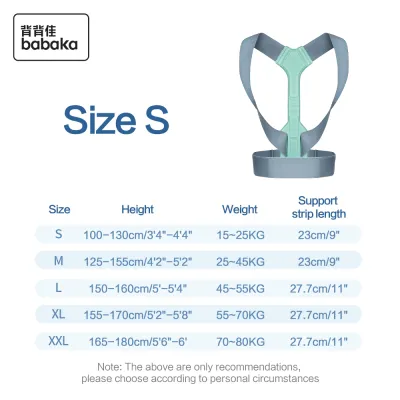
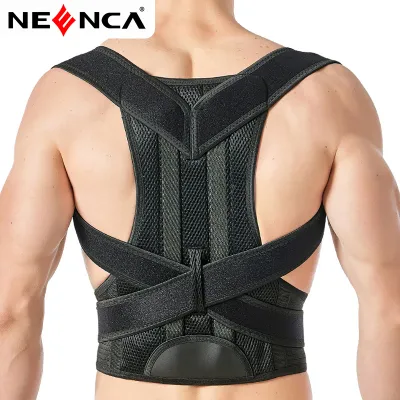
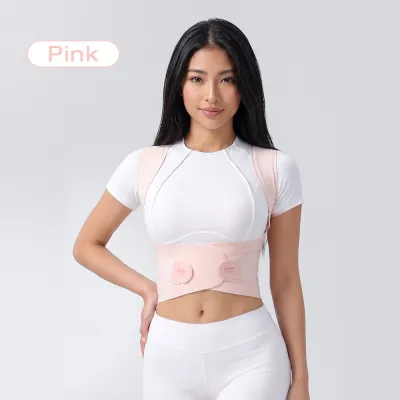
Prices are valid at publication and may change. Please refer to the product page for the latest price.
Your daily habits are equally telling. If you constantly slouch over your smartphone, lean heavily on one side while sitting, or find yourself hunching forward at your desk, your body is adapting to these repetitive positions. Over time, these habits can tighten your chest muscles and stretch your upper back muscles, making a neutral posture feel unnatural or difficult to maintain.
Is a Posture Corrector the Right Solution for You?
A posture corrector is most effective when used as a temporary tactile reminder rather than a physical crutch. When you wear a brace, the gentle tension against your shoulders serves as a sensory cue to engage your own muscles and sit or stand upright. It is a practical tool for short periods, such as during long desk sessions, to help retrain your brain and body to recognize what neutral alignment feels like.

However, relying on a corrector for extended periods carries significant risks. If you wear a brace for hours on end, your core and back muscles do not have to work to hold you up. Over time, this lack of engagement can lead to muscle weakening and atrophy, making your posture worse when you finally take the brace off. A corrector should never replace the active work of your own muscles.
There are also clear red flags that indicate a posture corrector is not the right solution. If you experience sharp pain, numbness, tingling in your arms or hands, or notice severe structural asymmetry, you should avoid using a brace. These symptoms can point to underlying nerve compression or spinal conditions that require a professional medical evaluation rather than a retail support device.
Non-Brace Strategies to Support Better Posture
Improving your posture often starts with simple, low-risk adjustments to your environment. If you work at a desk, position your monitor at eye level so you do not have to tilt your head downward. Adjust your chair height so your feet rest flat on the floor and your knees are bent at a ninety-degree angle, which helps maintain the natural curve of your lower spine.
Incorporating regular mobility breaks into your day is another highly effective strategy. Setting a timer to stand up, stretch, or walk around for a few minutes every hour counteracts the stiffness that comes from prolonged static sitting. Simple movements, like rolling your shoulders backward or gently tucking your chin, can relieve immediate tension in your neck and upper back.
Long-term posture improvement relies on targeted strengthening and stretching. Focus on exercises that strengthen your core, glutes, and upper back muscles, such as planks or rows, to build the endurance needed to hold a neutral position. Complement these exercises with chest stretches to open up tight muscles that pull your shoulders forward.
What to Look for If You Decide to Buy a Posture Corrector
If you decide that a temporary support brace is right for you, look for a model with high adjustability. A good corrector should feature adjustable straps that allow you to customize the tension to your body shape. It should fit snugly enough to provide a gentle pull when you slouch, but it must never pinch your skin, restrict your breathing, or limit your natural arm movement.
Given the warm and humid tropical climate in the Philippines, material choice is a critical factor for comfort. Look for lightweight, breathable, and moisture-wicking fabrics like neoprene blends or mesh panels. These materials help prevent sweat buildup and skin irritation, especially if you plan to wear the support under your clothing during daily activities.
Finally, always prioritize safety by strictly following the manufacturer’s instructions regarding wear-time limits and care. Most manufacturers recommend starting with just fifteen to thirty minutes of wear per day, gradually increasing the time as your tolerance improves, but rarely exceeding two hours daily. Regularly washing the brace according to the care label ensures hygiene and maintains the elasticity of the straps over time.
Frequently Asked Questions (FAQ)
Can I wear a posture corrector while exercising or playing sports?
It is generally not recommended to wear a standard posture corrector during dynamic physical activities or sports. Exercising requires a full, unrestricted range of motion and deep breathing, which a tight support brace can restrict. Instead of relying on a brace during workouts, focus on proper form, or consult a sports physiotherapist who can recommend specific athletic taping or specialized activewear designed for your sport.
How long does it take to see improvements from using a posture brace?
A posture brace does not provide immediate or permanent structural changes on its own. While you may feel more aligned while wearing it, lasting improvements in your natural posture typically take several weeks or months of consistent effort. Real progress depends on combining the temporary awareness provided by the brace with daily strengthening exercises, stretching, and conscious habit adjustments.
Community discussion
Share your experience or ask a question. Comments are reviewed before publication.