
A rowing machine is one of the most efficient indoor fitness tools available, engaging up to 86% of your muscles in a single, fluid motion. However, it is not a universally perfect choice for every home or fitness level. Deciding whether to purchase one requires balancing your physical health, spatial constraints, and long-term exercise habits.
Quick Answer: Is a Rowing Machine the Right Fit for You?
An indoor rowing machine is an excellent investment if you want a highly efficient, low-impact workout that targets your cardiovascular system and major muscle groups simultaneously. It is particularly well-suited for individuals who have limited workout time, want to protect their joints from heavy impact, and have enough floor space to accommodate a long machine or are willing to store it vertically when not in use.
Conversely, you should avoid buying a rowing machine if you suffer from severe, unmanaged lower back pain, have zero patience for learning technical exercise forms, or are strictly looking to build isolated, bulky muscle mass. Because rowing is a highly technical movement, committing to it requires a willingness to practice and refine your stroke mechanics.
Products mentioned in this guide
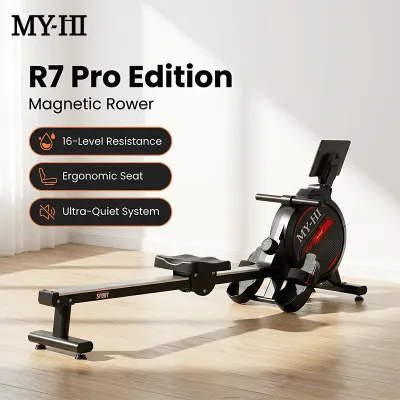
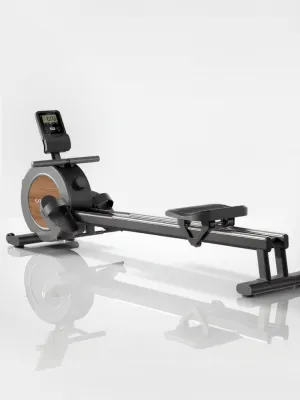
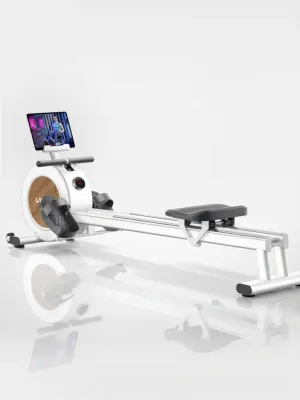
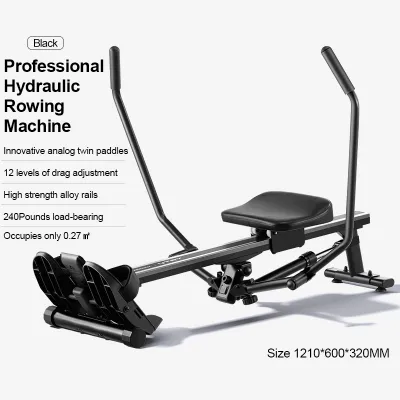
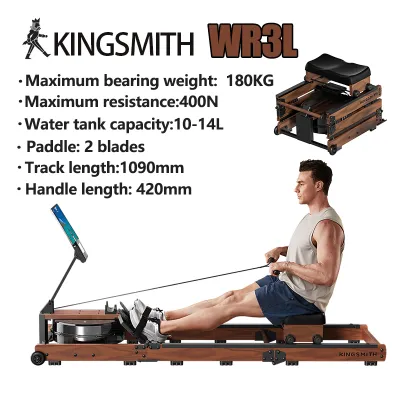
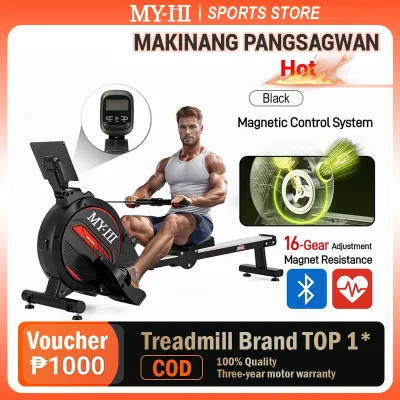
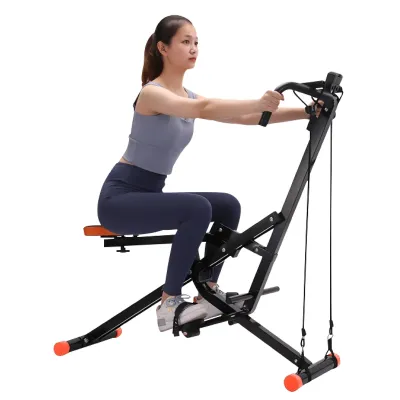
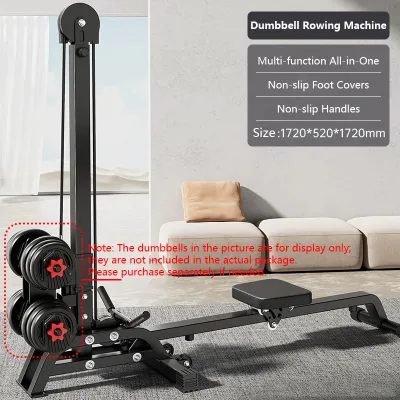
Prices are valid at publication and may change. Please refer to the product page for the latest price.
Before making a financial commitment, take the time to run through the following step-by-step diagnostic to determine if this equipment truly aligns with your body, lifestyle, and fitness goals.
Step 1: Match Your Fitness Goals to the Rowing Motion
To determine if a rowing machine is right for you, you must first analyze how the physiological demands of the rowing stroke align with what you want to achieve. Rowing is unique because it combines cardiovascular conditioning with muscular endurance in a single movement path.

Full-Body Conditioning vs. Muscle Isolation
Rowing is a functional, multi-joint exercise that recruits your legs, core, back, and arms. Every stroke requires a powerful leg push, followed by core stabilization, and finishes with an upper-body pull. This makes it an incredibly efficient tool for building lean muscle tone and full-body endurance.
However, you must recognize its limitations. If your primary goal is maximum muscle hypertrophy—specifically building large, isolated muscle groups like a bulky chest or massive biceps—a rowing machine is not the correct tool. It operates on fluid or air resistance that builds endurance and cardiovascular capacity, rather than the heavy, targeted mechanical tension required for bodybuilding.
Cardiovascular Efficiency and Caloric Burn
Because rowing recruits massive muscle groups simultaneously, your heart and lungs must work exceptionally hard to deliver oxygenated blood throughout your body. This high rate of muscle recruitment translates to excellent cardiovascular efficiency and a high potential for caloric burn.
For those looking to manage body weight or improve heart health, rowing provides a time-saving solution. You can achieve a rigorous, sweat-inducing workout in 20 to 30 minutes, making it highly practical for busy daily schedules.
Posture Correction and the Posterior Chain
Modern daily life often involves hours of sitting at a desk, looking down at phones, and driving. This constant forward-leaning posture weakens the muscles along the back of your body, known as the posterior chain, leading to rounded shoulders and neck strain.
Rowing directly counteracts this issue. The pulling phase of the stroke strengthens the rhomboids, latissimus dorsi, rear deltoids, and glutes. By building strength in these key areas, rowing helps pull your shoulders back into a natural, upright alignment, provided you maintain proper form throughout the exercise.
Goal Alignment Checklist
Use this quick checklist to see if your primary fitness goals match what a rowing machine delivers:
- Cardiovascular Endurance: High compatibility. Excellent for building stamina.
- Fat Loss & Caloric Deficit: High compatibility. Highly efficient calorie burner.
- Posterior Chain Strength: High compatibility. Targets back, glutes, and hamstrings.
- Maximum Muscle Bulk: Low compatibility. Better suited for free weights or resistance machines.
- Postural Improvement: High compatibility. Strengthens upper back muscles to counteract slouching.
Step 2: Evaluate Your Body Type, Joints, and Physical Limitations
Your physical health and biomechanics are the most critical factors when deciding on a home rowing machine. While rowing is widely celebrated as a safe, joint-friendly exercise, it places specific demands on your body that you must evaluate before purchasing.
Joint Impact and Lower-Body Safety
Unlike running or high-intensity interval training (HIIT) on hard surfaces, rowing is a seated, closed-chain exercise. Your feet remain securely strapped into footplates, which eliminates the jarring vertical impact forces on your ankles, knees, and hips.
This low-impact nature makes it an appealing option for individuals recovering from joint issues or those carrying extra body weight. However, low-impact does not mean zero-risk. If your joints are highly sensitive, the repetitive bending and straightening can still cause irritation if your setup or movement path is incorrect.
Lower Back and Core Requirements
Rowing requires a continuous hinging motion at the hips, supported by your abdominal and lower back muscles. To protect your spine, your core must remain actively engaged throughout the entire stroke.
If you have a history of herniated discs, sciatica, or chronic lower back pain, you must proceed with caution. The repetitive flexing and extending of the spine under resistance can exacerbate existing back injuries. Always consult a physical therapist or sports physician before introducing rowing to your routine if you have pre-existing spinal conditions. If you experience any sharp or radiating pain in your lower back during use, stop immediately.
Height and Weight Considerations
Do not assume that every rowing machine on the market will fit your physical frame. Rowing machines have strict physical limits that vary wildly by brand and model.
Before buying, check the manufacturer’s user manual or product specifications for the maximum weight capacity and the maximum slide rail length. Taller users, particularly those over 6 feet (183 cm), need to verify that the slide rail is long enough to allow full leg extension. If the rail is too short, your seat will hit the rear stopper before your legs are straight, preventing proper form and risking damage to the machine.
Mobility Requirements for the Catch
To perform a correct rowing stroke, you must be able to reach the “catch” position at the front of the machine. This requires adequate flexibility in your ankles, knees, and hips.
If you suffer from extreme tightness in your hamstrings or calves, you may find it difficult to slide forward without rounding your lower back to compensate. Rounding your spine at the catch puts immense shear force on your lumbar vertebrae. If you have mobility limitations, you will need to dedicate time to stretching and mobility exercises alongside your rowing practice to ensure you can execute the movement safely.
Step 3: Factor in Space, Noise, and Daily Workout Preferences
Owning fitness equipment is only beneficial if the machine fits seamlessly into your home environment and matches your psychological workout preferences. Practical lifestyle factors often dictate whether a machine becomes a daily habit or a very expensive clothes rack.
Footprint and Storage Solutions
Rowing machines are inherently long. A typical model requires a clear floor space of approximately 7 to 9 feet in length and 2 feet in width. You must also allow for at least 1 to 2 feet of clearance around the machine for safety during use.
If you live in a compact apartment or urban condominium, floor space is at a premium. Fortunately, many modern rowing machines are designed with space-saving storage features. Some models fold in half, while others are balanced to stand upright against a wall when not in use. Always measure your designated workout space and your storage area before buying, and confirm the folded dimensions in the manufacturer’s specifications.
Noise Levels and Your Living Environment
Rowing machines generate resistance using different mechanisms, each producing a distinct sound profile. Understanding these differences is crucial if you share a home, live in an apartment with thin walls, or enjoy watching television while exercising.
- Air Resistance Rowers: These use a flywheel fan to generate resistance. They produce a loud, wind-like whooshing sound that increases in volume the harder you pull. They are excellent for performance tracking but can easily disturb others in the same room.
- Water Resistance Rowers: These utilize paddles rotating in a water tank. They produce a rhythmic, splashing sound that many users find therapeutic, though they are still moderately loud.
- Magnetic Resistance Rowers: These use magnets to control resistance. They are incredibly quiet, producing only a soft whirring sound. This makes them the ideal choice for shared apartments, early morning workouts, or watching media without headphones.
The Technical Learning Curve
Unlike a stationary bike or a treadmill, where the movement is highly intuitive, rowing requires a steep learning curve. You cannot simply sit down and pull randomly.
Proper rowing form requires a precise, non-intuitive sequence: push with the legs, hinge the core backward, and pull with the arms. On the return, the sequence reverses: extend the arms, hinge the core forward, and bend the legs. If you rush this sequence, you will lose efficiency, reduce the cardiovascular benefits, and significantly increase your risk of injury. You must be willing to spend your first few weeks focusing on technique rather than speed or power.
Engagement, Monotony, and Local Climate
Rowing is a highly repetitive, linear movement. For some, the rhythmic nature of the stroke is meditative. For others, it can quickly become monotonous. If you require variety to stay motivated, look for smart rowers that offer Bluetooth connectivity, interactive workout apps, or built-in tablet holders so you can follow coached classes or virtual scenic waterways.
Additionally, consider your local climate. If you live in a hot, humid tropical environment, indoor workouts can quickly lead to heavy sweating. Ensure your designated workout area has adequate ventilation, air conditioning, or space for a floor fan. Because sweat can be highly corrosive, you must commit to wiping down the slide rail, seat, and handle after every session to prevent rust and maintain smooth operation.
When to Choose Alternatives: Rowing Machine vs. Other Cardio Gear
If your self-assessment suggests that a rowing machine might not be the best fit for your body or home, several excellent alternative cardio machines are worth considering. Each offers unique advantages depending on your physical limits and training preferences.
Treadmill
A treadmill is the premier choice for individuals who want to replicate natural human movement patterns like walking, jogging, or running. It provides weight-bearing exercise, which is highly beneficial for maintaining bone density as you age.
However, treadmills come with high joint impact, especially during running. They also tend to have a massive, heavy footprint, require regular motor maintenance, and do not engage the upper body or back muscles to the extent that a rowing machine does.
Stationary / Spin Bike
A stationary bike is the ultimate alternative for anyone with lower back pain, balance issues, or severe mobility limitations. Because your torso remains relatively static and supported, there is almost no strain placed on the lower back.
Biking has virtually no learning curve; you simply sit and pedal. The trade-off is that cycling is heavily lower-body dominant. It does not engage your core, back, or shoulders, meaning you will need to supplement your routine with upper-body strength training.
Elliptical Trainer
An elliptical trainer offers a middle ground. It provides a low-impact, full-body workout that engages both your upper and lower body without the joint impact of running. Because you are standing, it is a weight-bearing exercise, which supports bone health.
However, ellipticals tend to be very bulky and difficult to move or store in small homes. Biomechanically, they also offer significantly less posterior chain engagement than a rowing machine, focusing more heavily on the quadriceps and chest pushing motions.
Cardio Equipment Decision Matrix
Use this matrix to quickly compare your options based on your primary physical constraints and goals:
| Equipment Type | Primary Muscle Focus | Joint Impact Level | Back Strain Risk | Learning Curve | Space Required |
|---|---|---|---|---|---|
| Rowing Machine | Full Body (86% muscles, Back/Legs) | Low | Moderate to High | Moderate to High | Large (but often folds) |
| Treadmill | Lower Body | High | Moderate | Low | Large & Heavy |
| Stationary Bike | Lower Body (Quads/Glutes) | Low | Very Low | Low | Compact to Medium |
| Elliptical | Full Body (Push/Pull) | Low | Low | Low | Large & Tall |
Your Action Plan: Buy, Try, or Skip?
Now that you have evaluated the physical, practical, and environmental factors of owning a rowing machine, you can confidently choose one of three action paths.
Path 1: Buy (Your Profile: Green Light)
If your fitness goals align with full-body endurance, your lower back is healthy, you have verified your height and weight against manufacturer specifications, and you have a clear, ventilated space to store and use the machine, you are ready to purchase.
When buying, prioritize models with clear warranty terms and accessible customer service. If you are ordering online, check if the package includes delivery and in-home assembly, as rowing machines can be heavy and complex to assemble alone. Budget-friendly magnetic models typically start around ₱10,000 to ₱20,000, while premium air or water rowers with smart connectivity can range from ₱40,000 to ₱80,000 or more.
Path 2: Try First (Your Profile: Yellow Light)
If you are highly attracted to the benefits of rowing but are concerned about lower back comfort, joint tolerance, or the repetitive nature of the exercise, do not buy a machine yet.
Instead, visit a local commercial gym, community fitness center, or physical therapy clinic. Ask to use an indoor rower for 15 to 20 minutes under the supervision of a trainer who can check your form. This trial run will tell you immediately if the seat comfort, leg drive, and hip hinging feel natural and pain-free before you invest your money.
Path 3: Skip or Pivot (Your Profile: Red Light)
If you have chronic, unmanaged spinal issues, absolute intolerance for technical learning curves, or highly restricted living space with no room for a 9-foot machine, skip the rowing machine.
Redirect your budget toward a high-quality stationary bike, an elliptical, or a set of resistance bands and a walking program. Choosing an alternative that you can use safely and consistently is infinitely better than buying a machine that causes physical pain or sits unused in a corner.
Frequently Asked Questions (FAQ)
Can a rowing machine target belly fat specifically?
No, a rowing machine cannot target belly fat specifically because spot reduction is a biological myth. Fat loss occurs systematically across your entire body when you maintain a consistent caloric deficit through diet and exercise. However, because rowing engages multiple large muscle groups simultaneously, it burns a high number of calories per session and builds lean muscle mass. This combination raises your metabolic rate, making it an exceptionally effective tool for reducing overall body fat percentage, which will eventually reduce fat in your midsection.
Is rowing safe if I have knee pain?
Rowing is generally safe and highly recommended for individuals with knee pain because it is a low-impact, seated exercise that removes the harsh pounding of running. However, safety depends entirely on correct form and setup. You must adjust the foot straps so they cross the ball of your foot, and focus on pushing through your heels rather than your toes. Avoid over-compressing your knees at the front of the stroke; your shins should never go past a vertical angle to the floor. Always consult a medical professional or physical therapist for personalized guidance before starting a new exercise regimen.
How long does it take to learn proper rowing technique?
You can typically learn the basic physical sequence of the rowing stroke—legs, body, arms on the pull; arms, body, legs on the return—in two to three focused sessions. However, mastering the rhythm, coordination, breathing, and power application required to maintain this form during a long, fatiguing workout usually takes three to four weeks of consistent, mindful practice. Utilizing online instructional videos, mirrors, or filming your workouts can significantly accelerate your progress and prevent injury.
Community discussion
Share your experience or ask a question. Comments are reviewed before publication.