
Shoulder discomfort can quietly disrupt your daily routine, whether you are reaching for a high shelf, spiking a volleyball, or sitting at a desk for hours. If you experience a persistent dull ache, a feeling of instability, or poor posture that leaves your upper back fatigued, a shoulder brace strap can be a practical, non-invasive tool to help manage these sensations. Rather than acting as a cure, this accessory is designed to provide gentle compression, structural feedback, and a physical reminder to keep your joint in a safer, more aligned position.
Determining whether you actually need a shoulder brace strap depends on your daily activities, the specific sensations you feel in your joint, and your overall physical goals. It is important to understand that a support strap is a supplementary aid rather than a replacement for active muscle strengthening or professional medical care. By recognizing the subtle signs of shoulder strain and understanding how these wearable supports function, you can make an informed decision that protects your joint without creating an unhealthy dependency on external gear.
Common Signs Your Shoulder Needs Extra Support
Your body constantly communicates its physical limits through subtle cues during daily movements and athletic activities. One of the most common signs that your shoulder could benefit from extra support is a noticeable sense of fatigue or a mild, deep ache during repetitive overhead tasks. If your shoulder muscles tire quickly when painting, hanging laundry, or playing racket sports, your joint may be struggling to maintain its optimal alignment under repetitive stress.
Products mentioned in this guide
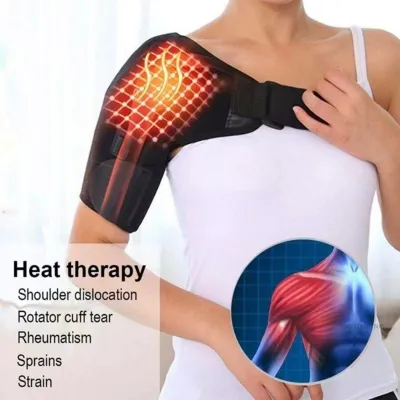
Prices are valid at publication and may change. Please refer to the product page for the latest price.
Another key indicator is a postural shift, particularly rounded shoulders or a forward head posture during long hours of desk work. When you slouch, the muscles supporting your shoulder blades stretch and weaken, while the chest muscles tighten, pulling the shoulder joint out of its natural centration. A support strap can act as a tactile cue, gently pulling your shoulders back and reminding your nervous system to engage the correct postural muscles.
You might also experience a general feeling of joint looseness, sometimes described as a lack of proprioceptive awareness, where the shoulder feels unstable or “slippery” during physical movement. This sensation often occurs when the ligaments and deep stabilizing muscles are slightly lax or fatigued, making it difficult to sense exactly where your joint is positioned in space. Wearing a supportive strap can enhance this sensory awareness, helping you move with greater confidence and control.
It is vital to clarify that these observational cues are indicators for mild, external support and do not constitute a medical diagnosis. If your shoulder discomfort is mild, transient, and primarily linked to fatigue or poor posture, a strap can be a highly effective tool for daily management. However, identifying these signs is simply the first step in determining whether a brace is the right solution for your specific situation.
When a Shoulder Brace Strap Is the Right Choice
A shoulder brace strap is highly effective when used for targeted, situational support rather than as a permanent fixture of your wardrobe. One of the primary scenarios where a strap excels is during posture correction and muscle memory retraining during sedentary tasks. When worn for short periods at your desk, the strap provides constant physical feedback, training your body to recognize what proper alignment feels like so you can eventually maintain it independently.

Another ideal use case is providing mild joint stabilization and proprioceptive feedback during the later stages of sports recovery. Once a minor strain has healed sufficiently and you have received the go-ahead to return to light activity, a strap can offer the light compression needed to keep the joint warm and stable. This extra layer of sensory feedback helps prevent sudden, awkward movements that could potentially re-injure the recovering tissues.
For active individuals, preventive compression during overhead sports like volleyball, badminton, or weightlifting can be incredibly beneficial. The physical presence of the strap serves as a constant reminder to maintain proper form and avoid overextending the joint during high-velocity movements. This is particularly useful in warm, tropical climates where muscles can fatigue quickly, leading to a breakdown in athletic technique.
It is crucial to distinguish between these light support straps and heavy-duty medical immobilizers or slings. Light straps are designed to allow a functional range of motion while offering compression and feedback, making them suitable for active use and posture training. In contrast, medical-grade immobilizers completely restrict movement to allow severe injuries to heal, a level of restriction that is unnecessary and counterproductive for general support and active recovery.
When to Skip the Strap and Seek Professional Help
While a shoulder brace strap is a valuable tool for mild discomfort and postural support, there are clear safety boundaries where self-care must be set aside. If you experience sharp, severe pain, a visible deformity in the shoulder contour, or a distinct sensation of the joint slipping completely out of its socket, you must skip the strap entirely. These symptoms often point to structural damage, such as a dislocation or a severe ligament tear, which requires immediate medical evaluation.
Another critical red flag is a significant restriction in your normal range of motion, or the presence of neurological symptoms like numbness, tingling, or a “pins and needles” sensation traveling down your arm to your fingers. These signs suggest potential nerve compression or severe joint inflammation that cannot be resolved by an elastic strap. Attempting to bind a shoulder experiencing these symptoms can worsen the underlying compression and delay necessary professional treatment.
Acute swelling, warmth to the touch, or deep bruising immediately following a traumatic event, such as a fall or a direct impact during a sport, also demands professional attention. These acute inflammatory responses indicate tissue trauma that needs to be assessed by a doctor or physical therapist to rule out fractures or complete tendon ruptures. In these situations, applying a tight compression strap without a professional diagnosis can aggravate the injury.
Under any of these severe conditions, the safest course of action is to stop all physical activity, avoid applying any self-treatment devices, and consult a qualified healthcare professional. A physical therapist or orthopedic specialist can perform specific diagnostic tests to identify the exact source of your pain and design a targeted rehabilitation plan. Relying on a strap to mask severe pain only delays proper healing and can lead to chronic joint instability.
How to Choose the Right Shoulder Brace Strap for Your Needs
Selecting the right shoulder brace strap requires careful consideration of several design elements to ensure it matches your lifestyle and physical needs. In the warm and humid climate of the Philippines, material and breathability should be your top priorities. Look for straps constructed from lightweight, perforated neoprene or moisture-wicking nylon blends that allow heat to escape and sweat to evaporate quickly, preventing skin irritation during extended wear.
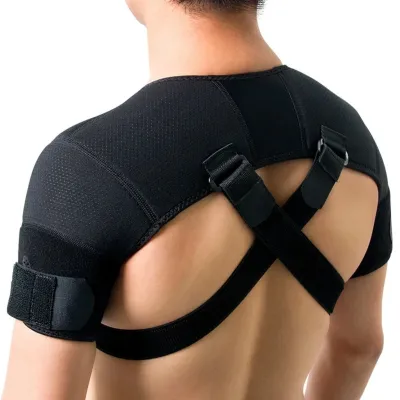
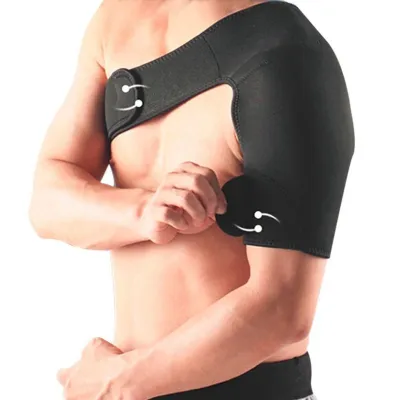
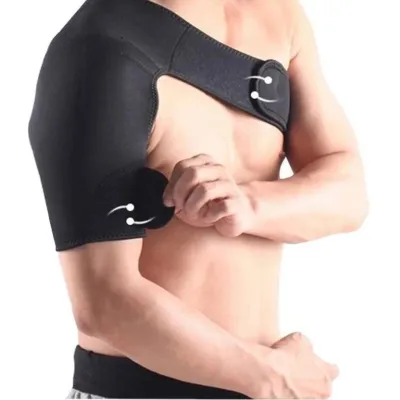
The strap configuration is another essential factor, as different designs offer varying levels of restriction and support. Single-strap designs typically wrap around the affected shoulder and chest, providing localized compression while preserving a high degree of mobility for sports. Cross-back designs, on the other hand, anchor across both shoulders and the upper back, making them highly effective for posture correction but more restrictive for overhead athletic movements.
Sizing and fit verification are critical to ensure the strap performs its job safely and effectively. To find your size, measure the circumference of your chest and upper arm according to the manufacturer’s guidelines, rather than guessing based on clothing size. A properly fitting strap should provide snug, even compression without pinching, chafing, or restricting your blood circulation or breathing.
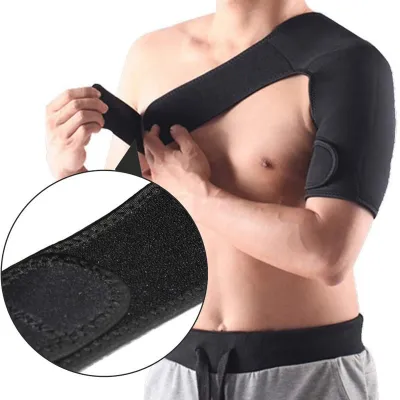
Finally, look for adjustability features, such as high-quality hook-and-loop fasteners, which allow you to fine-tune the tension of the strap throughout the day. This adjustability is incredibly useful when transitioning from a sedentary desk job, where you might want gentler postural feedback, to a workout session where you require tighter, more secure compression. Being able to customize the fit ensures the strap remains comfortable and functional across different activities.
Best Practices for Wearing and Maintaining Your Strap
To maximize the benefits of your shoulder brace strap and ensure its longevity, you must follow proper usage and maintenance routines. When putting on the strap, always perform a self-check of the tightness using the one-to-two-finger rule. You should be able to comfortably slide one or two fingers under the straps; if you cannot, the brace is too tight and may restrict blood flow or irritate your skin, whereas if it slides easily, it will not provide sufficient support.
It is equally important to establish strict time limits for daily use to prevent your muscles from becoming dependent on the external support. As a general rule, avoid wearing the strap continuously for more than two to three hours at a time, unless specifically instructed by a physical therapist. Limiting your wear time ensures that your deep stabilizing muscles continue to work and strengthen, rather than weakening from lack of use.
Proper hygiene and maintenance are essential, especially when using the strap in hot, humid conditions where sweat and oils accumulate rapidly. After every workout or heavy use, hand wash the strap in cool water using a mild detergent, avoiding harsh bleaches or fabric softeners that can degrade the elastic fibers. Gently squeeze out the excess water without wringing or twisting the material, which can warp the structural shape of the brace.
Always air dry your shoulder strap flat or hang it in a well-ventilated indoor area away from direct sunlight or high heat sources like clothes dryers. Direct heat can melt the synthetic fibers and destroy the elasticity of the bands, rendering the brace useless. Taking the time to care for your strap properly not only keeps it smelling fresh and hygienic but also preserves its supportive properties for many uses to come.
Frequently Asked Questions (FAQ)
Can I wear a shoulder brace strap all day?
Continuous, all-day reliance on a shoulder brace strap is generally not recommended because it can lead to weakened shoulder and core muscles. When an external strap constantly supports your joint, your body’s natural stabilizing muscles do not have to work, which can cause them to atrophy over time. To maintain your natural joint strength, it is best to wear the strap only during specific activities, workouts, or targeted posture-training sessions lasting a few hours.
Will a shoulder strap fix a torn rotator cuff?
A shoulder brace strap cannot fix or heal structural damage such as a torn rotator cuff or other tendon tears. The strap is designed solely to offer temporary symptom relief, localized compression, and proprioceptive feedback to help you manage discomfort and maintain better alignment. Structural injuries require a comprehensive medical assessment, targeted physical therapy, or other medical interventions to heal properly.
Community discussion
Share your experience or ask a question. Comments are reviewed before publication.