
A swing stick can be a highly effective training aid if your primary struggles are rhythm, tempo, and sequencing, but it is not a magic cure for fundamental mechanical errors like a poor grip or incorrect body alignment. Before spending your hard-earned money, you must evaluate whether your specific swing flaws match the feedback this tool provides. In the tropical climate of the Philippines, where high humidity can quickly fatigue a golfer during long practice sessions, choosing the right training aid is crucial for maximizing your limited practice time on the driving range or in your backyard.
Many golfers fall into the trap of buying every new training aid they see on social media or at the local pro shop, hoping for a quick fix to their slice or hook. However, a swing stick is designed for a very specific set of physical movements. If you do not understand what the tool is actually measuring and correcting, you risk reinforcing bad habits or simply wasting your money on a device that sits in your garage.
To make an informed decision, you need to look closely at your current game, analyze the physical feedback mechanisms of the swing stick, and determine if your skill level makes you ready for this type of training. By taking a systematic approach to your practice equipment, you can ensure that every swing you take contributes to a more consistent, powerful, and enjoyable game on the course.
Products mentioned in this guide
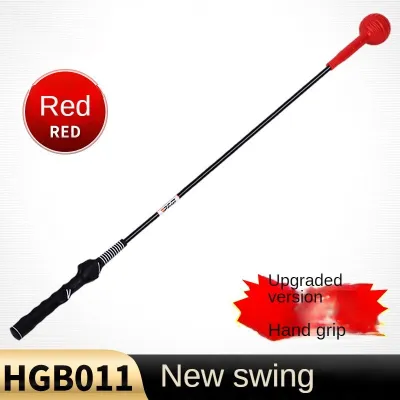
Prices are valid at publication and may change. Please refer to the product page for the latest price.
Identify the Swing Flaws a Swing Stick Can Actually Address
The primary value of a swing stick lies in its ability to highlight and correct issues related to tempo and timing. If you find yourself rushing your downswing or starting the transition from the top of your backswing with too much upper-body force, a swing stick will immediately expose this flaw. The flexible shaft requires a smooth, deliberate transition to keep the weighted end on the correct path, forcing you to slow down and find a natural rhythm.
Another common issue this tool addresses is a lack of swing path awareness and improper swing plane. Golfers who struggle with “casting”—releasing the wrists too early in the downswing—will find that the swing stick exaggerates this error, making it highly noticeable. By practicing with the stick, you can develop a better feel for where the clubhead is throughout the entire motion, helping you maintain a proper swing plane from takeaway to follow-through.
However, it is equally important to understand what a swing stick cannot fix. It will not correct a faulty grip, which is the foundation of a square clubface at impact. It also cannot fix stance alignment errors or poor posture at setup; if you are aiming thirty yards right of your target or standing too close to the ball, the swing stick will still swing smoothly, but your real-world shots will continue to miss the mark. Complex mechanical breakdowns, such as a severe reverse pivot or hip sway, typically require the trained eye of a professional coach rather than a self-guided training aid.
To determine if you are a good candidate for a swing stick, monitor your self-check signals during your next practice session. If you experience highly inconsistent ball striking where you alternately thin, fat, or heel the ball, timing is likely a major factor. Another signal is feeling like you are constantly fighting the club or rushing to hit the ball, rather than letting the swing happen naturally. If you frequently lose track of the clubhead position during your backswing, the physical feedback of a swing stick can help rebuild that vital spatial awareness.
Understand the Mechanics and Sensory Feedback
To appreciate how a swing stick works, you must understand the physics behind its design. Most models feature a highly flexible fiberglass or composite shaft paired with a heavy, weighted head. This combination is engineered to promote “lag”—the angle between your forearms and the club shaft during the downswing. Because the shaft is so flexible, you must swing with proper sequencing, starting with your lower body and letting your arms and hands follow, to make the stick move efficiently.

This design directly targets your body’s kinesthetic awareness, or muscle memory. When you swing a standard golf club, the stiff shaft can mask minor timing errors, allowing you to use your hands to force the clubface square at the last microsecond. The extreme flexibility of a swing stick makes this hand-driven manipulation nearly impossible, forcing you to rely on your larger muscle groups to generate speed and maintain control.
In addition to physical feel, many swing sticks incorporate auditory feedback mechanisms to guide your practice. Some models feature a sliding magnetic weight or an internal clicker that slides down the shaft and makes a distinct sound when you reach maximum swing speed. If you hear the click or feel the weight shift before your hands reach the imaginary impact zone, you are releasing your power too early. Hearing the sound at or just after the impact point confirms that your timing and release are properly synchronized.
Despite these benefits, you must remain aware of the limitations of this sensory feedback. A swing stick is an excellent tool for measuring timing and general path, but it cannot measure the exact angle of your clubface at the moment of impact. It also cannot tell you if you are striking the ball on the sweet spot or if your path is slightly inside-out or outside-in. Because you are not hitting a physical ball, you do not get the immediate visual feedback of ball flight, which means the tool must be used as a supplement to, rather than a replacement for, real ball-striking practice.
Evaluate Your Skill Level and Training Readiness
Your current experience level plays a massive role in whether a swing stick will help or hurt your game. For absolute beginners, the tool can sometimes be more confusing than helpful. When you are still struggling to grasp the basic mechanics of how to hold the club, how to stand, and how to make contact with the ball, adding a highly flexible, heavy training aid can introduce too many variables. Beginners risk developing awkward, compensatory movements just to make the stick click or bend, which can ruin their foundational swing before it even develops.
For intermediate to advanced golfers, however, a swing stick is often an ideal training companion. Once you have established a reliable grip and posture, your main challenges usually revolve around consistency, tempo, and maintaining lag under pressure. The swing stick helps refine these advanced elements by building deep muscle memory that carries over to your actual clubs. It is also an exceptional tool for off-season maintenance or for warming up your muscles before a round, especially when you do not have time to hit balls on the range.
Physical considerations are another critical factor when evaluating your readiness. Swing sticks are available in various lengths, weights, and flexibilities, and choosing the wrong one can lead to physical strain or mechanical issues. You must check the manufacturer’s specifications to ensure the tool matches your physical capabilities. A swing stick that is too heavy or stiff for your strength can cause you to over-exert yourself, potentially leading to back or shoulder discomfort, while one that is too light will not provide the resistance needed to feel the shaft load properly.
In the warm and humid environment of the Philippines, physical fatigue sets in much faster than in cooler climates. Swinging a heavy training aid repeatedly in high humidity can quickly tire out your core and forearm muscles, leading to sloppy form. Therefore, selecting a swing stick that matches your current physical fitness and swing speed is essential for maintaining safe, productive practice sessions without risking injury.
Choose Your Next Step: Buy, Adjust, or Seek Coaching
Now that you have diagnosed your swing flaws, understood the mechanics, and evaluated your readiness, you can choose the most logical path forward. If your self-diagnosis confirms that your basic setup is solid, but your tempo is rushed and you struggle with maintaining lag, proceeding with a purchase is a highly reasonable step. You can search local golf specialty shops in major metropolitan areas or explore verified sellers on reputable ecommerce platforms to find a model that matches your physical specifications. Be sure to read user reviews regarding durability and check the manufacturer’s sizing guides before buying.
If, on the other hand, your self-check reveals that your primary issues are a weak grip, inconsistent posture, or severe ball-flight errors like shanking or extreme slicing, you should hold off on buying a swing stick. These foundational errors cannot be fixed by a flexible shaft. Instead, your next step should be to book a lesson with a qualified golf instructor at your local driving range or golf club. A professional coach can provide personalized, real-time feedback to correct your basic mechanics, saving you from cementing bad habits into your muscle memory.
If you find that your timing is fine but you struggle with other specific areas of your game, you should explore alternative training aids. For example, if your alignment and target aiming are inconsistent, a set of simple alignment sticks is a far more effective and affordable solution. If you struggle with finding the correct impact position or tend to scoop the ball, an impact bag can help you feel the sensation of a crisp, downward strike. For golfers looking solely to increase their swing speed and physical strength, a dedicated weighted club or a speed-training system may be more appropriate than a flexible swing stick.
Frequently Asked Questions (FAQ)
Can I use a swing stick to hit actual golf balls?
A swing stick is strictly a standalone training tool designed for air swings and sensory feedback. It is not built to withstand the high-impact force of striking real golf balls or hitting off a hard driving range mat. Attempting to hit balls with it can damage the flexible shaft, void the manufacturer’s warranty, and potentially cause injury if the weighted head detaches.
How often should I practice with a swing stick?
Consistency is far more valuable than duration when training your muscle memory. Instead of a single, exhausting hour-long session, aim for short, focused practices of 10 to 15 minutes, three to four times a week. Always check the manufacturer’s recommended drill routines to ensure you are performing the movements correctly and avoiding physical strain, especially in hot and humid conditions.
Do I need a specific flex or weight for my swing speed?
Yes, matching the tool to your physical profile is critical. You should verify the manufacturer’s product specifications, which often categorize swing sticks by length, weight, and flex rating based on your average driver swing speed or overall strength. Using a swing stick that is too stiff or heavy for your natural speed can disrupt your timing, while one that is too flexible might lead to over-compensating with your hands and wrists.
Community discussion
Share your experience or ask a question. Comments are reviewed before publication.