
Deciding whether to use a tennis racket dampener comes down to your personal preference for sound and tactile feedback, as it is an entirely optional accessory. It does not alter your racket’s power, spin, or structural frame vibration. Its primary job is to absorb high-frequency vibrations in the strings, muting the sharp “ping” sound at impact and softening the immediate tactile sensation in your fingers.
If you are distracted by string noise or find the crisp feel of stiff strings harsh, a dampener is a simple, low-cost solution. However, if you rely on crisp feedback to gauge your shots, or if you are seeking a cure for arm pain, a dampener is not the right tool. To help you decide, this guide breaks down what dampeners actually do, how to perform a quick self-check, and how to address real arm fatigue.
What a Dampener Actually Does (and the Medical Myth)
To make an informed decision, you must first understand the physics of what happens when a tennis ball collides with your string bed. The impact causes the strings to vibrate at a high frequency, which travels through the air as a sharp, ringing sound. A vibration dampener—typically a small piece of molded silicone, rubber, or gel inserted between the strings—acts as a localized mass that quickly absorbs these high-frequency string vibrations, eliminating the ringing sound entirely.
Products mentioned in this guide
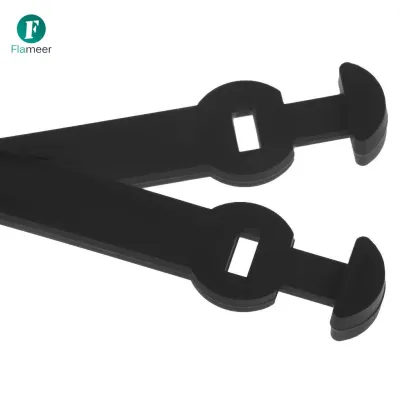

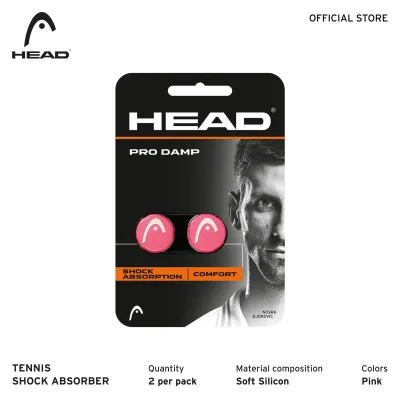
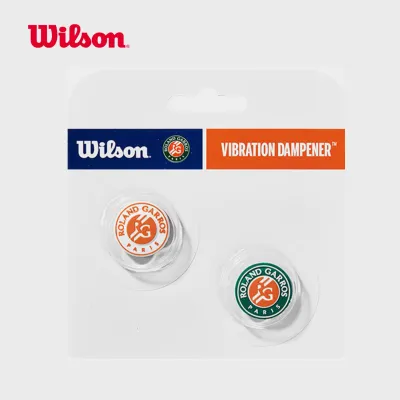

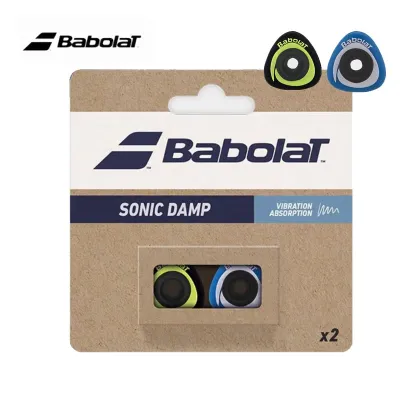
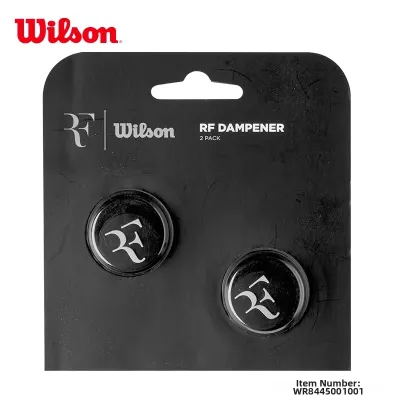
Prices are valid at publication and may change. Please refer to the product page for the latest price.
This acoustic change directly alters your tactile perception. Because the high-pitched sound is gone, the impact feels “cleaner,” more solid, and heavily muted. Many players describe this sensation as feeling the ball “pocket” deeper into the string bed, even though the actual dwell time of the ball on the strings remains unchanged.
However, there is a persistent medical myth that tennis dampeners protect your arm from injury. A dampener does not change the structural vibration frequency of the racket frame, nor does it reduce the low-frequency shock that travels up the shaft into your wrist, elbow, and shoulder. Consequently, a dampener will not prevent, treat, or cure tennis elbow (lateral epicondylitis). Relying on a dampener to manage existing arm pain is ineffective and can delay necessary adjustments to your equipment, technique, or physical recovery.
Self-Check: Signs You Might Benefit from a Dampener
If you are unsure whether to add a dampener to your setup, pay close attention to your sensory experience during your next hitting session. There are three clear, observable signs that a dampener could improve your comfort and focus on the court.

You Are Distracted by the High-Pitched "Ping"
Modern tennis strings, particularly stiff co-polyester strings, produce a metallic, high-pitched ring upon impact. This sound is often amplified when playing on outdoor concrete courts, which are highly common across the Philippines, where the open air and hard surroundings offer no acoustic dampening. If this repetitive “ping” breaks your concentration, makes you self-conscious about your hits, or simply annoys you during long rallies, a dampener is the most effective way to quiet the noise and restore your mental focus.
The Impact Feel is Too Crisp or Harsh
When you pair a stiff, modern racket frame with high-tension strings, the immediate sensation of hitting the ball can feel incredibly sharp. While this crispness provides excellent feedback, it can also send an uncomfortable, tingling vibration directly into your fingers and palm at the moment of contact. If you find this immediate tactile shock unpleasant or fatiguing—even if you do not suffer from medical joint pain—a dampener can take the harsh edge off the impact, making each shot feel smoother and more cushioned.
You Prefer a Muted, Solid String Bed Feedback
Some players perform best when their equipment feels quiet and predictable. If you prefer a deep, solid “thud” over a lively, resonant ring, a dampener will deliver that exact sensation. This muted feedback allows you to focus entirely on the weight and depth of your shots without the sensory distraction of a vibrating string bed, helping you establish a more consistent rhythm during baseline exchanges.
Self-Check: When to Skip the Dampener
While dampeners are incredibly popular, they are not suitable for every player. In several scenarios, adding a dampener can actually hinder your performance or offer no noticeable benefit.
First, if you rely on precise auditory feedback to judge the quality of your shots, you should skip the dampener. Experienced players often use the distinct sound of a clean sweet-spot strike versus an off-center hit to adjust their swing path and timing in real time. Muting this sound deprives you of a valuable diagnostic tool during play.
Second, the type of strings you use dictates whether a dampener is necessary. If your racket is strung with soft multifilament strings, synthetic gut, or natural gut, these materials naturally absorb high-frequency vibrations. Adding a dampener to an already plush string bed can make the impact feel mushy, dead, and completely disconnected, reducing your control over delicate touch shots.
Finally, beginners or players with highly inconsistent strike zones should generally avoid small button dampeners. If you frequently mishit the ball near the bottom of the frame, you run a high risk of striking the dampener directly. This can cause the ball to fly off at an erratic, uncontrollable angle, or launch the dampener off your racket and across the court, forcing you to stop play to search for it.
How to Choose and Install the Right Dampener
If your self-check indicates that you would benefit from a dampener, you have two primary designs to choose from, each offering distinct trade-offs in terms of security and feel.
Button vs. Worm Dampeners
- Button Dampeners: These are small, compact pieces of silicone or plastic that press between two adjacent main strings. They are highly affordable, typically ranging from ₱100 to ₱300 in local pro shops, and come in a wide variety of colors and designs. While they are incredibly easy to install and swap, they are prone to flying off during off-center hits.
- Worm Dampeners: These are long, sleeve-like tubes of rubber or gel that weave through several main strings, often securing with hooks on either end. Because they contact more strings, they provide a much higher level of sound and vibration dampening. They are virtually impossible to knock off during a match, making them a highly reliable choice for hard hitters.
Proper Installation and Legal Placement
To ensure your dampener is legal for competitive play, you must follow the International Tennis Federation (ITF) rules. According to Rule 4, vibration dampeners may only be placed outside the pattern of the crossed strings.
This means you cannot place a dampener in the middle of your sweet spot. The standard, legal placement is at the very bottom of your string bed, positioned below the lowest cross string and centered between the two middle main strings. Alternatively, you can place it at the very top of the racket, above the highest cross string, though this is far less common.
Real Solutions for Arm Fatigue and Racket Vibration
If you are experiencing arm fatigue, wrist pain, or tennis elbow, remember that a dampener will not solve the issue. Instead, you must address the true sources of physical shock by adjusting your equipment setup. Prioritize checking your manufacturer instructions and consulting a certified stringer before making major modifications.
- Lower Your String Tension: High string tension forces your arm to absorb more of the ball's kinetic energy. In hot, humid tropical climates like the Philippines, tennis balls can feel heavy and waterlogged, further increasing impact shock. Lowering your tension by 3 to 5 pounds (e.g., dropping from 55 lbs to 50 lbs) increases the string bed's elasticity, creating a soft trampoline effect that significantly reduces the force transmitted to your joints.
- Switch to Softer String Materials: If you are currently using stiff polyester strings, consider switching to a soft nylon multifilament or a hybrid setup (polyester in the mains, multifilament in the crosses). Soft strings naturally absorb a massive portion of the impact shock before it ever reaches your frame.
- Add Mass to the Racket: Lightweight rackets are easily pushed around by heavy incoming balls, causing the frame to twist violently on off-center hits. This twisting motion is a primary cause of tennis elbow. Adding small strips of lead tape to the racket frame, or upgrading to a slightly heavier frame, increases the racket's stability and plow-through, allowing the frame's mass to absorb the shock instead of your arm.
- Manage Grip Size and Overgrips: Playing with a grip that is too small or too large forces you to squeeze the handle excessively hard to prevent the racket from twisting. In high-humidity environments, sweat quickly slicks the handle, compounding this issue. Ensure your grip size is correct, and regularly apply a fresh, high-quality, cushioned overgrip to maintain a secure, relaxed hold on your racket without straining your forearm muscles.
Frequently Asked Questions (FAQ)
Do professional tennis players use dampeners?
Yes, usage on the professional tour is roughly split down the middle. Many top-tier professionals use dampeners to achieve a quiet, consistent sound, while many others choose to play without them to maximize the raw tactile feedback of their strings. This split proves that using a dampener is entirely a matter of personal comfort and sensory preference, rather than a performance requirement.
Can a dampener fly off during a match?
Yes, standard button dampeners frequently pop out of the strings, especially if you hit the ball low on the frame near the dampener’s location. If your dampener flies off during a point, play continues uninterrupted; it is not a penalty unless the loose dampener actively lands on the opponent’s side of the net or physically interferes with their ability to play the ball. To avoid losing them, keep a few spares in your tennis bag, or switch to a secure worm-style dampener.
Community discussion
Share your experience or ask a question. Comments are reviewed before publication.