
A weightlifting belt is a highly visible tool in the gym, but it is not a mandatory piece of equipment for everyone. Rather than acting as a magical back brace, a belt is designed to enhance intra-abdominal pressure when used correctly. Whether you actually need one depends entirely on your training experience, the exercises you perform, and your lifting intensity. If you are lifting in a local commercial gym or a humid garage setup in the Philippines, managing your gear is essential to keep your training efficient and comfortable. This guide will help you diagnose your current needs, identify when a belt is beneficial, and determine when it is better to lift without one.
How a Weightlifting Belt Actually Supports Your Lifts
To understand if you need a belt, you must first understand how it functions. Many lifters mistakenly believe that a belt acts like a medical brace, physically holding the spine in place or doing the work of the core muscles. In reality, a weightlifting belt works by providing a rigid wall for your abdominal muscles to push against. When you take a deep breath into your belly before a heavy lift—a process known as the Valsalva maneuver—your abdominal wall expands. The belt resists this expansion, which significantly increases intra-abdominal pressure. This internal pressure acts like an internal airbag, stabilizing your spine from the inside out.
Because of this mechanism, a belt is not a shortcut for poor core strength. It is an amplifier. If you do not already know how to brace your core and breathe properly, wearing a belt will do very little to protect you. In fact, relying on a belt without mastering foundational bracing can lead to a false sense of security, potentially increasing the risk of injury when the weights get heavy. The belt requires active, forceful engagement of your rectus abdominis, obliques, and transverse abdominis to function as intended.
Products mentioned in this guide
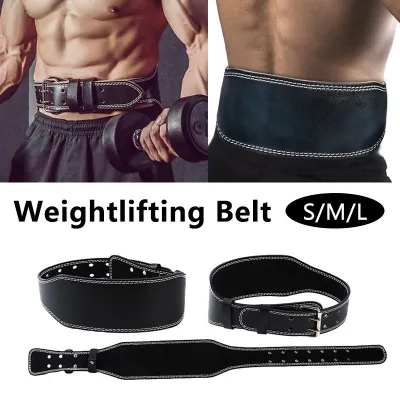
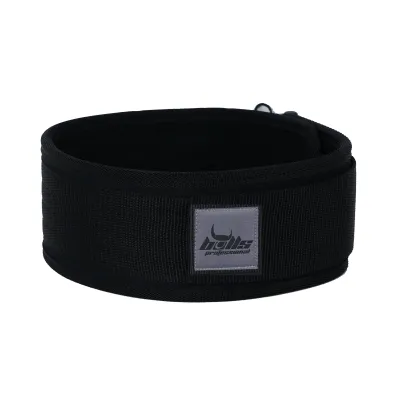
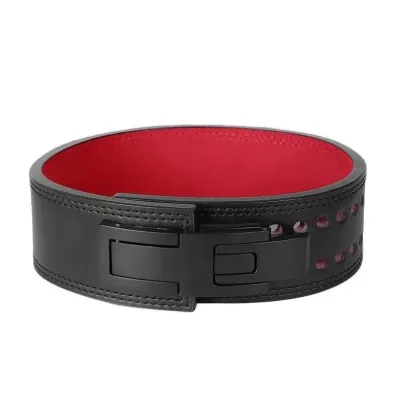
Prices are valid at publication and may change. Please refer to the product page for the latest price.
Signs You Are Ready to Add a Belt to Your Gym Bag
Deciding to introduce a weightlifting belt to your routine should be based on specific training milestones rather than a desire to look professional. The first sign that you are ready is a complete mastery of basic bracing and breathing techniques. You should be able to create a rigid, stable torso during bodyweight and moderate-weight movements without any external cues. If you still find your lower back rounding or your torso collapsing during light sets, your focus should remain on technique rather than gear.

The second factor is your exercise selection. Belts are highly effective for compound movements that place a significant axial load—or downward compression—on the spine. Exercises like heavy back squats, deadlifts, overhead presses, and clean-and-jerks benefit greatly from the increased intra-abdominal pressure a belt provides. If your routine consists primarily of these heavy compound lifts, a belt can be a valuable tool to help you maintain rigidity under load.
Finally, consider your lifting intensity. You do not need a belt for every set, but it becomes highly beneficial when you approach your heavy working sets. Rather than relying on arbitrary weight numbers, which vary wildly from person to person, evaluate your training logs and your rate of perceived exertion (RPE). When you are performing sets at an RPE of 8 or higher—meaning you only have one or two repetitions left in reserve—the added stability of a belt can help you complete the set with safer, more consistent mechanics.
When to Leave the Belt in Your Gym Bag
While a belt is incredibly useful for heavy compound lifts, there are many scenarios where it is better left in your gym bag. For instance, isolation exercises and machine-based movements do not require maximal core stabilization. Exercises like bicep curls, leg extensions, lat pulldowns, or chest presses do not load the spine axially. Wearing a belt during these movements offers no performance or safety benefits and can needlessly restrict your breathing, especially in hot and humid tropical gym environments where ventilation is at a premium.
Light to moderate warm-up sets and technique-focused sessions are also times to lift beltless. These sets are crucial for refining your motor patterns and encouraging your natural core muscles to engage. By performing your warm-ups without a belt, you ensure that your deep stabilizing muscles are actively working and developing the strength needed to support your body. This practice helps build a resilient foundation that carries over to your belted lifts.
Beginners who are in their first few months of strength training should generally avoid using a belt. During this initial phase, the primary goal is to build baseline strength, coordination, and a mind-muscle connection. Introducing a belt too early can interfere with this learning process, as it can prevent you from feeling how your body naturally stabilizes itself under load. Focus on building a strong, unassisted core before introducing external support.
Lastly, a belt should never be used to mask poor form or push through underlying lower back pain. If you experience sharp pain, persistent aching, or discomfort during an exercise, putting on a belt will not fix the issue. A belt is not a medical device. If you experience pain, you must stop the exercise immediately, evaluate your form, adjust the weight, or consult a qualified healthcare professional.
How to Choose the Right Belt if You Decide to Buy
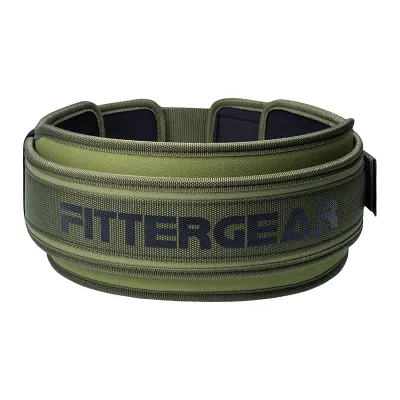
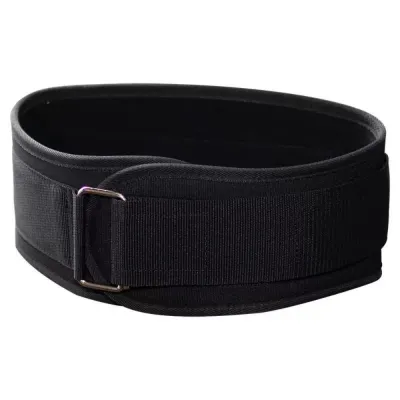
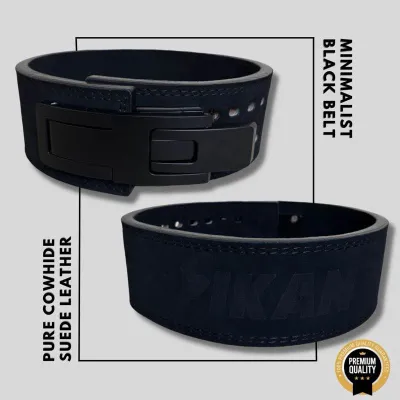
If your self-assessment indicates that you are ready for a weightlifting belt, choosing the right one requires looking at specific materials, thicknesses, and closure systems. Belts generally fall into two main categories: leather and nylon. Thick leather belts, typically 10mm to 13mm in thickness, offer high rigidity and support, making them the standard choice for powerlifting and heavy strength training. However, in warm climates, heavy leather can trap sweat and require regular maintenance to prevent mold. Nylon belts are thinner, more flexible, and highly breathable, making them popular for functional fitness, Olympic lifting, and general gym use where mobility is prioritized.
The closure system is another critical specification to verify. Prong buckles are highly durable and allow for easy adjustments as your body shape changes. Lever belts offer a quick, secure lock but require a tool to adjust for different exercises. Quick-adjust hook-and-loop systems, common on nylon belts, offer excellent versatility and are easy to loosen between sets, though they do not offer the same rigidity as a steel buckle.
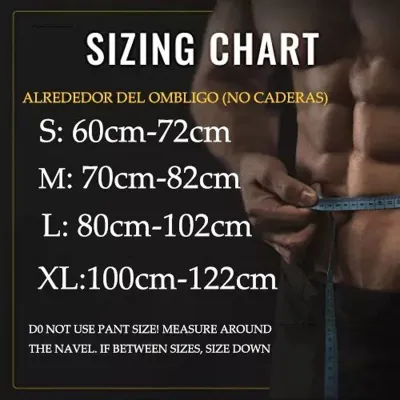
Before making a purchase, especially when browsing an online marketplace, it is vital to measure your torso correctly. Do not rely on your pants size; instead, use a flexible measuring tape around your navel, where the belt will actually sit. Check the manufacturer’s specific sizing chart and verify the retailer’s return policy. A proper fit is essential, as a belt that is too wide can dig into your ribs or hips, while one that is too narrow may not provide sufficient surface area for your abdominal wall to push against.
Frequently Asked Questions (FAQ)
Will wearing a belt weaken my core over time?
No, wearing a belt correctly will not weaken your core. Biomechanical studies show that using a belt actually requires equal or even higher levels of core muscle activation because you must actively push your abdominals outward against the rigid material to create intra-abdominal pressure. However, to maintain well-rounded, foundational strength, you should still perform core-specific accessory work and execute your lighter warm-up sets without a belt.
Should I wear a belt for every single set?
You should not wear a belt for every set. It is best to reserve the belt for your heaviest working sets, typically those at or above 80% of your one-repetition maximum, or during high-effort sets where fatigue begins to compromise your posture. Keep the belt off during warm-ups, mobility work, and isolation exercises to allow your body to move naturally and to prevent unnecessary discomfort or restricted breathing during your workout.
Community discussion
Share your experience or ask a question. Comments are reviewed before publication.