
Deciding whether to use a wrist support often comes down to listening to your body during daily activities, workouts, and repetitive tasks. If you frequently experience a dull ache after a long day of typing, feel a sudden loss of grip strength when lifting household items, or notice joint soreness after a heavy workout, your wrists may be signaling a need for extra stabilization. A wrist support serves as an external aid to limit excessive movement, distribute load, and provide therapeutic compression. Understanding these physical cues and matching them to your lifestyle is the first step toward protecting your joints and maintaining your active routine.
While many people associate joint braces with recovery from major injuries, they are also highly effective tools for daily management and prevention. By recognizing the early signs of strain, you can address discomfort before it escalates into a chronic issue. This guide will help you evaluate your physical symptoms, assess your daily activity levels, and choose the right type of support to keep your wrists moving comfortably.
Physical Signs That Indicate a Need for Wrist Support
Recognizing the subtle physical signals your body sends is crucial for preventing long-term joint strain. One of the most common early indicators is a persistent, dull ache in the wrist joint during or after repetitive daily tasks. This discomfort often arises from activities like typing on a keyboard, riding a motorcycle through heavy traffic, or carrying heavy grocery bags. If you find yourself constantly rotating your wrists or massaging the joint to find relief, it is a clear sign that the surrounding tendons are under stress and could benefit from external stabilization.
Products mentioned in this guide
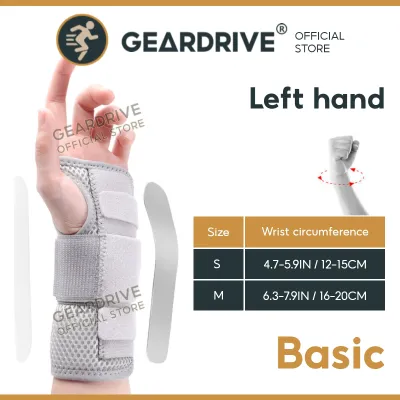
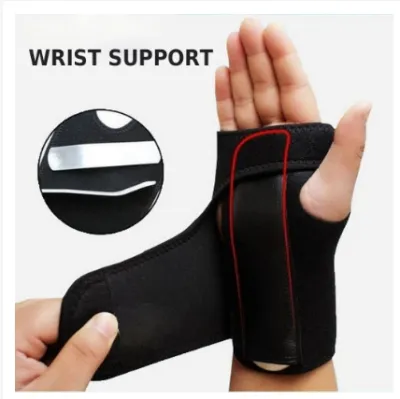
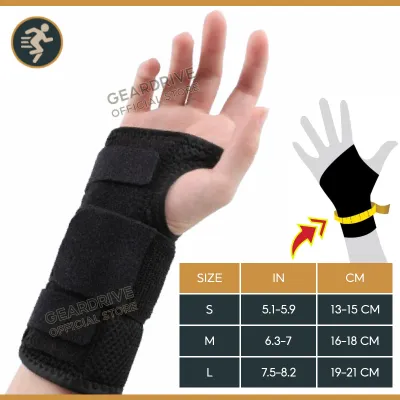
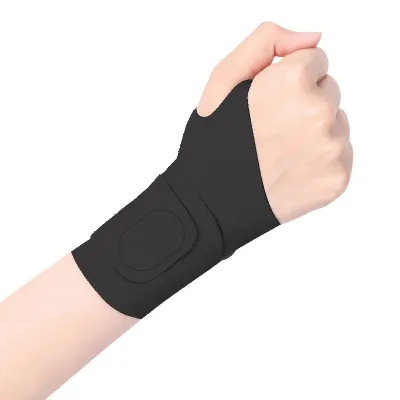
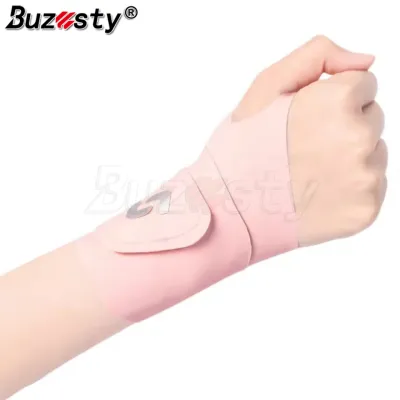
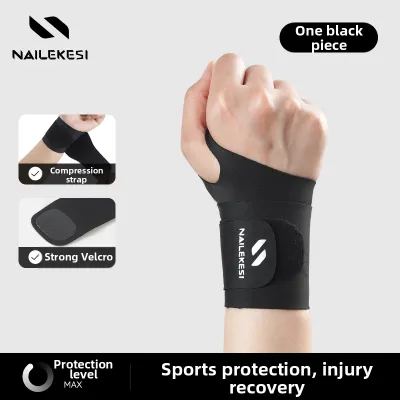
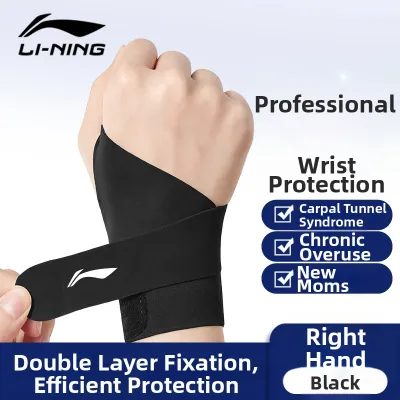
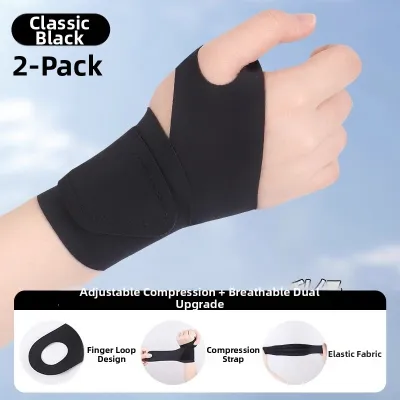
Prices are valid at publication and may change. Please refer to the product page for the latest price.
Another key signal is a feeling of instability or “giving way” in the joint during basic movements. You might notice this when lifting a pitcher of water, turning a stiff doorknob, or picking up a child. This sensation of weakness suggests that the ligaments and muscles responsible for keeping the joint aligned are fatigued or overstretched. A wrist support can help bridge this gap by providing the structural reinforcement needed to perform these everyday movements without fear of sudden pain or instability.
It is also important to differentiate between normal muscle fatigue and joint strain that requires external compression. Muscle fatigue typically presents as a generalized, dull soreness in the fleshy parts of your forearm after a workout, which usually resolves with a day or two of rest. Joint strain, on the other hand, feels deep, localized within the wrist itself, and often lingers even after extended periods of inactivity. When you experience this deep joint discomfort, applying targeted compression with a support can help reduce micro-movements that prolong recovery.
Keep in mind that these physical signs are observational signals for support consideration, not medical diagnoses. Using a wrist support is a practical way to manage mild, daily discomfort and provide temporary relief during demanding tasks. However, if your symptoms persist despite using a support and resting the joint, it is essential to seek a professional evaluation to rule out underlying conditions.
Activity and Sport Scenarios Requiring Extra Stability
Your daily activities, hobbies, and fitness routines play a major role in determining whether you need a wrist support. High-impact or heavy-load activities place immense stress on the delicate bones and ligaments of the wrist. For example, weightlifting, powerlifting, calisthenics, and gymnastics frequently require the wrist to support a significant portion of your body weight or external loads. In these scenarios, a supportive wrap can help distribute the pressure more evenly across the joint, reducing the risk of acute hyperextension.

Sports that require extreme wrist extension or flexion also demand extra stability. Racket sports like tennis and badminton, as well as activities like basketball, golf, and skateboarding, involve rapid, repetitive wrist movements at awkward angles. The constant snapping motion of a badminton smash or the impact of catching a basketball can easily strain the joint over time. Wearing a flexible support during these activities can help limit excessive lateral movement while still allowing the necessary range of motion to play effectively.
When deciding to use a support, it is helpful to distinguish between preventive wear for heavy training days and supportive wear for existing mild discomfort. If you are planning a workout session involving heavy overhead presses or high-repetition push-ups, wearing a wrist wrap preventively can help maintain proper form and joint alignment. Conversely, if you are already experiencing mild soreness from daily chores, wearing a light sleeve during your routine can provide the gentle compression needed to keep the joint warm and supported.
Ultimately, you must adjust your support expectations based on the specific mobility requirements of your chosen activity. A powerlifter needs a stiff, rigid wrap that strictly limits movement during a heavy bench press, whereas a tennis player requires a highly flexible sleeve that offers compression without restricting the quick wrist snaps needed for spin. Matching the level of restriction to your activity ensures you get the protection you need without hindering your performance.
Red Flags: When to Stop and Seek Professional Medical Help
While a wrist support is an excellent tool for managing mild strain and providing everyday stability, it is not a cure-all. It is vital to recognize strict safety boundaries and know when to stop self-treating. Severe warning signs such as sharp, shooting pain, visible swelling, bruising, or any physical deformity of the joint indicate a serious issue. If you experience these symptoms, do not attempt to wrap the wrist and push through the pain; instead, seek immediate medical attention.
Nerve-related symptoms are another major red flag that requires professional evaluation. If you experience persistent tingling, numbness, a “pins and needles” sensation in your fingers, or pain that radiates up your forearm, these are signs of nerve compression, such as carpal tunnel syndrome. A standard sports wrist support is not designed to treat nerve compression and, if wrapped too tightly, can actually worsen the pressure on the median nerve.
It is crucial to understand that a wrist support cannot mask or heal severe structural damage, such as bone fractures, ligament tears, or severe tendonitis. Relying solely on a brace to get through daily activities while ignoring severe pain can lead to improper healing, chronic joint instability, and long-term mobility loss. A support should only be used as a temporary aid for mild discomfort, not as a substitute for proper medical care.
Establish a strict rule for yourself: if you experience any of these red flags, immediately cease the activity that causes discomfort, remove any tight wraps, and consult a doctor or physical therapist. They can provide an accurate diagnosis, recommend a targeted rehabilitation plan, and advise you on the specific type of medical-grade orthotic or therapy you may need for a safe recovery.
Matching the Right Wrist Support Type to Your Needs
Selecting the right style of wrist support requires balancing your need for mobility with the level of stabilization required. Flexible sleeves and adjustable wraps are ideal for sports compression and mild, everyday support. Sleeves, often made of elastic knit or neoprene, slip over the hand and provide uniform compression that keeps the joint warm and improves blood flow. Adjustable wraps, which secure with hook-and-loop fasteners, allow you to customize the tightness and tension based on the specific activity you are performing.
For situations requiring strict immobilization, such as recovering from a mild sprain or managing repetitive strain during sleep, rigid splints or strap-heavy designs are more appropriate. These supports feature built-in metal or plastic stays that run along the palm or the back of the hand, physically preventing the wrist from bending. While they offer maximum stabilization, they significantly limit hand mobility, making them unsuitable for active sports but highly effective for resting the joint during recovery phases.
To ensure the support functions correctly, you must check the manufacturer’s sizing charts and accurately measure your wrist circumference. Use a flexible measuring tape wrapped snugly around the narrowest part of your wrist, just below the wrist bone. An improperly fitted support—whether too loose to provide stability or too tight to allow comfortable movement—will not deliver the intended benefits and may cause discomfort or skin chafing.
In hot and humid tropical climates, material breathability and skin sensitivity are critical factors to consider. Sweating under a thick, non-breathable neoprene support can quickly lead to skin irritation, rashes, or unpleasant odors. Look for supports made from moisture-wicking fabrics, perforated materials, or lightweight elastic knits that allow air circulation. If you have sensitive skin, consider hypoallergenic or latex-free options to ensure comfort during extended wear.
Safe Usage, Fit Checks, and Maintenance Guidelines
To get the most out of your wrist support and prevent secondary issues, proper usage and maintenance are essential. Whenever you put on your support, perform a quick circulation check to ensure it is snug but not restricting blood flow. Check your fingers for any signs of coldness, discoloration, or tingling. If your fingers feel numb or look pale, loosen the straps immediately; the support should provide comfortable compression, not act as a tourniquet.
It is also important to manage your wear time carefully to avoid muscle dependency. Relying on a wrist support 24/7 can cause the muscles and tendons in your forearm and wrist to weaken over time, as they no longer have to work to stabilize the joint. Use the support primarily during high-stress activities, heavy lifting, or periods of active discomfort, and remove it during rest or low-impact tasks to allow your muscles to stay active and strong.
Proper maintenance ensures your support remains hygienic and retains its elasticity. Always follow the manufacturer’s care labels, which generally recommend hand washing the support in cool water with a mild soap. Avoid using harsh detergents or bleach, and rinse the support thoroughly to remove all soap residue, which can irritate your skin. Air dry the support completely in a well-ventilated area away from direct, intense midday sun, as extreme heat can degrade the elastic fibers and weaken the hook-and-loop fasteners.
Finally, know when it is time to replace your wrist support. Over time, constant stretching, washing, and sweat exposure will cause the materials to lose their compression capabilities. If you notice that the fabric has become stretched out, the hook-and-loop fasteners no longer hold securely, or the support no longer provides the same level of stability, it is time to invest in a new one. Replacing a worn-out support ensures you continue to receive the joint protection you need.
Frequently Asked Questions (FAQ)
How tight should a wrist support be?
A wrist support should feel snug and securely supportive, but never painfully tight. A practical way to check the fit is the two-finger rule: you should be able to slide one or two fingers comfortably under the edge of the strap or sleeve. If you experience numbness, tingling, cold fingers, or visible skin indentation, the support is too tight and should be loosened immediately to maintain healthy blood circulation.
Do I need to wear a wrist support on both wrists?
Generally, you only need to wear a wrist support on the specific wrist that is experiencing discomfort, weakness, or high stress. If you are recovering from a mild strain on your dominant hand, supporting only that side is sufficient. However, if you are engaging in symmetrical, heavy-loading activities like weightlifting or gymnastics, wearing supports on both wrists can help provide balanced stabilization and prevent strain on both sides.
Community discussion
Share your experience or ask a question. Comments are reviewed before publication.