
An elbow strap is a targeted support tool designed to relieve tension on overloaded tendons, but you only need one if your discomfort stems from specific repetitive wrist and forearm movements that strain the elbow’s tendon attachments. If your pain is due to joint instability, a direct impact, or nerve issues, a strap will not help and could even worsen the condition. Deciding whether to use this gear requires assessing your daily activities, the exact location of your discomfort, and how your arm responds to load.
In sports that demand repetitive gripping, swinging, or lifting, the tendons in your forearm can become overworked and inflamed. An elbow strap acts as a mechanical buffer, absorbing a portion of the force before it reaches the sensitive attachment points at your joint. However, because sports gear is a management aid rather than a cure, understanding your body’s signals is the first step toward choosing the right support.
Common Signs Your Elbow Needs Extra Support
Recognizing when your arm requires assistance starts with paying close attention to where and when you feel discomfort. For athletes playing racket sports like badminton or tennis on humid outdoor courts, or those lifting weights in local gyms, tendon strain often manifests as a dull, persistent ache. This discomfort typically concentrates on either the outer side of the elbow (often associated with tennis elbow) or the inner side (commonly referred to as golfer’s elbow). The pain usually intensifies during or immediately after activities that require a firm grip or repetitive wrist movements.
Products mentioned in this guide
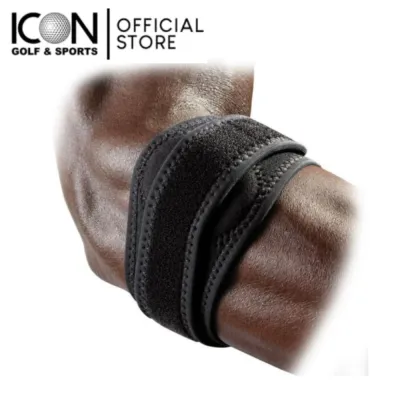
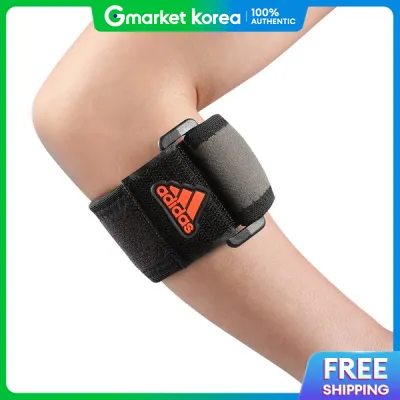
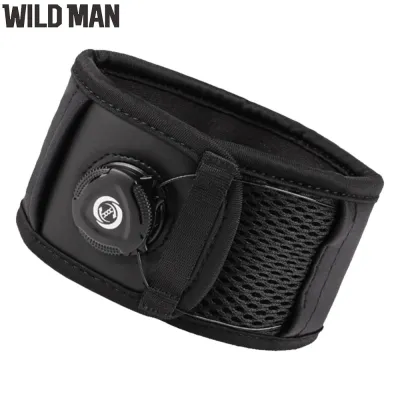
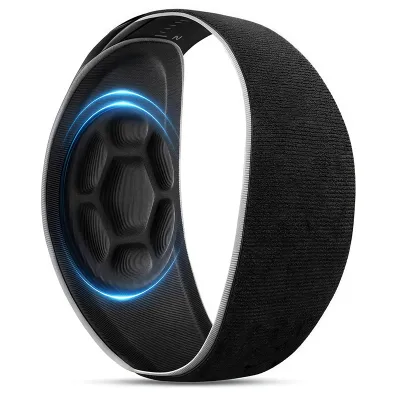
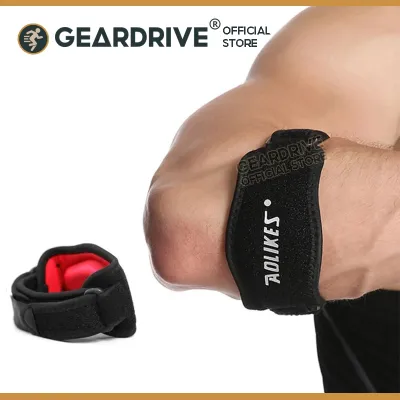
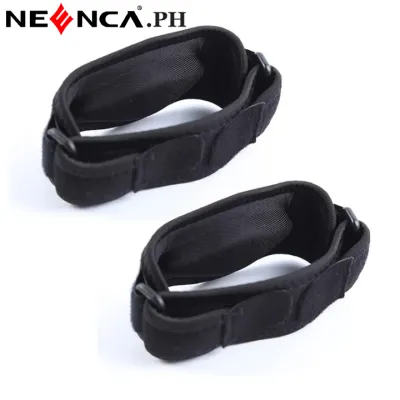
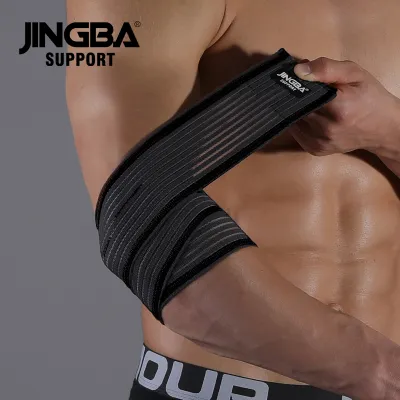
Prices are valid at publication and may change. Please refer to the product page for the latest price.
Beyond a localized ache, you might notice a sudden, frustrating decrease in your grip strength. Simple actions like twisting open a water bottle, squeezing a hand gripper, or holding a heavy racket can feel surprisingly difficult or trigger a sharp twinge along your forearm. This happens because the inflamed tendons struggle to transfer force efficiently from your hand to your elbow, causing your nervous system to limit your grip strength to protect the joint from further irritation.
You may also experience discomfort when executing specific sport mechanics that once felt effortless. For instance, a tennis backhand, a golf swing, a badminton smash, or even a basic bicep curl can produce a pulling sensation near the joint. These mechanical disruptions are clear indicators that the repetitive load on your forearm muscles is exceeding their current capacity to recover.
It is crucial to understand that these physical signals are warnings to adjust your training volume, refine your technique, or consider temporary external support. They do not serve as a formal medical diagnosis. If you observe these signs, evaluating your equipment and movement patterns is an excellent starting point, but persistent or worsening pain always warrants a professional assessment.
When an Elbow Strap Is the Right Choice
An elbow strap is specifically engineered to address localized tendon strain rather than general joint pain. The primary mechanism of a strap relies on targeted compression applied directly to the forearm muscles just below the elbow joint. By pressing down on these muscle bellies, the strap creates a secondary anchor point, effectively shortening the functional length of the muscle and altering the angle of pull. This mechanical shift redirects the tension away from the inflamed tendon insertion points, allowing the tissues to rest and recover even as you move.

This targeted offloading makes the strap highly effective for sports that involve repetitive wrist extension or flexion. If you are an avid badminton player executing rapid wrist snaps, a climber gripping tight holds, or a weightlifter performing heavy wrist curls, your forearm muscles are constantly contracting. A properly positioned strap helps absorb the peak shock of these contractions, preventing the micro-tears that lead to chronic tendon irritation.
However, a strap is only suitable when your overall joint stability remains completely intact. It is designed for mild to moderate tendon fatigue where the bones, ligaments, and cartilage of the elbow joint are healthy and unaffected. If your joint feels loose, clicks painfully, or cannot support your weight, the issue lies deeper than simple muscle strain, and a basic strap will not provide the structural support required.
Elbow Strap vs. Compression Sleeve vs. Hinged Brace
Choosing the right elbow support requires understanding the distinct functional differences between a strap, a compression sleeve, and a hinged brace. An elbow strap is a low-profile, highly focused band that targets tendon offloading. Because it only wraps around a small section of your upper forearm, it does not restrict your joint’s range of motion, making it a common choice for athletes who need full mobility during high-intensity play.
In contrast, an elbow compression sleeve covers a much larger area, extending from the mid-bicep down to the mid-forearm. Sleeves are typically made of elastic, breathable knit fabrics that provide mild, uniform compression and retain therapeutic heat. This warmth and compression promote local blood flow, which helps soothe general joint stiffness, minor muscle soreness, or mild swelling. However, because a sleeve distributes pressure evenly across the entire arm, it does not alter tendon mechanics or offload specific attachment points the way a strap does.
For severe injuries, a hinged brace or immobilizer is the standard choice. These devices feature rigid plastic or metal stays that physically restrict the elbow’s movement, preventing hyperextension or lateral bending. Hinged braces are reserved for structural ligament tears, post-surgery rehabilitation, or severe joint instability where movement must be strictly controlled to allow deep tissues to heal.
To help you quickly identify the correct gear for your current physical needs, refer to the decision matrix below:
| Support Type | Primary Function | Typical Use Cases | Range of Motion |
|---|---|---|---|
| Elbow Strap | Localized tendon offloading | Tennis/golfer's elbow, repetitive wrist strain | Full, unrestricted movement |
| Compression Sleeve | Warmth, blood flow, mild compression | General joint stiffness, minor swelling, recovery | Full, flexible movement |
| Hinged Brace | Structural joint stabilization | Ligament tears, post-surgery, severe instability | Highly restricted or locked |
Red Flags: When to Stop and See a Medical Professional
While sports gear can help manage minor discomfort, it is vital to recognize when your symptoms exceed the capabilities of an elbow strap. You must stop your activity and seek professional medical evaluation immediately if you experience sharp, shooting pain, visible joint swelling, or if the skin around your elbow feels hot to the touch. These symptoms often point to acute inflammation, joint effusion, or an underlying infection that a simple strap cannot address.
Neurological symptoms are another critical red flag that requires immediate medical attention. If you feel numbness, tingling, or a “pins and needles” sensation radiating down your forearm, into your wrist, or directly into your fingers, you may be dealing with nerve compression, such as cubital tunnel syndrome. Applying a tight strap over an already compressed or irritated nerve can worsen the nerve damage and lead to long-term muscle weakness in your hand.
Relying on an elbow strap to mask pain while continuing to train through an injury is a dangerous practice. Gear is meant to assist with symptom management during recovery; it does not fix flawed biomechanics, poor sporting technique, or chronic overtraining. Ignoring the root cause of your discomfort and using a strap as a permanent crutch can lead to severe, chronic tendon degeneration that may eventually require invasive medical intervention.
How to Check the Fit and Wear an Elbow Strap Safely
To ensure your elbow strap works effectively without causing secondary issues, you must position it correctly. The strap should be worn approximately two finger-widths below your elbow crease, resting directly on the thickest part of your forearm muscle. Never place the strap directly over the bony protrusions of your elbow or over the exact point of your pain, as direct pressure on inflamed bone or tendon attachments will only increase irritation and delay healing.
Verifying the tightness of the strap is essential for maintaining healthy blood circulation. The strap should feel snug and supportive when you flex your forearm, but it must not pinch or bind your skin. If you experience numbness, tingling, cold fingers, or notice any skin discoloration in your hand, the strap is too tight and must be loosened immediately to prevent nerve compression and restricted blood flow.
Finally, establish strict usage limits to protect your muscles and tissues. Wear the elbow strap only during the specific sport, workout, or repetitive task that triggers your discomfort, and remove it immediately once you finish. Keeping the strap on during rest periods or throughout the day can lead to muscle dependency, where your forearm muscles rely on the external pressure rather than maintaining their natural strength and tone.
Frequently Asked Questions (FAQ)
Can I wear an elbow strap all day for work or typing?
You should avoid wearing an elbow strap continuously throughout the day for passive tasks like typing or general office work. Prolonged wear can restrict your local blood circulation and lead to muscle dependency, where your forearm muscles gradually weaken because they are constantly relying on external support. If desk work triggers elbow discomfort, it is far more effective to use the strap only during the most intensive typing sessions, take regular stretching breaks, and consult a physical therapist to optimize your workstation ergonomics.
Will an elbow strap cure tennis elbow or golfer's elbow?
An elbow strap will not cure tennis elbow or golfer’s elbow, as it is a load-management tool rather than a curative treatment. While the strap is highly effective at reducing immediate discomfort by offloading stress from the tendon, true tissue healing requires a comprehensive recovery plan. Long-term recovery depends on relative rest, progressive tendon-strengthening exercises, and correcting any biomechanical flaws or improper sporting techniques that caused the tendon overload in the first place.
Community discussion
Share your experience or ask a question. Comments are reviewed before publication.