
Deciding whether to transition to an electric bike for your daily travels involves balancing convenience, physical effort, and local road realities. For many adult riders, these motorized bicycles offer a practical middle ground between the active exertion of a traditional bicycle and the high operating costs of a motorcycle or car. By evaluating your specific route, physical comfort, and budget, you can determine if an e-bike is a practical investment for your lifestyle.
Assess Your Daily Commute and Terrain
Your daily route is the most critical factor when deciding if electric bikes for adults are suitable for your lifestyle. If your one-way commute is under five kilometers, a traditional bicycle is highly practical and requires minimal maintenance. However, once your one-way distance stretches past ten kilometers, the physical effort of continuous pedaling can become exhausting, making the motor assistance of an e-bike highly beneficial.
Terrain variations along your route also dictate whether you need motorized help. Navigating steep overpasses, flyovers, or rolling hills on a standard bicycle requires significant leg power and can quickly drain your energy. An e-bike equipped with pedal-assist or a throttle allows you to maintain a steady speed over these obstacles without overexerting yourself.
Products mentioned in this guide
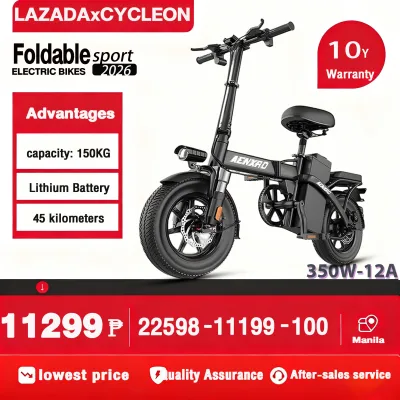
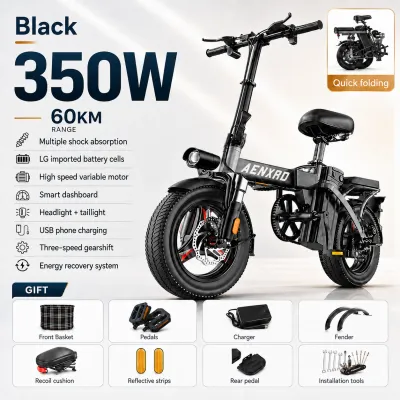
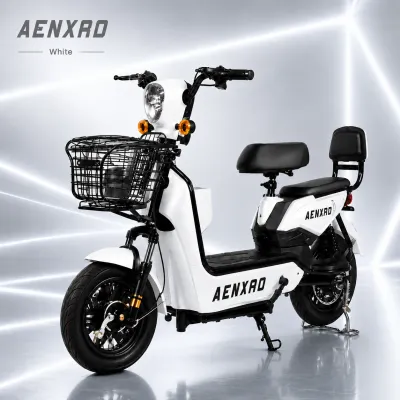
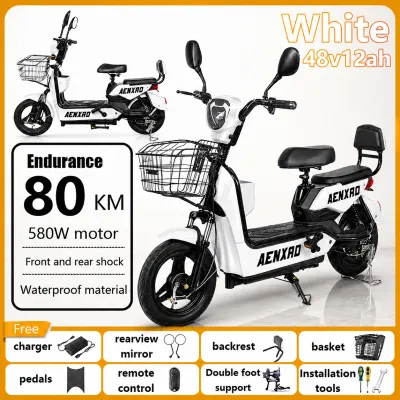
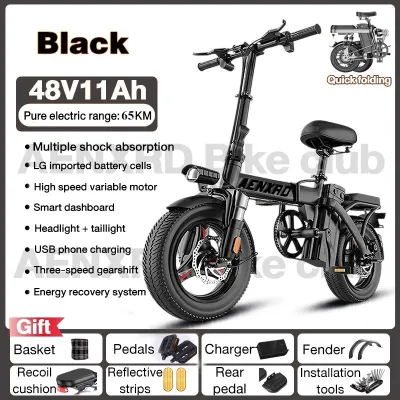
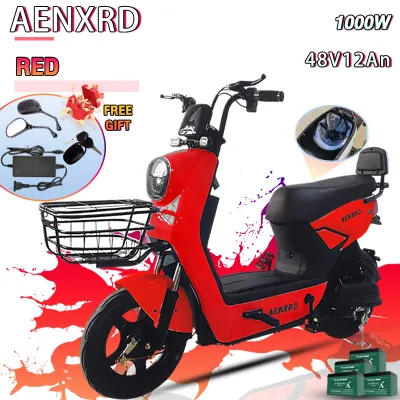
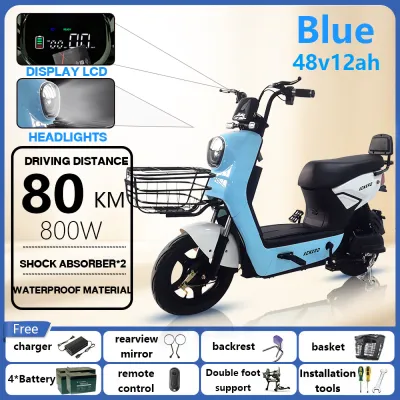
Prices are valid at publication and may change. Please refer to the product page for the latest price.
Tropical weather conditions in the Philippines add another layer of complexity to daily travel. Riding under the intense midday sun or through high humidity can lead to rapid dehydration and fatigue. Motor assistance helps you maintain a cooling breeze while reducing the physical exertion that causes overheating, making your journey much more tolerable during hot seasons.
Additionally, road quality in urban areas often includes potholes and uneven asphalt. A standard bicycle transmits all of these vibrations directly to your body, leading to fatigue over longer distances. Many electric bikes designed for commuting feature wider tires or front suspension forks that help absorb these impacts, but you must verify these specifications based on the specific streets you plan to traverse daily.
Evaluate Your Physical Fitness and Cargo Needs
Your personal fitness goals and daily physical capacity should align with the type of vehicle you choose. While a traditional bicycle is excellent for cardiovascular exercise, using it for daily utility transport can become a grueling chore if you are tired or recovering from a long workday. An e-bike offers a customizable level of exertion, allowing you to pedal actively when you want a workout or rely on the motor when you need to rest.

Workplace environment and dress codes are equally important considerations. Arriving at an office drenched in sweat is impractical, especially if your workplace lacks shower facilities or changing rooms. The pedal-assist feature of an e-bike lets you travel at comfortable speeds with minimal physical strain, helping you arrive at your destination looking professional and feeling fresh.
Additionally, consider what you need to carry on a daily basis. Hauling heavy laptops, work gear, or mid-week groceries adds substantial rolling resistance to a bicycle, making hills and head winds much harder to manage. E-bikes handle this extra weight with ease, ensuring that loaded panniers or cargo racks do not compromise your ability to complete your journey comfortably.
When evaluating cargo, also consider the physical design of the e-bike frame. Step-through frames make mounting and dismounting much easier when the bike is fully loaded with heavy bags, whereas traditional step-over frames might require more balance and physical flexibility. Checking the manufacturer’s maximum weight capacity is crucial, as exceeding this limit can compromise the bike’s handling and braking efficiency.
Compare Transport Options and Running Costs
When evaluating financial trade-offs, compare the upfront purchase prices and long-term depreciation of different transport modes. Quality electric bikes for adults generally require a larger initial investment than standard bicycles, with prices often starting around ₱20,000 and climbing significantly for premium models. However, they remain substantially cheaper than purchasing a new motorcycle or a second-hand car, which also carry immediate depreciation and high registration fees.
Ongoing operating expenses highlight the economic efficiency of electric utility vehicles. Charging an e-bike battery consumes very little electricity, costing only a few pesos per charge, which is a fraction of the price of gasoline for a motorcycle or daily fares for public utility vehicles. Over several months of consistent commuting, these savings on fuel and fares can offset a significant portion of the e-bike’s initial purchase price.
Maintenance requirements also differ across these options. Traditional bicycles require basic upkeep like chain lubrication and brake pad replacements, while motorcycles demand regular engine oil changes, spark plug replacements, and mechanical servicing. E-bikes sit in the middle; they require standard bicycle maintenance alongside careful battery management and faster brake wear due to the increased weight and speed of the motorized frame.
It is also vital to factor in the eventual cost of battery replacement, which represents the single largest maintenance expense for any electric vehicle. While a standard bicycle chain or brake pad costs very little to replace, a new e-bike battery can cost a significant percentage of the bike’s original purchase price. Balancing this future expense against your immediate monthly savings on public transport fares or gasoline is essential for an accurate long-term budget assessment.
Check Local Regulations and Infrastructure
Before purchasing, you must verify how local traffic laws and road infrastructure affect your intended ride. The Land Transportation Office (LTO) classifies electric bicycles based on their maximum speed and motor wattage, which determines whether you need a driver’s license, vehicle registration, or a specific type of protective helmet. Checking these updated guidelines ensures you select a model that complies with national and local regulations.
Your local riding environment also dictates safety and convenience. Dedicated bike lanes and wide road shoulders make e-bike commuting much safer, whereas narrow, high-speed arterial roads can pose significant risks for lightweight two-wheelers. You should also identify secure parking options at your workplace or school, as e-bikes are prime targets for theft and require robust locks or indoor storage.
Furthermore, be aware of local road restrictions in your municipality. Certain major highways, expressways, and busy thoroughfares prohibit lightweight electric vehicles entirely. Mapping out your route beforehand helps you confirm that you can legally and safely reach your destination without violating local traffic ordinances.
Safety gear requirements also vary depending on the vehicle’s classification. While traditional cyclists often wear lightweight, ventilated helmets, riders of faster electric bikes may be legally required to wear heavy-duty or motorcycle-grade helmets. Checking these local enforcement trends in your specific municipality prevents unexpected fines and ensures you are adequately protected against the higher speeds associated with motorized travel.
Decision Matrix: Should You Buy, Wait, or Choose an Alternative?
An electric bike is often a highly practical option if you commute moderate distances, need to arrive at your destination sweat-free, and have access to secure parking and bike-friendly roads. It bridges the gap between active transport and motorized convenience, offering a highly flexible way to navigate urban congestion.
Conversely, you might want to wait or choose an alternative if your route consists primarily of high-speed highways with no bike lanes, or if you lack a safe space to store and charge the battery. In such cases, a standard motorcycle may be safer for keeping up with fast-moving traffic, while a traditional bicycle remains a highly practical choice for short, budget-friendly fitness rides.
Before making a final decision, always verify the manufacturer’s specifications, battery warranty terms, and the availability of local dealer support. Ensure that replacement parts, especially batteries and controllers, are easily accessible in your area so that your investment remains functional for years to come.
Frequently Asked Questions (FAQ)
How long does an e-bike battery typically last before needing replacement?
An e-bike battery’s lifespan is measured in charge cycles, with most lithium-ion batteries lasting between 500 and 1,000 full cycles before their capacity begins to degrade significantly. Your daily usage patterns, charging habits, and storage temperature will directly affect this longevity. To understand the exact expectations for your model, check the manufacturer’s warranty terms and the estimated replacement battery costs detailed in the product manual.
Can I ride an electric bike in the rain?
Most electric bikes are designed to handle light rain and wet roads, but they are water-resistant rather than completely waterproof. You should check the manufacturer’s IP (Ingress Protection) rating in the user manual to determine the specific level of moisture protection your bike offers. To prevent permanent electrical damage, avoid riding through deep puddles, never submerge the motor or battery, and dry the electrical connections thoroughly after a wet ride.
Community discussion
Share your experience or ask a question. Comments are reviewed before publication.