
Quick Answer: Who Actually Needs Jet Fins?
Jet fins, characterized by their rigid, vented blades and heavy construction, are specialized tools designed primarily for technical, wreck, and cave divers. These fins excel in demanding environments where precise maneuverability, horizontal trim, and alternative propulsion methods like the frog kick are essential. If your diving style involves navigating tight spaces, managing complex gear configurations, or executing delicate positioning maneuvers, rigid blade fins are highly beneficial.
Conversely, recreational divers who focus on relaxed reef diving, rely on standard flutter kicks, or travel frequently will find jet fins to be a poor match. The heavy weight and lack of flexibility can lead to rapid leg fatigue, joint strain, and unnecessary baggage fees. Ultimately, whether you need jet fins depends entirely on your specific diving environment, your physical conditioning, and the propulsion techniques you use.
Understanding Jet Fins: Design and Propulsion Mechanics
The classic jet fin design features a short, wide blade constructed from dense, molded rubber or stiff composite materials. Unlike modern recreational fins that bend easily to scoop water, these rigid blades maintain their shape under heavy loads. A defining characteristic of this design is the inclusion of central vents or flow channels near the foot pocket. These vents are engineered to reduce resistance on the upstroke—the recovery phase of the kick—while channeling water backward to generate powerful thrust on the downstroke.
Products mentioned in this guide
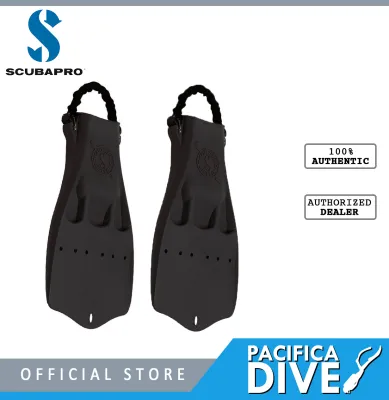
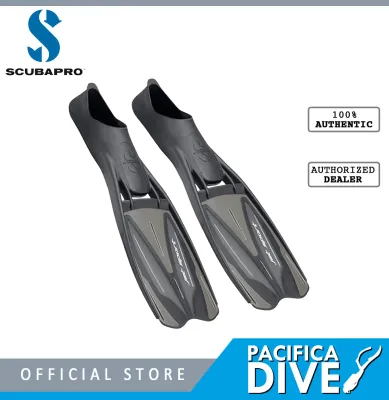
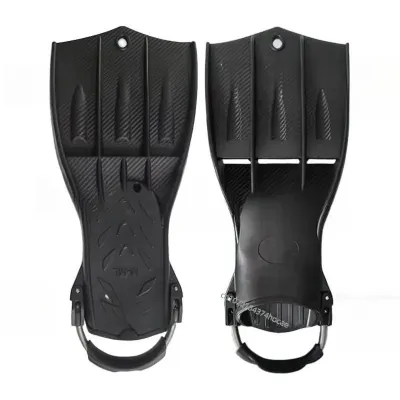
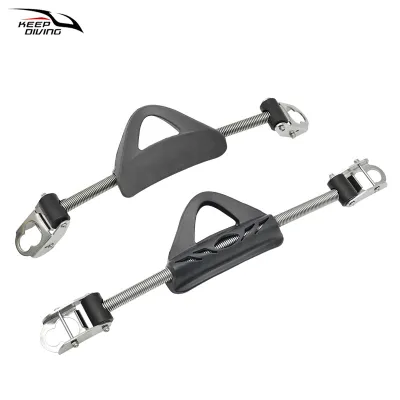
Prices are valid at publication and may change. Please refer to the product page for the latest price.

Another critical physical trait of traditional rubber jet fins is their negative buoyancy. Because they sink rapidly in water, they add weight to the lower half of a diver’s body. This negative buoyancy is highly advantageous for divers wearing heavy gear, multiple cylinders, or drysuits, as it helps counteract floaty feet and assists in maintaining a flat, horizontal trim. However, for tropical divers wearing minimal thermal protection, such as a thin wetsuit or board shorts, this extra weight can pull the legs down, requiring conscious effort or adjusted weight distribution to stay horizontal.
Self-Diagnosis: Matching Fins to Your Diving Profile
Recreational and Tropical Travel Diving
For relaxed reef diving in tropical waters, such as the marine sanctuaries found across the Philippines, lightweight and flexible fins are generally much more practical. These environments typically involve steady, low-effort swimming over shallow coral gardens where high-speed maneuvers are unnecessary. When diving in warm waters with minimal exposure suits, your lower body naturally has more buoyancy, making heavy rubber fins counterproductive to maintaining a balanced trim.
Using rigid jet fins for standard recreational diving often leads to unnecessary physical strain. Because these blades do not flex, they require significant leg strength to move through the water. Divers who exclusively use a standard flutter kick will find that jet fins offer very low efficiency on long swims, quickly causing calf cramps and early exhaustion. If your primary goal is comfortable, hassle-free holiday diving, flexible open-heel or split fins are a far more suitable choice.
Technical, Wreck, and Cave Diving
In contrast, advanced diving environments like the historical shipwrecks of Coron or the deep cave systems of Samar require absolute spatial control. In these overhead environments, a standard flutter kick is highly dangerous because the downward water flow can easily stir up fine silt from the bottom, reducing visibility to zero in seconds. Jet fins are the industry standard for these activities because their short, wide, and rigid design is optimized for specialized propulsion techniques.
These fins respond instantly to micro-movements, allowing you to execute precise frog kicks, backward kicks to back away from delicate structures, and helicopter turns to rotate in place. This level of control is essential for managing complex gear configurations, such as twin tanks or sidemount cylinders, without damaging the surrounding environment. However, choosing specialized equipment does not replace the absolute necessity of formal technical, wreck, or cave diving certification. Proper training under a qualified instructor is mandatory before attempting to dive in any overhead or high-risk environment.
Kick Techniques and Physical Conditioning
The performance of rigid blade fins is directly dependent on your kicking technique and physical conditioning. Jet fins are specifically engineered for the frog kick and modified flutter kick, which distribute the workload to the larger muscle groups of your thighs and glutes rather than your calves and ankles. If you have not yet mastered the frog kick, attempting to push these heavy blades through the water will place immense strain on your legs and joints.
Divers with a history of knee, hip, or ankle issues should approach rigid fins with caution. The lateral resistance generated during a frog kick can aggravate joint vulnerabilities, especially when using an unyielding rubber blade. Before investing in a pair of jet fins, it is essential to honestly assess your current kicking habits and physical limits. Building up the necessary leg strength and refining your technique in calm water is crucial to preventing injury and ensuring efficient propulsion.
The Trade-Offs: Weight, Travel, and Surface Performance
While rigid blade fins offer exceptional control underwater, they come with significant practical drawbacks that can lead to buyer’s remorse. The most immediate challenge is their physical weight. Solid rubber jet fins are notoriously heavy, often adding three to four kilograms to your dive gear. For divers traveling on domestic flights within the Philippines, where regional carriers enforce strict baggage limits, carrying heavy fins can easily result in expensive excess baggage fees.
Additionally, the design features that make jet fins highly effective at depth make them remarkably inefficient at the surface. The short blade length lacks the surface area needed to generate rapid forward momentum when swimming on your back or stomach. If you must navigate choppy surface swells or swim against a strong current to return to a dive boat or shore, the rigid blades will require an exhausting amount of physical effort. Divers who frequently perform long surface swims should carefully consider whether the underwater maneuverability of rigid fins outweighs their poor surface performance.
Sizing, Fit, and Boot Compatibility Checks
Because jet fins are made from dense, rigid materials, the foot pockets do not stretch or flex to accommodate your feet. This makes achieving a precise fit critical to preventing discomfort and ensuring efficient energy transfer. These fins feature an open-heel design and must be worn with neoprene dive boots. When trying on a pair, always wear the exact boots you plan to use in the water, as variations in sole thickness and toe box shape will significantly affect how the boot sits inside the pocket.
A proper fit requires a careful balance. The foot pocket must be wide enough to accommodate your boot without pinching or restricting blood flow, which can cause painful cramping and numbness. Conversely, if the pocket is too loose, your foot will slide around, leading to painful blisters and a major loss of kicking power. Pay close attention to the heel strap tension; many modern jet fins utilize stainless steel spring straps or bungee straps that adjust automatically to depth-induced compression. Ensure the strap holds your heel firmly in place without applying excessive pressure to your Achilles tendon, and always verify the manufacturer’s specific sizing chart before purchasing.
Next Steps: Should You Buy, Rent, or Stick to Your Current Gear?
Deciding whether to purchase jet fins depends on an honest assessment of your current diving trajectory. If you are a recreational diver who primarily enjoys warm-water reef trips and values lightweight, travel-friendly gear, your best course of action is to stick with your current flexible fins. There is no practical benefit to carrying heavy, rigid fins if your diving style does not require specialized propulsion techniques.
However, if you are actively transitioning into technical training, planning to explore overhead environments, or looking to improve your horizontal trim and frog-kicking efficiency, transitioning to rigid fins is a logical step. Rather than buying a pair immediately, consider renting or borrowing a set for a few shallow, confined-water practice sessions. Many local dive centers in popular training hubs like Anilao offer gear rental options, typically ranging from ₱300 to ₱600 per day. This allows you to experience the weight and stiffness of the blades in a low-stress environment before making a financial commitment. Remember, purchasing advanced gear will not automatically improve your buoyancy or kick technique; dedicated practice and professional training must always come first.
Frequently Asked Questions (FAQ)
Are jet fins good for snorkeling or surface swimming?
No, jet fins are highly inefficient for snorkeling and surface swimming. Their short, rigid blades are designed to push large volumes of water with slow, deliberate leg movements underwater, which does not translate well to the rapid, continuous kicking style used at the surface. The heavy weight of solid rubber also makes it difficult to keep your feet positioned correctly near the surface, leading to rapid fatigue. For snorkeling or long surface swims, lightweight, flexible fins are far more effective and comfortable.
Do I need special training to use rigid blade fins?
You do not need a formal certification to purchase or use rigid blade fins, but you do need to learn and practice the frog kick to use them effectively. Attempting to use a standard flutter kick with these fins will quickly tire out your legs and can cause painful muscle cramps. It is highly recommended to practice using them in a calm, shallow swimming pool or a sheltered bay before taking them on a deeper or more challenging dive. This allows your muscles to adapt to the unique resistance of the rigid blades.
Community discussion
Share your experience or ask a question. Comments are reviewed before publication.