
Deciding whether to add snake gaiters to your outdoor gear list in the Philippines depends on where you walk, what you wear, and how you manage risk. While the tropical climate makes lightweight, breathable clothing highly desirable, the dense undergrowth of local trails often harbors wildlife that warrants extra lower-leg protection. Snake gaiters are specialized, puncture-resistant wraps designed to shield your lower legs from fangs, but they are not a universal necessity for every outdoor enthusiast. By evaluating your typical trail conditions, current wardrobe, and personal comfort tolerance, you can make an informed decision on whether this protective gear is a smart investment for your adventures.
Assess Your Environment and Activity Risk
The diverse landscapes of the Philippines present varying levels of risk depending on the specific terrain you traverse. If your weekend hikes consist of well-trodden, wide paths in popular ecoparks or highly managed mountain trails, your exposure to hidden hazards is relatively low. However, venturing into less-maintained paths, dense cogon grass, agricultural plantations, or thick brush changes the equation. Snakes naturally seek shelter in areas with high ground cover, fallen logs, and rocky crevices where they can remain undisturbed.
Temporal factors also play a significant role in wildlife activity. During the wet season, when heavy rains alter natural habitats, or during the cooler hours of early morning and dusk, many species are more active or may seek dry, open spots on trails to regulate their body temperature. If your activities require you to start hikes before dawn or work in agricultural settings during these peak hours, the likelihood of an accidental encounter increases.
Products mentioned in this guide
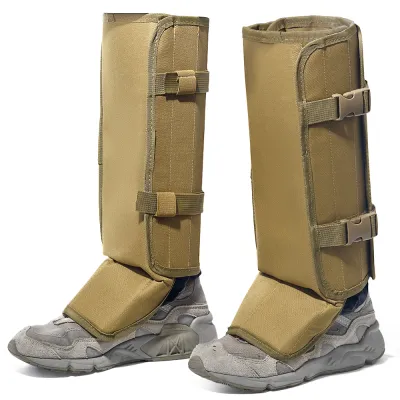
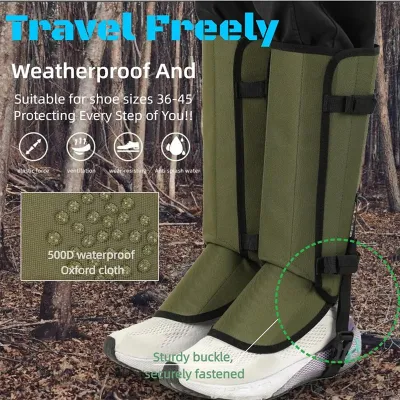

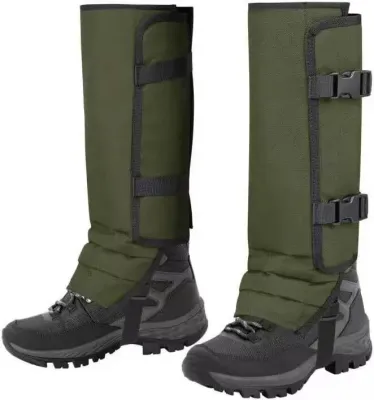
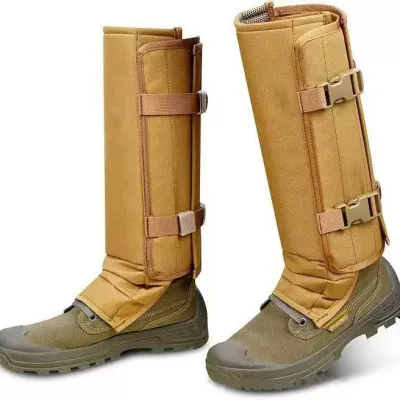
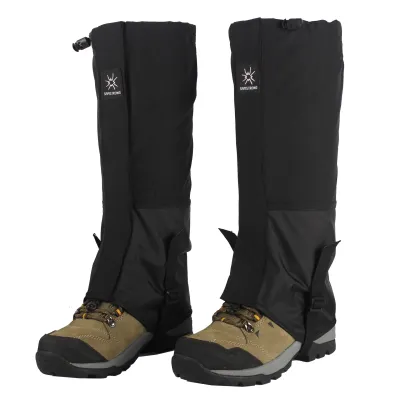
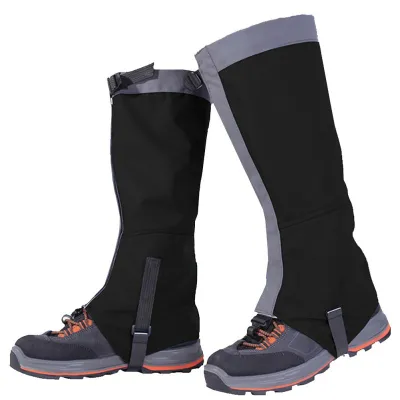
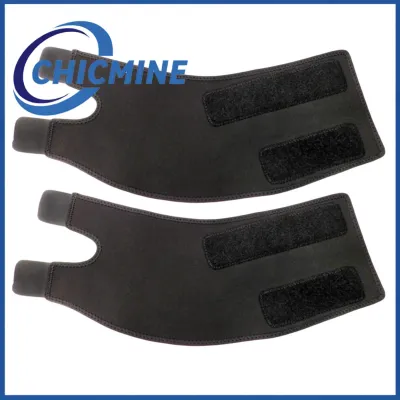
Prices are valid at publication and may change. Please refer to the product page for the latest price.
Your specific activity dictates your level of vulnerability. Off-trail hiking, bushwhacking through dense vegetation, and clearing land for farming or trail maintenance place you in direct contact with low-lying foliage where visibility is extremely limited. Conversely, staying on paved walks or wide, clear dirt roads minimizes the chance of stepping on or near a concealed animal, making heavy protective gear less critical.
Evaluate Your Current Gear and Clothing
Before purchasing specialized gear, it is wise to assess the protective capabilities of your existing outdoor wardrobe. Your choice of footwear serves as your primary line of defense. High-ankle hiking boots made of thick leather or heavy synthetic materials offer substantial coverage around the foot and ankle, which are common strike zones. In contrast, low-cut trail runners, mesh running shoes, or outdoor sandals leave the ankles and lower calves completely exposed to potential hazards.

The fabric of your pants also influences your level of protection. Heavy canvas, thick denim, or rugged nylon work pants provide a tougher physical barrier than thin athletic leggings, lightweight polyester hiking trousers, or shorts. While thick fabrics do not guarantee puncture resistance, they can absorb some impact or reduce the depth of a potential penetration compared to bare skin or thin synthetic layers.
How you wear your clothing matters as much as the material itself. Tucking your pants securely into high-ankle boots or sealing them with standard gaiters helps eliminate gaps where debris, insects, or small hazards can enter. If your current setup leaves gaps or relies entirely on thin, loose-fitting fabrics, your lower legs remain vulnerable, suggesting a need for either a wardrobe upgrade or specialized protective layers.
Weigh the Trade-Offs of Wearing Snake Gaiters
While snake gaiters offer enhanced peace of mind, they come with distinct physical trade-offs, particularly in a hot and humid tropical climate. Puncture-resistant materials like heavy-duty nylon, polycarbonate inserts, or dense canvas are inherently thick and non-breathable. Wearing them in high-humidity environments can lead to intense heat buildup around your calves, resulting in excessive sweating, skin irritation, and general discomfort during long treks.
Weight and mobility are additional factors to consider. Rigid protective gaiters add noticeable weight to your lower legs, which can increase fatigue over long distances. The stiffness of the protective panels may also restrict your natural ankle movement, potentially affecting your balance, agility, and overall hiking pace on steep or uneven terrain.
Convenience at the trailhead is another practical consideration. High-quality gaiters require proper adjustment, secure strapping under the boot, and tight closures along the calf to function correctly. Taking them on and off during rest breaks or adjusting them mid-hike adds extra steps to your routine, which some hikers find tedious if the perceived risk on a particular trail segment is low.
Decision Matrix: Should You Buy, Adapt, or Skip?
To help streamline your choice, you can categorize your needs into three distinct actions: buying specialized gaiters, adapting your current gear, or skipping them entirely.
- Buy: You should consider purchasing dedicated snake gaiters if you frequently hike off-trail, conduct agricultural work in dense brush, or explore remote, unmaintained wilderness areas. This is especially true if you prefer wearing lightweight, breathable clothing for heat management but still require robust lower-leg protection when pushing through tall grass and thick undergrowth.
- Adapt: If your outdoor activities are confined to moderate-risk environments—such as established dirt trails with occasional overgrown sections—you can likely adapt your existing gear. Opt for sturdy, high-ankle leather boots paired with thick canvas or heavy nylon pants, and ensure your pant legs are securely tucked or sealed with standard, lightweight trail gaiters to keep out debris while providing a basic physical barrier.
- Skip: You can safely skip snake gaiters if your outdoor recreation is limited to well-maintained, high-traffic trails, paved nature walks, or open park areas. In these environments, maintaining high situational awareness, staying in the center of the path, and wearing standard hiking shoes or boots provide sufficient safety without the added weight and heat of specialized gear.
Essential Safety Practices Beyond Gaiters
No piece of equipment can replace active safety habits and sound judgment on the trail. Visual scanning is your most effective tool for avoiding hazards. Always look ahead at the path, and pay close attention before stepping over fallen logs, large rocks, or into patches of dense foliage. Avoid placing your hands or feet in blind spots, such as rocky crevices or hollow trees, without checking them visually first.
Utilizing trail tools can significantly enhance your safety margin. Carrying trekking poles allows you to probe tall grass, clear light debris, and check the ground ahead of your footsteps without bending down or using your hands. This simple practice alerts any hidden wildlife to your presence, giving them an opportunity to move away before you arrive.
Understanding proper encounter protocols is crucial if you do spot wildlife on the trail. If you encounter a snake, stop immediately and back away slowly to give the animal plenty of space to retreat. Most defensive behaviors occur when an animal feels cornered or startled; never attempt to handle, poke, or provoke wildlife, and simply wait for them to clear the path or find a safe way to bypass the area at a distance.
Frequently Asked Questions (FAQ)
Are snake gaiters completely bite-proof?
While high-quality snake gaiters are engineered using highly puncture-resistant materials to significantly reduce the risk of penetration, no protective gear can guarantee absolute safety against all species, fang lengths, or extreme bite forces. The level of protection depends heavily on the specific manufacturer’s design, material thickness, and proper fit. Users should always verify the manufacturer’s specifications, testing standards, and limitations before relying on them in high-risk zones.
Can I use regular rain gaiters for snake protection?
No, standard rain gaiters or lightweight trail gaiters are designed solely to keep out water, mud, sand, and trail debris. They are typically constructed from thin polyester or lightweight nylon fabrics that lack the specialized, multi-layered puncture resistance required to stop sharp fangs. Relying on standard rain gaiters for protection against bites can lead to a false sense of security and leaves you vulnerable to injury.
Community discussion
Share your experience or ask a question. Comments are reviewed before publication.