
Swimming is a fundamental life skill and a highly popular recreational activity across the Philippines. With thousands of islands, beautiful coastlines, and community pools, many Filipino parents enroll their children in swimming lessons at an early age to ensure water safety and physical fitness. As young swimmers progress through their lessons, coaches often introduce various training aids to help refine their technique. One of the most common tools you will see poolside is the swimming pull buoy.
However, many parents wonder if their child actually needs a swimming pull buoy, or if it is simply an extra accessory that might complicate the learning process. The short answer is that your child does not need a pull buoy unless they have already established solid water confidence, developed a functional kick, and received a direct recommendation from their swim coach. Introducing this tool too early can hinder a child’s natural stroke development and create an unhealthy reliance on artificial flotation.
Understanding the True Purpose of a Swimming Pull Buoy
To make an informed decision, it is essential to understand what a swimming pull buoy actually does. This hourglass-shaped piece of foam is designed to be placed securely between a swimmer’s thighs or ankles. By doing so, it provides concentrated flotation to the lower half of the body. This extra buoyancy lifts the hips and legs to the water’s surface, effectively neutralizing the need to kick.
Products mentioned in this guide
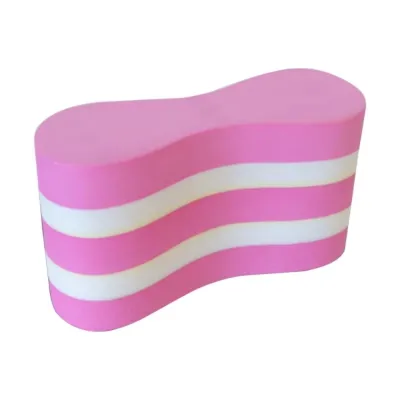
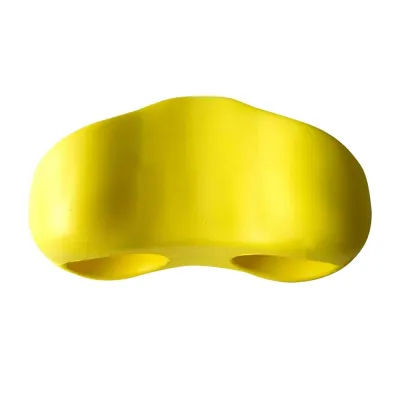
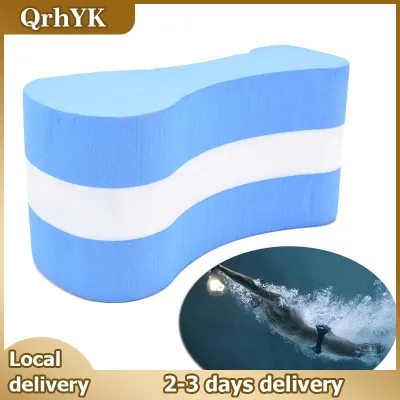
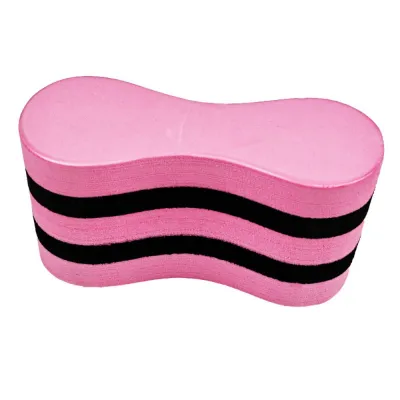
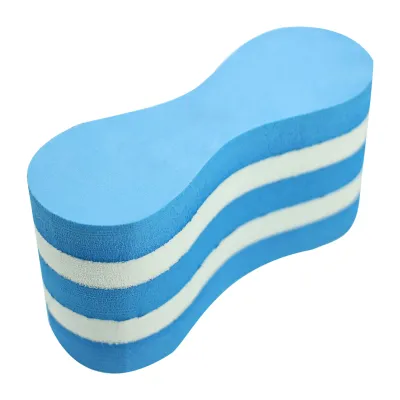

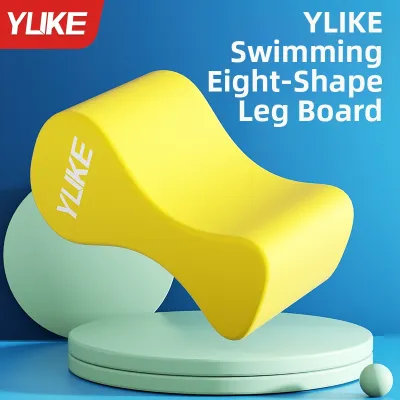
Prices are valid at publication and may change. Please refer to the product page for the latest price.
When the legs are kept afloat and stationary, the young swimmer can isolate their upper body. This isolation allows them to focus entirely on refining their arm pull, hand entry, catch phase, breathing rhythms, and torso rotation. Without the distraction of coordinating a kick, children can build muscle memory for a more efficient stroke. It helps them feel what a streamlined, horizontal body position should feel like in the water.
However, parents must recognize what a pull buoy is not. It is not a beginner flotation device, a shortcut to learning how to swim, or a substitute for fundamental water confidence. Unlike a kickboard, which isolates the legs to build kicking strength and lower-body endurance, a pull buoy does the opposite by temporarily removing the kick. Swim coaches strategically use these different tools at distinct developmental stages to balance a child’s training, and using them out of order can disrupt this progression.
Signs Your Child Is Ready to Use a Pull Buoy
Before purchasing a swimming pull buoy, you should look for specific indicators that your child is physically and mentally prepared to use one. Introducing isolation tools prematurely can lead to frustration, muscle strain, and poor swimming habits.

Solid Basic Water Confidence
First and foremost, your child must exhibit complete comfort in the water. Prerequisite skills include the ability to submerge their face fully, blow rhythmic bubbles, and perform basic front and back glides without panic. If a child still tenses up when water splashes near their eyes or struggles to maintain a relaxed horizontal position, adding a leg-isolating tool will only increase their anxiety. They must feel completely at home in the water before they start isolating specific muscle groups.
Developing Leg Kick and Core Awareness
The child should already possess a functional, consistent flutter kick. A pull buoy is designed to temporarily suspend the kick to correct arm mechanics, not to mask a weak or non-existent kick. If a young swimmer has not yet learned how to generate propulsion from their hips, isolating the upper body is counterproductive. They must first understand how to keep their body aligned through natural core engagement and a steady kick before they attempt to swim with their legs immobilized.
Direct Coach Recommendation
The most reliable indicator of readiness is a direct recommendation from a certified swim coach. Instructors observe your child’s stroke mechanics from the deck and can identify exactly when a swimmer’s progress is being held back by upper-body coordination issues. If the coach requests a pull buoy, it means your child has reached a level where isolating the arms will genuinely benefit their technique. Parents should avoid introducing the tool on their own without professional guidance.
When a Pull Buoy Is the Wrong Tool for Your Child
Just as there are clear signs of readiness, there are several scenarios where a pull buoy is entirely inappropriate and potentially harmful to a child’s swimming development.
Absolute Beginners and Fearful Swimmers
Children who are still learning to float, submerge, or overcome a fear of water should never use a pull buoy. These beginners require general buoyancy aids that support the chest or back, such as pool noodles, kickboards, or specialized learn-to-swim vests, alongside hands-on guidance from an instructor. Forcing a fearful child to clamp their legs around a foam block can make them feel restricted, increase their anxiety, and elevate the risk of slipping under the water.
Over-Reliance and Core Sagging
A major risk of using a pull buoy is the development of an equipment crutch. If a child relies on the buoy too often, their abdominal and lower back muscles will relax, causing their hips to sag the moment the tool is removed. This artificial elevation prevents them from learning how to engage their core to stay streamlined. If you notice your child’s lower body sinking immediately without the buoy, they need to return to basic body-positioning drills and kick training rather than continuing with isolation.
Using It as a Safety Float or Toy
A pull buoy is a highly unstable piece of equipment. It is not a life jacket or an internationally recognized personal flotation device. Parents should never allow children to use pull buoys as unsupervised pool toys, makeshift kickboards, or flotation cushions. Because it relies entirely on active leg compression to stay in place, it can easily slip out during play, leaving a non-swimmer without support in deep water. It should be treated strictly as a technical training tool.
How to Choose the Right Size and Shape for Kids
If your child’s coach has confirmed that they are ready for a swimming pull buoy, selecting the correct size and shape is vital for their comfort and safety.
Standard adult pull buoys are far too wide and bulky for a child’s physiology. Using an adult-sized buoy forces a young swimmer’s legs too far apart, which strains the hip joints and disrupts natural body alignment. It is also incredibly difficult for small thighs to grip a large buoy securely, leading to constant slipping and frustration. Always look for junior or youth sizes specifically designed for smaller frames.
Pull buoys generally come in two main designs: the traditional symmetric teardrop shape and the contoured figure-8 shape. For children, the figure-8 design is highly recommended. The curved contours of a figure-8 buoy fit naturally against the inner thighs, providing a more secure grip that prevents the buoy from sliding down toward the knees during a stroke. This reduces the child’s temptation to squeeze their legs unnaturally tight, which can cause hip fatigue.
High-quality pull buoys are made from high-density, closed-cell EVA (ethylene-vinyl acetate) foam. This material is lightweight, highly buoyant, and resistant to water absorption. More importantly, quality EVA foam has a smooth, skin-friendly texture that minimizes the risk of painful inner-thigh chafing during long training sessions. Before making a purchase, always check the manufacturer’s age and weight guidelines on the product label to ensure a proper fit. Prices for junior pull buoys in the Philippines typically range from ₱300 to ₱800, depending on the brand and material quality, and are widely available at local sports specialty stores or online marketplaces.
Essential Safety and Usage Rules for Young Swimmers
Using any aquatic training equipment requires strict adherence to safety protocols to prevent accidents and ensure a positive learning experience.
First and foremost, active supervision is non-negotiable. Never leave a child unattended with a pull buoy. Because it is a training aid and not a safety device, it must only be used under the direct, active supervision of a certified swim coach or a vigilant adult. Ensure that the pool environment is secure and that lifeguards or instructors are present at all times.
Additionally, performing regular pre-use equipment checks is crucial. The tropical climate in the Philippines presents unique challenges for swim gear. Intense sunlight, high humidity, and pool chemicals can accelerate the degradation of EVA foam. Before every swimming lesson, parents should inspect the pull buoy for deep scratches, cracks, crumbling edges, or signs of waterlogging. If the foam begins to degrade, its buoyancy will decrease, which can alter the child’s body position and strain their muscles. To extend the life of the gear, rinse it with clean, fresh water after each use and store it in a cool, shaded area away from direct sunlight.
Finally, parents and coaches must prioritize listening to the child. Developing muscles and joints are highly sensitive to strain. If your child complains of shoulder pain, hip discomfort, or excessive fatigue while using the pull buoy, instruct them to stop the exercise immediately. Using a buoy that is too large or maintaining a rigid, unnatural posture to keep the buoy in place can easily lead to joint strain. Always prioritize your child’s physical comfort and feedback over completing a training drill.
Frequently Asked Questions (FAQ)
Can a pull buoy help my child float if they are scared of water?
No, a pull buoy will not help a fearful child float safely. Unlike life jackets or swim vests, a pull buoy requires active leg grip and core balance to keep the body horizontal. If a child panics, they will release their grip, causing the buoy to pop to the surface while their legs sink. For children building water confidence, a kickboard held close to the chest or a specialized learn-to-swim vest (used under strict professional guidance) is a much safer and more supportive option.
At what age do kids typically start using pull buoys?
There is no single, mandatory age for a child to start using a pull buoy, as physical development and skill level are far more important than chronological age. However, many swim schools introduce junior pull buoys to children between the ages of 6 and 8. This is the stage where young swimmers typically transition from basic survival swimming to pre-squad training and stroke refinement. Ultimately, the decision should be left to a certified coach who can assess your child’s specific readiness.
Community discussion
Share your experience or ask a question. Comments are reviewed before publication.