
Choosing the right pull-up bar for your home gym often comes down to a balance between your living space and your fitness goals. High humidity and tropical weather mean you want a setup that remains secure without damaging your home’s structure. Whether you are renting a condo or setting up a dedicated workout corner in a house, deciding between a doorframe pull-up bar and a wall-mounted alternative requires looking closely at your walls, doors, and training style.
The right choice ensures your workouts remain safe and effective while protecting your property from costly structural damage. Both options offer distinct advantages depending on your living situation, budget, and how intensely you plan to train. By understanding how each type interacts with your home, you can make an informed decision that supports your fitness journey for years to come.
Key Differences Between Doorframe and Wall-Mounted Bars
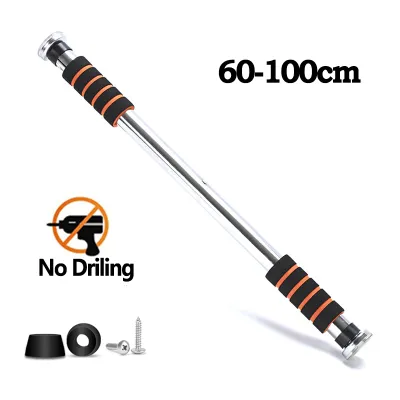
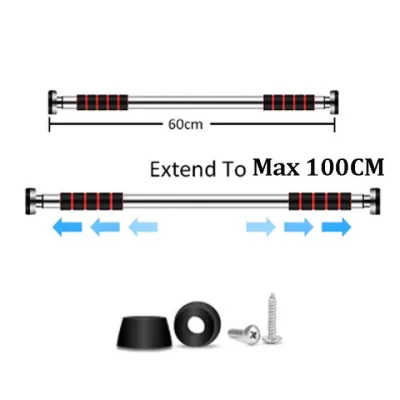
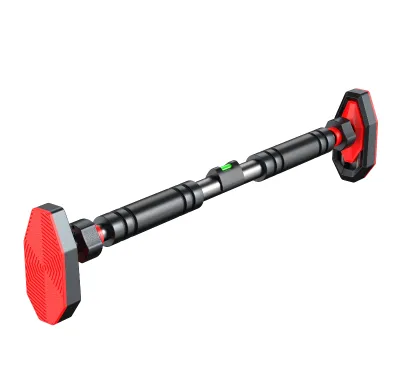
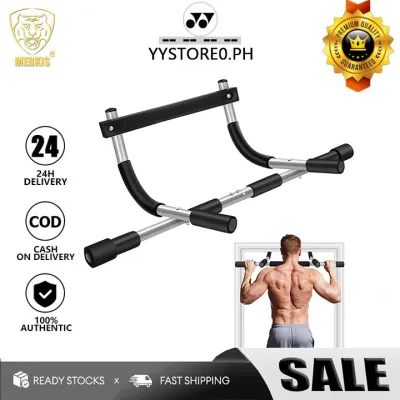
The primary distinction between these two fitness tools lies in how they secure themselves to your home. Doorframe pull-up bars rely on temporary physical forces, using either leverage or outward tension to wedge themselves inside a standard doorway. They require no drilling, making them highly portable and easy to remove when your workout is complete. This temporary nature makes them a popular choice for multi-use spaces where fitness equipment must remain out of sight when not in use.
Products mentioned in this guide
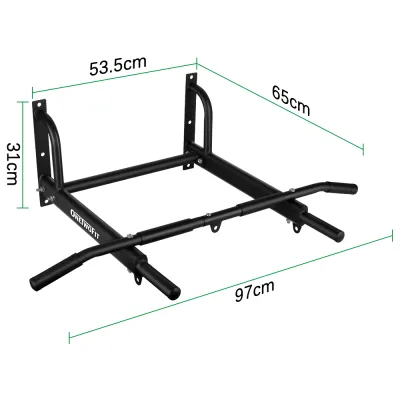
![[In Stock] N-Power Enhanced Edition Heavy Duty Pull Up Bar Wall Mounted Chin Up Bar for Home Gym Fitness Exercise](https://img.lazcdn.com/g/p/4df786dfdfcc2fa97d3b26a75cae54aa.jpg_400x400q80.jpg_.webp)


Prices are valid at publication and may change. Please refer to the product page for the latest price.
Wall-mounted pull-up bars, on the other hand, are permanent structural fixtures. They are bolted directly into the wall using heavy-duty steel lag shields or masonry anchors, creating an incredibly rigid connection. Once installed, a wall-mounted bar becomes a fixed part of your room, projecting outward and requiring a dedicated zone that cannot easily be repurposed for other activities.
This structural difference directly impacts your movement options and exercise variety. Doorframe bars inherently restrict your range of motion because you are confined within the narrow width and height of a standard door opening. Your grip options are limited, and taller users must often bend their knees to avoid touching the floor. Wall-mounted bars offer generous clearance from both the wall and the ceiling, allowing you to perform wide-grip exercises, hang naturally with straight legs, and move with greater physical freedom.
Evaluating Your Space and Structural Limits
Before purchasing any equipment, you must assess the physical integrity of your home to determine which installation style is structurally viable. For a doorframe bar, the door trim must be robust, securely nailed to the wall studs, and wide enough to support the bar’s brackets. Many modern homes use thin decorative molding or hollow-core door frames that can easily crack, warp, or collapse under the pressure of leverage-based bars. If you live in a rental property, check your lease agreement, as even non-drilling bars can leave deep indentations or scuff marks on painted wood trim.

Wall-mounted bars require an even more rigorous structural assessment. In residential construction, walls are commonly made from concrete hollow blocks or solid concrete, which provide an exceptionally stable foundation for heavy fitness equipment. Installing a bar on these surfaces requires a hammer drill, masonry drill bits, and high-quality sleeve anchors to ensure the bolts do not slip. If your home features drywall or plasterboard partitions, you must locate the exact center of the underlying wooden or metal studs using a reliable stud finder, as mounting a bar directly into unsupported drywall will lead to immediate structural failure and severe wall damage.
Ceiling height and surrounding clearance are equally critical factors to measure. You need sufficient overhead space to ensure your head does not strike the ceiling at the peak of your pull-up. Additionally, verify that there is ample lateral and forward clearance so your legs and body do not swing into concrete walls, light fixtures, or nearby furniture during your routine.
Matching the Bar to Your Workout Goals
Your specific training style and fitness progression should heavily influence your choice of equipment. For basic strength training, such as strict pull-ups, chin-ups, and hanging knee raises, both styles can serve you well. If your routine focuses on slow, controlled bodyweight exercises to build foundational upper-body strength, a properly installed doorframe bar offers a convenient and highly accessible solution.
However, if your training involves dynamic, high-velocity movements like kipping pull-ups, butterfly pull-ups, or muscle-ups, a doorframe bar is highly unsafe. The rapid shifts in direction and momentum can easily dislodge a friction-based bar, leading to dangerous falls. These advanced exercises demand the absolute stability of a wall-mounted bar anchored into solid concrete or heavy wooden studs, which can absorb dynamic forces without shifting.
Consider also whether you plan to expand your home workouts with additional accessories. Wall-mounted bars often feature dedicated suspension loops or sufficient clearance to hang gymnastic rings, resistance bands, or even a light punching bag. Doorframe bars lack the stability and clearance to support these accessories safely, as the swinging motion can compromise the bar’s grip on the door trim and increase the risk of structural failure.
Installation, Safety, and Maintenance Checks
Prioritizing safety means performing thorough checks before, during, and after installation. Before mounting any bar, inspect the installation site for signs of wood rot, termite damage, or crumbling concrete, which are common issues in humid tropical climates. If you detect any structural weakness or are unsure about the load-bearing capacity of your walls, stop immediately and consult a qualified local contractor or professional installer.
Once your bar is installed, treat it as a piece of safety equipment that requires regular maintenance. Before every workout session, perform a quick physical check to ensure there is no slippage, loose bolts, or hairline cracks in the metal. For doorframe bars, inspect the foam or rubber padding regularly; worn-out padding can lead to sudden slips and damage your home’s paint or varnish.
Always rely strictly on the manufacturer’s printed weight capacity labels and specifications rather than making general assumptions. Keep in mind that dynamic movements multiply the force exerted on the bar, meaning a user weighing 80 kg can easily exert forces exceeding a 100 kg static limit during a rapid movement. If your body weight or training style approaches the manufacturer’s specified limits, upgrade to a more robust mounting style to ensure your safety.
Decision Framework: Which Pull-Up Bar Should You Choose?
To make the final decision for your home gym, evaluate your living situation and training needs against these clear conditions:
Choose a doorframe pull-up bar if:
- You live in a rental property where drilling into walls is strictly prohibited.
- Your workout space is limited, and you need equipment that can be stored away easily.
- Your routine consists entirely of strict, controlled bodyweight movements like basic pull-ups and chin-ups.
- You want a budget-friendly option that requires no specialized tools for installation.
Choose a wall-mounted pull-up bar if:
- You own your home or have explicit permission from your landlord to drill into the walls.
- You have a dedicated workout area or home gym space where the bar can remain permanently installed.
- You plan to perform dynamic exercises, kipping movements, or advanced calisthenics.
- You want to hang accessories like gymnastic rings, resistance bands, or punching bags.
If you remain uncertain about the structural integrity of your doorframes or the layout of your wall studs, always prioritize safety. Start with a non-invasive option or seek professional guidance to ensure your home gym setup remains secure, functional, and damage-free.
Frequently Asked Questions (FAQ)
Can I install a wall-mounted pull-up bar on drywall?
No, you should never install a wall-mounted pull-up bar directly onto unsupported drywall. Drywall lacks the structural strength to support human body weight, and attempting to mount a bar there will cause the bolts to pull out, damaging your wall and causing potential injury. To safely install a bar on a drywall surface, you must locate the wooden studs behind the drywall and anchor the mounting brackets directly into the center of those studs using heavy-duty wood screws or lag bolts.
Will a doorframe pull-up bar damage my door trim?
A doorframe pull-up bar can damage your door trim if the trim is weak, poorly installed, or if the bar is left in place permanently. Leverage-based bars distribute your body weight across the top and sides of the door trim, which can compress the wood, crack thin molding, or leave dark scuff marks on the paint. To minimize damage, ensure your doorframe is structurally sound, use additional protective padding like microfiber cloths under the contact points, and remove the bar from the doorway immediately after completing your workout.
Community discussion
Share your experience or ask a question. Comments are reviewed before publication.