
Choosing the right pullup bar for your home gym depends on your living situation, available space, and training style. While some fitness enthusiasts require a permanent, heavy-duty fixture for dynamic gymnastics, others need a temporary, damage-free solution for basic strength training. By evaluating your home’s structural layout and your personal fitness goals, you can select a mounting style that keeps your workouts safe, effective, and convenient.
Each mounting style—doorway, wall-mounted, and freestanding—presents distinct advantages and structural requirements. Understanding these differences prevents costly damage to your home and ensures your equipment can support your weight during active exercise. This guide breaks down the essential factors to consider before making your purchase.
Assess Your Space and Installation Limits
Before purchasing any fitness equipment, you must evaluate your physical environment and any rental or ownership constraints. Doorway pullup bars are the most popular choice for renters and those living in compact spaces. These bars rely on leverage or friction within a standard door frame, requiring no drilling or permanent alterations. However, you must measure your door frame width, trim depth, and the structural integrity of the wood before buying, as weak or decorative molding can crack under pressure.
Products mentioned in this guide
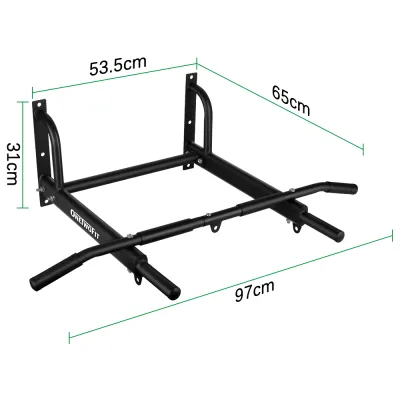
![[In Stock] N-Power Enhanced Edition Heavy Duty Pull Up Bar Wall Mounted Chin Up Bar for Home Gym Fitness Exercise](https://img.lazcdn.com/g/p/4df786dfdfcc2fa97d3b26a75cae54aa.jpg_400x400q80.jpg_.webp)

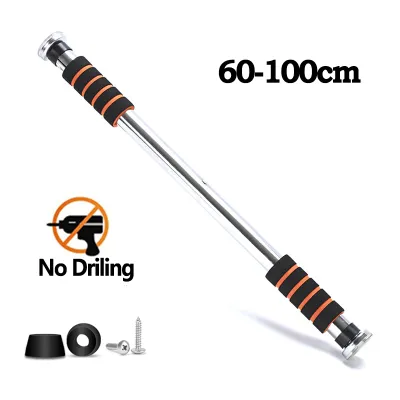
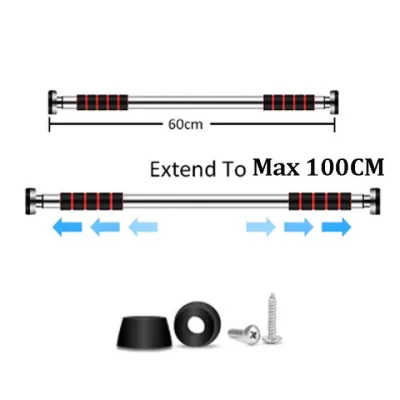
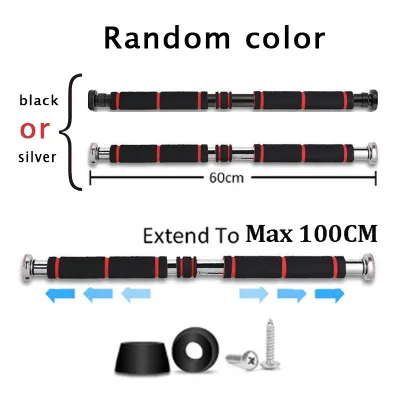
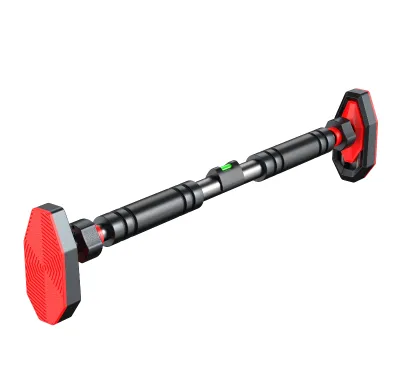

Prices are valid at publication and may change. Please refer to the product page for the latest price.
Wall-mounted pullup bars offer a highly stable, permanent solution but require a dedicated workout area. Installation involves drilling heavy-duty bolts directly into wooden wall studs or solid masonry. In many tropical regions, including the Philippines, residential walls are frequently constructed from concrete or concrete hollow blocks rather than wood studs. Mounting a bar on these surfaces requires specialized masonry drill bits and expansion anchors to ensure the fixture does not pull away from the wall during use.
Freestanding rigs, often called power towers, require a significant amount of floor space and ceiling clearance. Because they stand on their own frame, they require absolutely no drilling, making them an excellent alternative for renters who have extra floor space. You must measure both the footprint of the tower and your ceiling height, ensuring you have enough overhead clearance to perform a full pullup without hitting your head on the ceiling.
Match the Bar to Your Training Goals
Your training style dictates the level of stability and clearance your pullup bar must provide. If your routine consists solely of strict, slow pullups and chinups, a standard doorway bar is generally sufficient. These bars easily handle vertical pulling forces where your body weight remains centered directly beneath the frame. They are ideal for progressive strength training, static hangs, and core exercises like hanging knee raises.

For dynamic movements such as kipping pullups, muscle-ups, or gymnastics ring work, doorway bars are highly unsafe. These exercises introduce lateral forces and rapid weight shifts that can easily dislodge a leverage-based bar. Dynamic training requires the absolute stability of a wall-mounted rig or a heavy-duty freestanding tower. These options provide the necessary clearance from the wall or frame, allowing your body to swing naturally without the risk of collision or equipment failure.
Additionally, consider whether you want to expand your home workouts with accessories. Freestanding power towers and wall-mounted bars often feature built-in parallel bars for dips, push-up anchors, and eyelets for resistance bands or suspension trainers. Doorway bars cannot safely support these lateral or angled loads, as they are designed strictly for downward vertical force. If you plan to build a versatile home gym over time, investing in a multi-functional wall or freestanding unit offers much greater long-term utility.
Compare Doorway, Wall-Mounted, and Freestanding Options
To help you finalize your decision, the table below compares each pullup bar type across key practical dimensions:
| Mounting Type | Space Required | Installation Effort | Stability Level | Exercise Versatility |
|---|---|---|---|---|
| Doorway | Minimal (fits in doorway) | Extremely Low (no tools) | Moderate (strict movements only) | Low (pullups & chinups only) |
| Wall-Mounted | Low (uses wall space) | High (drilling & anchoring) | Very High (supports dynamic movement) | Medium to High (supports accessories) |
| Freestanding | High (large floor footprint) | Medium (assembly required) | High (stable but may sway slightly) | High (often includes dip & push-up stations) |
Each option involves a clear trade-off between convenience and performance. Doorway bars excel in portability and ease of setup, allowing you to start training immediately and store the bar out of sight when finished. Conversely, freestanding rigs and wall-mounted bars require a larger commitment of space and setup time but reward you with a rock-solid platform that supports advanced training variations.
When shopping, you will find that prices in ₱ vary widely depending on the thickness of the steel, the quality of the welds, and the brand reputation. Rather than choosing based on price alone, prioritize structural specifications. Look for heavy-gauge steel tubing and high-density foam or rubber grips, which resist wear in humid, tropical environments where sweat and moisture can accelerate rust and degrade cheap materials.
Safety Checks and Weight Capacity Verification
Safety must be your primary concern when installing and using a pullup bar. Always verify the manufacturer’s stated weight capacity and compare it to your body weight. It is highly recommended to apply a safety margin of at least 30% to account for the dynamic forces generated during exercise. For example, if you weigh 80 kg, choose a bar rated for at least 110 kg to ensure the frame can handle the momentary load spikes of active training.
For doorway bars, perform a thorough inspection of your door frame before every workout. Ensure the wood is solid, free of rot, and that the trim is securely nailed to the wall studs. Wipe down the contact pads of the bar and the door frame regularly; high humidity can cause moisture buildup, making rubber pads slick and increasing the risk of the bar slipping during a set.
For wall-mounted and freestanding units, inspect the hardware periodically to ensure nothing has loosened. If mounting to concrete or brick, verify that the expansion bolts are fully seated and show no signs of pulling out. If using a freestanding power tower, place it on a flat, level surface, preferably on a non-slip rubber gym mat, to prevent the frame from walking or rocking during intense training sessions.
Frequently Asked Questions (FAQ)
Will a doorway pullup bar damage my door frame?
Yes, doorway pullup bars can cause cosmetic or structural damage if used incorrectly. Leverage-based bars press tightly against the outer trim, which can crack weak MDF or decorative molding. Friction-based telescopic bars can leave deep indentations or scuff marks on the inside of the frame. To minimize damage, ensure your door frame is made of solid wood, wipe away any moisture or dust before mounting, and consider placing microfiber cloths between the bar’s pads and the painted trim.
Can I install a wall-mounted pullup bar on drywall?
No, you must never install a wall-mounted pullup bar directly onto drywall alone. Drywall is a crumbly gypsum material that cannot support human weight or the dynamic forces of exercise; attempting to do so will result in immediate wall failure and potential injury. You must anchor the mounting brackets directly into solid wooden wall studs using heavy lag screws, or into solid concrete or brick walls using appropriate masonry anchors.
Community discussion
Share your experience or ask a question. Comments are reviewed before publication.