
Standing on an exposed tee box when a sudden tropical downpour strikes can quickly ruin a promising round of golf. In these moments, your umbrella is the only barrier protecting your focus, your gear, and your scorecard. Choosing the right canopy design determines whether your umbrella remains a reliable shield or transforms into an uncontrollable sail that pulls you off balance.
Choosing between a double canopy and a single canopy golf umbrella depends primarily on the wind conditions of the courses you play and how you transport your gear. A double canopy umbrella is the superior choice for windy, open, and coastal courses because its vented design prevents the frame from inverting. Conversely, a single canopy umbrella is ideal if you prioritize a lighter carry weight, play mostly on sheltered, tree-lined courses, and need an absolute barrier against heavy, vertical rain.
To make the right choice for your next round, consider this quick decision framework:
Products mentioned in this guide
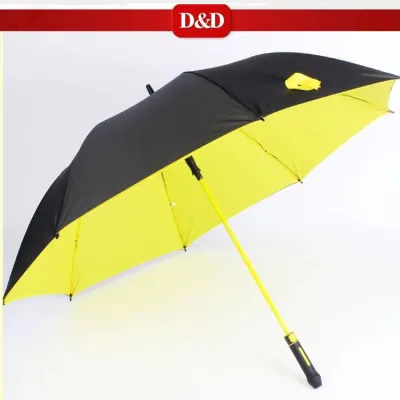
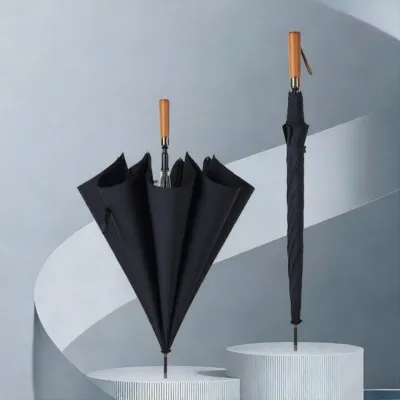
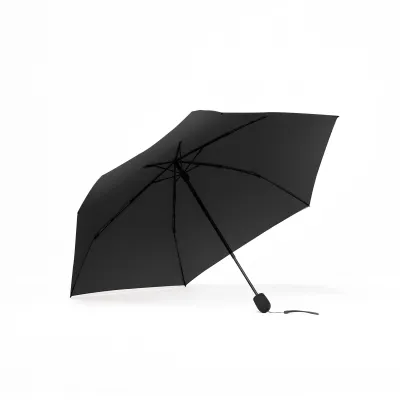
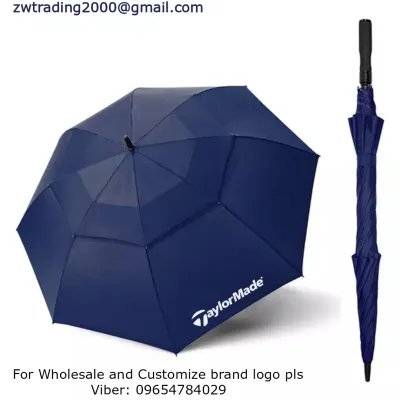
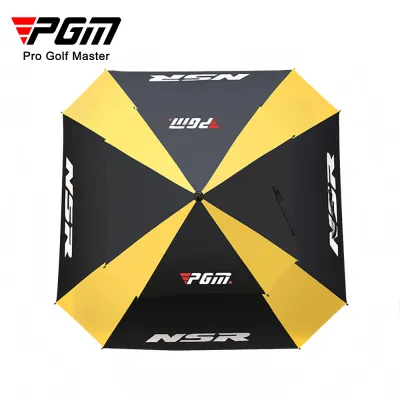
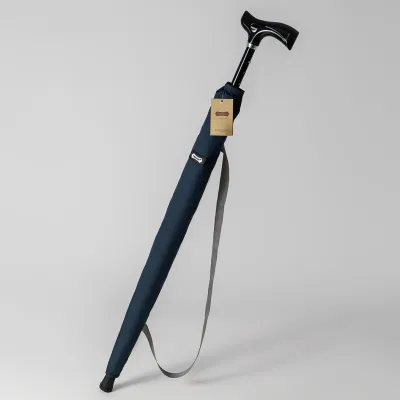
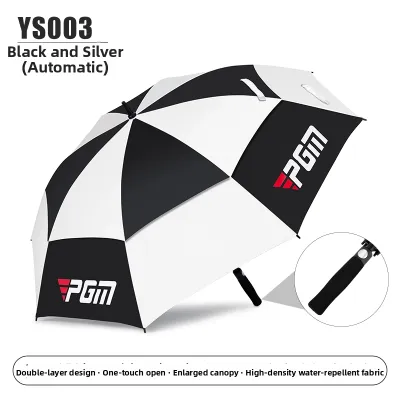
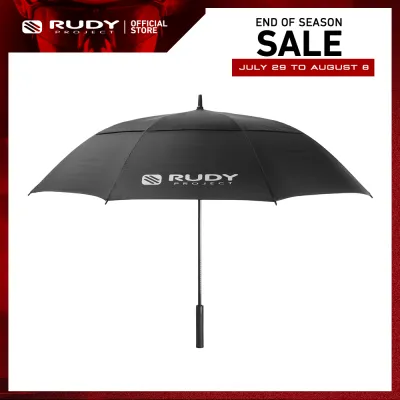
Prices are valid at publication and may change. Please refer to the product page for the latest price.
- Choose a double canopy if: You frequently play on exposed, coastal, or elevated courses where sudden wind gusts are common, and you require maximum wind resistance to prevent your umbrella from flipping inside out.
- Choose a single canopy if: You walk the course and want to minimize bag fatigue, play primarily in calm or sheltered environments, and prefer a more compact, streamlined profile that easily slides into your bag's umbrella sleeve.
- Verify first if: Your golf bag has a specific weight limit, your cart's umbrella holder matches the handle diameter, or you require a specific folded length to fit your travel gear.
How Single and Double Canopies Actually Work
To understand why these two designs perform so differently on the course, it helps to look at how they are constructed. The structural differences directly dictate how each umbrella handles air pressure and water shedding during a storm.
A single canopy golf umbrella features a classic, straightforward construction. It consists of a single, continuous sheet of waterproof fabric stretched tightly over a set of ribs. Because there are no breaks or openings in the material, this design creates a solid, unbroken barrier. While this is highly effective at stopping water from entering, it also means that any air moving underneath the umbrella has no way to escape. The fabric acts exactly like a parachute, capturing the wind and transferring all the upward force directly to the ribs and your arm.
A double canopy golf umbrella uses a more complex, two-layer construction to solve this wind-trapping problem. The lower canopy covers the main frame but features a series of open vents near the top. A second, smaller canopy sits directly over these vents, overlapping them like shingles on a roof. These layers are connected by elastic tension straps. When a gust of wind gets caught under the umbrella, the air pressure pushes the upper canopy slightly upward, allowing the wind to pass harmlessly through the vents. Once the gust passes, the elastic straps pull the top layer back down, resealing the canopy against the rain.
Comparing Wind Resistance, Weight, and Coverage
Evaluating the practical differences between these two designs requires looking at how they perform across 18 holes. The trade-offs involve balancing structural durability against physical comfort and carrying convenience.

Wind Resistance and Inversion Protection
Wind is the ultimate test of any golf umbrella. On open fairways, a sudden gust can easily catch the underside of a large umbrella, creating immense upward pressure. With a single canopy, this pressure has nowhere to go. This creates a severe “sail effect” that can twist the umbrella out of your hands or force the ribs to bend backward, causing the entire structure to invert. Once an umbrella flips inside out, the delicate hinges and ribs are highly susceptible to snapping or warping permanently.
In contrast, the vented design of a double canopy acts as a pressure-release valve. By allowing high-velocity air to flow through the structure, it dramatically reduces the lifting force. This keeps the umbrella stable in your hand, allowing you to maintain your grip and posture without fighting the wind.
However, the canopy design is only one part of the wind-resistance equation. Even the best double canopy will fail if the underlying frame is weak. When shopping, always verify the frame material. Look for heavy-duty fiberglass shafts and ribs. Fiberglass is highly flexible, allowing the frame to bend and absorb the energy of a gust before returning to its original shape. Rigid metal frames, such as cheap aluminum or steel, lack this flexibility and are prone to bending permanently or snapping under sudden stress.
Weight, Portability, and Bag Fatigue
While a double canopy offers excellent wind protection, that performance comes with a physical trade-off. The addition of a second fabric layer, extra stitching, reinforcing mesh, and elastic tension straps inevitably adds weight. A typical double canopy model can weigh anywhere from 150 to 300 grams more than a single canopy equivalent.
If you use a golf cart or a pushcart, this weight difference is largely negligible. However, if you prefer to walk the course and carry your bag, every gram matters. Over a standard round of 18 holes, you will walk between 7 and 10 kilometers. Carrying that extra weight on your shoulder, especially in hot and humid tropical climates, accelerates physical fatigue. This fatigue can subtly affect your posture, grip tension, and swing mechanics during the critical final holes of your game.
Single canopy umbrellas are inherently lighter and fold down to a much slimmer, more aerodynamic profile. They slide effortlessly into the dedicated umbrella sleeve of a carry bag without bulging or crowding your club compartments. If your primary goal is to keep your bag as light as possible, a single canopy is the more comfortable option for walking.
Coverage, Rain Protection, and Drying Time
Both single and double canopy golf umbrellas generally offer generous coverage, with canopy diameters typically ranging from 60 to 68 inches (152 to 172 cm). This size is designed to protect not just you, but also your golf bag and clubs from getting soaked while you walk or stand on the green.
When it comes to keeping water out, a single canopy provides an absolute, unbroken waterproof barrier. In heavy, vertical downpours with little to no wind, it excels because there are zero seams or openings where water could potentially find a way through.
Double canopies are also highly waterproof, but they have a minor vulnerability in extreme conditions. During severe, wind-driven storms where rain falls horizontally, water can occasionally be forced upward and under the overlapping top flap. While high-quality manufacturers design these flaps with generous overlaps to minimize this risk, minor misting or seepage can still occur in violent, swirling winds.
After your round, maintenance becomes another point of comparison. A single canopy umbrella dries rapidly because its flat, continuous surface allows water to run off quickly. A double canopy takes longer to dry. Moisture can easily get trapped in the overlapping fabric sections and around the elastic straps. To prevent mold, mildew, and unpleasant odors—which thrive in humid environments—you must leave a double canopy fully open in a well-ventilated area until every layer is completely dry before packing it away.
Single vs. Double Canopy: Quick Comparison Table
This table summarizes how each canopy design performs across key practical dimensions to help you quickly weigh your options:
| Feature | Single Canopy | Double Canopy |
|---|---|---|
| Wind Resistance | Moderate (prone to inversion in strong gusts) | High (vents release wind pressure) |
| Overall Weight | Lighter (easier for carrying over 18 holes) | Heavier (due to extra fabric and straps) |
| Packability / Folded Size | Slimmer, more compact profile | Bulkier, takes up more space |
| Rain Protection (Vertical) | Excellent (completely unbroken barrier) | Excellent (overlapping layers block rain) |
| Rain Protection (Horizontal) | Excellent (no vents for water to enter) | Good (minor risk of misting in extreme wind) |
| Drying Time | Faster (flat, simple surface) | Slower (moisture traps in overlaps) |
| Average Price Range | Generally lower (₱800 – ₱1,500) | Generally higher (₱1,800 – ₱3,500+) |
Choosing Based on Your Course and Weather Conditions
To make the best decision, look closely at the specific environments where you play most of your golf. Matching your umbrella to your typical playing conditions ensures you do not overpay for features you do not need, or end up with an umbrella that fails when you need it most.
Scenario 1: Coastal or Exposed Courses (High Wind)
If you regularly play on open, coastal links, cliffside courses, or elevated fairways where wind is a constant factor, a double canopy is practically mandatory. In these exposed settings, wind speeds can easily exceed 30 km/h, making a single canopy umbrella highly unstable and difficult to hold. A double canopy, especially when paired with a flexible fiberglass frame, will vent the wind and remain manageable. This allows you to walk down the fairway comfortably without straining your wrists or worrying about your umbrella snapping.
Scenario 2: Tropical Afternoon Downpours (Heavy Rain, Low Wind)
If your typical golf season consists of hot, humid days interrupted by sudden, heavy afternoon downpours with very little wind, a single canopy is often the better tool. In these conditions, the rain falls straight down in sheets. A single canopy provides a solid, impenetrable shield that guarantees zero water seepage. Because there is no wind to fight, you do not need the heavy venting system of a double canopy. Additionally, the lighter weight of the single canopy makes it much more comfortable to carry during hot, humid walks.
Scenario 3: Walking the Course vs. Riding a Cart
Your method of transportation on the course should heavily influence your choice. If you walk the course and carry your bag on your back, physical fatigue is your main enemy. Opting for a lightweight single canopy helps keep your overall bag weight down, preserving your energy for your swings.
If you ride in a motorized golf cart or use a pushcart equipped with an umbrella holder, weight and bulk cease to be issues. In this case, you should choose a heavy-duty, large-diameter double canopy. It can be securely clamped into the cart’s holder to provide a wide, wind-resistant canopy of shade and rain protection for both you and your clubs, without you having to carry the physical load.
What to Verify Before You Buy
Once you have decided which canopy style fits your playing habits, do not rush to purchase the first model you see. Take a moment to verify these critical construction details to ensure your investment lasts for many seasons:
- Frame and Rib Material: Avoid cheap, rigid metal frames that bend permanently or rust. Look for double-fiberglass ribs and shafts. Fiberglass offers the perfect balance of lightweight strength and flexibility, allowing the umbrella to bend in high winds without breaking.
- Handle Grip and Diameter: Ensure the handle features a non-slip, ergonomic grip made of textured rubber or dense EVA foam. This is crucial for maintaining a secure hold when your hands are sweaty or wet. Also, verify that the handle diameter fits securely into your golf cart's umbrella holder.
- Fabric Quality and Coatings: Check the product specifications for high-density pongee or polyester fabric. Look for a water-repellent coating (like Teflon) that allows water to bead up and slide off instantly. If you play in intense sun, look for a canopy with a certified UPF 50+ rating to protect you from harmful UV rays.
- Opening Mechanism: Test the opening mechanism. While auto-open buttons are highly convenient when a sudden storm hits, ensure the release is smooth and controlled. Avoid mechanisms that snap open violently, as they can startle other players or damage the frame over time.
Frequently Asked Questions (FAQ)
Can a double canopy golf umbrella still flip inside out?
Yes, a double canopy umbrella can still invert if the wind speeds exceed the structural limits of its frame or if the wind hits the canopy from an extreme, unusual angle. While the vents dramatically reduce wind pressure, no umbrella is completely windproof. If you encounter severe storm gusts, it is always safest to lower the umbrella and seek shelter.
Are double canopy umbrellas too heavy for a standard golf bag?
No, they are not too heavy for a standard golf bag, and almost all modern models are designed to fit standard bag slots and umbrella sleeves. However, they do add noticeable weight if you are carrying your bag on your shoulder for 18 holes. If you walk the course, verify the exact weight of the umbrella before purchasing to ensure it aligns with your carrying comfort.
Does the extra layer in a double canopy make it hotter to hold?
Actually, the opposite is true. The vents in a double canopy allow warm air that rises under the umbrella to escape, promoting better airflow. In contrast, a single canopy can trap hot air underneath it, creating a slight greenhouse effect on hot, sunny days. This makes a double canopy slightly cooler and more comfortable when used as a sunshade.
Community discussion
Share your experience or ask a question. Comments are reviewed before publication.