
Starting a home workout journey in the Philippines is an exciting step toward long-term health, but choosing your first piece of home fitness equipment can feel overwhelming. With limited space in urban condominiums and a wide array of options online, making the wrong choice can lead to expensive clutter. The short answer to which strength equipment you should buy first depends on your current fitness level, available space, and budget. For most beginners and intermediate lifters training in typical residential spaces, a high-quality set of adjustable dumbbells offers the most versatile, space-saving, and cost-effective entry point. However, if your primary goal is maximal strength or you have dedicated space like a garage, a barbell or a home gym machine might be the superior investment.
Quick Diagnostic: Which Strength Equipment Fits Your Profile?
Selecting the right starting point requires balancing your physical constraints with your training aspirations. The “best” first purchase is not the most advanced or expensive setup on the market, but rather the one that seamlessly integrates into your daily life and physical environment.
To help you quickly identify the most logical starting point, consider how your current living situation and experience level map to the primary equipment categories:
Products mentioned in this guide
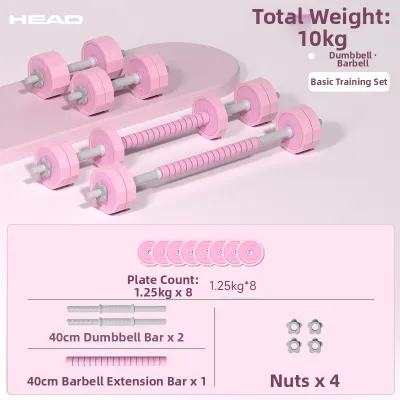
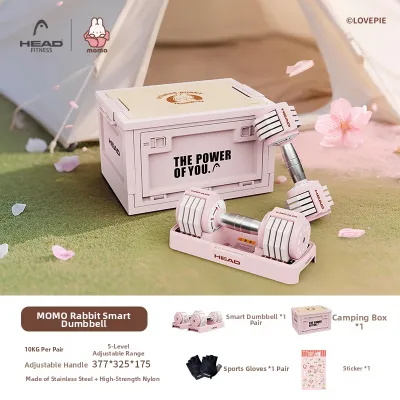
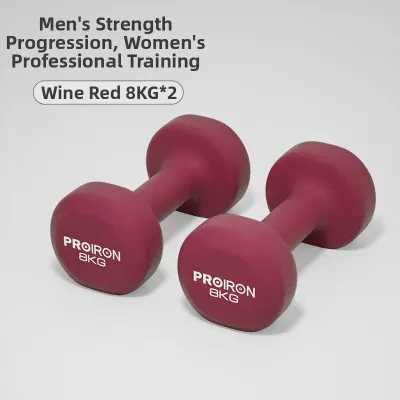
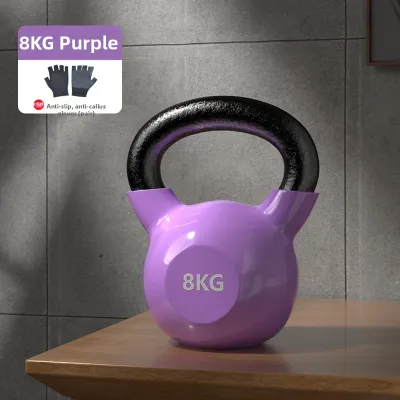
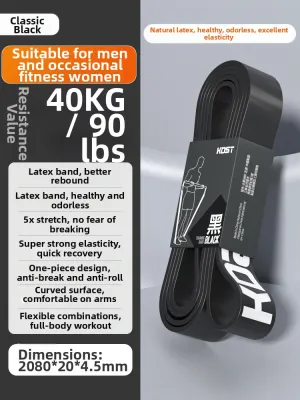
Prices are valid at publication and may change. Please refer to the product page for the latest price.
| User Profile | Recommended Equipment | Primary Reason | Space Required |
|---|---|---|---|
| Beginner in a condo or apartment | Adjustable Dumbbells | Maximum versatility, minimal footprint, quiet workouts | Very Low (< 1 sq.m) |
| Intermediate lifter with heavy strength goals | Barbell, Plates, and Squat Rack | Essential for progressive overload and heavy compound lifts | Medium to High (6-8 sq.m) |
| Busy professional prioritizing safety & isolation | Cable / Home Gym Machine | Guided motion, no spotter needed, rapid weight transitions | High (4-6 sq.m, high ceiling) |
Assess Your Space, Budget, and Living Constraints
Before browsing online catalogs, grab a tape measure. You must assess your physical environment carefully. Measure not just the floor area, but also the ceiling height. Overhead movements like the standing dumbbell shoulder press or standing barbell press require significant vertical clearance. If you plan to install a pull-up bar or a tall cable machine, ensure your ceiling can accommodate the unit with at least 30 to 40 centimeters of head clearance at the top of the movement.

Living constraints are particularly critical in Philippine residential settings, such as high-rise condominiums or shared apartments. Dropping heavy weights on tiled or thin concrete floors can cause structural damage, crack tiles, and create disruptive noise for neighbors below. If you choose free weights, you must invest in specialized rubber flooring or heavy-duty gym mats to absorb impact. For barbell training, using bumper plates—which are encased in thick rubber—is highly recommended over loud, bare iron plates to minimize vibration and structural noise.
Furthermore, the tropical climate in the Philippines introduces environmental challenges. High humidity levels can accelerate rust on exposed metal equipment. When setting up in a non-air-conditioned space or a semi-outdoor garage, look for rust-resistant finishes like powder coating, chrome, or stainless steel, and plan for regular maintenance.
Your budget must also account for hidden costs. While a basic set of dumbbells has a low entry price, a barbell setup is incomplete and unsafe without a proper rack and an adjustable bench. All-in-one home gym machines require a significant upfront financial investment, often starting from ₱25,000 to well over ₱100,000 for high-quality cable systems. Establish a comprehensive budget that includes the primary equipment along with essential safety accessories like collars, floor protection mats, and storage racks.
Evaluating Home Fitness Equipment: Core Differences
To make an informed decision, you must understand how each equipment type functions, its unique training benefits, and its physical limitations.
Dumbbells: Best for Versatility and Compact Spaces
Dumbbells are widely considered the most practical first purchase for home fitness enthusiasts due to their unmatched versatility. They allow for unilateral training, which means you can train each side of your body independently. This is highly beneficial for identifying and correcting muscle imbalances while promoting joint-friendly, natural movement paths. Unlike barbells, dumbbells do not lock your hands into a fixed position, reducing stress on your wrists, elbows, and shoulders. They are also exceptionally safe for solo training; if you reach muscle failure, you can safely drop them to the sides without the risk of getting trapped.
When choosing dumbbells, you will face a choice between fixed pairs and adjustable sets. While fixed dumbbells are highly durable, buying multiple pairs to keep up with your strength progression requires substantial space and a high cumulative cost. Adjustable dumbbells, which use dial or pin systems to change weights, replace an entire rack of weights within the footprint of a single pair. The primary limitation of dumbbells is the difficulty of scaling up to very heavy weights for lower-body compound movements like squats and deadlifts, where holding heavy weights in your hands can become the limiting factor before your legs are fully challenged.
Barbells: Best for Heavy Compound Lifts and Max Strength
For those whose primary fitness goal is building maximal raw strength or powerlifting, the barbell is the gold standard. The barbell allows you to load significantly more weight than dumbbells, making it the most effective tool for progressive overload. Compound movements like the back squat, conventional deadlift, and bench press engage massive muscle groups simultaneously, triggering a powerful systemic response. Because the weight is distributed across a long steel bar, it is easier to balance heavy loads on your shoulders or in a rack position compared to holding separate dumbbells.
However, a barbell setup introduces strict safety boundaries. You must never perform heavy bench presses or squats at home without a sturdy power rack or squat stand equipped with safety spotter arms. In a home environment where a training partner or spotter is rarely available, these metal safety bars are your only defense against serious injury if you fail a lift. Additionally, a standard Olympic barbell is 2.2 meters long, requiring a wide physical footprint. You will need a dedicated lifting area with heavy-duty rubber mats or a wooden lifting platform to protect your floors from the immense localized pressure of deadlifts.
Home Gym Machines: Best for Safety and Guided Isolation
Home gym machines, including multi-gyms and functional cable trainers, offer a highly controlled training environment. The primary advantage of these machines is the guided path of motion. Because the weight stack moves along fixed steel rods or through a pulley system, the machine stabilizes the load for you. This guided mechanism virtually eliminates the risk of dropping weights on yourself, making it an exceptionally safe option for solo home workouts. Cable machines also provide constant tension throughout the entire range of motion, which is highly effective for muscular hypertrophy.
Another major benefit is the convenience of rapid weight adjustments. Changing the resistance is as simple as moving a selectorized pin, allowing for efficient supersets and minimal downtime between exercises. However, these machines come with notable trade-offs. They have a massive physical footprint, are difficult to move once assembled, and carry a high initial purchase price. Furthermore, because the machine guides the path, your stabilizer muscles are not engaged to the same degree as they are when balancing free weights like dumbbells or barbells.
Aligning Your Choice with Specific Fitness Goals
Your final decision should align directly with your specific fitness objectives, training experience, and physical capabilities.
If your primary goals are general fitness, fat loss, and improved mobility, dumbbells or light cable setups are highly recommended. These tools excel in fast-paced, high-repetition circuit training and functional movements that mimic daily physical activities. They allow you to move dynamically in multiple planes of motion, helping you burn calories while building lean muscle and enhancing coordination.
For those dedicated to powerlifting, Olympic lifting, or maximizing absolute physical strength, a barbell setup is the only logical choice. It is the only practical way to safely load the heavy weights required to stimulate deep neuromuscular adaptations. If you choose this path, prioritize purchasing a high-capacity barbell and a robust rack before investing in any other gear.
If bodybuilding and muscle isolation are your focus, a combination of adjustable dumbbells and a cable machine provides the ideal training stimulus. Hypertrophy relies heavily on targeting specific muscles from various angles and maintaining constant tension. Dumbbells allow for deep stretches and natural movement paths, while cable attachments let you isolate smaller muscle groups like the biceps, triceps, and shoulders with high precision.
For rehabilitation, joint recovery, or senior fitness, cable machines or light adjustable dumbbells are the safest options. The smooth, controlled resistance of a cable system minimizes joint impact and allows for micro-adjustments in weight, ensuring you can rebuild strength safely without overloading healing tissues. Regardless of the equipment you choose, remember that consistent effort, progressive overload, and strict adherence to proper form are what ultimately drive physical results.
How to Build and Upgrade Your Home Gym Over Time
Building a home gym is a journey that should be approached in phases to avoid wasting money on redundant or low-quality equipment. A logical, budget-friendly progression allows you to expand your setup as your strength and commitment grow.
In Phase 1, focus on versatility and space efficiency. Start with a high-quality set of adjustable dumbbells and a sturdy adjustable bench that can transition from flat to incline and decline positions. This compact combination unlocks hundreds of exercises, covering every major muscle group in the body.
Once you outgrow your dumbbells or find yourself craving heavy compound lifts, transition to Phase 2. This involves investing in a standard Olympic barbell, a set of weight plates, and a reliable squat rack with integrated safety spotter arms. At this stage, you may also want to upgrade your flooring with high-impact rubber mats to handle the increased weight load.
In Phase 3, introduce variety and isolation training by adding a functional cable trainer or a multi-gym machine. This phased approach ensures you only purchase equipment you are ready to use. When buying gear, strongly avoid cheap, low-weight-limit options that feel unstable. Investing in durable, commercial-grade or highly rated consumer equipment ensures long-term safety, a better lifting experience, and excellent resale value if you ever decide to upgrade.
Frequently Asked Questions (FAQ)
Can I build significant muscle using only dumbbells?
Yes, you can build substantial muscle mass using only dumbbells. Muscle hypertrophy is primarily driven by mechanical tension, metabolic stress, and progressive overload, all of which can be effectively achieved through dumbbell exercises. While barbells allow for heavier absolute loads, dumbbells offer a greater range of motion and unilateral training benefits that are highly effective for muscle development.
Do I absolutely need a power rack if I buy a barbell?
Yes, if you plan to perform heavy compound lifts like squats and bench presses at home without a spotter, a power rack or a squat stand with safety spotter arms is absolutely mandatory. Training to failure without safety bars poses a severe safety risk, as there is no mechanism to catch the heavy bar if you cannot complete a repetition.
Are adjustable dumbbells worth the higher upfront cost?
Adjustable dumbbells are highly worth the initial investment for home training. Although they require a larger upfront payment than a single pair of fixed dumbbells, they replace up to 15 or more individual pairs of weights. This saves an immense amount of floor space and ultimately costs significantly less than purchasing a full rack of traditional dumbbells as you get stronger.
Community discussion
Share your experience or ask a question. Comments are reviewed before publication.