
Choosing the right strength training equipment for a home gym can feel overwhelming when faced with dumbbells, barbells, and kettlebells. The ideal choice depends on your specific fitness goals, your lifting experience, and the physical constraints of your workout space. While barbells excel at building maximum raw strength, dumbbells offer unmatched versatility for muscle isolation, and kettlebells provide dynamic, high-intensity conditioning. By evaluating how each tool aligns with your daily routine, you can make a practical investment that keeps you consistent and safe.
Identify Your Primary Fitness Goals
Your training objectives should dictate the type of weights you purchase first. If your primary goal is hypertrophy—building muscle size through targeted isolation exercises—dumbbells are highly effective. They allow you to train each side of your body independently, which helps correct muscle imbalances and offers a greater range of motion for movements like chest presses and rows. This independent movement pattern recruits more stabilizing muscles, making dumbbells a staple for aesthetic and balanced physical development.
For those focused on maximizing absolute strength and power, the barbell remains the gold standard. Barbells allow you to load heavy weights safely across your skeletal system, facilitating compound movements like squats, deadlifts, and bench presses. Because both hands grip a single rigid bar, stability is increased, allowing you to lift significantly heavier loads than you could with independent weights. This makes the barbell indispensable if your goal is powerlifting, Olympic lifting, or rapid strength progression.
Products mentioned in this guide
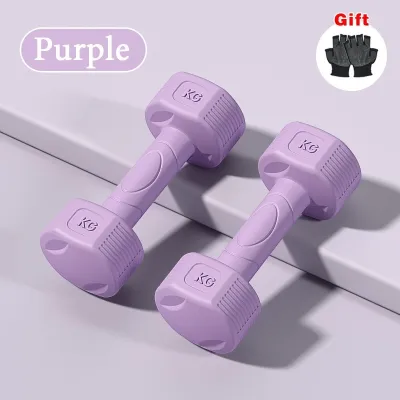
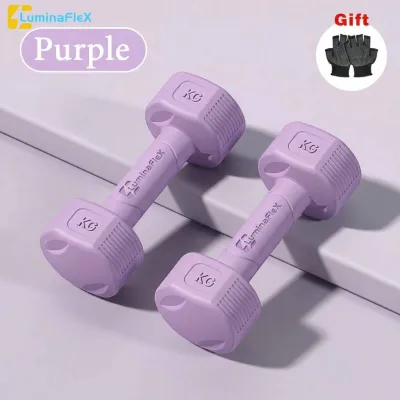
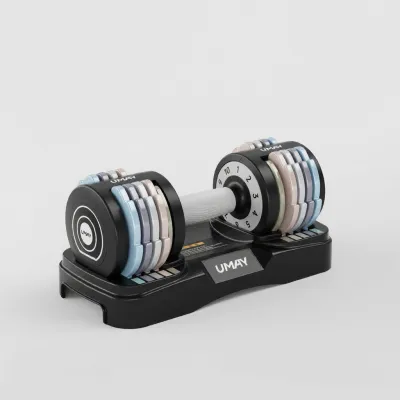
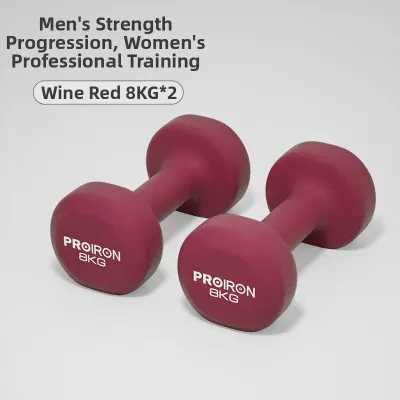
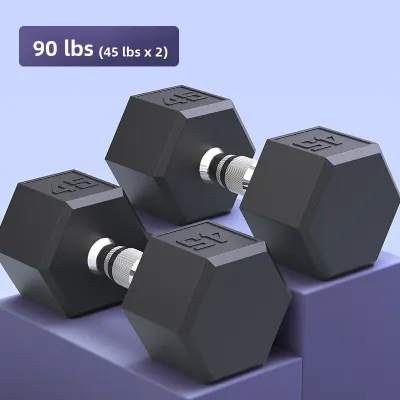
Prices are valid at publication and may change. Please refer to the product page for the latest price.
If your focus lies in functional fitness, cardiovascular endurance, and explosive power, kettlebells are an exceptional choice. The off-center center of gravity of a kettlebell forces your core and stabilizing muscles to work harder during dynamic, multi-joint movements like swings, cleans, and snatches. Kettlebell training bridges the gap between strength work and cardio, elevating your heart rate quickly while building endurance in your posterior chain. This makes them highly suitable for athletic conditioning and time-efficient workouts.
Match Equipment to Your Experience and Safety Setup
Your current skill level and safety environment are critical factors when selecting home gym equipment. Kettlebells and barbells carry a steeper learning curve than dumbbells. Performing a high-velocity kettlebell swing or a complex barbell clean requires precise technique to avoid lower back or shoulder strain. If you are training alone without professional coaching, starting with basic dumbbell movements allows you to build a foundation of strength with a lower risk of technical error.

Safety is especially vital when training at home without a spotter. If you lose control of a heavy dumbbell, you can easily drop it to the side without trapping your body. In contrast, failing a heavy barbell bench press or squat without safety pins or a power rack can lead to severe injury. If you plan to lift heavy weights alone with a barbell, investing in a sturdy rack with adjustable safety spotter arms is a necessary precaution.
Joint health and grip strength also vary across these tools. Dumbbells allow your wrists and elbows to rotate naturally during presses and curls, reducing joint stress for lifters with past injuries. Kettlebells require a strong grip and forearm tolerance as the heavy ball rotates around your wrist during ballistic movements. Before starting any high-intensity or heavy lifting program, consulting a certified fitness professional for a form check can help you establish safe movement patterns.
Evaluate Your Space and Storage Constraints
The physical reality of your workout environment plays a major role in your equipment choice. In many urban homes or condominiums in the Philippines, space is at a premium. A full barbell setup requires a seven-foot bar, a wide rack, and a dedicated area to store multiple weight plates, which can easily crowd a small room. Conversely, a single pair of adjustable dumbbells or a couple of kettlebells can fit neatly under a bed or in the corner of a closet, making them ideal for compact living spaces.
Ceiling height and overhead clearance are also practical considerations. Dynamic kettlebell snatches or overhead barbell presses require ample vertical space. If your home has low ceilings or hanging light fixtures, you must verify that you can fully extend your arms upward while holding your weights without making contact with the ceiling. Measuring your workout area beforehand prevents accidental damage to your home.
Floor protection and noise management are equally important, especially in shared residential buildings. Dropping heavy iron weights can crack tiles, dent wooden floors, and disturb neighbors. In tropical climates with high humidity, bare iron is also highly susceptible to rust. Opting for rubber-coated plates, neoprene dumbbells, or vinyl kettlebells, combined with thick rubber gym mats, protects your floors, dampens noise, and extends the lifespan of your equipment against moisture.
Create Your Final Equipment Shortlist
To help you decide which equipment to prioritize, consider how your living situation and fitness goals align with the options below.
| User Profile | Primary Goal | Space Availability | Recommended Weight Type |
|---|---|---|---|
| Beginner / Apartment Dweller | General fitness & toning | Very limited space | Adjustable Dumbbells |
| Dedicated Strength Lifter | Maximum muscle & power | Garage or spare room | Barbell & Plate Set with Rack |
| Functional Fitness Enthusiast | Endurance & core power | Moderate space | Kettlebell Set |
| Budget-Conscious Trainer | Full-body conditioning | Small corner | Single Medium Kettlebell |
If you are starting from scratch, a practical strategy is to begin with one versatile option, such as a moderate pair of dumbbells, and gradually expand your collection as your strength improves. Before finalizing your purchase, always verify the manufacturer’s specifications. Check the grip diameter to ensure it fits your hands comfortably, inspect the locking mechanisms on adjustable weights for safety, and choose durable materials like urethane or rust-resistant coatings to withstand humid conditions.
Frequently Asked Questions (FAQ)
Can I build muscle effectively using only kettlebells or dumbbells?
Yes, you can build significant muscle mass using only dumbbells or kettlebells by applying the principle of progressive overload. While you may not be able to load as much absolute weight as you would with a barbell, you can stimulate muscle growth by increasing your total training volume. This can be achieved by performing more repetitions, shortening your rest periods, or slowing down the tempo of your movements to increase the time under tension for the target muscles.
Should I buy adjustable dumbbells or a set of fixed weights?
The choice depends on your budget and space. A high-quality set of adjustable dumbbells has a higher upfront cost, often ranging from ₱10,000 to ₱25,000 or more, but it replaces an entire rack of individual weights, saving massive amounts of floor space. Fixed dumbbells are generally more durable and faster to transition between during quick circuit workouts or drop sets, but buying multiple pairs over time can eventually cost more and require dedicated storage racks.
Is it safe to use a barbell at home without a power rack?
Training with a barbell without a power rack is highly risky for heavy compound lifts like the bench press or back squat, as there are no safety mechanisms to catch the bar if you fail a repetition. If you do not have a rack, you should limit your barbell exercises to movements where you can safely drop the bar to the floor, such as deadlifts, floor presses, or clean-and-presses. For heavy lifting, upgrading to a power rack with safety pins is mandatory for solo home training.
Community discussion
Share your experience or ask a question. Comments are reviewed before publication.