
Choosing the right climbing rope is the most critical gear decision you will make, as your safety depends entirely on matching the rope’s design to your specific climbing discipline. The correct choice is determined by whether the rope must stretch to absorb the energy of a fall. For sport climbing, gym climbing, and traditional climbing where falls are expected, a dynamic rope is mandatory. For activities like rappelling, caving, canyoning, and hauling gear where you want minimal bounce, a static rope is the correct tool. For complex alpine environments, wandering multi-pitch routes, or ice climbing, specialized half or twin rope systems are required to manage rope drag and provide redundancy.
Quick Diagnostic: Matching Your Climbing Activity to the Right Rope
To determine which rope category fits your needs, you must first define your primary climbing environment and the potential for falls. If you are climbing single-pitch sport routes at a local crag or practicing indoors at a climbing gym, a single dynamic rope is the standard choice. These ropes are designed to be used on their own, simplifying belay mechanics and rope management for both beginners and experienced climbers.
When your adventures transition to vertical environments where you do not expect to fall—such as descending into a cave, rigging a top-rope anchor from above, or hauling heavy haul bags up a big wall—a static rope is necessary. Using a dynamic rope for these tasks leads to excessive bouncing, which wastes energy and causes the rope to rub destructively against sharp rock edges.
Products mentioned in this guide
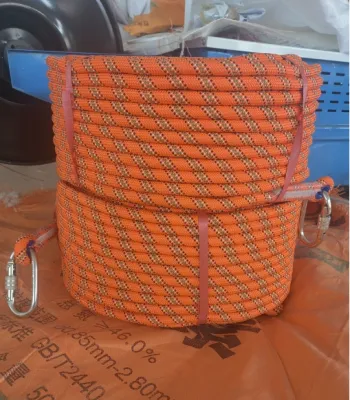
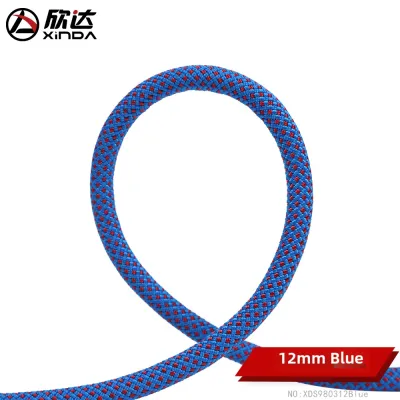
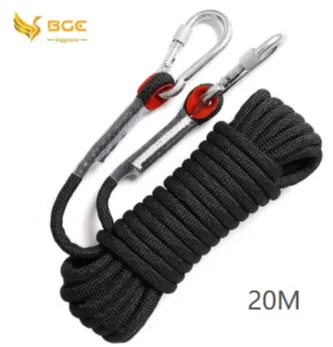
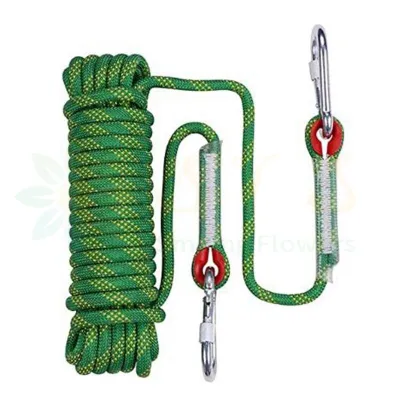
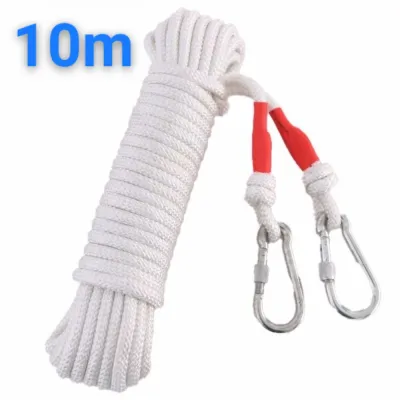
Prices are valid at publication and may change. Please refer to the product page for the latest price.
For multi-pitch traditional climbing, mountaineering, and ice climbing, the decision becomes more complex. Wandering routes that zig-zag across a cliff face create severe rope drag if you use a single rope. In these scenarios, a multi-rope system using half ropes or twin ropes allows you to run parallel lines, reducing friction and minimizing the force on your protection pieces.
Dynamic Ropes: Absorbing Impact for Lead Climbing
Dynamic ropes are engineered with a high level of elasticity, acting like a shock absorber when a climber falls. When a lead climber falls above their last piece of protection, they experience a sudden deceleration. The dynamic rope stretches to dissipate this kinetic energy over a longer period, reducing the impact force felt by the climber, the belayer, and the protection anchors in the rock. This elasticity is achieved through a kernmantle construction, where a highly twisted nylon core is protected by a tightly woven outer sheath.

A single dynamic rope is the most common type of climbing rope available. It is marked with a “1” inside a circle on the manufacturer’s tag. These ropes are designed to be clipped into every piece of protection along your route. They are highly versatile and suitable for sport climbing, top-roping, and straightforward traditional routes.
Before purchasing or using a dynamic rope, you must verify its performance specifications on the manufacturer’s technical label. Look for the Union Internationale des Associations d’Alpinisme (UIAA) fall rating, which indicates how many factor-1.77 falls the rope can withstand under test conditions before failing. You should also check the dynamic elongation percentage, which typically ranges between 30% and 40%, and the impact force rating. A lower impact force rating means a softer catch, which is gentler on your body and your gear anchors.
Static Ropes: Rigging, Rappelling, and Hauling
Static ropes, often labeled as low-stretch ropes, are designed to stretch as little as possible under load. This lack of elasticity makes them highly efficient for ascending, rappelling, and hauling gear, as no energy is lost to rope stretch. They are the standard choice for industrial rescue work, caving, and setting up fixed lines on expeditions. Their construction features parallel or low-twist core fibers, which minimize elongation under body weight.
You must never use a static rope for lead climbing or top-roping. Because static ropes do not stretch significantly, even a short fall of a few feet can generate catastrophic impact forces. These forces can cause severe internal injuries to the climber, rip protection bolts or cams out of the rock, and cause the rope itself to snap. Static ropes are strictly reserved for scenarios where the rope is kept under constant tension or used solely for downward descent.
When selecting a static rope for rigging or rappelling, check the product label for static elongation, which is typically less than 5% under a standard load. You should also verify the sheath slippage rating and the overall diameter to ensure compatibility with your rappelling devices and ascenders. For rigging anchors at local tropical crags, a durable static rope with a thick sheath helps resist abrasion from sharp limestone edges.
Half and Twin Ropes: Managing Drag and Redundancy
Half and twin ropes are specialized dynamic ropes designed to be used in pairs. They are thinner and lighter than single ropes, but they must never be used individually. Using a single half or twin rope on its own can result in rope failure during a fall, as they are not certified to absorb the impact forces independently.
Half ropes, marked with a “1/2” icon on the tag, are designed for wandering routes. The climber ties into two separate ropes and clips them alternately into different pieces of protection. This technique keeps the rope lines straight, drastically reducing rope drag on complex traditional or ice routes. It also reduces the risk of a single rope being cut by a sharp rock edge, as the second rope provides a critical backup.
Twin ropes, marked with an infinity-style “⊗” symbol, require the climber to clip both ropes into every single piece of protection. This system is ideal for straight multi-pitch routes where weight reduction is key. The primary advantage of both half and twin rope systems is that they allow you to tie the two ropes together for rappelling, giving you the ability to make full-length descents on long multi-pitch faces.
Verifying Specifications and Safety Certifications
Every climbing rope sold by reputable manufacturers must carry safety certifications from recognized bodies. Look for the UIAA logo and the CE (Conformité Européenne) mark on the rope’s end tags or packaging. These certifications guarantee that the rope has undergone rigorous laboratory testing for strength, elongation, and durability.
When matching a rope to your gear setup, you must evaluate its physical dimensions:
- Diameter: Dynamic ropes generally range from 8.9 mm to 10.5 mm. Thinner ropes are lighter and glide easily through gear, but they require highly experienced belayers. Thicker ropes are more durable and offer more friction in belay devices, making them ideal for beginners and high-use gym climbing.
- Length: Standard single ropes are 60 or 70 meters long. Ensure your rope is long enough for the specific routes you plan to climb; a 70-meter rope is often required to safely lower a climber on modern sport routes.
- Dry Treatment: In humid, tropical environments, non-dry ropes can absorb moisture from the air or wet rock, which increases their weight and reduces their dynamic strength. A dry-treated rope has a chemical coating that repels water, helping to maintain its performance and extend its lifespan in damp conditions.
Inspection, Maintenance, and Retirement Signals
Regularly inspecting your climbing rope is a non-negotiable safety practice. Before every climbing session, perform a visual and tactile inspection by flaking the rope through your hands. Feel for flat spots, mushy sections, or stiff bends, which indicate internal core damage (core shots). Visually inspect the sheath for excessive fuzziness, cuts, or discoloration from chemical exposure, such as battery acid or harsh solvents.
Keep a detailed log of your rope’s history, including its age, how often it is used, and the severity of any falls it has held. Even if a rope looks perfect, nylon degrades over time. Most manufacturers recommend retiring a rope after ten years from its manufacture date, even if it has never been used, and after three to five years of occasional, gentle use.
Remember that climbing gear cannot replace professional instruction, personal experience, and sound judgment. If you ever doubt the integrity of your rope, or if you do not know its complete history—such as when buying secondhand gear—stop using it immediately. When in doubt, retire the rope or consult a certified climbing instructor or the manufacturer for guidance.
Frequently Asked Questions (FAQ)
Can I use a dynamic rope for rappelling?
Yes, you can safely use a dynamic rope for rappelling, and it is the standard method for descending multi-pitch sport and traditional routes. However, because dynamic ropes stretch under your body weight, you will experience some initial bounce when you weight the system. This stretch can make precise positioning more difficult and can cause the rope to rub against rock edges, so you must descend smoothly and avoid jerky movements.
How should I store my climbing ropes to prevent damage?
To maximize the lifespan of your climbing rope, store it in a cool, dry, and dark place away from direct sunlight, extreme heat, and moisture. In humid tropical climates, avoid storing your rope in damp closets or sealed plastic bins where moisture can get trapped. Instead, use a breathable rope bag and keep it off concrete floors to prevent contact with moisture or household chemicals.
Community discussion
Share your experience or ask a question. Comments are reviewed before publication.