
Tackling the steep, muddy, and humid trails of the Philippines requires a mountain bike that can handle both the terrain and the tropical climate. To navigate these demanding routes without overspending, you do not necessarily need the most expensive high-wattage setup. For most riders on local trails, a mid-drive motor offering 70 to 85 Nm of torque paired with a 500 to 700 Wh battery provides the ideal balance of climbing power and all-day range. Choosing the right e bike mtb specifications comes down to understanding how motor power and battery efficiency translate to real-world trail performance.
Decoding Motor Power: Watts vs. Torque for Local Climbs on Your E Bike MTB
When shopping for an e bike mtb, marketing brochures often highlight motor wattage as the primary indicator of performance. However, wattage numbers can be misleading because manufacturers distinguish between rated power and peak power. Rated power is the continuous output a motor can sustain safely, which is often electronically capped at 250W to comply with local street and trail regulations. Peak power is the maximum burst of energy the motor can deliver for short periods, which can easily exceed 500W during sudden climbs.
For off-road riding, torque is a far more critical metric than raw wattage. Measured in Newton-meters (Nm), torque represents the rotational force that turns your rear wheel. When you are crawling up a steep, root-strewn incline or pushing through sticky clay mud after a heavy downpour, high torque keeps your wheels turning at low speeds. A motor with low torque will stall or require immense leg power under heavy loads, regardless of its advertised wattage.
Products mentioned in this guide
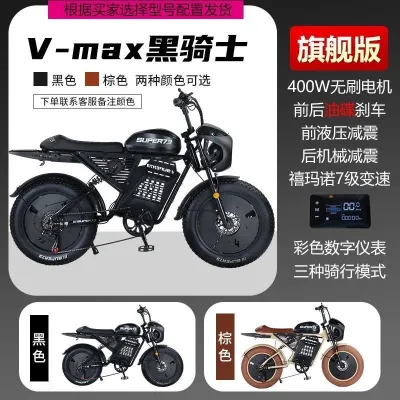
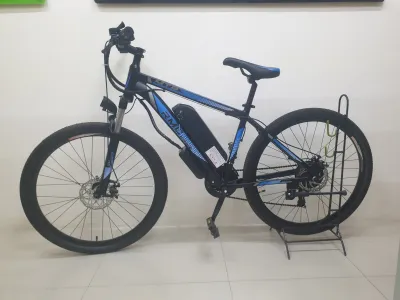
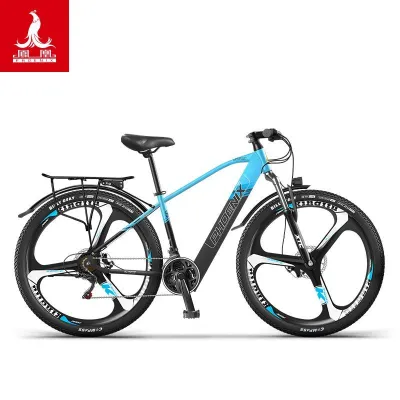
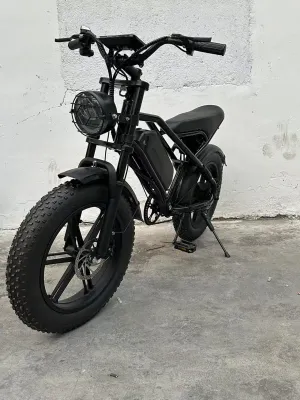
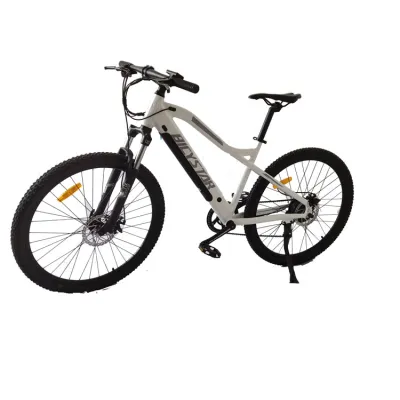
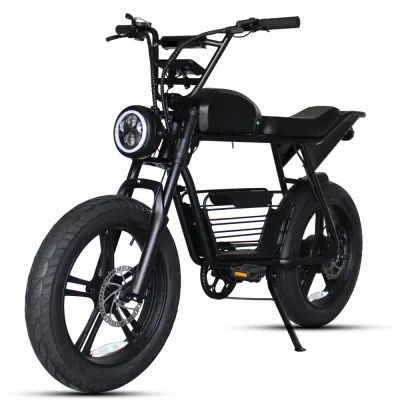
Prices are valid at publication and may change. Please refer to the product page for the latest price.
The physical position of the motor also dictates how effectively this power is delivered. Mid-drive motors, positioned at the bike’s bottom bracket, offer a massive mechanical advantage over hub motors located in the wheel. By driving the chain directly, a mid-drive motor leverages the bike’s rear cassette gears. This means you can shift into a lower gear on steep climbs, allowing the motor to run at its optimal, most efficient RPM. Mid-drive systems also keep the bike’s center of gravity low and centered, which improves handling and provides better ground clearance over rocks and fallen branches.
Avoid blindly chasing the highest wattage or torque available. Excessive power can make a bike difficult to control on tight, technical singletracks, often causing the rear tire to spin out on loose gravel. Furthermore, larger, high-output motors draw power at a rapid rate, which will quickly deplete your battery and leave you pedaling a heavy machine back to the trailhead.
Battery Capacity and Real-World Range on Tropical Trails
Battery capacity is measured in Watt-hours (Wh), representing the total energy stored in the battery pack. Common sizes for modern off-road electric bikes typically range from 400Wh to 750Wh. While a larger battery theoretically allows you to ride further, the actual distance you can cover on a single charge depends heavily on how and where you ride.

Manufacturer range estimates are almost always calculated under ideal laboratory conditions, featuring flat paved roads, light rider weights, and minimal wind. On rugged trails, these estimates quickly fall apart. Constant elevation changes, deep mud that increases rolling resistance, and the need for frequent stop-and-start acceleration will drain a battery much faster than expected. A battery rated for 100 kilometers on flat pavement might only deliver 35 to 45 kilometers of actual trail riding.
The tropical climate introduces unique challenges for battery chemistry. High ambient temperatures and intense humidity force battery management systems to work harder to regulate internal heat. Lithium-ion batteries degrade faster and lose operating efficiency when subjected to prolonged thermal stress. If you frequently drain your battery completely and charge it in a hot environment, you will accelerate long-term capacity loss.
To estimate your required battery capacity, evaluate your typical riding habits. If your weekend rides average two hours with moderate climbing, a standard 500Wh battery is generally more than sufficient. However, if you plan long, remote mountain climbs or multi-hour endurance loops where charging stops are nonexistent, investing in a 700Wh or 750Wh battery ensures you will not run out of assist mid-ride.
Matching E-Bike MTB Specs to Your Riding Style
Finding the right balance of motor power and battery capacity requires a realistic assessment of your personal riding style, physical fitness, and local trail conditions.
Cross-Country and Flow Trails If your primary goals are improving fitness, enjoying scenic flow trails, or riding relatively flat cross-country routes, look for a lightweight setup. A motor delivering 50 to 70 Nm of torque paired with a 400 to 500 Wh battery is ideal for this scenario. This combination keeps the overall weight of the bike lower, making it feel more agile and easier to maneuver. It also provides a more natural riding experience, requiring you to contribute more physical effort while still offering a helpful boost on short climbs.
Enduro and Steep Technical Climbs For riders who seek out steep, technical descents, prolonged mountain climbs, and rugged backcountry terrain, a heavy-duty setup is necessary. You will benefit most from a high-torque motor delivering 80 Nm or more, paired with a large 600 to 750+ Wh battery. This configuration provides the sustained torque needed to clear vertical steps, wet roots, and deep ruts. Some manufacturers also offer dual-battery compatibility, allowing you to mount an external range extender for exceptionally long expeditions.
Keep in mind that larger batteries and more powerful motors carry a significant weight penalty. A high-capacity e-bike can easily weigh between 22 and 26 kilograms. This extra mass changes how the bike handles on downhill sections, requiring more physical strength to brake and corner. Furthermore, if you miscalculate your range and drain the battery entirely, pedaling a heavy, unassisted mountain bike up a steep hill can be an exhausting challenge.
Additionally, pay close attention to the motor’s power delivery characteristics. High-end motors offer customizable assist modes that can be tuned via a smartphone app. For loose, slippery clay, a motor that delivers power smoothly and progressively is far superior to one that surges aggressively, as sudden power spikes can cause your rear tire to break traction instantly.
Essential Specs to Verify Before Purchase
Before finalizing your purchase, verify several practical specifications that directly impact the durability and usability of your bike in local conditions.
- Ingress Protection (IP) Rating: Ensure the motor, battery ports, and wiring harnesses carry a high IP rating, such as IP56 or higher. This certification verifies that the electrical components can withstand heavy tropical downpours, muddy trails, and occasional shallow river crossings without short-circuiting.
- Removable Battery Design: Check if the battery can be easily removed using a key or simple latch. A removable battery allows you to bring the pack indoors into an air-conditioned space for charging, protecting it from extreme outdoor heat and reducing the risk of theft if the bike is stored in a shared space.
- Local Dealer Support: Verify that the brand has an authorized local distributor or service center. E-bike motors and batteries are highly specialized components; if a controller fails or a battery cell degrades, you will need professional diagnostic tools, warranty support, and access to genuine replacement parts.
- Display and Controller Durability: Inspect the handlebar-mounted display unit. It must be bright enough to remain readable under direct, intense sunlight and fully sealed against water intrusion during sudden afternoon rainstorms.
Frequently Asked Questions (FAQ)
Can I upgrade my e-bike mtb battery later for more range?
Upgrading your battery to a higher capacity is generally difficult and often impossible due to physical and electrical limitations. E-bike frames are designed around specific battery dimensions, meaning a larger 750Wh battery will rarely fit into a frame built for a 500Wh battery. Additionally, the motor’s controller and firmware must be programmed to recognize and safely manage the specific voltage and capacity of the battery. Always avoid using third-party, non-OEM (Original Equipment Manufacturer) batteries; these uncertified packs pose severe safety risks, including thermal runaway and fire hazards, which are amplified in hot, humid climates.
Does a 500W motor always outperform a 250W motor on hills?
No, a higher wattage rating does not guarantee better climbing performance on off-road trails. A high-quality 250W mid-drive motor that produces 85 Nm of torque will easily outperform a cheap 500W hub motor on steep hills. This is because the mid-drive motor can leverage the bike’s low gears to multiply its climbing force, whereas a hub motor must spin the wheel directly and can easily bog down and overheat on steep inclines. Torque, motor placement, and smooth power delivery are far more important than raw wattage when climbing technical terrain.
Community discussion
Share your experience or ask a question. Comments are reviewed before publication.