
Choosing between an electric bicycle (e-bike) and a traditional regular bike comes down to how you plan to navigate your daily routes, your personal fitness objectives, and your financial limits. While both options offer a sustainable way to bypass heavy traffic, they serve very different lifestyles. An e-bike provides motorized assistance that helps you cover long distances and steep climbs with minimal physical exhaustion, making it ideal for sweat-free commuting. A regular bike, on the other hand, relies entirely on your own muscle power, offering a lightweight, low-maintenance, and highly effective tool for physical fitness.
To make the right investment, you must look beyond the initial excitement of riding and analyze the practical realities of your daily routine. Evaluating your typical route, storage space, and long-term maintenance capacity will ensure you select the ride that keeps you moving safely and comfortably.
Assess Your Daily Commute and Terrain
Your daily route is the most critical factor in this decision. If your commute involves traveling long distances across busy metropolitan roads, a regular bike might leave you physically drained before your workday even begins. An e-bike can bridge this gap by providing a motor that assists your pedaling, allowing you to maintain a steady speed with much less effort.
Products mentioned in this guide
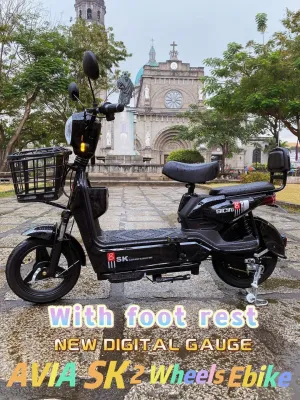
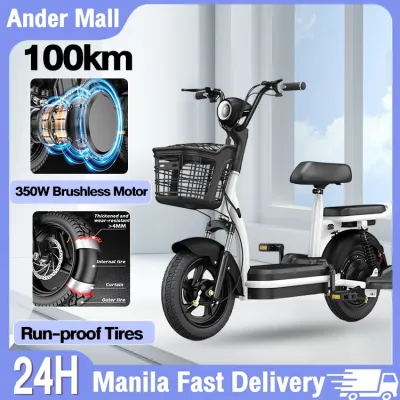
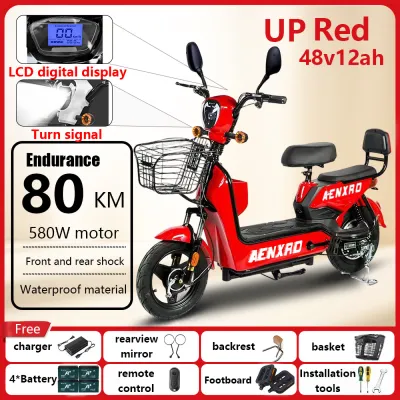
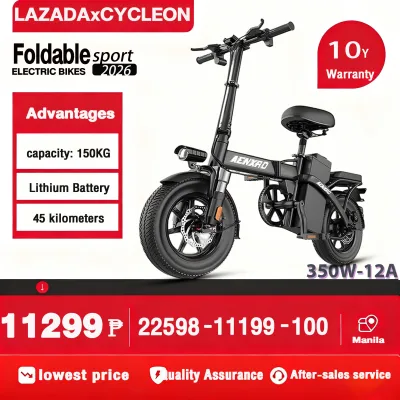
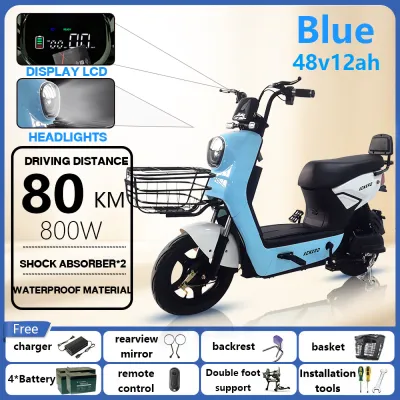
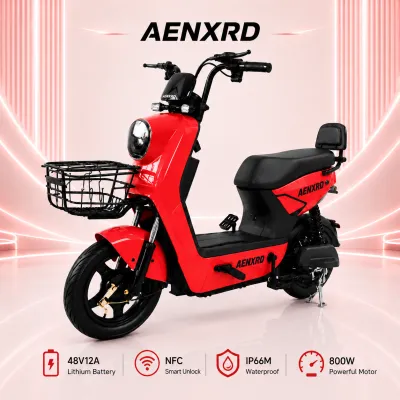
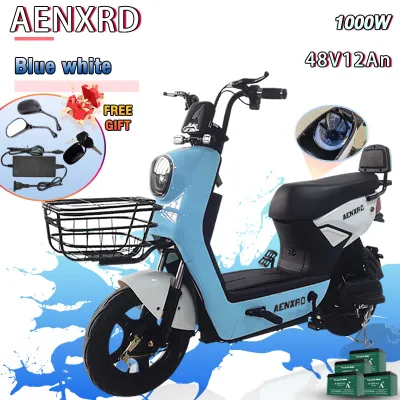
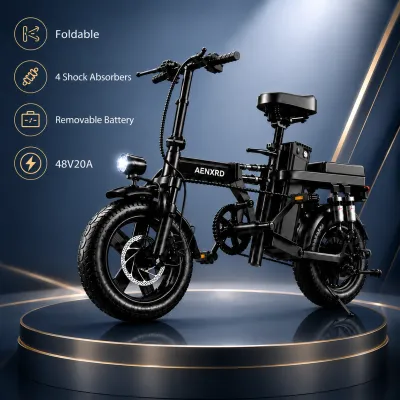
Prices are valid at publication and may change. Please refer to the product page for the latest price.
Terrain challenges also play a major role in your daily comfort. Climbing steep flyovers, navigating elevated bridges, or pushing through uneven road surfaces requires significant leg strength on a traditional bicycle. With an e-bike, you can engage the motor to flatten these obstacles, preserving your energy and reducing strain on your muscles.
Local weather conditions in the Philippines add another layer of complexity to your commute. Riding under the intense tropical sun or dealing with sudden afternoon downpours can make physical exertion highly uncomfortable. If arriving at your workplace or school clean and presentable is a professional requirement, the sweat-free ride of an e-bike is a distinct advantage over a traditional pedal bike.
Evaluate Your Fitness Goals and Physical Needs
Your health objectives and physical condition should heavily influence your choice of bicycle. If your primary goal is to integrate consistent cardiovascular exercise into your lifestyle, a regular bike is an exceptional tool. It forces you to engage your core, legs, and cardiovascular system continuously, maximizing calorie burn and muscle development during every ride.

However, physical limitations or recovery needs may make a traditional bike impractical. If you experience joint pain, knee strain, or are recovering from an injury, the constant pressure of pedaling uphill can cause discomfort or further damage. In these situations, an e-bike acts as a supportive mobility tool that keeps you active without overexerting your body.
The beauty of modern e-bikes lies in their adjustable pedal-assist systems. You do not have to let the motor do all the work; instead, you can select low assistance levels on days you feel energetic and increase the support when you feel tired. This flexibility allows you to customize your physical exertion to match your daily energy levels, keeping your rides enjoyable and sustainable.
Compare the Real Costs: Upfront and Long-Term
Financial readiness involves looking at both the immediate price tag and the ongoing costs of ownership. When comparing initial purchase prices in ₱, a reliable, entry-level regular bike is significantly more affordable than even a basic e-bike. If you are on a tight budget, a traditional bicycle allows you to start riding immediately without a massive upfront financial commitment.
Owning an e-bike introduces several long-term expenses that you must factor into your budget. The battery, which is the most expensive component of the system, will eventually degrade and require replacement. Additionally, specialized electronic components like motors, controllers, and wiring harnesses may require professional diagnostics and repairs that carry higher service fees.
In contrast, regular bikes are built with simple, standardized mechanical parts. Components like chains, brake pads, and gear cables are highly affordable and can be serviced or replaced at almost any local neighborhood bike shop. This simplicity keeps your long-term maintenance costs predictable and manageable, even after years of daily use.
Storage, Security, and Daily Practicality
The physical logistics of managing your bicycle off the road can impact your daily satisfaction. E-bikes are considerably heavier than traditional bicycles due to the added weight of the motor and battery pack. If you live in an apartment complex without an elevator, or if you need to carry your bike up multiple flights of stairs, a lightweight regular bike is much easier to handle.
Security is another major concern, especially in busy urban areas. Because e-bikes carry a much higher market value, they are prime targets for theft. Securing an e-bike often requires investing in heavy-duty locks, installing GPS tracking devices, or finding secure, indoor parking spaces at your home and workplace.
You must also consider your charging setup. E-bike batteries require regular access to safe, grounded electrical outlets. If you live in a shared condominium or work in an office building with strict utility policies, charging your battery daily can become a logistical challenge. A regular bike eliminates these power dependencies entirely, remaining ready to ride at a moment’s notice.
Making the Final Decision: Which Bike Fits Your Lifestyle?
To finalize your choice, match your daily habits to the profile of each bicycle type. The ideal e-bike rider is someone with a longer commute, hilly routes, or heavy cargo needs who wants to arrive at their destination fresh and sweat-free. If you view your bicycle primarily as a practical utility vehicle to replace public transit, the electric route is highly compelling.
Conversely, the ideal regular bike rider values simplicity, physical fitness, and budget-friendly operation. If your routes are relatively short and flat, and you enjoy the pure, mechanical connection of pedaling, a traditional bicycle will serve you perfectly for years to come.
Before making a final financial commitment, visit a local bicycle dealer to test-ride both options. Pay close attention to how each bike handles, how comfortable the riding position feels, and how confident you feel when applying the brakes. Experiencing the physical differences firsthand is the best way to ensure you choose the right ride for your lifestyle.
Frequently Asked Questions (FAQ)
Can I convert my regular bike into an e-bike later?
Yes, aftermarket electric conversion kits are available, but they require careful compatibility checks. You must verify that your regular bike’s frame is strong enough to handle the extra weight and torque of a motor, and that your brakes have sufficient stopping power. Converted bikes often lack the balanced weight distribution, integrated safety features, and manufacturer warranties of purpose-built e-bikes.
Do I need a license or registration to ride an e-bike in the Philippines?
The regulatory landscape for e-bikes in the Philippines depends on the vehicle’s maximum speed and motor power. You should consult the latest guidelines from the Land Transportation Office (LTO) and your local municipal government to determine if your specific model requires registration or a driver’s license. Additionally, always check local city ordinances, as some municipalities restrict certain types of electric vehicles from using major national roads and highway lanes.
Community discussion
Share your experience or ask a question. Comments are reviewed before publication.