
Quick Answer: Which E-Bike Specs Actually Matter?
When shopping for an e-bike, three core specifications dictate your riding experience: motor wattage, torque, and battery capacity. Motor wattage and torque determine how easily you can accelerate and climb steep inclines, while battery capacity—measured in Watt-hours—provides the most reliable estimate of your riding range. To ensure a safe ride, secondary components like brakes and tires must be robust enough to handle the increased weight and speed of a motorized bicycle. Focusing on these practical metrics, rather than optimistic manufacturer range estimates, will help you find a reliable model for your daily routes.
Motor Power: Wattage, Torque, and Real-World Performance
Evaluating an e-bike motor requires looking beyond a single power number. The motor dictates how the bike assists your pedaling, which directly influences how you handle local terrain, headwinds, and heavy cargo. A motor that feels perfectly adequate on flat, paved streets may struggle significantly when climbing elevated flyovers or navigating steep residential hills.

To understand real-world performance, you must look at how the motor delivers its power. Some motors are engineered to provide steady, predictable assistance, while others are tuned for quick acceleration from a complete stop. This distinction is particularly important in congested traffic environments where you frequently need to match the speed of surrounding vehicles.
Products mentioned in this guide
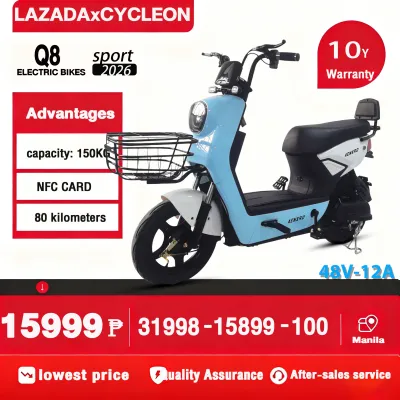
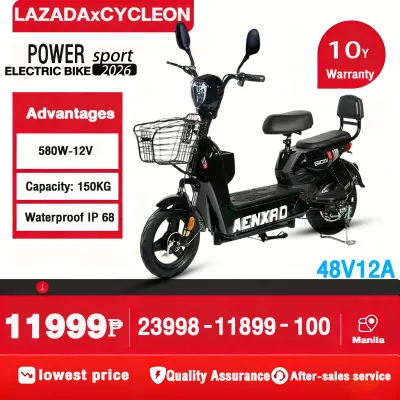
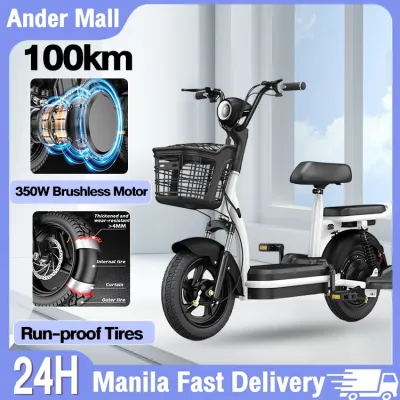
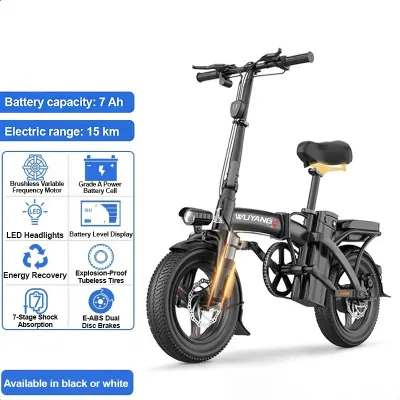
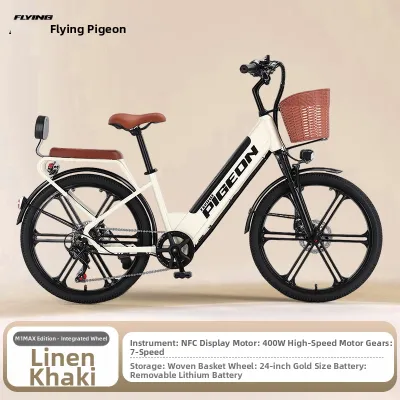
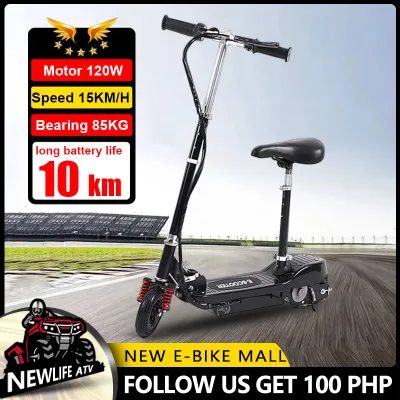
Prices are valid at publication and may change. Please refer to the product page for the latest price.
Torque, measured in Newton-meters (Nm), is the force that turns the wheel. High torque is essential for quick acceleration and conquering steep inclines without losing momentum. If your daily route involves climbing steep bridges or carrying heavy groceries, prioritizing a motor with higher torque will make your rides significantly easier.
Before finalizing your purchase, it is crucial to verify local regulations in the Philippines regarding electric bicycles. The Land Transportation Office (LTO) enforces specific guidelines on motor wattage, maximum speed limits, and where certain classes of e-bikes are permitted to ride. Checking these rules beforehand ensures your chosen model complies with local registration and licensing requirements.
Rated vs. Peak Wattage
When comparing motor specifications, you will often see two different wattage ratings: rated (continuous) power and peak power. Rated wattage represents the continuous power the motor can safely sustain over long periods without overheating or risking damage to the internal electronics. This is the most reliable baseline figure to use when comparing different e-bike models.
Peak wattage refers to the maximum temporary power the motor can generate for short bursts. This extra surge of power is automatically activated during high-demand situations, such as starting from a complete stop at a traffic light or pushing up a sudden, steep ramp. While a high peak wattage is helpful for overcoming brief obstacles, relying on it constantly will rapidly drain your battery and heat up the motor.
Hub Motors vs. Mid-Drive Motors
The placement of the motor on the frame fundamentally changes how the e-bike handles and performs. Hub motors are integrated directly into either the front or rear wheel hub. These systems are generally more affordable, mechanically simple, and highly suitable for flat city commuting. However, they can make the bike feel tail-heavy or front-heavy, and changing a flat tire on a hub-motor wheel often requires specialized tools and extra patience.
Mid-drive motors are positioned in the middle of the frame, directly at the bottom bracket where the pedals connect. This central placement keeps the bike’s center of gravity low and balanced, resulting in a highly natural, traditional cycling feel. Mid-drive motors leverage the bike’s existing gears, making them exceptionally efficient at climbing steep hills and maximizing battery range. The primary trade-offs are a higher initial purchase price and increased wear on your chain and drivetrain components.
Battery Capacity and Range: Beyond the Advertised Numbers
Manufacturer-advertised range figures are often calculated under ideal laboratory conditions that rarely match real-world riding. To get an honest assessment of how far an e-bike can travel on a single charge, you must look at the battery’s capacity measured in Watt-hours (Wh). You can easily calculate this figure yourself by multiplying the battery’s Voltage (V) by its Amp-hour (Ah) rating. A higher Watt-hour rating directly translates to more energy storage and a longer potential range.
In practice, several environmental and physical variables will actively drain your battery faster than the manufacturer’s estimates. Heavy rider weight, carrying extra cargo, low tire pressure, and riding against strong headwinds all increase the motor’s workload. Additionally, the frequent stop-and-go traffic typical of busy metropolitan areas requires constant acceleration, which consumes significantly more energy than maintaining a steady cruising speed.
Your choice of riding mode also plays a massive role in energy consumption. Using a high Pedal Assist System (PAS) level or relying heavily on a twist-throttle will deplete the battery rapidly. Conversely, using lower assist levels on flat sections and reserving high power for hills will extend your range. When reviewing product specifications, always check the manufacturer’s testing parameters to see if their range claims were achieved using a lightweight rider on flat terrain in the lowest assist setting.
Secondary Specs: What to Check and What to Ignore
Because e-bikes are heavier and travel faster than traditional bicycles, high-quality braking systems are non-negotiable for rider safety. Hydraulic disc brakes are highly recommended because they provide superior stopping power with minimal hand effort, which is critical when navigating wet roads during the rainy season. High-quality mechanical disc brakes are an acceptable alternative, but they require more frequent manual adjustments to maintain optimal performance.
The extra weight of the motor and battery, combined with the forces of motorized acceleration, places immense stress on the wheels. Look for e-bikes equipped with puncture-resistant tires and reinforced, heavy-gauge spokes. These components help prevent frustrating roadside flats and keep your wheels straight and true over rough pavement and potholes.
Conversely, some premium specifications offer little practical value for the average commuter and can be safely ignored to save money. Ultra-lightweight carbon fiber frames, for example, add significant cost while saving only a few kilograms—a weight difference that is easily offset by the motor’s power. Similarly, high-end competitive drivetrain groupsets designed for professional racing are unnecessary; a standard, durable multi-speed drivetrain is more than sufficient for daily utility riding.
How to Match E-Bike Specs to Your Riding Needs
To find the right e-bike, you must align the technical specifications with your specific daily routines and physical environment. If you are an urban commuter navigating flat city streets, a rear-hub motor with a moderate rated wattage and a mid-sized battery is an excellent, cost-effective choice. For this use case, prioritize practical accessories like integrated cargo racks, mudguards to protect against road spray, and comfortable upright geometry.
If your route involves steep hills, long distances, or carrying heavy payloads, you will require a different specification profile. Look for a mid-drive motor with high torque output paired with a large-capacity battery to ensure you do not run out of power mid-journey. Robust hydraulic disc brakes are essential in this setup to manage the momentum of a heavier load on downhill descents.
Finally, always verify the physical weight of the e-bike itself and its maximum rated payload capacity. You must ensure you can physically lift or maneuver the bike if you need to carry it up stairs or load it onto a vehicle rack. Checking the payload capacity guarantees the frame and wheels can safely support your body weight plus any cargo you plan to transport.
Frequently Asked Questions (FAQ)
How do I estimate the real-world range of an e-bike?
A practical rule of thumb is to take the manufacturer’s maximum advertised range and divide it by two. This conservative estimate accounts for real-world factors like moderate pedal assist usage, varied terrain, and stop-and-go traffic. Additionally, keep in mind that high tropical temperatures and humidity can affect battery efficiency over time, making a conservative range estimate even more important for planning your daily commutes.
Is a higher wattage motor always better for city commuting?
Not necessarily. While a high-wattage motor provides rapid acceleration, it also drains the battery much faster and typically requires a larger, heavier battery pack, making the entire bike more difficult to handle. For flat city streets with frequent stops, a moderate, highly efficient motor paired with a reliable battery offers a much better balance of range, weight, and overall maneuverability.
Community discussion
Share your experience or ask a question. Comments are reviewed before publication.