
Selecting the right three-wheel scooter requires a clear understanding of the rider’s physical profile, skill level, and the specific environment where they will ride. While three-wheel designs are widely celebrated for their stability, a model engineered for a young child differs fundamentally from one built to support an adult. Choosing between these categories is not merely a matter of aesthetic preference; it directly impacts rider safety, structural durability, and overall comfort. In the Philippines, where riders often navigate uneven barangay roads, high humidity, and sudden tropical rain showers, verifying the physical specifications of your scooter is essential before making a purchase. By focusing on key structural differences, weight capacities, and steering mechanics, you can ensure that your chosen Eboke 3-wheel scooter delivers a safe and enjoyable ride.
Core Specifications That Separate Kids and Adult Scooters
Understanding the engineering differences between children’s and adult scooters is the first step in making an informed purchase. Children’s models are designed with lightweight materials to ensure that young riders can easily steer, lift, and control the vehicle. These models typically feature plastic or lightweight composite decks reinforced with thin-walled aluminum T-bars. In contrast, adult-oriented models require heavy-duty construction, utilizing aircraft-grade aluminum alloys, reinforced steel, or thick fiberglass composites to handle significantly higher dynamic loads. When an adult rides a scooter, the forces exerted during jumps, curbs, or sudden stops multiply the static weight, requiring a robust frame and a highly secure folding mechanism that will not loosen or fail under pressure.
Handlebar height adjustability is another critical differentiator that separates these two categories. Children’s scooters must accommodate rapid growth spurts, meaning their T-bars usually feature a wide adjustment range with multiple locking stages. This allows the handlebars to be set low enough for a toddler’s waist height and raised as they grow into their pre-teen years. Adult models, however, feature a much higher minimum and maximum reach. The handlebars must be tall enough to allow an adult to stand completely upright without hunching forward, which preserves ergonomic control and prevents lower back strain during longer commutes.
Products mentioned in this guide
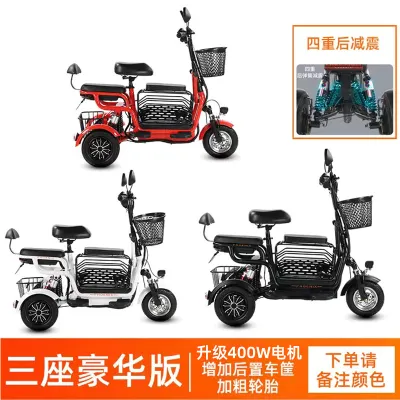
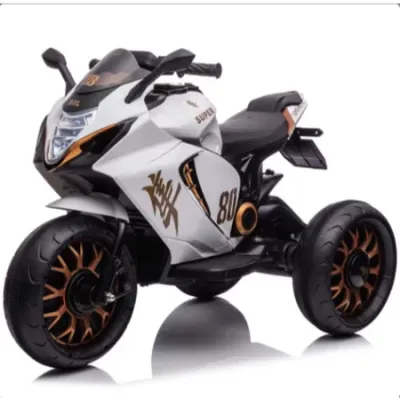
Prices are valid at publication and may change. Please refer to the product page for the latest price.
Wheel diameter, durometer, and suspension systems also vary greatly depending on the target user. Children’s scooters generally utilize smaller wheels with softer polyurethane formulations to maximize grip and provide a cushioned ride at lower speeds. Adult models require larger wheels, often ranging from 120mm to 200mm or more, to roll efficiently over road cracks, pebbles, and uneven pavement. Additionally, adult models frequently incorporate built-in suspension springs to absorb high-impact vibrations, a feature rarely found on lightweight children’s models. In tropical climates like the Philippines, where intense heat can soften low-quality plastics and wet roads demand superior traction, verifying the quality and hardness of the wheel material is vital for long-term durability.
How to Verify Fit and Safety for Child Riders
When selecting an Eboke 3-wheel scooter for a child, safety must be your primary concern. The first step is to locate and strictly adhere to the manufacturer’s stated minimum age and maximum weight limits. These guidelines are not arbitrary; they are calculated based on the structural strength of the deck and the developmental stage of the intended user. Placing a child on a scooter that is too large or too heavy for them can lead to a loss of control, while exceeding the weight limit on a smaller model can cause the deck to bend or snap during use.

Evaluating the steering mechanism is equally important for matching the scooter to your child’s physical coordination. Many three-wheel scooters utilize a “lean-to-steer” mechanism, where the front wheels pivot when the child shifts their body weight from side to side. This design is highly intuitive for toddlers and young children, as it mimics their natural balancing instincts and helps develop core motor skills. For older children who have already mastered basic balance, a direct steering mechanism—where the handlebars turn like a bicycle—may be more appropriate, allowing for sharper turns and more active maneuverability.
Parents must also verify the physical accessibility of the controls and the overall ergonomics of the scooter. Ensure that the child can easily reach and depress the rear fender brake with their heel without losing their balance or slipping off the deck. The deck height should be low to the ground, allowing the child to easily push off and mount the scooter without excessively bending their supporting knee. Finally, consider the overall weight of the scooter; a child should be able to lift and turn the scooter around independently when they encounter an obstacle or reach the end of a pathway.
How to Verify Fit and Comfort for Adult Riders
Adult riders looking for a three-wheel scooter must prioritize structural integrity and ergonomic comfort to ensure a safe riding experience. The most critical step is verifying that the scooter’s maximum weight capacity includes a generous safety margin. Do not select a model where your weight is exactly at the upper limit. Instead, factor in your body weight plus the weight of any items you regularly carry, such as a heavy backpack, laptop, or water bottle. A safety margin of at least 10% to 15% above your total loaded weight is recommended to prevent excessive deck flex and premature wear on the bearings and folding joints.
Deck width and ground clearance are essential factors that directly influence your riding comfort and safety. An adult deck must be wide enough to allow you to place both feet comfortably on the surface when coasting, whether side-by-side or in a staggered stance. If the deck is too narrow, your feet may hang off the edges, increasing the risk of scraping your shoes against the ground or accidentally contacting the rear wheel. Ground clearance is also vital, especially when navigating uneven Philippine sidewalks, high curbs, and driveway transitions. A deck that sits too low may scrape against obstacles, causing sudden stops, while a deck that sits too high will require you to bend your supporting leg deeply to push, leading to rapid muscle fatigue.
Lastly, check the maximum handlebar height to ensure it aligns with your physical frame. When standing flat on the scooter deck, the handlebars should ideally reach your hip or belly button level, allowing your elbows to bend slightly at a comfortable, relaxed angle. If the handlebars are too low, you will be forced to hunch forward, which shifts your center of gravity too far over the front wheels. This poor posture not only causes neck and back discomfort but also reduces your steering leverage and makes you more susceptible to falling forward if the front wheels hit a sudden bump or pothole.
Final Pre-Purchase Verification Checklist
Before finalizing your purchase of an Eboke 3-wheel scooter, running through a comprehensive verification checklist will help ensure that the model you choose matches your specific needs and safety requirements.
- Cross-Reference Official Specifications: Always consult the official Eboke product manual or authorized specification sheets rather than relying solely on third-party online marketplace descriptions. Verify the exact weight limits, recommended age ranges, and physical dimensions to ensure they align with the intended rider's profile.
- Inspect the Braking System: Check whether the model utilizes a simple rear fender foot brake, a hand-operated lever brake, or a dual braking system. For adult riders or older children navigating hilly areas, a hand brake provides quicker response times. Ensure the braking surface is made of durable metal or reinforced composite that can withstand friction and heat.
- Evaluate Material and Weather Resistance: Given the high humidity and seasonal heavy rains in the Philippines, inspect the scooter's metal components for rust-resistant coatings. Verify that the wheel bearings are sealed to prevent water, dust, and road grit from entering and degrading the rolling efficiency.
- Confirm Warranty and Spare Parts Availability: Ensure that the seller offers a clear warranty policy covering manufacturing defects. Additionally, verify that replacement parts—such as polyurethane wheels, high-precision bearings, replacement brake pads, and handlebar grips—are readily available through local retail networks or authorized distributors to extend the lifespan of your investment.
Frequently Asked Questions (FAQ)
Can an adult safely ride a 3-wheel scooter designed for older kids?
No, an adult should not ride a three-wheel scooter designed for children or older kids. Exceeding the manufacturer’s specified weight limit poses severe structural risks, including excessive deck flex, bending of the steering column, and potential failure of the folding mechanism. Furthermore, children’s scooters feature lower handlebar heights and narrower decks that force adults into an awkward, hunched posture. This poor ergonomics severely limits steering control, reduces braking leverage, and increases the risk of losing balance or falling forward when encountering minor road imperfections.
Are 3-wheel scooters better for beginners than 2-wheel models?
Yes, three-wheel scooters are generally much better for beginners, especially toddlers and young children who are still developing their gross motor skills. The three-wheel configuration provides a self-balancing platform that stands upright on its own, allowing new riders to focus on steering and pushing without the immediate challenge of maintaining lateral balance. However, as a rider’s balance, coordination, and confidence grow, transitioning to a two-wheel scooter is often recommended. Two-wheel models offer greater maneuverability, tighter turning radiuses, and higher speed capabilities, making them more suitable for older children and adult commuters.

Community discussion
Share your experience or ask a question. Comments are reviewed before publication.